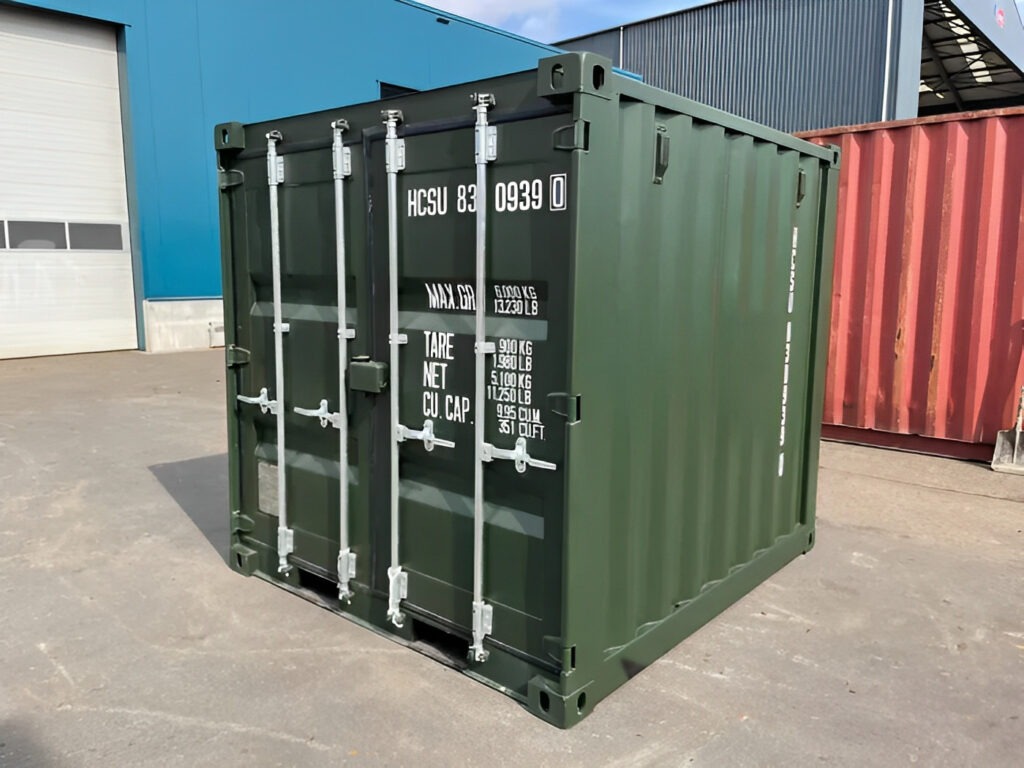
The Ultimate Guide to 30‑Foot Shipping Containers
Why a 30‑Foot Container Might Be Your Next Best Move
If you’ve ever stared at a sea of 20‑ft and 40‑ft containers and wondered whether there’s a “just‑right” size in between, you’re not alone. The 30‑foot container—sometimes called a 30‑ft high‑cube—offers a sweet spot between maneuverability and capacity. Whether you’re a small‑business owner looking for extra warehouse space, a DIY‑enthusiast planning a backyard office, or a farmer needing a sturdy grain bin, this guide will walk you through everything you need to know—no jargon, just plain‑spoken advice.
Quick Specs at a Glance
| Spec | Detail | Why It Matters to You |
|---|---|---|
| External Length | 30 ft (9.14 m) | Gives you more floor space than a 20‑ft, yet stays shorter than the massive 40‑ft unit, making it easier to park in tighter lots. |
| External Width | 8 ft (2.44 m) | Standard width for all ISO containers, so you can fit it on most trailers and into most container‑friendly garages. |
| External Height | 8.5 ft (2.59 m) – High‑Cube or 8.0 ft (2.44 m) – Standard | The extra six inches of the high‑cube translates to ~2 m³ more internal volume—perfect for bulky items. |
| Internal Dimensions | Length: 29.5 ft (9.0 m) Width: 7.7 ft (2.35 m) Height: 8.0 ft (2.39 m) – high‑cube | Gives you a usable floor area of ~70 sq ft (6.5 m²) and about 560 cu ft (16 m³) of storage. |
| Payload Capacity | 28 000 lb (12,700 kg) | More than enough for most commercial loads, from pallets of goods to heavy‑duty tools. |
| Tare Weight | ~7 500 lb (3,400 kg) | Knowing the empty weight helps you calculate loading limits and trailer requirements. |
| Material | Corten steel (weather‑resistant) | Resists rust and can survive harsh climates without frequent painting. |
| Doors | Double swing doors (8 ft tall) | Wide opening makes loading large equipment a breeze; optional sliding doors are also available. |
Pro tip: If you plan to stack the container (e.g., as a two‑story office), pick the high‑cube version. The extra height reduces the need for interior lofts and gives you a more comfortable ceiling height on each floor.
Where a 30‑Foot Container Shines
1. Mini‑Warehouse or Distribution Hub
Your e‑commerce business may have outgrown a closet but isn’t ready for a full‑blown 40‑ft facility. A 30‑ft unit adds roughly 30 % more space than a 20‑ft container without demanding an extra trailer or forklift pass‑through.
2. Pop‑Up Retail Spaces
Boutique pop‑up shops love the “container‑store” aesthetic. The 30‑ft length allows room for a small showroom, a back‑office, and even a mini‑changing room—all within a single, portable shell.
3. Home Offices & Studios
Working from home? Transform a 30‑ft high‑cube into a quiet, insulated office. The extra height gives you space for a standing desk, shelving, and even a small couch for client meetings.
4. Agricultural Uses
From grain storage to a mobile workshop for farm equipment, the robust steel walls protect against pests and weather. The 30‑ft size fits nicely between the small silos and the massive barns many farmers already own.
5. Construction Site Offices
Contractors love the ability to park a 30‑ft unit right next to a job site. It’s large enough for a meeting area, a break room, and storage for tools, yet compact enough to be moved by a standard crane.
Buying Checklist – What to Look For
| Checklist Item | What to Verify | Why It’s Important |
|---|---|---|
| ISO Certification | Look for “ISO 668” stamping | Guarantees dimensions and structural integrity for international shipping. |
| Condition Rating | New, One‑Trip, Used – Good, Used – Damaged | Determines price and potential refurbishment costs. |
| Door Mechanism | Hinged vs. sliding; check seals | Impacts security, weather‑proofing, and ease of loading. |
| Ventilation | Built‑in vents or optional fans | Prevents condensation—critical for electronics or perishable goods. |
| Flooring | Welded steel vs. wooden planks | Steel floors can handle heavy pallets; wooden may be more comfortable for offices. |
| Customization Options | Windows, insulation, electrical wiring | Helps you avoid costly retrofits later. |
| Delivery Logistics | Trailer compatibility, crane capacity | Ensures you can get the container to your exact location without surprises. |
Tip: If you’re ordering online, request a condition report that includes photos of the doors, interior, and any rust spots. A small extra fee for documentation can save you weeks of troubleshooting.
Cost Breakdown – What Should You Expect to Pay?
| Cost Category | Approximate Range (USD) | Typical Inclusions |
|---|---|---|
| Base Price (New, 30‑ft high‑cube) | $4,500 – $6,200 | Steel construction, ISO certification, standard doors |
| One‑Trip (used, minimal wear) | $3,200 – $4,500 | Light rust, interior may have minor dents |
| Used – Good Condition | $2,800 – $3,800 | Moderate wear, functional doors, may need minor repairs |
| Delivery & Placement | $300 – $1,200 (depends on distance & equipment) | Trailer, forklift or crane rental, permits |
| Customization (insulation, windows, electrical) | $500 – $2,500 per feature | Installation labor, materials |
| Ongoing Maintenance | $100 – $300 per year | Cleaning, rust treatment, door hardware checks |
Remember: Prices fluctuate with steel market trends and regional demand. If you can purchase a one‑trip container, you’ll often get a near‑new product at a 20‑30 % discount.
Maintenance Made Simple – Keep Your 30‑Ft Box in Top Shape
- Regular Cleaning – Sweep the floor and wipe down the interior walls every few months to prevent dust buildup.
- Inspect Seals – Check door gaskets for cracks; replace them to keep rain out.
- Rust Spot Treatment – If you spot a rust patch, sand it down, apply a rust‑inhibitor primer, then coat with marine‑grade paint.
- Ventilation Checks – Ensure vents are clear; consider adding a small dehumidifier if you store moisture‑sensitive items.
- Secure the Foundation – When stationary, mount the container on a concrete pad or steel footing to avoid ground moisture seeping in.
A quick quarterly walk‑through can extend the life of your container by 5‑10 years.
Comparing 30‑Foot to Other Common Sizes
| Feature | 20‑Ft Container | 30‑Ft Container | 40‑Ft Container |
|---|---|---|---|
| Floor Area | 150 sq ft (13.9 m²) | 210 sq ft (19.5 m²) | 280 sq ft (26 m²) |
| Internal Volume | 1,170 cu ft (33 m³) | 1,560 cu ft (44 m³) | 2,350 cu ft (66 m³) |
| Maneuverability | Excellent in tight urban lots | Good – still fits most standard trailers | Requires larger turning radius |
| Typical Use Cases | Small storage, pallets, equipment | Mini‑warehouse, pop‑up shops, offices | Large distribution hubs, container homes |
| Cost (New) | $2,500 – $3,500 | $4,500 – $6,200 | $6,000 – $8,500 |
Bottom line: If you’re torn between space and ease of placement, the 30‑ft container often hits the “just right” mark. It offers 40 % more volume than a 20‑ft while staying 30 % more compact than a 40‑ft—a win‑win for most mid‑size projects.
Real‑World Success Stories
- Tech Startup “CodeNest” turned a 30‑ft high‑cube into a collaborative dev lab. By adding insulated wall panels, a skylight, and a small kitchenette, they created a cost‑effective office for 12 engineers at a fraction of a lease price.
- Farmers in Iowa use a 30‑ft container as a mobile feed storage unit. The container’s steel walls keep the feed dry, and the doors are wide enough for a small tractor to drive in for quick loading.
- Boutique retailer “Urban Thread” set up a pop‑up shop during a city festival. The 30‑ft size allowed them to showcase clothing, accessories, and a fitting room—all inside a single container, driving a 20 % sales increase over the previous year’s stall.
These stories illustrate the container’s versatility—if you can imagine it, you can probably build it.
Frequently Asked Questions (FAQ)
Q1: Can I stack a 30‑ft container on top of another container?
A: Yes, provided both containers are structurally rated for stacking (typically the standard ISO containers are). The bottom unit should be a 40‑ft or 30‑ft container with a reinforced base. Always consult the manufacturer’s stacking limits—most are rated for up to 4 containers high.
Q2: Do I need a special permit to place a 30‑ft container on my property?
A: Regulations vary by city and zoning district. In many residential zones, a 30‑ft container is considered a temporary structure and may not require a building permit if it’s placed on a concrete pad and not used as a permanent dwelling. Check with your local planning department to be safe.
Q3: How do I insulate a container for year‑round use?
A: The most common method is spray‑foam insulation applied to the interior walls and ceiling. This provides both thermal resistance (R‑value) and air sealing. Pair it with double‑glazed windows and a small HVAC unit for optimal comfort.
Q4: What’s the difference between a “high‑cube” and a regular 30‑ft container?
A: The high‑cube adds 6 inches (15 cm) to the height, increasing internal volume by roughly 2 m³. This is beneficial for standing‑room applications (offices, studios) and for storing bulkier items that may not fit comfortably in a standard‑height box.
Q5: Can I transport a 30‑ft container on a standard 53‑ft trailer?
A: Absolutely. The standard trailer can accommodate a single 30‑ft container with room to spare, or even two 20‑ft containers side‑by‑side. Just ensure the trailer’s weight rating exceeds the combined tare and payload weight.
Q6: How long does it take to convert a container into a livable space?
A: With a professional conversion team, a basic office or studio can be completed in 4–6 weeks. A full residential conversion (including plumbing, electricity, and interior finishes) typically takes 8–12 weeks, depending on local permits and customization level.
Q7: Are there any eco‑friendly alternatives to steel containers?
A: While steel is highly recyclable (up to 95 % of a container can be reclaimed), some companies now offer aluminum or composite containers with lower carbon footprints. However, steel remains the most cost‑effective and widely available option.
Ready to Take the Next Step?
Whether you’re looking to store inventory, launch a pop‑up shop, or create a cozy home office, the 30‑ft container offers a perfect blend of space, strength, and flexibility. Armed with the specs, cost insights, and maintenance tips above, you’re now equipped to make an informed decision.
Action Checklist:
- Define your purpose – storage, office, shop, or something else?
- Choose the condition – new, one‑trip, or used.
- Request a detailed quote – include delivery, foundation, and any custom work.
- Verify local regulations – permits, zoning, and stacking rules.
- Plan your layout – sketch where doors, windows, and interior fixtures will go.
- Schedule delivery – ensure you have a flat, stable surface ready.
Congratulations! You’re just a few steps away from turning a sturdy steel box into a valuable asset for your business or lifestyle. Happy container hunting! 🚢✨