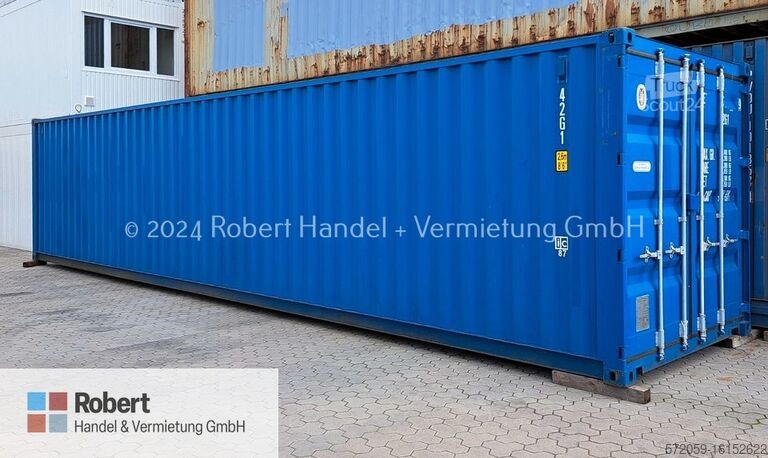
The Ultimate Guide to Buying a Container — What You Need to Know Before You Click “Add to Cart”
Whether you’re a contractor looking for a rugged storage solution, a startup dreaming of an off‑grid office, or an eco‑enthusiast planning a tiny‑home conversion, a container for sale can be the most versatile investment you’ll ever make. But the market is flooded with options, and the jargon (ISO, TEU, duplex, ventilated, cam‑lock, etc.) can feel overwhelming. This guide walks you through every decision point, gives you concrete numbers, and equips you with the questions you should ask before you sign the contract.
Key takeaway: Treat a container purchase like buying a piece of real estate. Look at location, condition, dimensions, and long‑term cost of ownership—not just the sticker price.
1. Why a Shipping Container Might Be Your Best Bet
| Benefit | How It Helps You | Typical Use‑Case |
|---|---|---|
| Durability | 20‑year design life, steel walls resist weather, fire, and vandalism. | On‑site material storage for construction firms. |
| Mobility | Can be lifted by a crane and moved on a flatbed for as little as $200–$400 per move. | Temporary pop‑up shops or event booths. |
| Scalability | Stackable (up to 4 high) and can be combined into “duplex” or “quad‑plex” layouts. | Growing warehouse expansions without new foundations. |
| Cost‑Effectiveness | New 20‑ft units start around $3,000; used units can be under $1,500. | Budget‑friendly office conversion for freelancers. |
| Sustainability | Re‑using a container saves ~1,300 tons of CO₂ versus building a new structure. | Eco‑focused community hubs. |
If any of the above resonates, you’re already on the right track.
2. Types of Containers You’ll Encounter
| Type | Dimensions (L × W × H) | Typical Weight | Common Price Range (USD) | Best For |
|---|---|---|---|---|
| Standard 20‑ft Dry | 20′ × 8′ × 8′ 6″ | 4,800 lb | $2,500 – $4,500 (new) | Small workshops, tool storage. |
| Standard 40‑ft Dry | 40′ × 8′ × 8′ 6″ | 8,200 lb | $4,500 – $8,000 (new) | Large inventory, modular housing. |
| High‑Cube 40‑ft | 40′ × 8′ × 9′ 6″ | 8,500 lb | $5,500 – $9,500 (new) | Extra headroom for standing‑room offices. |
| Reefer (Refrigerated) | 40′ × 8′ × 8′ 6″ | 9,000 lb | $8,000 – $12,000 (new) | Perishable goods, cold‑room labs. |
| Open‑Top | 20‑ft or 40‑ft | 4,900 lb (20‑ft) | $3,200 – $6,500 (new) | Loading bulky items (pipes, timber). |
| Flat‑Rack | 20‑ft or 40‑ft | 4,600 lb (20‑ft) | $3,600 – $7,000 (new) | Heavy machinery, oversized cargo. |
| Ventilated/Insulated | 40‑ft | 8,400 lb | $5,800 – $10,000 (new) | Agricultural storage, workshops needing airflow. |
Pro tip: If you plan to convert a container into living space, opt for a high‑cube model. The extra foot of height eliminates the need for a “dutch‑angle” roof and makes interior design far easier.
3. New vs. Used: What’s the Real Difference?
| Factor | New Container | Used Container |
|---|---|---|
| Structural Integrity | Meets ISO 668 standards; no dents, rust, or compromised welds. | May have minor dents; rust can be localized. |
| Warranty | Typically 1‑year manufacturer warranty. | No warranty; “as‑is” condition. |
| Price Premium | 30‑50 % higher than comparable used units. | Savings of $1,000‑$2,500 per unit. |
| Customization Lead Time | 4‑6 weeks (including paint, doors, windows). | Immediate availability; may need retro‑fit. |
| Resale Value | Holds value better; easier to flip. | Lower resale price; may need refurbishment. |
When to choose new: You need guaranteed integrity for a medical or food‑grade environment, or you want a comprehensive warranty.
When to choose used: You’re on a tight budget, have a skilled crew to perform upgrades, or simply need a sturdy shell for a storage shed.
4. Checklist Before You Purchase
- Define the Purpose
- Storage vs. living space vs. office vs. workshop.
- This determines whether you need ventilation, insulation, or custom doors.
- Measure the Site
- Verify clearance for delivery trucks (typically 12‑14 ft width and 30‑ft height clearance).
- Check ground bearing capacity; you may need a concrete pad.
- Inspect the Container (if used)
- Look for rust on corners, weld seams, and floor panels.
- Test door hinges and locking mechanisms for smooth operation.
- Check for water stains inside—possible roof leak.
- Calculate Total Cost of Ownership (TCO)
- Purchase price + delivery + foundation + modifications + insurance + maintenance.
- Verify Compliance
- Local zoning laws may restrict “habitable” container conversions.
- Ensure the container meets fire‑rating (e.g., 30‑minute) if used as a workspace.
- Negotiate Extras
- Paint (ISO‑standard marine paint prolongs life).
- Electrical conduit, LED lighting, HVAC, windows, and doors.
- Secure Financing
- Many suppliers offer leasing options (2‑5 years) for businesses that want to spread the cost.
5. Budget‑Friendly Upgrades You Can DIY
| Upgrade | Approx. Cost (USD) | Time Required | Why It Matters |
|---|---|---|---|
| Exterior Paint (Marine Grade) | $300 – $500 | 1 day | Prevents rust, adds branding. |
| Insulation (Spray Foam 4‑in) | $800 – $1,200 | 2 days | Keeps temperature stable, reduces energy use. |
| Solar Panel Kit (200 W) | $600 – $900 | 1 day | Off‑grid power for lights, fans, or small appliances. |
| Ventilation Fans (2× 12‑inch) | $150 – $250 | 2 hours | Reduces condensation, improves air quality. |
| Window Installation (2 × 4×4 ft) | $500 – $800 | 1 day | Natural light, aesthetic upgrade. |
| Flooring (Epoxy Coating) | $400 – $700 | 1 day | Easier cleaning, resistant to spills. |
Tip: If you’re converting a container into a tiny home, prioritize insulation and ventilation before aesthetics. Comfort trumps curb appeal in the long run.
6. Real‑World Scenarios: Which Container Wins?
| Scenario | Recommended Container | Why |
|---|---|---|
| Construction Site Materials | 40‑ft Standard Dry (new) | Maximum volume, easy stacking, lockable doors. |
| Pop‑Up Coffee Shop | 20‑ft High‑Cube (used) + custom windows | Height for bar equipment, compact footprint. |
| Cold‑Storage for Farm Produce | 40‑ft Reefer (new) | Built‑in refrigeration, temperature control. |
| Mobile Office for Remote Teams | 20‑ft Duplex (new) with insulation | Two separate workspaces, quick set‑up. |
| DIY Tiny Home | 40‑ft High‑Cube (used) with loft conversion | Standing height + room for a loft bedroom. |
7. Frequently Asked Questions (FAQ)
Q1: How long does delivery typically take?
Answer: Most suppliers require 3‑7 business days for local delivery after payment. For long‑distance shipments, expect 2‑3 weeks, especially if a custom foundation is needed.
Q2: Can I stack containers on top of each other?
Answer: Yes, but only if the bottom unit is structurally rated for stacking (most ISO‑standard containers are). Verify the load capacity of the floor and ensure the stacked units are secured with twist‑locks.
Q3: What insurance should I purchase?
Answer: A commercial property policy covering loss, theft, and accidental damage is recommended. Some providers also offer cargo insurance for the delivery phase.
Q4: Are there any hidden fees I should watch out for?
Answer: Look out for site preparation costs (grading, concrete pad), permit fees, and customization charges (door upgrades, electrical wiring). Ask for an all‑inclusive quote before signing.
Q5: How do I maintain a container to extend its lifespan?
Answer:
- Regularly inspect for rust or dents.
- Re‑paint the exterior every 3‑5 years.
- Lubricate door hinges and locks quarterly.
- Keep the interior dry; use dehumidifiers if needed.
Q6: Can a container be used as a legal residence?
Answer: It depends on local zoning. Many municipalities allow “accessory dwelling units” (ADUs) if the container meets building codes (insulation, egress windows, fire rating). Always check with your city planning department first.
Q7: What’s the difference between a “cam‑lock” and a “twist‑lock”?
Answer: Both are standard locking mechanisms used in shipping containers. Cam‑locks are a newer design offering faster engagement and better resistance to vibration. Twist‑locks are the traditional method, widely available and cheaper to replace.
Q8: How much does a container cost to convert into a workshop?
Answer: Rough estimate:
- Container (used 40‑ft) – $2,200
- Foundation – $1,000
- Insulation & interior finish – $2,500
- Electrical & lighting – $1,200
- Total ≈ $6,900 (plus labor if you hire out).
Q9: Is it possible to rent a container before buying?
Answer: Yes, many vendors offer short‑term rentals (monthly rates from $150–$300). This is a great way to test suitability before committing.
Q10: What environmental certifications exist for containers?
Answer: Look for ISO 9001 (quality management) and ISO 14001 (environmental management) certifications from manufacturers. Some suppliers also highlight LEED‑compatible upgrades (e.g., recycled steel, low‑VOC paints).
8. The Bottom Line – Make a Smart Purchase
- Start with purpose: Knowing whether you need storage, office, or living space narrows the options dramatically.
- Measure your site: A container that won’t fit through the gate is a wasted budget.
- Inspect & compare: Use the tables above as a quick reference for dimensions, weight, and price.
- Factor in TCO: Delivery, foundation, and upgrades can add 30‑50 % to the base price.
- Stay compliant: Zoning and building codes are non‑negotiable; a small permit fee now prevents costly fines later.
When you follow these steps, the container you buy won’t just be a metal box—it’ll become a resilient, adaptable asset that serves you for years to come.
Ready to Take the Next Step?
- Download our free “Container Buying Checklist” (PDF) to keep all the above points at your fingertips.
- Browse our curated list of vetted suppliers (link below) that offer both new and gently used units with transparent pricing.
- Contact our concierge team for a personalized quote, site assessment, and financing options.
Your perfect container is out there. With the right info, you’ll know exactly which one to bring home.
Resources & Links
- Container Buying Checklist (PDF) – [Download Now]
- Top 10 Certified Container Suppliers (2025) – [View List]
- DIY Insulation Guide for Shipping Containers – [Read Article]
- Local Zoning & Permit Database – [Search Your City]
Happy building, storing, or living—your container journey starts today!