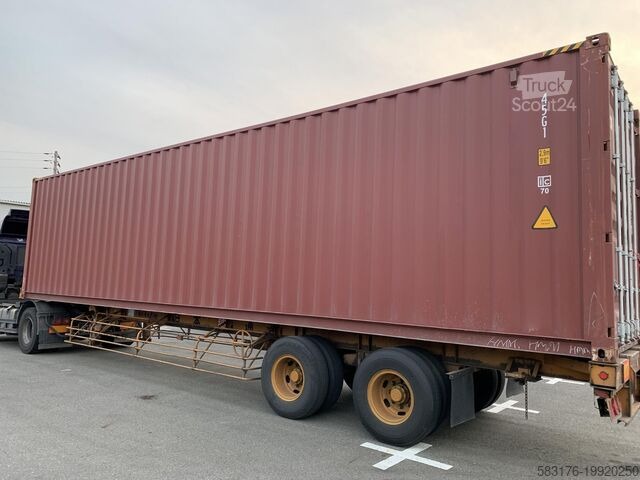
Renting a Shipping Container: The Complete Guide for Your Business or Personal Needs
You’ve heard the buzz about “containers on rent,” but what does it really mean for you? Whether you need extra storage, a pop‑up shop, a temporary office, or a quick‑set construction site office, renting a container can be a smart, cost‑effective solution. This guide walks you through everything you need to know— from choosing the right size to budgeting, legal considerations, and best‑practice tips—so you can make an informed decision and get the most out of your rental.
1. Why Rent a Container?
| Benefit | What It Means for You |
|---|---|
| Flexibility | Move the unit anywhere on your site, swap it for a larger one, or return it when you’re done. |
| Speed | Delivery and set‑up typically happen within 3‑7 days, far faster than constructing a permanent building. |
| Cost‑Efficiency | Rental rates are usually a fraction of the purchase price plus long‑term maintenance. |
| Security | Steel walls, lockable doors, and optional alarms keep your assets safe. |
| Scalability | Add more containers as your project grows without renegotiating a lease for a permanent space. |
| Environmental Impact | Re‑using a container reduces the need for new construction materials and cuts waste. |
If any of these points match a current pain point—like running out of warehouse space, needing a temporary break‑room, or wanting a portable showroom—renting a container could be the perfect answer.
2. Types of Containers You Can Rent
| Container Type | Typical Dimensions (L×W×H) | Common Uses |
|---|---|---|
| Standard Dry Container | 20‑ft (6.1 m) × 8‑ft (2.44 m) × 8.5‑ft (2.59 m) 40‑ft (12.2 m) × 8‑ft × 8.5‑ft | General storage, equipment staging, on‑site offices (with interior fit‑out). |
| High‑Cube Container | 40‑ft × 8‑ft × 9.5‑ft (2.9 m) | Extra height for tall items, larger workspaces. |
| Reefer (Refrigerated) Container | 40‑ft × 8‑ft × 8.5‑ft | Perishable goods, cold‑storage labs, temporary food‑service kiosks. |
| Open‑Top Container | 20‑ft or 40‑ft × 8‑ft × 8.5‑ft (no roof) | Oversized loads, construction material storage. |
| Flat‑Rack Container | 20‑ft or 40‑ft × 8‑ft (with collapsible side walls) | Heavy machinery, vehicles, large equipment. |
| Specialty Containers | Custom dimensions | Mobile classrooms, pop‑up retail, medical clinics, data‑center modules. |
Tip: If you’re unsure which type fits your need, start by listing the dimensions and environmental requirements of what you’ll store or work on. That simple inventory can narrow the options dramatically.
3. How Rental Pricing Works
Pricing varies by region, provider, container size, and contract length, but most companies use a base monthly rate plus optional add‑ons (e.g., delivery, modifications, insurance). Below is a typical price range in the United States (prices are illustrative; always request a quote for exact figures).
| Container Size | Base Monthly Rate | Delivery (One‑Time) | Typical Add‑Ons |
|---|---|---|---|
| 20‑ft Dry | $150–$250 | $100–$200 (within 50 mi) | HVAC, lighting, shelving ($30–$80/mo) |
| 40‑ft Dry | $250–$400 | $150–$300 (within 50 mi) | Office fit‑out, partitions ($50–$120/mo) |
| 40‑ft High‑Cube | $300–$450 | $200–$350 (within 50 mi) | Elevated flooring, insulation ($70–$130/mo) |
| 40‑ft Reefer | $500–$800 | $250–$400 (within 50 mi) | Temperature monitoring ($20–$50/mo) |
| Open‑Top (20‑ft) | $120–$200 | $100–$200 (within 50 mi) | Side‑wall removal/installation ($40–$80/mo) |
3.1 Factors That Influence Cost
- Location & Distance – Longer hauls increase delivery and pick‑up fees.
- Contract Length – 12‑month rentals often carry a discount of 5‑10 % versus month‑to‑month.
- Condition & Age – Newer or refurbished units cost more but may include warranty coverage.
- Customization – Adding windows, doors, electrical outlets, or climate control incurs a one‑time setup fee and/or a higher monthly charge.
- Insurance – Most providers require liability coverage; you can either purchase through them or use your own policy.
4. Step‑by‑Step: How to Rent a Container
- Define Your Requirements
- Size: Measure the space you need (length, width, height).
- Purpose: Storage vs. workspace vs. specialty use.
- Features: Power, HVAC, shelving, doors, windows.
- Research Local Providers
- Look for companies with ISO‑certified containers (ISO 668) to guarantee structural integrity.
- Check reviews, delivery windows, and whether they handle permits.
- Request a Quote
- Provide details from step 1.
- Ask for a breakdown of all fees (monthly, delivery, setup, insurance).
- Review the Rental Agreement
- Pay attention to early‑termination clauses, maintenance responsibilities, and damage deposit requirements.
- Schedule Delivery & Installation
- Confirm site accessibility (ground level, weight limits, overhead clearances).
- Arrange for foundation or pads if required by local building codes.
- Inspect Upon Arrival
- Verify the container’s condition (no dents, rust, or missing bolts).
- Ensure all agreed‑upon modifications are present.
- Set Up Your Space
- Install shelving, power outlets, or interior partitions.
- Register the unit with any local fire or safety agencies if needed.
- Maintain & Monitor
- Keep a log of any damage or wear.
- Report issues promptly to avoid penalties.
- Return or Extend
- At lease end, clean the container, remove personal modifications (if required), and schedule pick‑up.
- If you need more time, negotiate an extension before the contract expires.
5. Legal & Safety Considerations
| Aspect | What You Must Do |
|---|---|
| Permits | Verify with your city/county if a temporary structure permit is required. Some jurisdictions treat containers as “accessory structures.” |
| Zoning | Ensure the container’s intended use complies with local zoning (e.g., commercial vs. residential). |
| Fire Safety | Install smoke detectors and fire extinguishers if the container will be occupied. Many providers can supply certified units for office use. |
| Load‑Bearing Floor | For heavy equipment, confirm the floor’s load rating (typically 2,500 kg/m² for standard units). |
| Insurance | Minimum coverage should include property damage and liability. Ask the provider for a Certificate of Insurance (COI). |
| Environmental Regulations | If using a refrigerated (reefer) container, follow EPA guidelines for refrigerants and proper disposal at end‑of‑life. |
6. Pros & Cons: Quick Reference
Pros
- Immediate availability; no construction lead time.
- Scalable—add or swap containers as needs change.
- Lower upfront capital outlay.
- Portable and reusable for multiple projects.
Cons
- Limited aesthetic appeal (can be mitigated with cladding or branding).
- May require site preparation (ground leveling, foundations).
- Rental costs can add up over long periods—compare against purchase if you need the container for many years.
7. Real‑World Use Cases
- Construction Site Office – A 40‑ft high‑cube container fitted with HVAC, power outlets, and a small break‑room.
- Pop‑Up Retail – A 20‑ft dry container turned into a boutique storefront with glass doors, signage, and interior fixtures.
- Seasonal Storage for Event Equipment – Multiple 20‑ft containers near a festival grounds, rented only during the off‑season.
- Cold‑Chain Logistics – 40‑ft refrigerated containers parked at a distribution hub for perishable goods during peak demand.
8. Frequently Asked Questions
| Question | Answer |
|---|---|
| How long can I rent a container? | Most providers offer monthly contracts with a minimum of 3–6 months; long‑term rentals (12‑24 months) often receive discounted rates. |
| Do I need a license to operate a container on my property? | Generally not, but local permits may be required for temporary structures, especially if the container will be occupied. |
| Can I customize the interior before delivery? | Yes. Most companies provide pre‑fit‑out services (e.g., shelving, electrical) for an additional fee. Ask for a catalog of options. |
| What happens if the container is damaged during my lease? | You’ll be liable for repair costs beyond normal wear and tear. Many contracts include a damage deposit refundable at lease end. |
| Is delivery included in the price? | Delivery is usually a separate, one‑time charge based on distance and site access. Some providers bundle it into a “full‑service” package. |
| Can I move the container myself? | Typically not recommended. Containers weigh up to 4 t (empty) and may require a crane or specialized truck. Most rental agreements require the provider to handle relocation. |
| What are the payment terms? | Most companies ask for monthly invoices with a 30‑day net term. Some require a first‑month upfront plus a security deposit. |
| Are there eco‑friendly options? | Yes. Look for providers that rehabilitate used containers, use solar panels, or offer recyclable insulation. |
| Can I rent a container for a short event, like a weekend fair? | Absolutely. Some vendors specialize in short‑term rentals (24‑72 hours) and can deliver and pick up within a single day. |
| What if I need a container on a foreign site? | International shipping is possible, but you’ll need to arrange customs clearance and may face higher logistics fees. Check with a global logistics partner. |
9. Bottom Line: Is Renting the Right Choice for You?
If you need rapid, flexible space without the capital commitment of buying a permanent building, renting a container is a practical answer. By following the steps outlined—defining your needs, comparing providers, understanding pricing, and abiding by local regulations—you can secure a container that fits your budget and timeline.
Remember, the key to a successful rental is clear communication with the supplier and proactive site planning. Treat the container as a part of your overall workflow, not just a metal box, and you’ll unlock its full potential—whether that’s storing equipment, creating a thriving pop‑up shop, or providing a safe, climate‑controlled workspace.
Ready to take the next step? Compile your requirements, request at least three quotes, and schedule a site walk‑through. In a matter of days, you could have a fully outfitted container ready to support your business goals.
Happy renting!