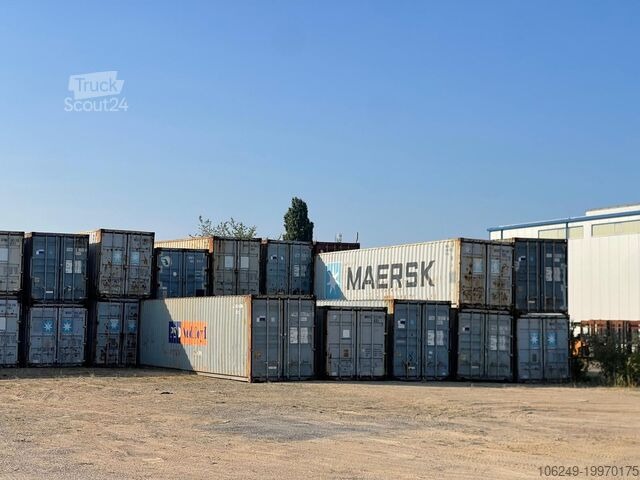
The Complete Guide to Renting Shipping Containers: What You Need to Know Before You Sign the Lease
Whether you’re a small‑business owner looking for extra storage, a construction manager needing a portable office, or a homeowner who wants a temporary workshop, renting a shipping container can be a fast, cost‑effective solution. Unlike buying, renting lets you scale up or down as your needs change, and you avoid the upfront capital outlay and long‑term maintenance responsibilities.
In this post you’ll discover:
- The different types of containers you can rent and what they’re best used for.
- How pricing works (including a handy price‑comparison table).
- Key factors to evaluate when choosing a rental provider.
- Practical steps to get the most out of your container lease.
- A FAQ section that answers the most common questions about container rent.
Grab a coffee, and let’s walk through everything you need to know before you sign that rental agreement.
1. Why Rent a Shipping Container?
| Reason | What It Means for You | Typical Use‑Case |
|---|---|---|
| Low upfront cost | You pay a monthly fee instead of a large one‑time purchase price (often 10‑20% of a new container’s cost). | Seasonal inventory storage for a retail shop. |
| Flexibility | Contracts can range from a few weeks to several years, and you can swap sizes or types as your project evolves. | A construction site that expands over several months. |
| Mobility | Most rental companies will deliver, pick up, and even relocate the container for you. | A pop‑up event that moves between venues. |
| Maintenance handled by the provider | The rental company is responsible for cleaning, repairs, and compliance with local regulations. | A remote field office where you lack on‑site maintenance staff. |
| Access to specialized containers | You can rent refrigerated (reefers), ventilated, or insulated units without buying them outright. | Transporting perishable goods for a short‑term catering contract. |
If any of these benefits line up with your current challenge, renting is probably the smarter route.
2. Types of Containers You Can Rent
| Container Type | Dimensions (L×W×H) | Typical Load Capacity | Ideal Applications |
|---|---|---|---|
| Standard Dry Container (20‑ft) | 20 ft × 8 ft × 8.5 ft | 22,000 lb (10,000 kg) | General storage, small workshops, document archiving. |
| Standard Dry Container (40‑ft) | 40 ft × 8 ft × 8.5 ft | 44,000 lb (20,000 kg) | Larger inventories, equipment storage, mobile offices. |
| High‑Cube Container (40‑ft) | 40 ft × 8 ft × 9.5 ft | 44,000 lb (20,000 kg) | Projects that need extra headroom, e.g., vehicle maintenance bays. |
| Reefer (Refrigerated) Container | 40 ft × 8 ft × 8.5 ft (available in 20‑ft as well) | 44,000 lb (20,000 kg) | Perishable goods, medical supplies, temporary cold rooms. |
| Open‑Top Container | 40 ft × 8 ft × 8.5 ft (open roof) | 44,000 lb (20,000 kg) | Oversized cargo, construction materials that need crane loading. |
| Flat‑Rack Container | 40 ft × 8 ft × 4 ft (no side walls) | 25,000 lb (11,000 kg) | Heavy machinery, projectors, wind turbines. |
| Ventilated Container | 40 ft × 8 ft × 8.5 ft (with side vents) | 44,000 lb (20,000 kg) | Agricultural products, waste storage where airflow is needed. |
| Insulated/Cold‑Storage Container | 40 ft × 8 ft × 8.5 ft (thermal insulation) | 44,000 lb (20,000 kg) | Temperature‑sensitive electronics, pharmaceuticals. |
Tip: If you’re unsure which size or type fits your project, start by listing the dimensions and weight of the items you plan to store. Add a 10‑15% buffer for future growth; most rental providers will help you calculate the optimum container.
3. How Rental Pricing Works
Pricing varies by region, container type, lease length, and any added services (e.g., delivery, modifications). Below is a typical price range for the United States market in 2024. Your local rates may be higher or lower, but this gives you a solid baseline for budgeting.
| Container Type | Monthly Rental (USD) | Minimum Lease Term | Delivery Fee (One‑Time) | Optional Add‑Ons (per month) |
|---|---|---|---|---|
| 20‑ft Dry | $150 – $250 | 1 month | $75 – $120 | HVAC $30, Security $20 |
| 40‑ft Dry | $250 – $400 | 1 month | $90 – $150 | HVAC $40, Security $25 |
| 40‑ft High‑Cube | $300 – $460 | 1 month | $100 – $170 | HVAC $45, Security $30 |
| 20‑ft Reefer | $500 – $700 | 3 months* | $150 – $250 | Power Hook‑up $80, Temperature Monitoring $20 |
| 40‑ft Reefer | $800 – $1,200 | 3 months* | $200 – $300 | Power Hook‑up $100, Temp. Monitoring $30 |
| Open‑Top (40‑ft) | $260 – $380 | 1 month | $120 – $180 | Crane Access $50 |
| Flat‑Rack (40‑ft) | $250 – $350 | 1 month | $130 – $190 | Tie‑Down Kit $15 |
| Ventilated (40‑ft) | $280 – $420 | 1 month | $130 – $200 | De‑humidifier $25 |
| Insulated (40‑ft) | $340 – $520 | 1 month | $150 – $220 | Climate Controller $35 |
*Reefer containers often require a longer minimum lease because the refrigeration unit incurs higher operational costs.
How to interpret the table
- Base Rate: This is the core fee for the container itself.
- Minimum Lease Term: Some providers require a minimum period; short‑term projects may need to negotiate a higher daily rate.
- Delivery Fee: Covers transport from the provider’s yard to your site. Larger or remote locations can increase this cost.
- Optional Add‑Ons: Think of these as “customizations.” Only add what you truly need; they can quickly add up.
4. Choosing the Right Rental Provider
When you start contacting container rental companies, keep these five criteria in mind:
- Reliability of Delivery & Pickup – Ask for average lead times and whether the provider offers same‑day or next‑day service.
- Condition of the Container – Request recent inspection reports or photos. A well‑maintained unit reduces the risk of leaks, rust, or structural damage.
- Insurance Coverage – Verify that the provider’s liability insurance covers loss or damage while the container is on your premises. Some companies also offer optional cargo insurance.
- Flexibility in Contract Terms – Look for providers who allow you to extend, shorten, or swap containers without steep penalties.
- Customer Support – 24/7 emergency assistance can be a lifesaver if a door jams, a lock breaks, or the refrigeration unit fails.
Pro tip: Ask for references from other clients in the same industry. A provider who has successfully served a nearby construction firm or a seasonal retailer is likely to understand the nuances of your operation.
5. Step‑by‑Step Checklist: From Quote to Move‑In
Below is a practical list you can print out and tick off as you progress:
- Define Your Requirements
- Container size (20‑ft, 40‑ft, high‑cube).
- Type (dry, reefer, open‑top, etc.).
- Desired lease length.
- Any special accessories (shelves, power, HVAC).
- Gather Quotes
- Obtain at least three written quotations.
- Compare base rates, delivery fees, and optional add‑ons.
- Inspect the Unit (if possible)
- Check for rust, dents, water damage, and functional doors.
- Verify the condition of seals, hinges, and locking mechanisms.
- Confirm Insurance & Liability
- Ask for a copy of the provider’s insurance certificate.
- Determine whether you need additional coverage for your contents.
- Negotiate Terms
- Ask about early‑termination fees.
- Request a discount for longer leases or multiple containers.
- Sign the Rental Agreement
- Read the fine print: delivery schedule, inspection clause, and responsibility for utilities.
- Plan Site Preparation
- Ensure a level, load‑bearing surface (concrete pad or reinforced ground).
- Arrange for power, water, or ventilation hookups if needed.
- Schedule Delivery & Installation
- Confirm the date and time window.
- Provide access instructions (gate codes, loading dock details).
- Perform a Move‑In Inspection
- Use the provider’s “condition report” checklist; note any existing damage.
- Take photos for your records.
- Set Up Interior
- Install shelving, lighting, or security systems.
- Test any auxiliary equipment (refrigeration, HVAC).
- Maintain Regular Checks
- Perform monthly visual inspections for water ingress, pest entry, or wear.
- Plan for Pick‑Up/Return
- Schedule a date at least two weeks before the lease ends.
- Clean the container and remove all personal items to avoid extra fees.
Following this roadmap keeps you organized, saves money, and prevents unpleasant surprises at the end of the lease.
6. Real‑World Examples: How Different Industries Use Rental Containers
| Industry | Use‑Case | Container Type | Lease Length | Added Services |
|---|---|---|---|---|
| E‑commerce Retailer | Seasonal inventory overflow during holidays | 40‑ft High‑Cube Dry | 3 months (Nov‑Jan) | Pallet racking, security alarm |
| Construction Company | On‑site office, tool storage, and portable restroom | 20‑ft Dry + 20‑ft Open‑Top | 6 months | HVAC, portable toilet hookup |
| Catering Business | Temporary cold storage for perishable ingredients | 20‑ft Reefer | 2 months (festival season) | Power supply, temperature monitoring |
| Film Production | Mobile dressing rooms and equipment lockers | 40‑ft High‑Cube with interior partitions | 1 month (shoot period) | Lighting, soundproofing panels |
| Agricultural Farm | Grain and equipment storage, plus ventilated units for livestock feed | 40‑ft Ventilated + 40‑ft Dry | 12 months (full year) | De‑humidifier, pest control service |
These case studies illustrate that container rent isn’t a one‑size‑fits‑all proposition. Tailor the solution to your unique workflow, and you’ll unlock significant operational efficiencies.
7. Frequently Asked Questions (FAQ)
Q1: Can I purchase the container outright after renting it?
Yes. Many providers offer a “rent‑to‑own” program where a portion of each monthly payment is credited toward the purchase price. Make sure the contract explicitly states the buy‑out price and any conditions.
Q2: What happens if the container is damaged during my lease?
Typically, the rental agreement includes a “condition report” signed at delivery and pick‑up. If damage beyond normal wear‑and‑tear is noted, you may be billed for repairs. Some providers allow you to purchase insurance that covers accidental damage.
Q3: Do I need a permit to place a container on my property?
It depends. Zoning regulations vary by city and county. In many industrial or commercial zones, a container is considered a temporary structure and may not require a permit. Residential zones often have stricter rules. Check with your local planning department before signing a lease.
Q4: How do I keep a container cool in hot climates without a reefer?
- Install reflective exterior paint or a white tarp.
- Use portable evaporative coolers or fans.
- Add insulation panels to the interior walls.
- Keep the container shaded with a temporary canopy.
Q5: Can I modify the interior (e.g., add shelves or cut a window)?
Most rental companies allow reversible modifications, such as bolt‑on shelving or internal partitions. Permanent alterations (cutting doors, welding) are usually prohibited unless you negotiate a custom build with the provider.
Q6: What are the environmental benefits of renting vs. buying?
- Reduced material waste: One container serves many customers over its lifespan.
- Lower carbon footprint: Manufacturers avoid producing a new unit for each short‑term need.
- Recycling potential: At end‑of‑life, containers are often recycled into steel or repurposed for housing.
Q7: Is it possible to have a container delivered to a location without a hard surface?
Yes, but you’ll need to prepare a suitable base. Options include:
- Installing a temporary steel plate or wooden deck.
- Using a trailer chassis (a “container on wheels”) that can be parked on gravel.
Q8: How do I handle utilities like electricity or water?
- Electrical: Most providers can run a temporary power cable from your site’s supply, or you can hire a licensed electrician to install a dedicated circuit.
- Water: For portable restrooms or wash stations, a simple hose connection with a backflow preventer works.
Q9: What is the average lead time for delivery after I sign the contract?
Most companies can deliver within 3‑7 business days for standard dry containers. Refrigerated or customized units may require 10‑14 days due to additional prep work.
Q10: Can I rent a container for a single day?
Yes, but daily rates are significantly higher (often 3‑4× the monthly rate). It’s usually more cost‑effective to rent for a minimum of one month unless you truly need a short‑term, one‑off solution.
8. Bottom Line: Make an Informed Decision
Renting a shipping container is a versatile, scalable answer to many storage and space challenges. By understanding the different container types, dissecting the pricing structure, and vetting rental providers against a clear checklist, you can avoid hidden costs and ensure the unit works seamlessly for your project.
Remember these takeaways:
- Define your exact needs first—size, type, lease length, and any accessories.
- Gather multiple quotes and compare not just price but delivery speed, insurance, and contract flexibility.
- Inspect the container before signing, and keep a documented condition report.
- Plan the site (level ground, utilities, permits) ahead of delivery to avoid delays.
- Maintain regular checks during the lease to catch issues early and keep the container in top shape.
When you follow this roadmap, you’ll turn a simple rental into a strategic asset that protects your inventory, streamlines operations, and even contributes to a greener, more circular economy.
Ready to start? Contact local container rental companies, request their rate sheets, and let the container rent process boost your efficiency today. Happy leasing!