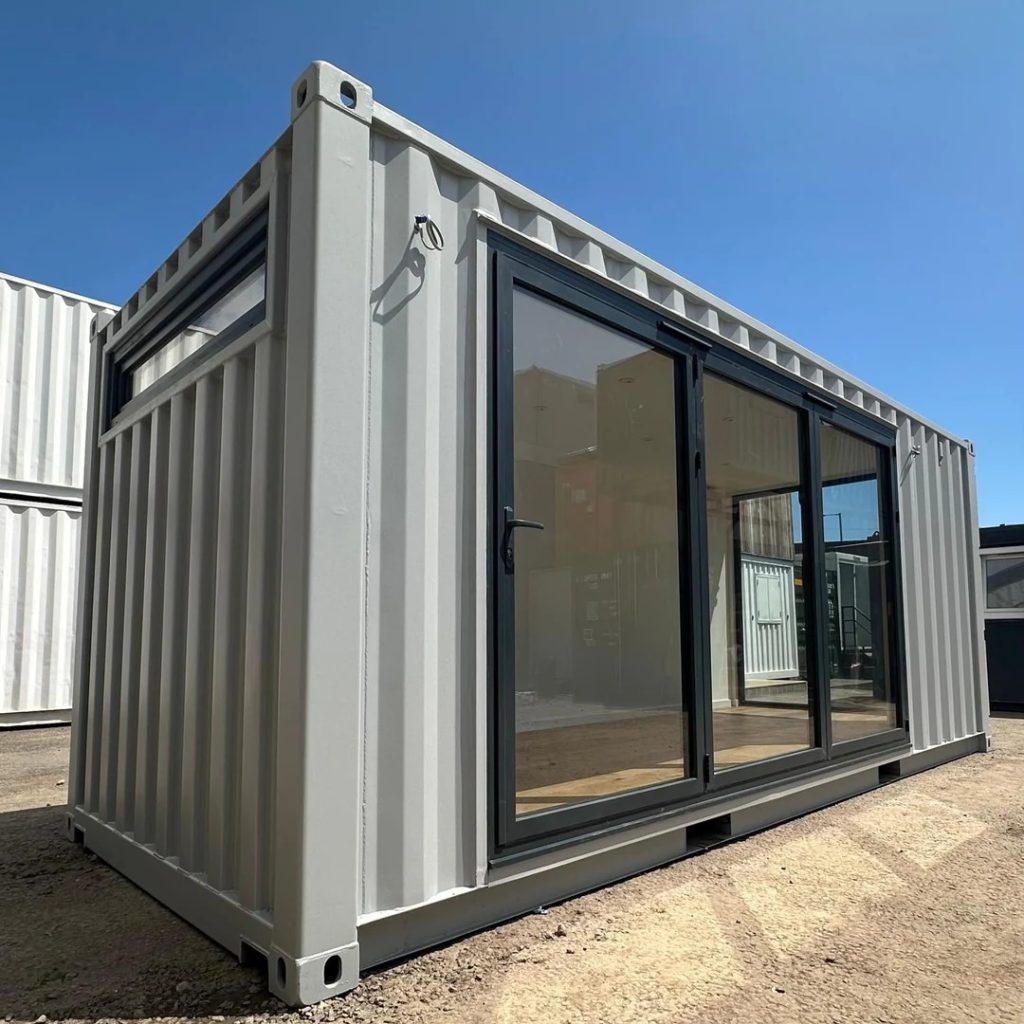
The Ultimate Guide to Buying Shipping Containers: What You Need to Know Before the Sale
Whether you’re a small‑business owner looking for extra storage, a DIY‑enthusiast planning a backyard office, or an investor eyeing a new revenue stream, buying a shipping container can be a game‑changer. But the market is full of jargon, price‑fluctuations, and “too‑good‑to‑be‑true” offers.
In this friendly, step‑by‑step guide you’ll discover:
- The different types of containers you’ll encounter.
- How to read a price quote and spot hidden costs.
- Practical tips for inspecting, transporting, and customizing your purchase.
All of it is written in the second‑person voice, because the decisions you make will shape the space you create. Let’s dive in!
1. Why Consider a Container Sale Right Now?
| Reason | How It Helps You | Typical Use‑Case |
|---|---|---|
| Affordability | New 20‑ft containers can start around $2,000 – $3,000, far cheaper than building a brick structure. | Seasonal storage for inventory, tools, or sports gear. |
| Durability | Made of corten steel, they resist rust, wind, and even minor impacts. | Outdoor workshops, pop‑up retail, or a secure garage. |
| Mobility | One container can be moved with a single flat‑bed truck; some companies even offer crane services. | Mobile food trucks, temporary event booths, or a portable clinic. |
| Modular Flexibility | Stack or join containers to create larger spaces without costly foundations. | Multi‑room office, tiny house, or a modular classroom. |
| Sustainability | Repurposing a used container reduces waste and the carbon footprint of new construction. | Eco‑friendly community projects, green‑housing solutions. |
If any of these advantages line up with your goals, a container sale is worth a closer look.
2. Types of Shipping Containers You’ll Find on the Market
| Container Type | Size (ft) | Typical Inside Dimensions (L×W×H) | Load Capacity | Common Price Range (USD) |
|---|---|---|---|---|
| Standard Dry (Dry Van) | 20 | 19.4 × 7.8 × 7.9 | 22,000 lb | $2,200 – $3,200 (used) |
| 40 | 39.5 × 7.8 × 7.9 | 27,600 lb | $3,500 – $5,000 (used) | |
| High‑Cube Dry | 40 | 39.5 × 7.8 × 9.5 | 27,600 lb | $4,000 – $6,000 (used) |
| Reefer (Refrigerated) | 20 | 19.4 × 7.8 × 7.9 | 22,000 lb | $5,000 – $8,000 (used) |
| Open‑Top | 20 | 19.4 × 7.8 × 7.9 (no roof) | 22,000 lb | $2,500 – $4,000 (used) |
| Flat‑Rack | 20/40 | 19.4–39.5 × 7.8 × 0 (no side walls) | 38,000 lb | $3,000 – $5,500 (used) |
| Ventilated (Side‑Vent) | 20 | 19.4 × 7.8 × 7.9 | 22,000 lb | $2,800 – $4,200 (used) |
| Specialty (e.g., 45‑ft, 48‑ft, 53‑ft) | 45‑53 | Varies | 30,000 – 34,000 lb | $5,000 – $9,000 (used) |
Quick tip: For most DIY or storage projects, the standard 20‑ft or 40‑ft dry container will be the most cost‑effective. If you need extra height for shelving or a loft, the high‑cube version is a smart upgrade.
3. Decoding a Container Quote – What’s Really in the Price?
When you receive a quotation, it often looks straightforward: “$3,200 for a 20‑ft dry container.” But there are hidden line items that can add up quickly.
| Quote Component | What It Covers | Why It Matters to You |
|---|---|---|
| Base Price | The container itself (steel, doors, interior). | The foundation of your cost—compare similar ages and conditions. |
| Age / Condition | “New,” “One‑year‑old,” “Used – 2‑3 years,” etc. | Older units may have dents, rust spots, or missing parts that need repair. |
| Inspection Fee | Professional evaluation, sometimes mandatory for overseas purchases. | Guarantees you won’t get a “lemon” – worth the small upfront cost. |
| Delivery / Transport | Trucking from port or yard to your address (often per mile). | Can double the expense for remote sites; ask for a flat‑rate estimate. |
| Cranage / Loading | Use of a crane to lift the container onto a trailer. | Essential for multi‑story deliveries; ask if the seller includes it. |
| Documentation | Bill of Lading, customs clearance, and certification (ISO 668). | Needed for legal ownership, especially if you import. |
| Optional Extras | Floor decking, insulation, spray‑on paint, doors, windows, or a lock set. | Turns a raw box into a functional space; budget these early. |
Pro tip: Request an itemized quote. Sellers who break down each cost show transparency—an indicator of reliability.
4. How to Inspect a Container Before You Sign
Even a “used” container can be a treasure if you know what to look for:
| Inspection Point | Red Flags & What to Do |
|---|---|
| Exterior Rust | Surface rust is normal; deep pitting or holes mean structural weakening. Ask the seller for a rust‑repair warranty or consider a fresh paint job. |
| Door Seals | Damaged seals lead to water ingress. Replace gaskets or reinforce hinges. |
| Floor Condition | Look for sagging wood planks or corrosion on steel decks. A flat, non‑spongy floor is essential for heavy loads. |
| Corner Castings | Check for cracks or missing bolts; they are the primary load‑bearing points. |
| Windows/Doors | If pre‑installed, ensure frames are intact and glass isn’t cracked. |
| Interior | Look for residue, mold, or insects—especially in containers that housed food or chemicals. A thorough cleaning may be required. |
| Certification Stickers | ISO 668, CSC (Container Safety Certificate), and any national flags. Verify authenticity with the shipping line. |
If you’re not comfortable inspecting yourself, hire a certified container inspector. Their fees (usually $150‑$300) are a small price compared to buying a damaged unit.
5. From Quote to Delivery – The Purchase Process
- Define Your Requirements
Size, type, condition, and any custom features. Write a short brief (e.g., “20‑ft dry container, ≤2 years old, with a lock set and a 2‑hour delivery to 15 km radius”). - Source Sellers
Local yards, online marketplaces (e.g., ContainerAuction.com), or brokers. Compare at least three quotes. - Negotiate
- Ask for a price break on multiple units.
- Request free delivery if you’re ordering more than one container.
- Ask if the seller can provide pre‑painting or ventilation as part of the deal.
- Review the Contract
Ensure it includes:- Itemized costs.
- Delivery timeline.
- Warranty terms (usually 6‑12 months for structural issues).
- Return policy if the container does not meet the described condition.
- Arrange Financing (if needed)
Many lenders treat containers as personal property, allowing you to secure a loan or lease with a down‑payment of 10‑20 %. - Schedule Delivery & Inspection
- Confirm the yard location for pickup.
- Arrange a crane if you need the container placed on a concrete pad.
- Perform a final walk‑through before signing off.
- Finalize Documentation
Sign over the title, retain the bill of lading, and keep any CSC certificates for future resale or insurance.
6. Customizing Your New Container (Without Breaking the Bank)
| Customization | Approximate Cost (USD) | DIY Difficulty* |
|---|---|---|
| Spray‑On Paint (Exterior) | $300 – $600 per container | Easy (requires respirator, paint booth). |
| Insulation (Foam Board) | $400 – $800 | Moderate (cutting to fit walls). |
| Electrical Wiring & Lights | $500 – $1,200 | Moderate (requires licensed electrician for code compliance). |
| Flooring (Interlocking Deck Tiles) | $200 – $500 | Easy (snap‑together system). |
| Windows & Side Door | $600 – $1,500 | Moderate (needs cutting, sealing). |
| Roof Vent + Fan | $150 – $300 | Easy (simple installation). |
| Lock Set (High‑Security) | $80 – $200 | Easy (replace existing latch). |
*Difficulty is relative; if you’re comfortable with basic tools, most of these can be DIY. For electrical work, always hire a licensed professional to meet local building codes.
Budget tip: Prioritize the features that directly impact your use case. A storage container needs only a lock and perhaps a floor; an office will require insulation, electricity, and a few windows.
7. Common Mistakes to Avoid
| Mistake | Consequence | How to Prevent It |
|---|---|---|
| Buying the Cheapest Unit Without Inspection | Hidden rust, damaged doors, or compromised structural integrity. | Always request a detailed condition report and, if possible, a video walkthrough. |
| Ignoring Delivery Costs | Unexpectedly high total spend. | Ask for a door‑to‑door quote that includes transport, crane, and any permits. |
| Skipping Permits | Fines or forced removal of the container. | Check local zoning laws; many municipalities require a building permit for permanent placement. |
| Assuming All Containers Are the Same | Overpaying for features you don’t need (e.g., a refrigerated unit for dry storage). | Match the container type to your exact needs—no more, no less. |
| Overloading the Container | Structural damage, safety hazards. | Respect the load capacity listed on the container’s CSC plate. Use a scale or professional weigh‑bridge if you’re storing heavy equipment. |
8. Frequently Asked Questions (FAQ)
Q1: How long does a typical container sale take from quote to delivery?
A: Most sellers can deliver within 2‑4 weeks after the contract is signed, provided you have a clear delivery address and no special permits are required. Rush orders may be accommodated for an extra fee.
Q2: Can I buy a container online and have it shipped across the country?
A: Absolutely. Nationwide logistics firms specialize in rail‑to‑truck transfers. Expect a higher transport cost (usually $1‑$2 per mile) and a longer lead time (4‑6 weeks).
Q3: Are used containers covered by any warranty?
A: Many reputable dealers offer a 6‑month structural warranty against rust perforation or major dents. This does not cover cosmetic wear or user‑installed modifications.
Q4: Do I need a special license to place a container on my property?
A: Usually not, but local zoning or HOA rules may dictate setbacks, height restrictions, or aesthetic guidelines. Always check with your city’s planning department before purchasing.
Q5: What’s the difference between a “dry van” and a “high‑cube” container?
A: The high‑cube is one foot taller (9.5 ft vs. 8.5 ft interior height) and offers roughly 10% more volume. It’s ideal for standing room or installing shelving systems.
Q6: How can I finance a container purchase?
A: Options include personal loans, equipment leasing, or specialized container financing from suppliers. Interest rates are usually comparable to auto loans (4‑8% APR). Some sellers also accept credit cards for a portion of the price.
Q7: Is it safe to store hazardous materials in a used container?
A: Only if the container is certified as a “hazardous‑material” (HM) container and you follow DOT regulations. Standard dry containers are not approved for chemicals, flammable liquids, or toxic waste.
Q8: Can I stack containers on top of each other?
A: Yes—containers are designed to bear the weight of another container on top. However, you’ll need a level foundation and proper corner castings alignment. For permanent stacking, a structural engineer should verify the layout.
Q9: What are the environmental benefits of buying a used container?
A: Repurposing a container avoids the steel production emissions of a new build and gives a second life to assets that would otherwise sit idle in ports. It also reduces the need for additional building materials.
Q10: How do I protect my container from pests?
A: Seal all gaps, install screened vents, and keep the interior clean. For long‑term storage, consider insecticide spray or natural repellents like cedar chips.
9. Final Thoughts – Your Next Move
You now have a solid roadmap: know the types, decode the price, inspect like a pro, and customize within budget. The next time you see a container sale flyer on your mailbox or a banner ad on a trade site, you’ll be ready to ask the right questions, negotiate confidently, and turn that steel box into a functional asset for your home, business, or community.
Remember: A container is more than just a metal box—it’s a canvas. With the right purchase strategy, you’ll transform it into whatever you need: a secure storage unit, a stylish office, a pop‑up shop, or even a cozy tiny home.
Ready to take the plunge? Start by listing your top three must‑haves, reach out to at least three reputable sellers, and set a budget ceiling that includes delivery and customization. In a few weeks, you could be unlocking the door to a brand‑new space that’s built to last for decades.
Happy hunting, and may your container find the perfect spot in your life! 🚢🏡
If you enjoyed this guide, feel free to share it with fellow entrepreneurs, DIY fans, or anyone who might benefit from a container sale. Keep an eye on our blog for future posts on container conversions, financing tricks, and real‑world case studies.