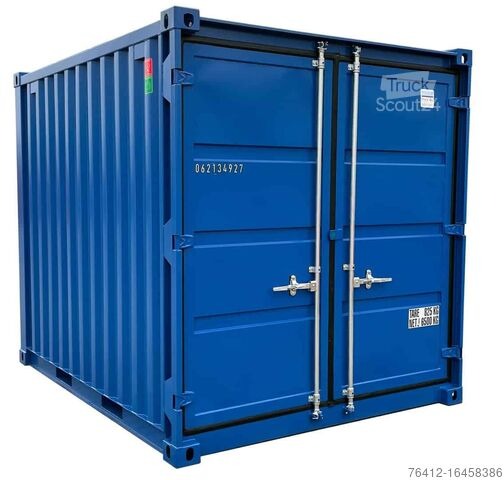
Everything You Need to Know About Container Ship Containers
When you picture a massive cargo vessel slicing through the ocean, the first thing that likely comes to mind is the endless rows of steel boxes stacked from bow to stern. Those “boxes” are container ship containers, the workhorses of modern trade that make it possible to move billions of dollars of goods across the globe every single day.
If you’re a logistics professional, a ship‑owner in training, or just a curious reader who wants to understand how these containers shape the world’s supply chains, this guide is for you. We’ll walk you through the different container types, their dimensions, how they’re loaded and secured, the regulations that govern them, and what the future may hold. Throughout, you’ll find handy tables, bullet‑point lists, and a quick FAQ to keep the information digestible and actionable.
1. Why Containers Matter to You
- Speed & Efficiency – A single container can be transferred from a ship to a train, truck, or even an aircraft in a matter of hours, not days.
- Standardization – Thanks to the International Organization for Standardization (ISO), a 40‑foot container built in Shanghai fits perfectly on a vessel leaving Rotterdam and a truck in Kansas City.
- Security – Containers are sealed with high‑security locks, reducing theft and damage.
- Cost Savings – Bulk handling reduces labor and handling costs dramatically, lowering the price of the goods you receive.
Understanding how containers work gives you the power to optimize routes, negotiate better freight terms, and anticipate potential bottlene‑downs before they affect your supply chain.
2. The Core Family of Containers
Below is a quick reference that most shipping lines, ports, and freight forwarders use. All dimensions listed are external measurements (length × width × height) unless otherwise noted.
| Code | Common Name | External Size (mm) | Internal Volume (m³) | Typical Use |
|---|---|---|---|---|
| 20GP | 20‑foot General Purpose (Dry) | 6,058 × 2,438 × 2,591 | 33.1 | General cargo, pallets, boxes |
| 40GP | 40‑foot General Purpose (Dry) | 12,192 × 2,438 × 2,591 | 67.7 | Larger pallets, machinery parts |
| 40HQ | 40‑foot High Cube (Dry) | 12,192 × 2,438 × 2,896 | 76.3 | Light but bulky cargo (e.g., furniture) |
| 45HQ | 45‑foot High Cube (Dry) | 13,716 × 2,438 × 2,896 | 86.0 | Oversized bulk cargo, high‑value electronics |
| 20RF | 20‑foot Refrigerated (Reefer) | 6,058 × 2,438 × 2,591 | 28.0 | Perishables – fruits, meat, pharmaceuticals |
| 40RF | 40‑foot Refrigerated (Reefer) | 12,192 × 2,438 × 2,591 | 56.0 | Large frozen or chilled shipments |
| 20OT | 20‑foot Open Top | 6,058 × 2,438 × 2,591 | 31.6 | Over‑height cargo (e.g., pipes, steel coils) |
| 40OT | 40‑foot Open Top | 12,192 × 2,438 × 2,591 | 61.0 | Large machinery, timber |
| 20FR | 20‑foot Flat Rack | 6,058 × 2,438 × 1,200* | 28.5 | Heavy, irregular loads (e.g., vehicles, containers) |
| 40FR | 40‑foot Flat Rack | 12,192 × 2,438 × 1,200* | 56.0 | Oversized project cargo |
*Flat‑rack height is measured to the deck; the container essentially has no side walls.
Key Takeaways
- Length matters: 20‑foot containers hold roughly half the volume of a 40‑foot unit, but they’re lighter and easier to handle in congested ports.
- Height matters: High‑cube containers give you an extra 30 cm (≈ 12 in) of internal height—useful for low‑density cargo.
- Specialized types: Refrigerated (reefer) containers have built‑in cooling units, open‑top containers accommodate cargo that must be loaded from above, and flat‑rack containers are perfect for oversized items that don’t fit in standard walls.
3. How Containers Get Onto a Ship
3.1 The Stowage Planning Process
- Pre‑arrival data exchange – Before the vessel reaches the port, you (or your freight forwarder) submit a Cargo Manifest that lists container numbers, sizes, weight, hazardous‑material codes, and destination.
- Stowage software – The ship’s planner uses algorithms (e.g., Navis, Tideworks) to generate a Stowage Plan that maximizes stability, minimizes reshuffling, and respects dangerous‑goods segregation.
- Load‑order sequence – Containers bound for the same discharge port are grouped in “blocks.” The ones nearest the ship’s hatch are usually loaded last (so they can be off‑loaded first).
3.2 Physical Loading
| Step | Action | Who’s Involved |
|---|---|---|
| 1 | Quay crane lifts container from the yard | Crane operator, terminal supervisor |
| 2 | Container is positioned over the hatch | Crane operator |
| 3 | Twist‑lock engages with the ship’s deck frame | Crane operator, deck crew |
| 4 | Lashing & securing (if required) | Deck crew, lashing supervisor |
| 5 | Verification in the ship’s stowage plan | Chief Officer (C/O) |
Modern container terminals use automated guided vehicles (AGVs) and rail‑mounted gantry cranes that can move a 40‑foot container at 30 m/min, drastically reducing turnaround time.
4. Regulations & Safety Standards You Must Follow
| Regulation | Issuing Body | Main Requirement | Impact on Your Operations |
|---|---|---|---|
| SOLAS (Safety of Life at Sea) | IMO | Fire‑resistant materials, emergency egress, proper lashing | Must ensure containers are correctly secured to prevent shift in heavy seas |
| MARPOL Annex VI | IMO | Emissions caps for ship engines, zero‑sulphur fuel | Affects routing decisions and fuel budgeting |
| ISM Code (International Safety Management) | IMO | Safety management system, crew training | Requires documented procedures for container handling |
| IEC 60092‑2 (Electrical Installations) | IEC | Electrical safety for refrigerated containers | Prevents power‑failure incidents on reefer units |
| IMDG Code (Dangerous Goods) | IMO | Segregation, labeling, stowage limits for hazardous cargo | Critical for avoiding chemical reactions or explosions |
What you should do:
- Keep a digital copy of each container’s certificate (e.g., CSC – Convention for Safe Containers).
- Use a container tracking platform that alerts you if a container exceeds its weight limit (over‑weight containers can destabilize a vessel).
- Conduct routine visual inspections before loading; look for dents, rust, or broken twist‑locks.
5. Economic Impact – Why the Numbers Matter
| Metric | Global Approximation (2023) | Relevance to You |
|---|---|---|
| Total TEU (Twenty‑Foot Equivalent Units) moved annually | 23.5 million TEU | Indicates market capacity and potential volume for your shipments |
| Average container freight cost (port‑to‑port) | $1,800 – $2,500 per 40‑ft container (varies by lane) | Helps you budget and benchmark freight quotes |
| Container utilization rate on a typical vessel | 85 % (by weight) | Higher utilization reduces per‑unit cost; you can request full‑container loads (FCL) to benefit |
| Port turnaround time (average) | 10–12 hours per vessel | Faster turnaround = less demurrage risk for you |
Understanding these figures gives you a leveraged position when negotiating with carriers: you can point to market trends, demand better rates, or shift to less congested routes during peak seasons.
6. Emerging Trends You Should Keep an Eye On
- Smart Containers – Equipped with IoT sensors (temperature, humidity, vibration, GPS). They transmit real‑time data to a cloud platform, enabling you to monitor condition and location throughout the journey.
- Zero‑Emission Vessels – LNG, hydrogen, and battery‑electric propulsion are being trialed. By 2030, the IMO aims to cut total CO₂ emissions from ships by at least 40 %.
- Modular Container‑Based Housing – Post‑pandemic, some shipbuilders are converting containers into temporary housing or offices for disaster‑relief missions—an ancillary market you might tap into.
- AI‑Driven Stowage Optimization – Machine‑learning models predict the optimal stack pattern based on weather forecasts, reducing re‑handling and fuel consumption.
7. Quick‑Reference Checklist (For When You Book a Shipment)
- Identify container type needed (20GP, 40HQ, 20RF, etc.).
- Verify container CSC plate – ensure it’s not older than 12 years and has a valid safety certificate.
- Confirm weight – do not exceed the vessel’s per‑container limit (usually 30 t for a 40‑ft dry container).
- Check dangerous‑goods codes if applicable – file the IMDG declaration early.
- Ask for a pre‑load stowage plan – ensures your container is placed for easy discharge.
- Arrange for proper lashing if you carry oversized or heavy cargo.
- Schedule a post‑delivery inspection – note any damage for claims.
8. Frequently Asked Questions (FAQ)
Q1: What does “TEU” stand for and why is it important?
Answer: TEU means Twenty‑Foot Equivalent Unit, the standard unit for measuring containerized cargo capacity. A 40‑foot container equals 2 TEU. Knowing TEU helps you compare vessel sizes, port throughput, and freight rates on a common scale.
Q2: Can I use a 20‑foot container for a 40‑foot cargo that’s lightweight?
Answer: No. The container’s internal length is fixed; you cannot stretch it. If the cargo exceeds 20 ft in length, you must choose a 40‑ft container or split the load across two 20‑ft units.
Q3: How are refrigerated containers powered while at sea?
Answer: Reefer containers have built‑in compressor units that draw electricity from the ship’s power grid via a reefer plug on the deck. On land, they connect to a pre‑cooling unit at the terminal. Some modern reefers also have battery backup for short‑term power loss.
Q4: What is a “twist‑lock” and why should I care?
Answer: A twist‑lock is a standardized locking mechanism that secures a container to the ship’s deck frame. It ensures the container cannot shift during heavy seas. If a twist‑lock is damaged, the container can become a safety hazard and may be refused loading.
Q5: Are there any size limits for containers on a vessel?
Answer: Yes. Most modern containerships can accommodate up to 45 ft high‑cube containers (45HQ). However, the ship’s bunkering plan and port infrastructure (e.g., crane outreach) may impose stricter limits, especially on older vessels or smaller ports.
Q6: How do I claim damage if a container arrives dented?
Answer: Follow these steps:
- Take photographs of the damage immediately upon receipt.
- Record the container number, seal number, and any visible defects.
- File a damage claim with the carrier within the notice period (usually 7 days).
- Retain all documentation (bill of lading, inspection report, photos) for customs and insurance purposes.
Q7: Is it cheaper to ship a full container load (FCL) or less‑than‑container load (LCL)?
Answer: Generally, FCL is more cost‑effective per unit weight because the carrier can optimize stowage. LCL may be cheaper for very small shipments, but you’ll pay additional handling and consolidation fees. Evaluate based on the total volume and urgency of your cargo.
9. Final Thoughts – Turning Knowledge Into Advantage
You now have a solid toolbox of information about container ship containers: from their exact dimensions and special variants to the regulations that keep cargo safe at sea, and the economics that drive freight rates.
When you select the right container type, verify its certification, and work closely with carriers on stowage plans, you reduce the risk of costly delays, damage, or compliance breaches. Moreover, staying ahead of emerging trends—smart sensors, AI‑driven loading, and greener vessels—positions you to capitalize on efficiency gains and sustainability incentives that many shippers are already chasing.
In a world where global trade moves at the speed of a container ship, being container‑savvy isn’t just a nice‑to‑have; it’s a competitive necessity. Use the tables, checklists, and FAQ in this post as your quick reference, and you’ll navigate the complex seas of container logistics with confidence.
Happy shipping!