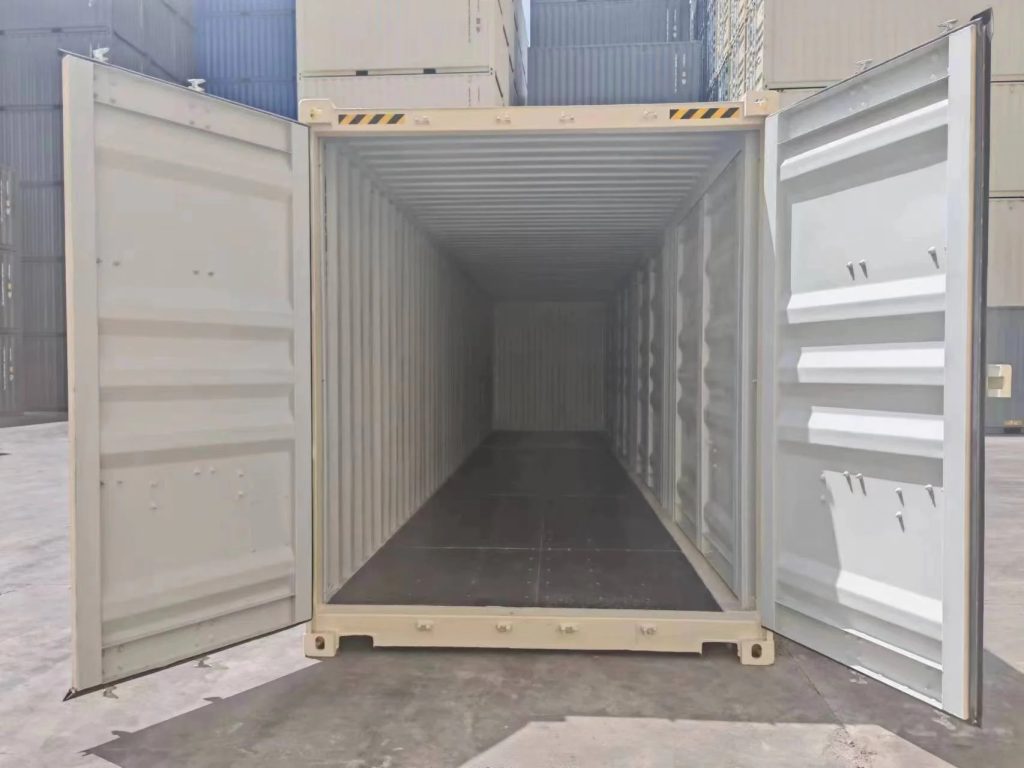
Container Small Homes: Your Friendly Guide to Living Large in a Little Box
If you’ve ever dreamed of a tiny house that’s affordable, eco‑friendly, and instantly Instagram‑ready, chances are you’ve already stumbled across the buzz around container small homes. Those sleek, steel boxes that once shipped cars, furniture, and even bananas across the globe are now being reinvented as cozy, stylish dwellings.
In this post you’ll discover everything you need to know to decide whether a container home is right for you—from budgeting and design tricks to the legal hoops you’ll need to jump through. Grab a cup of coffee, settle into your favorite chair, and let’s explore the world of living large in a little box.
1. Why a Container Home?
| Reason | What It Means for You | Quick Win |
|---|---|---|
| Affordability | A used 40‑foot shipping container can cost as little as $1,500–$3,000, far cheaper than a traditional foundation. | Start by sourcing a local container from a port or logistics company. |
| Speed of Construction | With a pre‑fabricated steel shell, interior walls and utilities can be installed in weeks rather than months. | Hire a modular builder who already works with containers. |
| Durability | Steel is rust‑resistant (when treated) and can withstand extreme weather, pests, and fire. | Add a protective undercoat and you’ll have a home that lasts 50+ years. |
| Mobility | If you love the road, many container homes sit on a trailer chassis and can be relocated (with permits). | Choose a “tiny on wheels” design for flexibility. |
| Eco‑Friendly | Reusing a container reduces steel waste and requires fewer raw materials than building from scratch. | Pair the home with solar panels for a net‑zero footprint. |
These advantages make the container an attractive canvas for anyone who values budget, speed, and sustainability. But before you picture yourself sipping tea in a steel loft, let’s dive into the nuts and bolts of the design process.
2. Picking the Right Container
Shipping containers come in a few standard sizes. Here’s a quick comparison to help you decide which will fit your lifestyle and plot of land.
| Container Size | Approx. Interior Sq ft* | Typical Cost (Used) | Ideal For |
|---|---|---|---|
| 20‑foot (Standard) | 115 sq ft | $1,500–$2,500 | Studio‑style micro‑apartment or guest house |
| 40‑foot (Standard) | 240 sq ft | $2,500–$4,500 | One‑bedroom layout, office‑home hybrid |
| 45‑foot (High‑cube) | 280 sq ft | $3,000–$5,500 | Open‑plan living with loft space |
| 53‑foot (High‑cube) | 340 sq ft | $4,000–$7,000 | Small family unit or two‑bedroom design |
*Interior square footage assumes a typical 8‑ft interior height and no interior walls cutting the space.
Tip: If you’re planning a two‑story home, you can stack two 40‑foot containers and still keep the overall footprint modest.
3. Designing Your Dream Container Home
3.1 Layout Fundamentals
- Open‑Plan Living – Remove the container’s side doors and install a large sliding glass wall to bring in natural light.
- Zoning Zones – Split the interior into “public” (kitchen + living) and “private” (bedroom + bathroom) sections using lightweight stud walls.
- Loft Space – If your container is high‑cube (9.5 ft tall), consider a loft bedroom that leaves the lower floor for communal space.
3.2 Insulation & Comfort
| Insulation Type | R‑Value (per inch) | Pros | Cons |
|---|---|---|---|
| Spray Foam | 6–7 | Excellent air seal, high R‑value, adds structural strength | Higher cost, requires professional installation |
| Rigid Foam Board | 4–5 | Easy DIY, moisture resistant | Needs careful sealing at seams |
| Batt Insulation (fiberglass) | 3–4 | Affordable, DIY-friendly | Prone to moisture, lower R‑value |
Pro tip: Pair spray foam on the exterior with a thin layer of rigid foam inside for the best thermal performance without sacrificing interior space.
3.3 Utilities Made Simple
- Electrical – Run conduit from a nearby power pole or install a solar+battery system. Most container homes use a 120/240 V split‑phase panel.
- Plumbing – Locate the bathroom and kitchen along a single exterior wall; this lets you tap into a single water line and drainage pipe, minimizing trench work.
- Ventilation – Install a heat‑recovery ventilator (HRV) to keep fresh air circulating while preserving heat in winter.
3.4 Finishing Touches
- Flooring – Vinyl planks, engineered wood, or polished concrete all work well over a steel subfloor.
- Walls – Drywall, plywood panels, or reclaimed wood create a warm, homey feel.
- Exterior Cladding – Add a thin layer of cedar siding or fiber‑cement panels to soften the industrial look and boost weather resistance.
4. The Legal Side: Permits & Zoning
Before you order that glossy steel box, make sure the land you’ve chosen allows a container home. Here’s a quick checklist:
- Zoning Verification – Contact your city’s planning department to confirm that “accessory dwelling units” (ADUs) or “tiny homes” are permitted.
- Building Permit – Most municipalities require a permit that includes structural, electrical, and plumbing plans.
- Setback Requirements – Containers often need to sit a certain distance from property lines (e.g., 5 ft front, 10 ft side).
- Energy Codes – Some regions enforce insulation and energy‑efficiency standards; be ready to show compliance.
Quick win: Work with a local architect or a specialized container‑home builder who already knows the paperwork. They can often fast‑track approvals.
5. Budget Breakdown: From Container to Cozy
Below is a sample budget for a 40‑foot container home with a modest finish. Numbers are averages for the United States in 2024; adjust for local labor and material costs.
| Item | Approx. Cost | Notes |
|---|---|---|
| Used 40‑ft container | $2,800 | Includes delivery to site |
| Foundation (concrete pier) | $1,500 | Minimal footprint, easy to install |
| Insulation (spray foam) | $3,200 | 2‑inch thickness, covers walls & roof |
| Interior framing & drywall | $2,400 | Includes lumber & labor |
| Kitchen cabinets & appliances | $4,000 | Basic but functional |
| Bathroom fixtures | $2,200 | Toilet, shower, vanity |
| Electrical & lighting | $2,500 | Panel, wiring, fixtures |
| Plumbing & fixtures | $1,800 | Pipes, water heater |
| Flooring (vinyl planks) | $1,200 | 240 sq ft |
| Exterior cladding (cedar) | $1,300 | Adds curb appeal |
| Solar panel system (3 kW) | $6,500 | Includes inverter & battery |
| Total Approx. | $30,000 | + contingency (10‑15%) |
With a modest budget of $30–$35 k, you can move into a fully functional, stylish container home. Add a contingency fund for unexpected expenses (e.g., site grading, utility hookups).
6. Real‑World Inspiration: 5 Container Home Ideas You Can Replicate
- The Studio Loft – A single 20‑foot container turned into a studio with a fold‑down murphy bed, a compact kitchen, and a skylight for natural light.
- The Two‑Story Family Nest – Stack two 40‑foot containers; ground floor houses kitchen/dining, second floor is a bedroom loft with a small bathroom.
- The Mobile Office – Attach a 40‑foot container to a trailer, install large glass doors, and add a rooftop deck for client meetings on the go.
- The Eco‑Cabin – Pair a 45‑foot high‑cube container with a green roof, rainwater harvesting, and a composting toilet for an off‑grid retreat.
- The Urban ADU – Convert a 40‑foot container into an accessory dwelling unit behind a larger house, complete with a private patio and bike storage.
Feel free to mix and match these ideas—container homes are incredibly adaptable!
7. Frequently Asked Questions (FAQ)
Q1: How long does it take to build a container home?
Typically 6–12 weeks from foundation to finishing, assuming you have permits and the supply chain is smooth.
Q2: Will the steel rust?
If the container is properly weather‑sealed, coated, and you add external cladding or a rust‑inhibiting paint, corrosion is minimal. Regular inspections (once a year) keep it in top shape.
Q3: Can I add windows without compromising structural integrity?
Yes. Most containers have pre‑engineered “cut‑out” sections for doors and windows. If you need a custom opening, a structural engineer will reinforce the surrounding steel with brackets or additional framing.
Q4: How do I insulate a metal box without condensation?
Combine spray foam insulation (which creates an airtight barrier) with a vapor barrier on the interior. Proper ventilation (HRV or exhaust fans) prevents moisture buildup.
Q5: Are container homes resale‑friendly?
Absolutely—especially as the tiny‑home market expands. A well‑finished container home can appreciate similarly to a conventional small house, provided the location is desirable and the build complies with local codes.
Q6: Do I need a foundation?
Most jurisdictions require a permanent foundation, even if it’s a simple concrete pier or slab. Mobile “tiny on wheels” units have a different set of regulations.
Q7: Can I expand later?
Yes! Containers can be stacked, placed side‑by‑side, or even linked with a “connector” container to create larger floor plans as your needs evolve.
Q8: What’s the best way to finance a container home?
Many owners use personal savings, a home‑equity line of credit (HELOC), or a construction loan. Some lenders now offer “tiny home” loan products—check with local credit unions.
Q9: How sustainable are container homes compared to traditional builds?
Reusing a container saves up to 1,000 tons of steel from entering the waste stream. Coupled with renewable energy and water‑saving fixtures, the overall carbon footprint can be 30‑50 % lower than a conventional home of similar size.
Q10: Do I need a professional architect?
While DIY designs are possible, a qualified architect or engineer ensures compliance with building codes, structural integrity, and efficient use of space—especially if you’re planning a multi‑container layout.
8. Quick‑Start Checklist
| Step | Action | Deadline |
|---|---|---|
| 1 | Research local zoning & permits | 1‑2 weeks |
| 2 | Source a container (inspect for damage) | 2‑3 weeks |
| 3 | Choose a design (studio, loft, ADU) | 1‑2 weeks |
| 4 | Get a structural engineer’s sign‑off (if cutting openings) | 1 week |
| 5 | Secure financing / budget | 1‑2 weeks |
| 6 | Hire a builder or plan DIY timeline | 2 weeks |
| 7 | Order materials (insulation, windows, fixtures) | 1‑2 weeks |
| 8 | Begin construction (foundation → interior finish) | 6‑12 weeks |
| 9 | Final inspection & certificate of occupancy | 1 week |
| 10 | Move in & celebrate! 🎉 | Immediately after inspection |
Print this list, post it on your fridge, and tick each box as you go. Before you know it, you’ll be turning the key on a home that’s as unique as your personality.
9. Final Thoughts: Is a Container Small Home Right for You?
You’ve now seen the financial, design, and practical side of container living. If you’re someone who values:
- Creativity – You love turning a raw steel box into a chic sanctuary.
- Efficiency – You want to reduce construction waste and stay within a tight budget.
- Flexibility – You may move again in a few years or need extra space in the future.
…then a container small home could be your perfect match.
Remember, the biggest part of any home‑building journey is taking the first step. Whether you start by browsing local container listings, sketching a floor plan on a napkin, or chatting with a tiny‑home builder, you’re already on your way to living large in a little box.
Happy building, and may your future container home be filled with sunshine, laughter, and the satisfying hum of a well‑insulated steel structure!
Ready to start? Download our free “Container Home Starter Kit” (includes a printable budget template, design worksheet, and a list of reputable suppliers) by clicking the button below.
[Download My Starter Kit] (link placeholder)