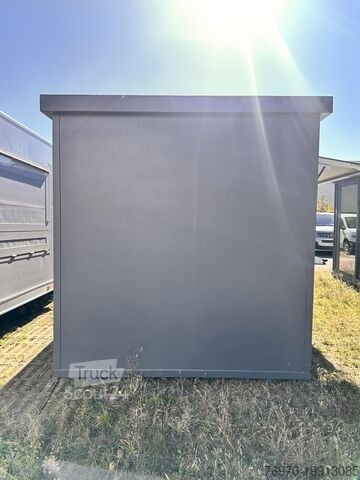
Container Storage for Sale: The Complete Guide You Need to Make the Right Choice
When you’re looking for a flexible, durable, and affordable way to store goods, tools, equipment, or even to create a tiny‑home office, container storage quickly climbs to the top of the shortlist. But with a flood of options on the market—different sizes, materials, and price points—it can feel overwhelming. This guide walks you through everything you need to know, step by step, so you can confidently decide which container storage solution is right for you and where to buy it.
1. Why Containers Are a Smart Storage Solution
| Benefit | What It Means for You |
|---|---|
| Durability | Made of steel or aluminum, containers resist weather, pests, and vandalism. |
| Portability | You can move a container on a flatbed truck, trailer, or even a forklift. |
| Scalability | Start with a single unit and add more as your storage needs grow. |
| Security | Lockable doors, optional CCTV, and reinforced walls keep items safe. |
| Cost‑Effective | One‑time purchase eliminates recurring rental fees. |
| Multi‑Purpose | Use as a workshop, office, pop‑up shop, or even a tiny home with modifications. |
| Quick Installation | No foundation or building permits in many jurisdictions. |
If you’ve ever struggled with a leaky garage, a cluttered shed, or an expensive warehouse lease, these advantages will immediately resonate.
2. Types of Container Storage Available for Sale
| Container Type | Typical Dimensions (L × W × H) | Material | Key Features | Typical Price Range (USD) |
|---|---|---|---|---|
| Standard 20‑ft Dry Container | 20 ft × 8 ft × 8.5 ft | Corten steel | Basic storage, lockable doors, weather‑tight | $2,000 – $3,500 |
| Standard 40‑ft Dry Container | 40 ft × 8 ft × 8.5 ft | Corten steel | Double the space, ideal for larger inventories | $3,500 – $5,500 |
| High‑Cube 40‑ft Container | 40 ft × 8 ft × 9.5 ft | Corten steel | Extra 1 ft of height for tall items | $4,200 – $6,200 |
| Cold‑Storage (Reefer) Container | 20 ft or 40 ft | Insulated steel + refrigeration unit | Temperature‑controlled for perishables | $8,000 – $12,000 |
| Open‑Top Container | 20 ft or 40 ft | Steel frame + removable tarpaulin | Easy loading of oversized cargo | $2,300 – $4,000 |
| Flat‑Rack Container | 20 ft or 40 ft | Steel frame + collapsible sides | Perfect for heavy machinery and lumber | $2,800 – $4,500 |
| Modified/Custom Container | Any size (usually 20‑ft or 40‑ft base) | Steel + interior fit‑outs (shelves, windows, HVAC) | Turned into office, workshop, retail pop‑up | $5,000 – $15,000+ |
Tip: If you’re buying primarily for personal storage (tools, seasonal items, garden equipment), a Standard 20‑ft Dry Container is usually the most cost‑effective choice. For business inventory or a small workshop, consider a 40‑ft High‑Cube for the extra headroom.
3. How to Choose the Right Container for Your Needs
3.1 Assess Your Space Requirements
- Make a quick inventory – List the items you need to store and approximate their volume.
- Calculate cubic footage – Multiply length × width × height of each item and add a safety margin of 15‑20 %.
- Match to container size – Use the table above to find the smallest container that meets or exceeds your total cubic footage.
3.2 Consider Environmental Factors
- Weather exposure – If you live in a coastal area with salty air, look for containers with galvanized interiors or a protective coating.
- Temperature sensitivity – For perishable goods, a Reefer container is mandatory.
- Site ground condition – Concrete pads are ideal, but many owners place containers on compacted gravel.
3.3 Security & Accessibility
- Locks – Choose containers that support C‑type padlocks or electronic locks.
- Lighting – Adding solar‑powered LED strips can deter theft.
- Access points – If you need to load items from the side, an Open‑Top or Flat‑Rack may be more convenient.
3.4 Budget & Financing
| Budget Tier | Recommended Container | Why It Fits |
|---|---|---|
| $2,000 – $3,500 | 20‑ft Dry | Lowest entry cost, solid for personal use. |
| $3,500 – $5,500 | 40‑ft Dry | More space without a massive price jump. |
| $5,500 – $8,000 | 40‑ft High‑Cube or Modified | Extra height or interior fit‑outs for workshops. |
| $8,000+ | Reefer or Custom Build | Specialized needs (temperature control, office conversion). |
Many sellers offer lease‑to‑own or financing options. If cash flow is a concern, consider a 30‑day payment plan that spreads the cost over 12‑24 months.
4. Where to Buy Container Storage
| Channel | Pros | Cons | Typical Lead Time |
|---|---|---|---|
| Online Marketplaces (e.g., eBay, Amazon) | Wide price comparison, customer reviews. | Variable condition, shipping fees may be high. | 1–3 weeks (depends on seller location). |
| Specialized Container Dealers (e.g., ContainerOne, SeaBox) | New & refurbished options, warranties, delivery service. | Slightly higher base price. | 3–7 days for in‑stock units, 2–4 weeks for custom builds. |
| Local Port or Yard Auctions | Often the cheapest for used containers. | Requires inspection, limited warranty, transport logistics. | Same‑day to 1 week, depending on auction schedule. |
| Manufacturers (e.g., MSC, Maersk) | Brand‑new containers, guarantee of structural integrity. | Minimum order quantity may apply, higher cost. | 2–6 weeks (production + delivery). |
| Classified Ads / Facebook Marketplace | Quick local pickup, opportunity to negotiate. | Risk of hidden damage, no formal warranty. | Immediate to 1 week. |
Quick tip: Always ask the seller for a condition report (including dent count, rust grade, door functionality) before finalizing the purchase.
5. Step‑by‑Step Checklist: Buying a Container in 2025
- Define your purpose – storage, workshop, office, etc.
- Calculate required volume – use the cubic footage formula.
- Select container type – refer to the comparison table.
- Set a budget – include delivery, site preparation, and optional modifications.
- Research reputable sellers – read reviews, request quotes, compare warranties.
- Inspect (or ask for photos/video) – look for dents, rust, door alignment, and floor condition.
- Negotiate price & terms – ask about free delivery, discount on bulk orders, or financing.
- Arrange site preparation – level ground, drainage, and any required permits.
- Schedule delivery – confirm date, unloading equipment (forklift, crane).
- Finalize paperwork – sales contract, receipt, and warranty documents.
- Fit‑out (if needed) – add shelving, lighting, HVAC, or security systems.
- Load and enjoy – keep an inventory log for insurance purposes.
6. Frequently Asked Questions (FAQ)
Q1. How long does a steel container last?
A: With proper maintenance, a standard steel container can survive 20‑30 years or more. Regularly inspect for rust, seal any cracks, and keep the roof clear of debris.
Q2. Do I need a building permit to place a container on my property?
A: It varies by jurisdiction. In many U.S. states, a container is considered personal property and may not require a permit if placed on a private driveway. However, if you intend to use it as a permanent structure (office, dwelling), you’ll likely need zoning approval and a building permit.
Q3. Can I stack containers on top of each other?
A: Yes, containers are engineered for stacking up to nine units high in a shipping yard. For private use, stacking two or three containers is common, but you’ll need a reinforced foundation and professional rigging.
Q4. What’s the difference between a “new” and “refurbished” container?
A: New containers are factory‑fresh, meeting International Organization for Standardization (ISO) specs. Refurbished units have been inspected, repaired, and repainted; they often come with a limited warranty (6‑12 months) and are 30‑40 % cheaper.
Q5. How do I protect a container from condensation inside?
A: Install ventilation panels or a small dehumidifier. Adding insulation (spray foam or panel) and using a weather‑seal kit on doors reduces moisture buildup.
Q6. Can I modify a container to add windows or doors?
A: Absolutely. Most vendors offer customization packages that include cutting openings, installing insulated glass, and reinforcing the frame. Keep in mind that modifications may affect the container’s structural rating and insurance classification.
Q7. What financing options are typical?
A: Many dealers provide 0‑% APR for 12 months, monthly installment plans, or lease‑to‑own agreements. Credit unions and equipment financing companies also offer loans specifically for storage units.
Q8. How much does delivery cost?
A: Delivery fees depend on distance, container size, and access difficulty. Expect $200‑$500 for local deliveries within 50 miles, and $0.50‑$1.00 per mile for longer hauls. Some sellers include free delivery for orders over a certain amount (e.g., $5,000).
7. Real‑World Use Cases – Inspiration for Your New Container
| Industry / Need | Container Solution | Outcome |
|---|---|---|
| Construction Company | 40‑ft High‑Cube with built‑in shelving | On‑site tool storage reduced truck trips by 30 %. |
| Urban Retail Pop‑Up | Modified 20‑ft container with glass façade | 2‑week seasonal shop generated $15k revenue in a parking lot. |
| Farmers Market Vendor | Open‑Top container with zip‑up tarp | Quick loading of produce crates, protected from rain. |
| Homeowner (DIY Enthusiast) | 20‑ft Dry container placed in backyard, fitted with workbench & LED lights | Created a weather‑proof garage for power tools, saving $2,200 on a conventional garage build. |
| Pharmaceutical Distributor | Reefer 40‑ft container with temperature monitoring | Maintained cold chain compliance for vaccine shipments. |
These examples illustrate the versatility of container storage. Whatever your scenario, a container can be adapted to fit.
8. Final Thoughts – Take Action Today
You now have a clear roadmap: understand your volume, pick the right type, set a realistic budget, and source from a reputable seller. By investing in a container storage unit, you’re not just buying a metal box—you’re gaining flexibility, security, and long‑term savings that traditional storage solutions can’t match.
Ready to start?
- Grab a tape measure and list your items.
- Use the table above to pick a size.
- Visit three reputable dealers (online or locally) for quotes.
- Place your order, arrange delivery, and start loading.
When that sturdy steel door swings open for the first time, you’ll feel the satisfaction of a smart purchase that will serve you for years to come. Happy storing!