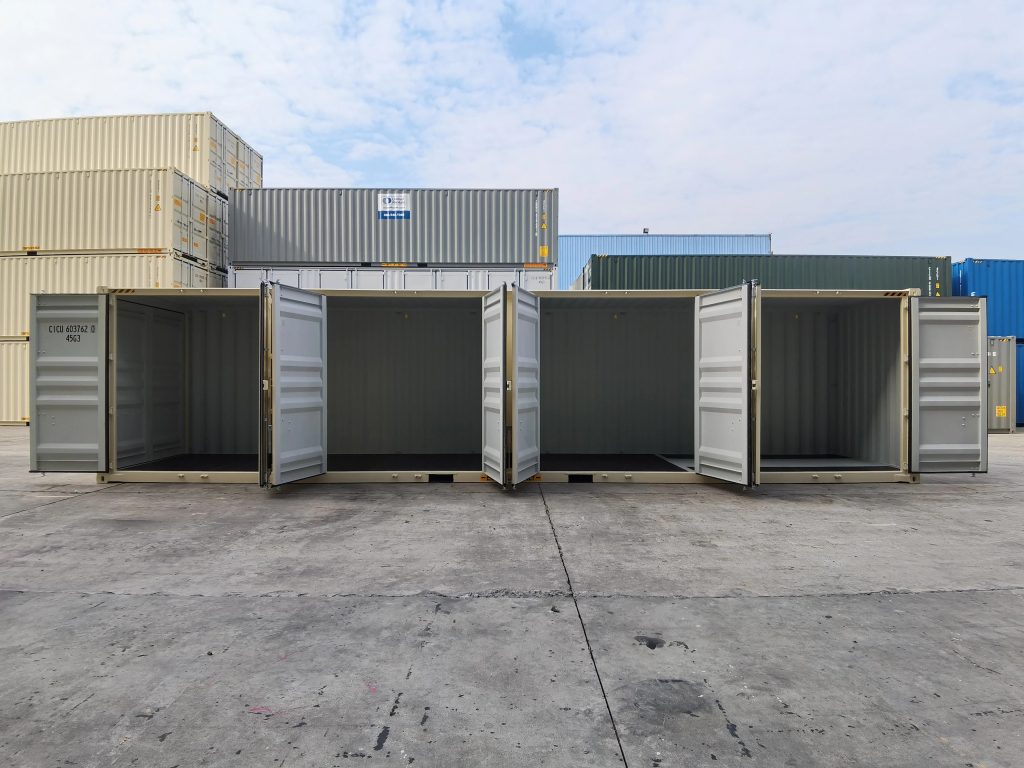
The Real Deal on Container Storage Prices – What You Need to Know
If you’ve ever stared at a spreadsheet full of numbers for a logistics project, you know that container storage pricing can feel like a maze. The good news? You don’t have to wander around blind. In this post we’ll break down every element that makes up a container‑storage rate, compare the most common storage options, and give you a cheat‑sheet of tips to keep your budget in check. By the end you’ll be able to read a price quote, ask the right questions, and negotiate like a pro.
1. Why Container Storage Costs Vary So Much
| Factor | How It Impacts Price | Typical Range (USD) |
|---|---|---|
| Container Size | Larger containers occupy more floor space and weigh more, so they cost more to store. | 20‑ft: $15‑$30 /day 40‑ft: $25‑$45 /day |
| Location | Prime ports (e.g., Los Angeles, Rotterdam) charge higher rates than inland yards. | Port yard: $30‑$60 /day Inland depot: $10‑$25 /day |
| Length of Stay | Most facilities apply a daily rate, but many offer discounts after a 30‑day threshold. | 1‑30 days: full rate 31‑90 days: 5‑10 % discount 90+ days: 15‑20 % discount |
| Seasonality | Peak import/export seasons (Sept‑Dec) push rates up; off‑peak months can be cheaper. | +10‑20 % during peak |
| Security & Services | Adding CCTV, gated access, or climate control inflates the price. | Basic: included Premium services: +$5‑$15 /day |
| Ownership vs. Leasing | Owning a container means you pay only storage; leasing includes equipment fees. | Ownership: storage only Leasing: storage + lease (often bundled) |
| Handling Fees | Loading/unloading, repositioning, or inspection fees are often tacked on. | $30‑$100 per move |
By understanding each of these drivers, you’ll be able to spot the “low‑ball” offers that hide extra fees later on.
2. Where Can You Store a Container?
| Storage Type | Pros | Cons | Typical Cost (per 20‑ft container) |
|---|---|---|---|
| Port Yard | Immediate proximity to ships; fast turnaround for imports/exports. | Congested, high traffic, higher security fees. | $30‑$60 /day |
| Inland Depot / Warehouse | Lower rates, flexible lease terms, easy ground‑transport access. | Extra trucking cost if you need to move the container to/from the port. | $15‑$35 /day |
| Private Ground (your own lot) | Full control, no third‑party fees, can be combined with other assets. | Requires land, permits, and security investments. | $10‑$25 /day (plus capital costs) |
| Cold‑Storage Facility | Ideal for temperature‑sensitive goods (pharma, food). | Highest cost, limited availability. | $45‑$80 /day |
| Shared Container Park (e.g., Flexi‑Yard) | Pay‑as‑you‑go, usually includes basic security and administrative support. | May have restrictions on container type or height. | $20‑$40 /day |
Quick tip: If your cargo isn’t time‑critical, shifting the container to an inland depot after clearing customs can save you up to 40 % on storage fees.
3. How Pricing Models Work
Most providers use a per‑day rate, but you’ll also encounter other structures:
- Flat‑Rate Monthly – A set amount for a calendar month, often with a minimum stay. Great if you know you’ll need the container for a while.
- Tiered Discount – The longer you stay, the lower the daily price. Look for a “30‑day rule” in the contract.
- Pay‑Per‑Use – You pay only for the exact days the container occupies space (including weekends). Handy for short‑term projects.
- Bundled Services – Some yards combine storage, handling, and paperwork into one bundle, simplifying invoicing but sometimes inflating the price.
When you receive a quote, ask the provider to break down the cost into base storage, service add‑ons, and taxes/fees. A transparent invoice makes it easier to compare apples to apples.
4. Hidden Costs You Must Watch Out For
| Hidden Cost | Why It Appears | How to Avoid / Mitigate |
|---|---|---|
| Demurrage | Charges for exceeding the free‑storage period (often 5‑7 days after arrival). | Pre‑negotiate a longer free‑storage window or schedule truck‑out early. |
| Detention | Penalty for holding a container beyond the agreed release time (usually when you’re still loading/unloading). | Coordinate loading/unloading teams in advance; consider a “detention waiver” clause. |
| Gate Fees | Each entry/exit through a secured yard may be billed. | Consolidate movements; request a bulk‑gate pass. |
| Administrative/Documentation Fees | Paperwork for customs, inspection, or release. | Ask if digital filing can waive the fee; some carriers waive it for volume customers. |
| Insurance Surcharge | Extra premium for high‑value cargo stored long‑term. | Verify if your own cargo insurance covers storage; avoid duplicate coverage. |
| Late Payment Penalties | Interest added if you miss a payment deadline. | Set up automated payments or negotiate a grace period. |
Keeping a checklist of these items will help you spot red flags before you sign the contract.
5. Practical Ways to Lower Your Container Storage Bill
- Plan the Release Date Early – Work backward from your delivery schedule, and lock in a container release date at least a week before you need it.
- Bundle Services – If you need loading, sealing, and storage, ask for a bundled rate; providers often shave 5‑10 % off the total.
- Leverage Off‑Peak Discounts – Schedule inbound shipments during quieter months (e.g., February‑April for many Asian ports).
- Negotiate a Tiered Discount – Even a modest 5 % discount after 30 days can add up to $150‑$250 saved per container per month.
- Use a Third‑Party Logistics (3PL) Partner – 3PLs often have volume‑based contracts with yards and can pass the savings onto you.
- Consider a “Container Pool” – If you run multiple projects, sharing a pool of containers across sites reduces idle days and associated storage costs.
- Audit Your Invoices Monthly – Spot duplicate charges (e.g., two gate fees for the same entry) and dispute them promptly.
6. Real‑World Example: How a Small Importer Saved $800
Background – A boutique furniture importer in Seattle imported 10‑ft containers of reclaimed wood from Vietnam. The initial quote from the port yard was $55/day per 20‑ft container with a 5‑day free‑storage window.
Steps Taken
| Action | Result |
|---|---|
| Negotiated a 7‑day free‑storage period (instead of 5) | Saved 2 days × $55 × 10 containers = $1,100 |
| Moved containers to an inland depot after customs clearance (cost $12/day) | Reduced daily rate by $43 × 30 days = $1,290 saved |
| Consolidated gate entries into a single “bulk pass” (fee reduced from $15 per entry to $5) | Saved $10 × 2 entries per container × 10 = $200 |
| Requested a 30‑day tiered discount (5 % off after day 30) | Additional $2‑$3 per day for the remaining 20 days = $250 saved |
| Total Savings | $2,840 over a 60‑day period (≈ $284 per container) |
The lesson? Small negotiation points add up fast, especially when multiplied across multiple containers.
7. Frequently Asked Questions (FAQ)
Q1: What is the difference between demurrage and detention?
Demurrage is charged when a container stays in a port or yard beyond the free‑storage period. Detention applies when you keep the container after it’s been released for loading/unloading. Both are penalties for “late” usage, but they happen at different stages of the supply chain.
Q2: Can I store a refrigerated container (reefers) in a regular yard?
Technically you can, but you’ll lose temperature control, risking spoilage. For perishable goods, always choose a facility that offers cold‑storage or a powered berth specially designed for reefers.
Q3: How do I calculate the total cost for a 40‑ft container stored for 45 days?
- Find the daily rate (e.g., $35/day).
- Multiply by the number of days: 45 × $35 = $1,575.
- Apply any tiered discount (e.g., 5 % after 30 days). Discount = 15 days × $35 × 0.05 = $26.25.
- Total = $1,575 – $26.25 = $1,548.75 (plus any extra fees).
Q4: Are there any “free‑storage” promotions I should look for?
Yes. Some yards offer a free‑storage window (usually 3‑7 days) for first‑time customers or for containers that arrive on a specific carrier. Ask your freight forwarder to check for promotions tied to carrier agreements (e.g., Maersk or MSC).
Q5: Should I pay for a longer rental term upfront to lock in lower rates?
If you’re confident the container will be needed for the full period, a pre‑paid monthly contract often yields a 10‑15 % discount. However, avoid over‑committing if market conditions or demand could change.
Q6: How does customs clearance affect storage costs?
Customs clearance typically triggers the start of the free‑storage window. Delays in paperwork can extend the period you’re paying demurrage. Ensure all documents (Bill of Lading, Commercial Invoice, Packing List) are submitted promptly.
Q7: What insurance coverage do I need for stored containers?
A cargo insurance policy that includes “storage” as an extension is ideal. Verify that the policy covers theft, fire, and weather damage while the container sits in a yard. Some terminal operators also offer optional “yard insurance” for an extra fee.
8. Bottom Line: Turn Prices into Leverage
You don’t have to accept the first figure you see on a storage quote. By dissecting each cost component, scouting for off‑peak discounts, and negotiating tiered rates, you can shrink your container storage bill dramatically. Keep a spreadsheet of every container, its arrival date, daily rate, and any discounts applied. Review it monthly, and you’ll spot trends, negotiate better terms, and avoid unnecessary fees.
Remember: knowledge is power—the more you know about the factors that influence container storage pricing, the stronger your bargaining position becomes. So the next time you get a quote, pull out this guide, ask the right questions, and walk away with a price that makes sense for your business.
Happy shipping, and may your containers spend less time idle and more time delivering value!