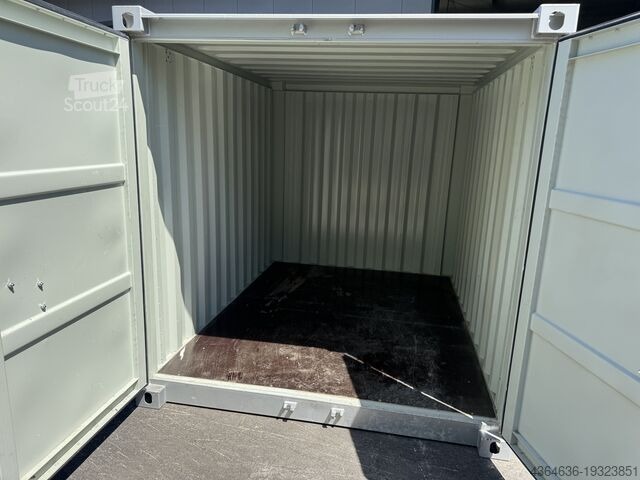
Your Complete Guide to Finding a “Container to Rent Near Me”
When you need extra storage, a temporary workspace, or a portable solution for a construction site, renting a shipping container can be a game‑changer. You may have typed “container to rent near me” into a search engine and been bombarded with dozens of results—some vague, some overwhelming. This post walks you through everything you need to know in plain, actionable language, so you can confidently pick the right container, secure a local provider, and get the most value for your money.
1. Why Rent a Container Instead of Buying One?
| Benefit | Explanation |
|---|---|
| Lower upfront cost | Renting eliminates the large capital outlay of purchasing a 20‑ft or 40‑ft container (which can cost $2,500–$5,000). |
| Flexibility | Rental periods range from a single day to several years, letting you scale up or down as your project evolves. |
| Maintenance handled | The rental company is responsible for repairs, rust prevention, and cleaning—so you focus on your work, not the container’s condition. |
| Immediate availability | Local providers often have inventory ready to be delivered within 24–48 hours. |
| Tax advantages | Rental fees can be deducted as a business expense, whereas owning may require depreciation accounting. |
If any of these points line up with your goals, a rental is likely the smarter route.
2. Types of Containers You Can Rent
| Container Type | Typical Size(s) | Common Uses | Key Features |
|---|---|---|---|
| Standard Dry Container | 20 ft (≈1,170 lb) • 40 ft (≈2,340 lb) | Storing tools, equipment, inventory | Weather‑resistant steel, lockable doors, ISO‑standard dimensions |
| High‑Cube Dry Container | 40 ft (≈2,700 lb) | Extra‑tall inventory, bulk materials | 9.5 ft interior height (vs. 8.5 ft) |
| Refrigerated (Reefer) Container | 20 ft • 40 ft | Perishable goods, medical supplies | Integrated cooling unit, temperature control (2–8 °C typical) |
| Open‑Top Container | 20 ft • 40 ft | Oversized loads, timber, machinery | Removable tarpaulin roof, crane access |
| Flat‑Rack Container | 20 ft • 40 ft | Heavy machinery, vehicles | Collapsible sides, easy loading from any angle |
| Office/Workshop Container | 20 ft • 40 ft (customized) | Site offices, workshops, pop‑up retail | Insulated walls, electrical wiring, HVAC options |
| Specialty Containers | Varies | Hazardous material storage, mobile labs | Custom certifications, venting, internal shelving |
Pro tip: If you’re unsure whether you need a standard dry container or something more specialized, start with a quick list of the items you’ll store. Size and access requirements usually point you to the right type.
3. How to Locate a “Container to Rent Near Me”
Step‑by‑Step Search Strategy
- Google the Exact Phrase
Type “container to rent near me” plus your city or ZIP code (e.g., “container to rent near 30303”). Google will show a map of local providers and a “Local Pack” of top results. - Check Business Listings
Look at Google My Business profiles, Yelp, and the Better Business Bureau. Pay close attention to:- ★★★★★ rating
- Number of reviews (≥ 20 is a good sign)
- Recent customer comments about delivery timeliness and container condition.
- Visit Company Websites
Most reputable rental companies post an online inventory with photos, dimensions, and rental rates. Some even let you reserve a container directly online. - Call for a Quote
Even if you have pricing online, call the provider to discuss:- Delivery distance and fees
- Minimum rental period
- Insurance requirements
- Optional accessories (e.g., lockboxes, shelving, HVAC)
- Ask About Local Regulations
Many municipalities require a permit for placing a container on a public street or sidewalk. Your rental company often handles the paperwork, but confirm before you sign. - Compare at Least Three Options
Use the comparison table below to track the critical factors for each provider.
Quick Comparison Table (Example)
| Provider | Container Types | Delivery Radius | Base Daily Rate (20 ft) | Delivery Fee | Permit Assistance |
|---|---|---|---|---|---|
| Metro Containers | Dry, High‑Cube, Office | 50 mi | $30 | $50 (within 30 mi) | Yes (extra $15) |
| RapidRent | Dry, Open‑Top, Reefer | 75 mi | $28 | $75 (any distance) | No |
| CityBox Rentals | Dry, High‑Cube, Flat‑Rack | 30 mi | $32 | $40 (within 30 mi) | Yes (included) |
Tip: The “Base Daily Rate” often drops dramatically when you rent a weekly or monthly package. Ask for a long‑term discount if you anticipate keeping the container for more than a month.
4. Pricing Anatomy – What You’re Actually Paying For
| Cost Component | Typical Range | What It Covers |
|---|---|---|
| Rental Fee | $20‑$45 per day (20 ft) • $35‑$70 per day (40 ft) | Use of the container itself |
| Delivery & Pickup | $30‑$150 (depends on distance) | Transport to/from your site |
| Deposit / Security | $100‑$300 (refundable) | Protection against damage or loss |
| Permit Fees | $0‑$50 (city dependent) | Legal permission to place container |
| Insurance | $5‑$15 per day (optional) | Liability and cargo coverage |
| Accessories | $10‑$50 per item (e.g., lockbox, shelving) | Added convenience or customization |
| Long‑Term Discount | 10%‑25% off monthly rate | Savings for rentals ≥ 30 days |
When you add everything up, a 30‑day rental of a 40‑ft dry container in a mid‑size city typically costs $1,200‑$1,700, inclusive of delivery and a basic permit. Always ask for an itemized quote so you can see where savings can be made.
5. Key Considerations Before Signing a Rental Agreement
- Condition Checklist
- Rust or dents?
- Door hinges functioning?
- Floor integrity (no cracks).
- Cleanliness (especially for food‑grade or medical containers).
Ask the provider for a pre‑delivery inspection report.
- Access & Placement
- Verify that the delivery truck can navigate to your site (check driveway width, turning radius).
- Ensure the ground is level; uneven terrain may need a paver slab.
- Security
- Choose a lock with a high‑security rating (e.g., ISO 9001).
- Consider adding a cable lock or surveillance camera if the container will be unsupervised.
- Ventilation & Temperature
- For tools that can rust, you might need a vented container.
- For perishables, confirm the reefer’s temperature range and schedule regular maintenance.
- End‑of‑Rental Options
- Can you extend the contract without penalty?
- Is there a buy‑out option if you decide you need the container permanently?
6. Real‑World Use Cases: When Renting Beats Buying
| Scenario | Why Renting Wins |
|---|---|
| Short‑Term Construction Project (4 weeks) | No long‑term asset, lower cash outflow, easy return after site cleanup. |
| Seasonal Retail Pop‑up | Flexibility to relocate, quick set‑up, no storage after the season ends. |
| Emergency Flood Relief | Instant deployment of refrigerated units for medical supplies. |
| Home Renovation Storage | Use a 20‑ft container for a few months, then return it when the work is done. |
| Event Management (Concert, Festival) | Portable office & ticketing hub, can be moved to next venue. |
7. Frequently Asked Questions (FAQ)
Q1: How long does delivery usually take?
Answer: Most local providers can deliver within 24‑48 hours after you confirm the reservation, assuming the site is accessible and permits are in place.
Q2: Do I need insurance for a rented container?
Answer: While not always mandatory, insurance is highly recommended. It protects you against loss, theft, or damage to the container and its contents. Many rental companies offer a daily insurance add‑on for as little as $5‑$15.
Q3: Can I modify the interior (add shelves, lighting, etc.)?
Answer: Yes, most companies allow customization as long as you return the container in its original condition. Some offer pre‑fitted options (e.g., office conversion) at an extra cost.
Q4: What happens if the container gets damaged during my rental?
Answer: You’ll be held responsible for any damage beyond normal wear and tear. The security deposit usually covers minor repairs; larger damages may be billed to you.
Q5: Are there any hidden fees I should watch out for?
Answer: Common hidden costs include:
- Late pickup fees (usually a daily rate).
- Excess mileage if the delivery distance exceeds the quoted range.
- Permit renewal for rentals extending beyond the original permit’s validity.
Always read the fine print and ask for clarification.
Q6: Can I rent a container for a one‑day event?
Answer: Absolutely! Many providers have a daily rate and can drop off and pick up the same day, though a short‑notice surcharge may apply.
Q7: How do I know the container meets local building codes?
Answer: Reputable rental companies conform to ISO 668 standards for dimensions and ISO 1496 for structural integrity. Ask for their compliance certificates, especially if you intend to use the container as an office or workshop.
8. Checklist: Your “Container to Rent Near Me” Action Plan
| ✅ Task | 📋 Details |
|---|---|
| Define purpose | List what you’ll store or how you’ll use the container. |
| Measure space | Ensure the drop‑off site can accommodate the container dimensions plus clearance. |
| Search local providers | Use Google + city name, check Google Maps “Local Pack”. |
| Collect 3+ quotes | Document rates, fees, and conditions in a table. |
| Verify permits | Confirm if your city requires a permit and whether the provider handles it. |
| Inspect condition | Request a pre‑delivery photo checklist; note any existing damage. |
| Secure insurance | Add coverage if not included. |
| Plan delivery logistics | Confirm date, time, and any site preparation needed. |
| Set up security | Choose lock, optional alarm, or CCTV. |
| Schedule pick‑up | Arrange final pickup date before the rental expires. |
Follow this list and you’ll avoid surprise costs, delays, or compliance headaches.
9. Final Thoughts: Making the Most of Your Rental
Renting a container near you isn’t just about finding the cheapest price; it’s about matching the right container type, size, and service level to your specific project. By:
- Doing a focused search with location keywords,
- Comparing providers side‑by‑side,
- Understanding the true cost components, and
- Checking off the practical checklist above,
you’ll secure a container that protects your assets, keeps your workflow smooth, and stays within budget.
Ready to start? Open a new browser tab, type “container to rent near [Your City]”, and let the data guide you to a reliable local partner. Happy renting!