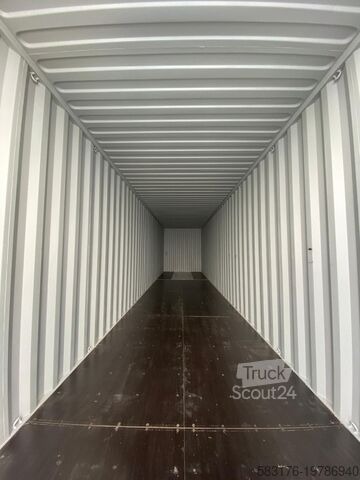
Containers for Hire – The Complete Guide for Your Business or Project
Whether you’re managing a construction site, stocking seasonal inventory, or simply need extra storage while you declutter, hiring a container can be the most flexible, cost‑effective solution. In this guide you’ll learn everything you need to know to choose, rent, and make the most of a container – from the different types available to pricing structures, legal considerations, and practical tips for day‑to‑day use.
Quick takeaway: Hiring a container gives you the space you need only when you need it, without the upfront capital outlay or long‑term maintenance of ownership.
1. Why Hire a Container?
| Benefit | What it means for you |
|---|---|
| Cash‑flow friendly | Pay a predictable monthly fee instead of a large one‑time purchase. |
| Scalability | Add or downsize containers as your project evolves. |
| No maintenance headache | The provider handles cleaning, repairs, and compliance. |
| Mobility | Containers can be delivered, relocated, or retrieved when you’re done. |
| Security | Steel construction, lockable doors, and optional CCTV integration keep your assets safe. |
If any of these points resonate with your current challenges, hiring a container could be the answer.
2. Types of Containers You Can Hire
| Container Type | Typical Dimensions (L × W × H) | Best For |
|---|---|---|
| Standard Dry Box | 20 ft (6 m) × 8 ft × 8.5 ft ; 40 ft (12 m) × 8 ft × 8.5 ft | General storage of tools, equipment, or inventory. |
| High‑Cube Box | 40 ft × 8 ft × 9.5 ft | Larger volume without increasing footprint – great for bulky goods. |
| Refrigerated (Reefer) | 20 ft × 8 ft × 8.5 ft (commonly) | Perishable items, pharmaceuticals, or temperature‑sensitive parts. |
| Open‑Top Container | 20 ft × 8 ft × 8.5 ft (top removable) | Over‑height loads such as pipes, timber, or machinery. |
| Flat‑Rack | 20 ft × 8 ft × 4 ft (no walls) | Heavy machinery, vehicles, or oversized cargo. |
| Specialty (e.g., hazardous, office pod) | Varies | Storing chemicals, creating onsite office space, or modular workshops. |
Tip: If you’re unsure which type fits your needs, start by measuring the largest item you’ll store and add 10 % clearance for easy loading/unloading.
3. Choosing the Right Size
A common mistake is hiring a container that’s either too small (leading to frequent trips back to the depot) or unnecessarily large (inflating rental costs). Follow these three steps:
- Create an inventory list – write down each item, its dimensions, and how many you need to store.
- Calculate total volume – multiply length × width × height for each item, then sum the results.
- Add a safety buffer – 15–20 % extra space accounts for packaging, pallets, and future growth.
Example:
| Item | Quantity | Length (ft) | Width (ft) | Height (ft) | Volume per item (cu ft) | Total volume (cu ft) |
|---|---|---|---|---|---|---|
| Steel beams | 10 | 6 | 1 | 0.5 | 3 | 30 |
| Pallet of bricks | 5 | 4 | 4 | 5 | 80 | 400 |
| Subtotal | 430 | |||||
| Buffer (20 %) | 516 |
A 40‑ft high‑cube container (≈ 2,720 cu ft) would more than cover this need, while a 20‑ft standard box (≈ 1,170 cu ft) would be insufficient.
4. Rental Models – Which One Fits Your Timeline?
| Model | Duration | Typical Use‑Case | Pros | Cons |
|---|---|---|---|---|
| Short‑Term (daily/weekly) | 1 day – 4 weeks | Pop‑up events, emergency storage | High flexibility, low commitment | Higher per‑day cost |
| Mid‑Term (monthly) | 1 – 12 months | Construction phases, seasonal inventory | Balanced cost, easy budgeting | Still a recurring expense |
| Long‑Term (annual +) | 12 months+ | Ongoing warehouse overflow, remote site offices | Lowest unit cost, possible purchase option | Longer commitment, may need re‑evaluation later |
Most container‑hire companies offer volume discounts for longer contracts, so if you anticipate needing storage for a year or more, negotiate an annual rate.
5. Pricing Snapshot – What to Expect
Below is a typical price range for the most common container types in the United States (prices vary by region, supplier, and optional services).
| Container | Monthly Rental | Delivery & Pickup (One‑off) | Optional Add‑Ons |
|---|---|---|---|
| 20‑ft Dry Box | $120 – $180 | $70 – $120 | Insurance $15/mo, Lock upgrade $20/mo |
| 40‑ft Dry Box | $190 – $260 | $90 – $150 | Same as above |
| 40‑ft High‑Cube | $210 – $280 | $100 – $160 | Same as above |
| 20‑ft Reefer | $300 – $420 | $120 – $180 | Temperature monitoring $30/mo |
| Open‑Top (20 ft) | $150 – $210 | $80 – $130 | Crane loading service $50/day |
| Flat‑Rack (20 ft) | $130 – $190 | $75 – $125 | Heavy‑lift handling $60/day |
Note: Many providers include a basic level of insurance and a lock in the base price; always verify what’s covered before signing a contract.
6. Benefits of Renting vs. Buying
| Aspect | Renting | Buying |
|---|---|---|
| Up‑front Capital | Minimal – only deposit & delivery | Large – full purchase price |
| Maintenance | Provider handles cleaning, repairs | Owner responsible |
| Flexibility | Resize fleet anytime | Stuck with fixed asset |
| Depreciation & Resale | No worries | Asset loses value over time |
| Tax Treatment | Rental expense is fully deductible | Capital expenditure, requires depreciation schedule |
If you only need storage for a specific project, the rental model almost always wins on cost‑effectiveness.
7. How to Hire a Container – Step‑by‑Step
- Define Your Requirements
- Size, type, and any special features (ventilation, temperature control).
- Get Multiple Quotes
- Request a written estimate that breaks down rental, delivery, and optional services.
- Check Compliance
- Verify that the provider adheres to local zoning, fire codes, and permits for on‑site placement.
- Read the Contract Carefully
- Look for clauses on early termination, damage liability, and insurance coverage.
- Schedule Delivery
- Provide clear site instructions – ground conditions, access routes, and any crane requirements.
- Set Up the Container
- Install shelving, lighting, or security devices if needed.
- Monitor Usage
- Keep a log of inventory, inspect for damage weekly, and report any issues to the provider promptly.
- Return or Extend
- When the rental period ends, choose to either return the container, renew the contract, or discuss a purchase option if available.
8. Practical Tips to Get the Most Out of Your Rental
- Label everything – use barcode stickers or a simple spreadsheet to track what’s inside; you’ll save time during audits.
- Use pallets – they protect the floor of the container, improve airflow, and make forklifts or pallet jacks possible.
- Secure the doors – even a sturdy lock can be bypassed if the hinges are weak; consider adding a hasp or a secondary lock.
- Mind the weight limit – most 20‑ft containers have a maximum payload of ~55,000 lb; overloading can cause structural damage and void insurance.
- Plan for ventilation – for non‑reefer containers storing chemicals or damp items, install vent kits to prevent condensation.
- Schedule regular cleaning – a quick sweep every month prevents pest infestations and keeps the interior from becoming a health hazard.
9. Frequently Asked Questions
| Question | Answer |
|---|---|
| How long does delivery take? | Most providers can deliver within 3–5 business days after contract signing, depending on location and container availability. |
| Do I need a permit to place a container on my property? | It varies by municipality. Many cities require a temporary storage permit or zoning approval; ask your supplier to assist with paperwork. |
| What happens if the container is damaged while on my site? | Liability is usually defined in the rental agreement. Most contracts hold the renter responsible for damage beyond normal wear, but many providers include optional damage insurance for peace of mind. |
| Can I modify the interior (add shelves, lighting)? | Yes, as long as modifications are removable and do not damage the container’s structure. Some providers offer pre‑fitted interior kits for an extra fee. |
| Is there a minimum rental period? | Most companies require at least a 30‑day minimum for standard dry boxes; short‑term rentals (daily/weekly) are typically available for specialized containers like reefer or open‑top. |
| How is the rental price calculated? | Usually a flat monthly fee plus one‑time delivery/pickup charges. Some suppliers charge based on container volume or weight of the stored goods. |
| Can I purchase the container after renting? | Many rental firms allow a “rent‑to‑own” option, where a portion of the rental fee is credited toward a purchase price if you decide to buy before the contract ends. |
| What if I need more than one container? | Bulk discounts often apply for multiple units. Some providers also offer “container farms” where you can lease a whole yard of containers at a reduced per‑container rate. |
| Are there environmental considerations? | Re‑using containers is environmentally friendly; however, ensure the provider recycles or properly disposes of any damaged units. |
10. Final Thoughts
Hiring a container gives you flexibility, cost control, and peace of mind—all essential ingredients for a smoothly run project or business operation. By assessing your space needs, selecting the right container type, and partnering with a reputable provider, you’ll avoid the pitfalls of over‑paying, under‑utilizing, or dealing with maintenance headaches.
Remember: the best container solution is the one that grows with you. Start small, track usage, and scale up when the data tells you it’s time. With the right strategy, a container can become more than just a metal box; it can be the silent workhorse that keeps your inventory organized, your equipment safe, and your deadlines met.
Ready to get started? Reach out to at least three local container‑hire companies, request quotes, and compare them using the table template above. Your next project will thank you.
Happy storing!