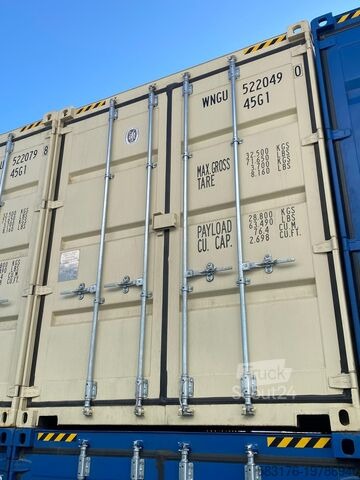
20‑Foot Shipping Containers for Sale: What You Need to Know Before You Buy
If you’re looking for a compact, rugged, and versatile storage solution, a 20‑foot shipping container is often the first product that pops up on the market. Whether you’re a small‑business owner, a DIY‑enthusiast, or a property developer, the 20‑ft container can become the backbone of your logistics, on‑site storage, or even a pop‑up shop.
In this guide we’ll walk you through everything you need to consider before you click “add to cart.” You’ll learn about the different container types, key specifications, price ranges, inspection tips, and the best places to source a quality unit. By the end, you’ll have a clear roadmap for turning a simple metal box into a functional asset for your business or personal project.
1. Why a 20‑Foot Container Might Be the Right Choice for You
| Feature | Benefit to You |
|---|---|
| Footprint | At 20 ft long (≈ 6.1 m) the container occupies less ground space than a 40‑ft unit, making it ideal for tight lot sizes or urban back‑yards. |
| Portability | Weighing about 2,200 kg empty, it can be lifted by a standard 40‑ton crane and transported on a flatbed truck without special permits in most jurisdictions. |
| Standardization | Built to ISO 668 standards, it fits seamlessly into global supply chains, rail cars, and container ships. |
| Versatility | Can be used for storage, office space, workshops, pop‑up retail, or even a tiny home after conversion. |
| Durability | Made from Corten steel, it resists corrosion and can withstand harsh weather for decades. |
| Security | Comes with lockable doors and optional CCTV or alarm systems, giving you peace of mind for high‑value inventory. |
If any of those bullet points solve a problem you have—whether it’s a shortage of warehouse space or a need for a mobile showroom—the 20‑ft container deserves a closer look.
2. Types of 20‑Foot Containers You Can Buy
| Container Type | Typical Use Cases | Key Characteristics |
|---|---|---|
| Dry (Standard) Container | General cargo, on‑site storage, office conversion | Weather‑tight, 2 doors, 12 mm Corten steel walls, max payload 28 t |
| High‑Cube Dry Container | Extra‑tall inventory, equipment, taller internal setups | Interior height 9 ft 6 in (2.9 m) vs. 8 ft 6 in (2.6 m) for standard |
| Refrigerated (Reefer) Container | Perishable goods, medical supplies, temperature‑sensitive equipment | Integrated cooling unit, insulated walls, temperature range –30 °C to +30 °C |
| Open‑Top Container | Oversized cargo, timber, machinery | Removable tarpaulin roof, reinforced frame, side hinges |
| Flat‑Rack Container | Heavy or bulky items (e.g., steel coils, vehicles) | Collapsible sides, reinforced frame, can be loaded from top or sides |
| Ventilated (Vent) Container | Agricultural produce, chemicals needing airflow | Louvered side panels, enhanced ventilation |
| Modified/Custom Container | Pop‑up shops, tiny homes, mobile labs | Interior partition walls, windows, electrical wiring, HVAC options |
When you browse “containers for sale 20ft,” the listings will often default to the standard dry model. However, understanding your exact requirements early on will save you time (and money) by preventing a purchase that later needs costly modifications.
3. Core Specifications You Should Check
Below is a quick reference table summarizing the most common dimensions and load capacities. Use it as a checklist when you compare different sellers.
| Specification | Standard Dry (20 ft) | High‑Cube Dry (20 ft) | Reefer (20 ft) |
|---|---|---|---|
| External Length | 20 ft 0 in (6,058 mm) | 20 ft 0 in (6,058 mm) | 20 ft 0 in (6,058 mm) |
| External Width | 8 ft 0 in (2,438 mm) | 8 ft 0 in (2,438 mm) | 8 ft 0 in (2,438 mm) |
| External Height | 8 ft 6 in (2,591 mm) | 9 ft 6 in (2,896 mm) | 8 ft 6 in (2,591 mm) |
| Internal Length | 19 ft 4 in (5,900 mm) | 19 ft 4 in (5,900 mm) | 19 ft 4 in (5,900 mm) |
| Internal Width | 7 ft 8 in (2,352 mm) | 7 ft 8 in (2,352 mm) | 7 ft 8 in (2,352 mm) |
| Internal Height | 7 ft 10 in (2,390 mm) | 8 ft 10 in (2,695 mm) | 7 ft 10 in (2,390 mm) |
| Maximum Gross Weight | 30 t (66,140 lb) | 30 t (66,140 lb) | 30 t (66,140 lb) |
| Maximum Payload | 28 t (61,730 lb) | 28 t (61,730 lb) | 28 t (61,730 lb) |
| Door Opening | 7 ft 8 in × 7 ft 5 in (2,340 mm × 2,260 mm) | Same | Same |
| ISO Rating | ISO 668, CSC (Convention on Stowage) | ISO 668, CSC | ISO 668, CSC, IEC 60884 (Reefer) |
Pro tip: If you plan to stack containers (e.g., two 20‑ft units on a pallet rack), verify that the seller’s units are “twist‑lock certified” and can safely bear the weight of another container on top.
4. How to Choose the Right 20‑Foot Container for Your Project
- Define the Primary Use – Is the container for static storage, a mobile workshop, or a climate‑controlled environment?
- Assess Load Requirements – Calculate the total weight of the items you’ll store. Keep the payload well below the maximum to avoid structural strain.
- Check Clearance & Site Access – Measure doorways, driveway widths, and any overhead obstacles (e.g., low bridges).
- Decide on Modifications Early – If you need windows, electrical wiring, or interior partitions, request a “pre‑modified” unit from the supplier rather than retrofitting later.
- Budget for Delivery – Some sellers quote a price “ex‑works,” meaning you’ll need to arrange transport and possibly a crane. Others offer “door‑to‑door” delivery for an extra fee. Compare both options.
5. Where to Buy a 20‑Foot Container
| Channel | Advantages | Potential Drawbacks |
|---|---|---|
| Dedicated Container Dealers (e.g., ContainerSupply, BigBox Containers) | Wide inventory, warranties, financing options, professional inspection reports. | Slightly higher price due to added services. |
| Online Marketplaces (eBay, Alibaba, Marketplace‑specific sites) | Competitive pricing, ability to source internationally, bulk discounts. | Varying quality, limited post‑sale support, possible customs fees. |
| Local Port or Freight Forwarder Auctions | Access to “used but good‑condition” containers at bargain rates. | Requires inspection expertise, may need refurbishment. |
| Rental Companies (e.g., PODS, Mobile Mini) that also sell | Known condition, often recent maintenance records. | Limited selection of high‑cube or specialty units. |
| Direct from Shipping Lines (Maersk, Hapag‑Lloyd) | Brand new containers, traceable manufacturing data. | Usually the most expensive option, long lead times. |
When you see a listing titled “containers for sale 20ft,” always request a Condition Report that includes:
- External and internal photographs.
- Year of manufacture and last inspection date.
- Details on any dents, rust spots, or repairs.
- Certification of CSC compliance.
6. Price Guide – What to Expect
Below is a snapshot of typical price ranges in the United States as of 2025. Prices fluctuate based on market demand, steel prices, and location.
| Container Type | New (USD) | Used – Good Condition (USD) | Used – Refurbished (USD) |
|---|---|---|---|
| Standard Dry (20 ft) | $2,800 – $3,600 | $1,800 – $2,500 | $2,300 – $2,900 |
| High‑Cube Dry (20 ft) | $3,200 – $4,000 | $2,200 – $2,800 | $2,700 – $3,300 |
| Reefer (20 ft) | $8,500 – $10,500 | $5,500 – $7,200 | $6,500 – $8,000 |
| Open‑Top (20 ft) | $3,500 – $4,200 | $2,200 – $2,900 | $2,800 – $3,400 |
| Flat‑Rack (20 ft) | $4,000 – $5,000 | $2,700 – $3,500 | $3,200 – $4,200 |
Factors influencing price
- Age – Containers built after 2015 command a premium because of newer steel alloys.
- Location – Shipping a container across the country adds $500‑$1,200 in transport fees.
- Demand spikes – During peak e‑commerce seasons, prices can jump 10‑15 %.
- Customization – Pre‑installed doors, HVAC, or electrical panels raise the cost by 12‑20 %.
7. Inspection Checklist – Don’t Sign Until You Verify
- Exterior Condition
- Look for rust patches larger than 2 in².
- Check for dents or deformations that could compromise structural integrity.
- Verify that the corner castings are intact and not cracked.
- Door Functionality
- Open/close both doors smoothly.
- Inspect weather‑stripping for tears or missing sections.
- Ensure locks engage fully and the hasp is undamaged.
- Interior Cleanliness
- No residual cargo debris (oil, chemicals, wood).
- Walls and floor should be free of holes or severe rust.
- Flooring
- Most 20‑ft containers have a 1‑inch thick wood floor. Check for splintered or warped planks.
- Documentation
- Request a CSC (Convention on Stowage of Containers) Card confirming the container is fit for transport.
- Verify the ISO 668 code is printed on the container’s side.
- Structural Integrity – If possible, have a qualified inspector perform a non‑destructive test (NDT) on the welds.
8. Maintaining Your 20‑Foot Container
Keeping a container in top shape extends its life far beyond the typical 10‑year warranty period. Below are three easy‑to‑follow maintenance actions:
| Task | Frequency | How to Perform |
|---|---|---|
| Wash Exterior | Quarterly (or after heavy rain) | Use a pressure washer with mild detergent; avoid abrasive brushes that could damage the Corten finish. |
| Lubricate Hinges & Locks | Every 6 months | Apply a silicone‑based spray to all moving parts; wipe away excess to prevent rust buildup. |
| Inspect Roof & Floor | Annually, preferably before winter | Look for water pooling, rust spots, or floor swelling; repair small cracks with epoxy filler and rust‑inhibitor paint. |
| Check for Pest Intrusion | Bi‑monthly | Place sticky traps near doors and vents; seal any small gaps with silicone sealant. |
| Re‑paint (if necessary) | Every 5–7 years | Use marine‑grade epoxy primer followed by industrial enamel; this adds a protective barrier against corrosion. |
9. Frequently Asked Questions (FAQ)
Q1: Can I stack two 20‑ft containers on top of each other?
A: Yes, provided the containers are certified for stacking (look for the “twist‑lock” rating). The bottom unit must be in good structural condition and placed on a level, reinforced surface.
Q2: How long does delivery usually take?
A: For domestic purchases, delivery ranges from 3–7 business days after payment, assuming the container is in stock and the delivery address is within a 200‑mile radius. International shipments can take 2–4 weeks, depending on customs clearance.
Q3: Are there financing options for buying a container?
A: Many dealers offer lease‑to‑own plans or short‑term loans through partnered financial institutions. Interest rates typically range from 3.5 % to 7 % APR, with terms of 12–36 months.
Q4: What is the difference between a “dry” and a “high‑cube” container?
A: The high‑cube has an extra foot of interior height (9 ft 6 in vs. 8 ft 6 in), giving you roughly 20 % more volume. It’s ideal if you need to store tall equipment or install shelving units.
Q5: Can I use a container as a living space?
A: Absolutely. After proper insulation, ventilation, electrical wiring, and interior finishing, a 20‑ft container can serve as a tiny house, studio, or office. Check local zoning regulations before converting.
Q6: Is it cheaper to buy a used container or a new one?
A: Used containers are generally 30‑40 % less expensive, but factor in potential refurbishment costs. A well‑maintained used unit with a CSC card can be a cost‑effective alternative for most storage needs.
Q7: Does the container come with a warranty?
A: New containers typically include a 1‑year structural warranty covering defects in steel or manufacturing. Some dealers extend this to 2–3 years for an additional fee.
Q8: How do I secure a container on my property?
A: Install ground anchors or a concrete slab, use heavy‑duty lock cylinders, and consider a perimeter fence or surveillance cameras for added security.
10. Final Thoughts – Make the Right Purchase Today
A 20‑foot shipping container is more than a metal box; it’s a flexible platform that can be tailored to meet storage, commercial, or residential demands. By understanding the different container types, checking the key specifications, and performing a thorough inspection, you’ll avoid costly surprises and get a unit that serves you for years to come.
Remember to:
- Define your objective before you start shopping.
- Request complete documentation (CSC card, condition report).
- Compare prices across multiple channels and factor in delivery.
- Plan for maintenance to keep the container in peak condition.
Armed with this information, you’re ready to browse the market, negotiate with sellers, and confidently select the perfect 20‑ft container for your needs. Happy hunting!