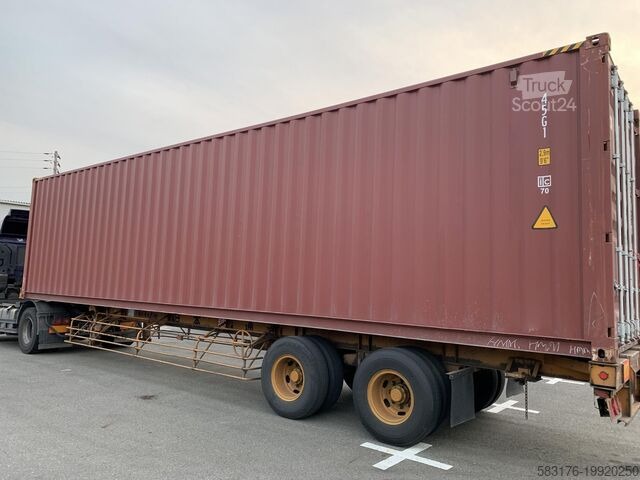
The Ultimate Guide to Buying a Container: What You Need to Know Before You Click “Add to Cart”
If you’ve ever scrolled through endless listings of “containers for sale” and felt overwhelmed, you’re not alone. Whether you need a steel box for storage, a mobile office for a construction site, or a full‑size container to start a pop‑up shop, the choices can be dizzying. This guide walks you through every important decision point, gives you a quick‑look comparison table, and answers the most common questions so you can make a confident purchase.
1. Why Buy a Container?
You might be wondering: “Do I really need a container, or can I just rent one?”
- Ownership = Flexibility – Once the container is yours, you can move it, modify it, or repurpose it whenever you like, without worrying about rental contracts or mileage fees.
- Cost‑Effective Over Time – A one‑time purchase often works out cheaper than weekly or monthly rentals, especially if you need the container for more than six months.
- Customization – You can add doors, windows, insulation, HVAC, shelving, or even turn it into a tiny home. Rental units rarely allow permanent alterations.
If any of those benefits line up with your needs, buying is likely the smarter route.
2. The Main Types of Containers on the Market
| Container Type | Typical Dimensions (L × W × H) | Load Capacity (kg) | Common Uses | Approx. Price Range* |
|---|---|---|---|---|
| Standard 20‑ft Dry Container | 20 ft × 8 ft × 8.5 ft | 22,000 | Storage, small workshops, portable office | $1,800 – $3,200 |
| Standard 40‑ft Dry Container | 40 ft × 8 ft × 8.5 ft | 26,000 | Large inventories, retail pop‑ups, modular homes | $2,800 – $4,500 |
| High‑Cube 40‑ft Container | 40 ft × 8 ft × 9.5 ft | 27,500 | Height‑critical cargo, tall equipment, loft conversions | $3,200 – $5,000 |
| Reefer (Refrigerated) Container | 20 ft or 40 ft (varies) | 20,000 – 24,000 | Perishables, pharmaceuticals, climate‑controlled workshops | $4,000 – $7,500 |
| Open‑Top Container | 20 ft × 8 ft × 8.5 ft (no roof) | 21,500 | Oversized loads, construction materials | $2,300 – $3,800 |
| Flat‑Rack Container | 20 ft × 8 ft × 4 ft (no side walls) | 20,000 | Heavy machinery, large steel beams | $2,500 – $4,200 |
| Specialty Containers (e.g., insulated, double‑door) | Varies | Varies | Medical labs, data centers, high‑security storage | $4,500 – $9,000 |
*Prices are approximate US market averages, based on 2025 data, and exclude delivery, taxes, or optional upgrades.
3. How to Choose the Right Container for You
Below is a step‑by‑step checklist you can print and tick off while you compare listings.
3.1 Define Your Primary Purpose
| Purpose | Recommended Size | Recommended Type |
|---|---|---|
| Personal storage (garden tools, seasonal gear) | 20 ft | Standard dry |
| Construction site office & storage | 20 ft–40 ft | Standard dry + optional office fit‑out |
| Retail pop‑up or showroom | 20 ft–40 ft | High‑cube or standard dry, with windows |
| Food‑service or pharma (needs cooling) | 20 ft–40 ft | Reefer |
| Heavy equipment (forklifts, beams) | 20 ft–40 ft | Open‑top or flat‑rack |
| Living space / tiny house | 40 ft high‑cube | Modified dry (insulated, windows) |
3.2 Consider the Location & Site Conditions
- Ground preparation – If the site is uneven, a trailer‑mounted container (on a chassis) is easier to level.
- Weather exposure – For coastal or high‑humidity areas, opt for a container with a rust‑resistant coating or a marine‑grade paint.
- Regulatory issues – Some municipalities require permits for container placement; check local zoning before purchasing.
3.3 Evaluate Key Features
| Feature | Why It Matters | Typical Add‑On Cost |
|---|---|---|
| Doors (single vs. double) | Double doors improve loading efficiency for large items. | +$200 – $500 |
| Ventilation (vents, fans) | Prevents condensation and improves interior air flow. | +$150 – $400 |
| Insulation | Essential for temperature‑sensitive goods or living spaces. | +$500 – $2,000 |
| Security (lock sets, CCTV) | Deters theft, especially for high‑value inventory. | +$100 – $600 |
| Electrical wiring | Powers lights, HVAC, or tools. | +$300 – $1,200 |
| Flooring (wood, epoxy) | Improves durability and aesthetics. | +$400 – $1,500 |
3.4 Budgeting Beyond the Sticker Price
- Delivery & Placement – Average $500–$1,200 for a 20‑ft container, $800–$1,800 for a 40‑ft unit.
- Foundation – Concrete pad, timber sleepers, or steel joists can add $1,000–$3,000.
- Modification – Custom windows, doors, or interior partitions typically run $5–$15 per square foot.
- Taxes & Fees – Sales tax (5–10 % in most U.S. states) and potential import duties for overseas purchases.
4. Where to Buy Containers
| Source | Pros | Cons | Typical Price Markup |
|---|---|---|---|
| Manufacturer Direct (e.g., Maersk, MSC) | New, standard warranty, high availability | Minimum order size, shipping logistics | 0 % (base price) |
| Specialty Container Dealers | Pre‑modified, financing options | Slightly higher price, limited inventory | +5‑10 % |
| Online Marketplaces (e.g., eBay, ContainerAuction.com) | Wide variety, potentially low cost | Varying condition, less warranty | +10‑20 % |
| Local Scrap Yards & Salvage | Cheapest, can find rare sizes | May need extensive repairs, no guarantees | –5‑15 % (but repair costs apply) |
| Leasing Companies (Buy‑out option) | Flexible financing, test before purchase | Higher total cost, strict terms | +15‑25 % |
Tip: Always ask for the container’s ISO certification and inspection report. If the seller can’t provide these documents, proceed with caution.
5. Inspection Checklist – What to Look for Before You Sign
- Exterior:
- No major dents, rust patches, or broken corner fittings.
- All corners are intact; missing or deformed corners compromise structural integrity.
- Doors & Seals:
- Door hinges move smoothly; locks engage fully.
- Rubber gaskets are intact; any tears could cause water ingress.
- Floor:
- Check for rot (if wood) or corrosion (if steel).
- Ensure the floor is level; uneven flooring can affect loading equipment.
- Interior:
- Look for water stains, mold, or lingering odors.
- Verify that any previous modifications (e.g., insulation) are professionally installed.
- Documentation:
- Verify the container’s CSC Plate (Carriage Safety Certificate) – this shows the last safety inspection date.
- Request a Condition Report that includes the container’s age, last repair history, and any outstanding warranties.
If you notice any red flags, negotiate the price down or ask the seller to address the issue before you finalize the purchase.
6. Frequently Asked Questions
Q1: How long does a new shipping container last?
A: A well‑maintained steel container can easily exceed 30 years. Proper coating, regular cleaning, and protection from extreme weather extend its lifespan.
Q2: Can I paint a container myself?
A: Yes, but you must use a marine‑grade epoxy primer followed by a rust‑inhibiting topcoat. For best results, sandblast the surface first to remove old paint and rust.
Q3: Do I need a permit to place a container on my property?
A: It depends on local zoning laws. Many jurisdictions treat containers as accessory structures, which may require a building permit if they’re used as a permanent dwelling or office.
Q4: What’s the difference between a “new” and “used” container?
A: New containers are shipped directly from manufacturers and have never been loaded. Used containers may have dents, scratches, or interior wear, but they’re often significantly cheaper.
Q5: Is it worth buying a “high‑cube” container over a standard one?
A: If you need extra vertical clearance—think pallets stacked higher, lofted storage, or a small mezzanine—the additional foot of height can be a game‑changer. The price premium is usually modest (≈ $400–$800).
Q6: Can I finance a container purchase?
A: Absolutely. Many dealers offer lease‑to‑own options, 0 % financing for up to 12 months, or traditional equipment loans. Compare APRs and read the fine print for early‑termination fees.
Q7: How do I transport a container to my site?
A: Most containers are delivered on flat‑bed trucks or low‑boy trailers. For a 40‑ft unit, a double‑axle trailer is typical. Confirm that the delivery company can handle your site’s access constraints (e.g., narrow gates, low bridges).
7. Quick‑Start Action Plan
| Step | Action | Deadline |
|---|---|---|
| 1 | Define primary purpose and required size | 2 days |
| 2 | Research local zoning and permit requirements | 3 days |
| 3 | Create a shortlist of 3–5 sellers (include at least one dealer and one direct manufacturer) | 5 days |
| 4 | Request inspection reports, CSC plates, and condition photos | 7 days |
| 5 | Schedule on‑site inspections (or hire a third‑party inspector) | 10 days |
| 6 | Compare quotes, including delivery, foundation, and modification costs | 12 days |
| 7 | Negotiate price and finalize financing (if needed) | 14 days |
| 8 | Sign purchase agreement and arrange delivery date | 16 days |
| 9 | Plan and install any customizations (windows, insulation, electrical) | 30 days after delivery |
| 10 | Register the container with local authorities (if required) | 35 days after delivery |
Following this timeline keeps the process organized and helps you avoid costly last‑minute surprises.
8. Final Thoughts
Buying a container is more than just clicking “Add to Cart.” It’s a strategic investment in a versatile, durable asset that can serve as a storage unit, a mobile office, a retail pop‑up, or even a cozy tiny home. By clarifying your needs, evaluating the key specifications, and doing a thorough inspection, you’ll ensure that the container you bring home not only meets today’s requirements but also adapts to tomorrow’s opportunities.
Ready to start your hunt? Use the checklist, compare the table, and reach out to reputable sellers. Your perfect container is waiting—just a few informed steps away.
Happy container hunting!