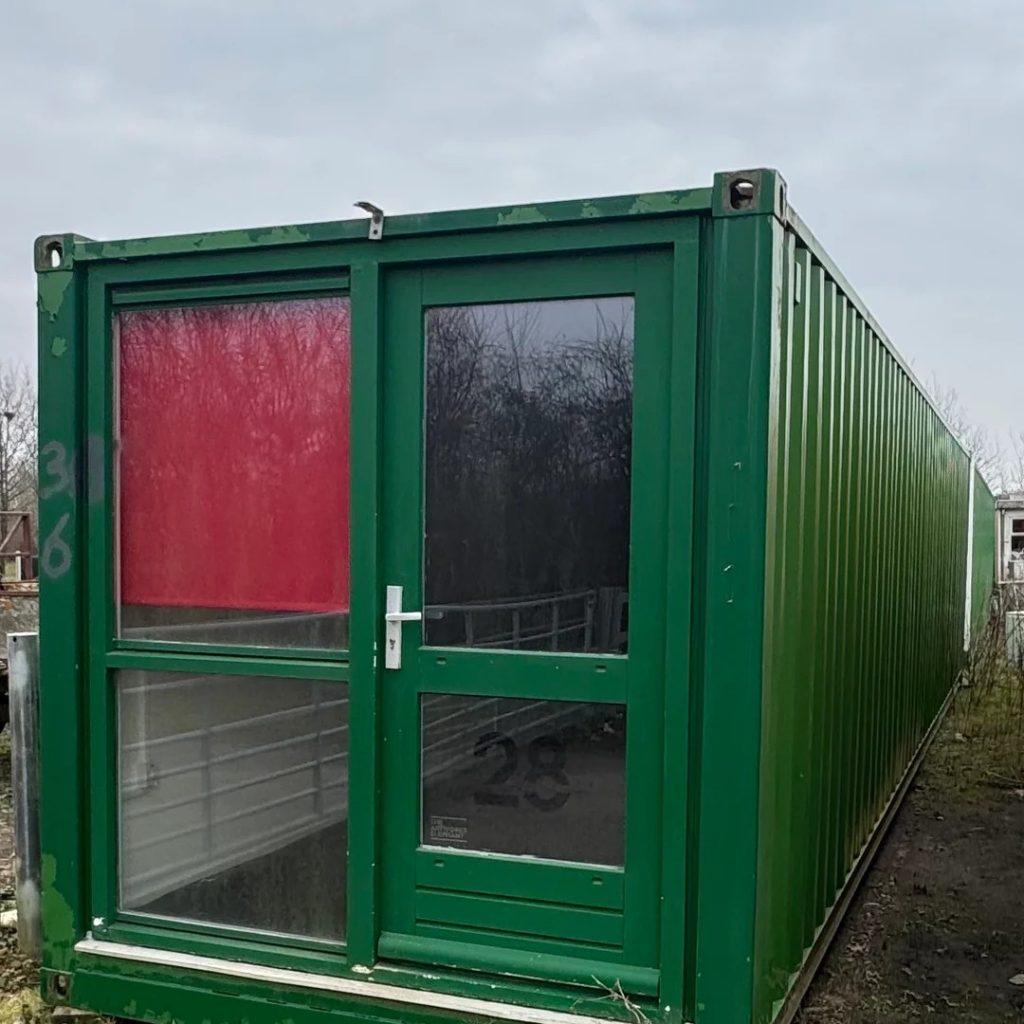
The Ultimate Guide to Converted Container Homes
If you’ve ever imagined a home that’s modern, mobile, and eco‑friendly, you’ve probably stumbled across the buzzword “container home.” Those sleek steel boxes that once carried cargo across oceans are now being reborn as stylish living spaces. In this post we’ll walk you through everything you need to know— from design inspiration and budgeting to building steps and maintenance tips—so you can decide whether a converted container home is right for your lifestyle.
Quick takeaway: A container home can be a cost‑effective, sustainable, and highly customizable alternative to a traditional house—if you plan wisely and partner with the right professionals.
1. Why Choose a Container Home?
Here’s a quick snapshot of the most compelling reasons people (and you) are opting for this housing trend:
| Benefit | What It Means for You | Typical Impact |
|---|---|---|
| Affordability | Lower material costs than conventional framing; you purchase a used 20‑ft or 40‑ft container for $2,000‑$5,000. | 30‑50% cheaper than a comparable square‑foot home. |
| Speed of Construction | A container arrives pre‑built. Add insulation, windows, and interior finishes, and you’re often move‑in ready in 8‑12 weeks. | Saves months (sometimes years) of construction time. |
| Durability | Made of corten steel, containers resist rot, termites, and extreme weather. | Longevity of 30+ years with proper maintenance. |
| Mobility | If you love the road, a container can be relocated (with permits) for a few thousand dollars. | Ideal for nomadic lifestyles or temporary sites. |
| Sustainability | Upcycles “waste” steel, reduces the need for new lumber, and can be paired with solar, rainwater harvesting, and green roofs. | Cuts your carbon footprint dramatically. |
If even a few of these points resonate with you, a container home might be worth a deeper look.
2. Types of Container Configurations
Containers come in standard sizes, but you can combine them in countless ways. Below is a simple guide to help you visualize the possibilities:
| Configuration | Container Count | Approx. Sq ft (Living Space) | Ideal Use |
|---|---|---|---|
| Studio | 1 × 20‑ft | 160 sq ft | Tiny‑house, office, guest suite |
| One‑Bedroom | 1 × 40‑ft | 320 sq ft | Small family, couples |
| Two‑Bedroom | 2 × 20‑ft (side‑by‑side) | 320 sq ft | Couples with a home office |
| L‑Shape | 2 × 40‑ft (perpendicular) | 640 sq ft | Open‑plan living + loft bedroom |
| Stacked/Two‑Story | 2 × 40‑ft (stacked) | 640 sq ft | More privacy, larger families |
| Multi‑Level “Pod” | 3–4 containers (mixed) | 800‑1,200 sq ft | Luxury tiny‑home, boutique Airbnb |
You can also think beyond the rectangle. Adding a roof garden, porch, or carport made from reclaimed wood or metal frames can transform a basic box into a truly unique dwelling.
3. Budget Breakdown – Where Does Your Money Go?
Understanding the cost components helps you avoid surprise expenses. Below is a typical budget for a 40‑ft container home (prices are U.S. averages for 2024; adjust for your region).
| Cost Category | Approx. % of Total | Dollar Range (USD) | Tips to Save |
|---|---|---|---|
| Container purchase | 10‑15% | $3,000‑$5,000 | Look for used, rust‑free units; buy from reputable dealers. |
| Site prep & foundation | 15‑20% | $5,000‑$10,000 | Opt for simple pier or slab foundation if soil conditions allow. |
| Structural modifications (cutting doors/windows, reinforcing) | 10‑15% | $4,000‑$8,000 | Use a qualified fabricator; pre‑engineer openings to avoid costly rework. |
| Insulation & HVAC | 15‑20% | $6,000‑$12,000 | Spray‑foam or rigid foam board works well; consider mini‑split heat pumps. |
| Interior finishes (drywall, flooring, fixtures) | 20‑25% | $8,000‑$15,000 | DIY some tasks (painting, shelving) to cut labor costs. |
| Utilities (plumbing, electrical, water) | 10‑12% | $4,000‑$8,000 | Use modular “plug‑and‑play” kits for off‑grid options. |
| Permits & fees | 3‑5% | $1,000‑$2,500 | Check local zoning early; some municipalities have fast‑track container codes. |
| Contingency (unexpected) | 5‑8% | $2,000‑$4,000 | Always keep a buffer—steel can rust in hidden spots. |
| Total | 100% | $33,000‑$64,500 | — |
Note: Luxury finishes, large solar arrays, or high‑end appliances can push the budget upward. Conversely, a minimalist approach (open‑plan, basic fixtures) can bring the total well under $30k.
4. Step‑by‑Step Checklist – From Dream to Move‑In
Here’s a friendly, actionable list that you can print and tick off as you progress:
- Define Your Goals
- How many occupants?
- Desired square footage?
- Off‑grid vs. connected utilities?
- Research Local Regulations
- Zoning: Is a container allowed as a dwelling?
- Building codes: Fire resistance, egress windows, insulation R‑value.
- Select a Site
- Soil tests (bearing capacity).
- Access for delivery (truck size, turning radius).
- Choose a Container(s)
- Inspect for dents, rust, and structural integrity.
- Decide on new vs. used.
- Hire Professionals
- Architect or designer experienced with containers.
- Structural engineer (for cuts and stacking).
- Fabricator for steel modifications.
- Design Layout
- Sketch floor plans (online tools like SketchUp or Floorplanner).
- Plan window/door locations—remember natural light!
- Arrange Financing
- Some lenders treat container homes as “manufactured housing”; shop around.
- Obtain Permits
- Submit plans, pay fees, schedule inspections.
- Prepare the Foundation
- Concrete slab, pier, or deck—based on soil and design.
- Deliver & Position the Container
- Use a crane or forklift; verify levelness.
- Modify the Shell
- Cut openings, reinforce with steel frames, add roof extensions.
- Insulate & Seal
- Spray foam or rigid board; seal all seams to avoid condensation.
- Install Utilities
- Electrical wiring, plumbing, HVAC.
- Finish Interior
- Drywall, flooring, cabinetry, fixtures.
- Final Inspection & Occupancy Permit
- Ensure everything meets code; then move in!
Check each box as you go, and you’ll feel confident that nothing falls through the cracks.
5. Design Inspiration – Making a Box Feel Like Home
A container’s raw steel can feel industrial, but with a few design tricks you can create warmth and personality:
- Open‑Plan Living: Knock down interior walls to open up space. A loft bedroom over the living area adds square footage without expanding the footprint.
- Large Windows & Skylights: Floor‑to‑ceiling glass panes bring daylight, making the interior feel bigger.
- Natural Materials: Use reclaimed wood for flooring, exposed beams, or accent walls.
- Green Roof or Living Wall: Adds insulation, reduces rain runoff, and provides a calming view.
- Modular Furniture: Fold‑down tables, Murphy beds, and built‑in storage keep clutter to a minimum.
- Color Palette: Light, neutral tones reflect light; add pops of color through textiles and artwork.
Pro tip: When you’re planning interior finishes, think “multi‑functional.” A bench can double as storage, a kitchen island can serve as a dining table, and a sliding door can hide a closet.
6. Sustainability Highlights – Eco‑Friendly Living
If environmental impact matters to you, a container home can check many green boxes:
- Material Reuse: You’re giving a steel box a second life, reducing the demand for new construction steel.
- Energy Efficiency: Proper insulation and high‑performance windows can achieve Passive House standards.
- Renewable Power: Install rooftop solar panels (a 40‑ft container can comfortably support a 3‑5 kW array).
- Water Conservation: Rainwater harvesting systems can supply toilets, laundry, and garden irrigation.
- Low‑Impact Foundations: Concrete pier foundations use less material than full slabs.
When you combine these strategies, you may achieve LEED or Living Building Challenge credits, depending on local certification programs.
7. Common Challenges & How to Overcome Them
| Challenge | Why It Happens | Solution |
|---|---|---|
| Condensation & Moisture | Steel is a thermal bridge; without proper insulation, interior surfaces can sweat. | Use continuous exterior insulation (rigid foam) plus interior vapor barrier. Install a dehumidifier in humid climates. |
| Zoning Hurdles | Some municipalities classify containers as “temporary structures.” | Engage a local architect who knows the permitting process; present case studies of approved container homes in neighboring towns. |
| Transportation Limits | Oversized containers may not fit on standard roads. | Plan delivery routes early; consider “split‑load” delivery where the container is disassembled into sections. |
| Acoustic Issues | Thin steel walls can transmit sound. | Install resilient channels and acoustic insulation; use heavy curtains for added sound dampening. |
| Cost Overruns | Unforeseen structural reinforcements or code upgrades. | Include a 10‑15% contingency budget; get multiple quotes before committing to a contractor. |
Being aware of these pitfalls—and preparing for them—keeps your project on track and stress‑free.
8. Frequently Asked Questions (FAQ)
Q1: Can I live in a container home year‑round?
A: Absolutely! With proper insulation, heating, and cooling, a container can be comfortable in both winter and summer. Mini‑split heat pumps are a popular, energy‑efficient solution.
Q2: How long does a container home last?
A: The steel chassis can last 30‑50 years or more with regular maintenance (painting, rust checks). Interior components (drywall, flooring) have a similar lifespan to conventional homes.
Q3: Do I need a special loan?
A: Some lenders treat container homes as manufactured housing, while others finance them like traditional homes. Shop around, and consider a construction loan if you’re building in phases.
Q4: Are container homes fire‑safe?
A: Yes—corten steel is non‑combustible. However, interior finishes must meet local fire‑rating requirements (e.g., fire‑rated drywall for bedrooms).
Q5: Can I expand my container home later?
A: One of the biggest perks is modularity. You can add additional containers, stack them, or attach a prefabricated extension—provided you have the appropriate permits and structural engineering.
Q6: What about resale value?
A: Well‑designed container homes in desirable locations can appreciate similarly to traditional homes. Unique aesthetics and sustainability features often attract niche buyers.
Q7: Is there any drawback to using a used container?
A: Used containers may have dents, rust, or previous modifications. Always have a professional inspection and, if possible, choose a “one‑trip” container (used only once for transport).
9. Final Thoughts – Is a Converted Container Home Right for You?
You’ve now seen the full picture: the financial advantages, design flexibility, environmental perks, and practical considerations of converting steel shipping containers into cozy dwellings. The decision ultimately hinges on your personal priorities:
- If budget and speed matter most, a container home can deliver a dream house in months, not years.
- If sustainability is a core value, the reclaimed steel, combined with solar and rain‑harvesting, makes for an impressively green lifestyle.
- If you crave unique architecture that stands out in the neighborhood, the industrial aesthetic offers a blank canvas for creativity.
Take the time to visit an existing container home, talk to owners, and perhaps even spend a weekend in a tiny‑house rental. Feel the space, test the comfort, and imagine how it would fit into your daily routine.
Ready to start? Grab a notebook, sketch a rough floor plan, and begin researching local zoning. The steel box is waiting for you to turn it into a warm, welcoming home.
Happy building, and may your new container home bring you years of comfort, savings, and inspiration!