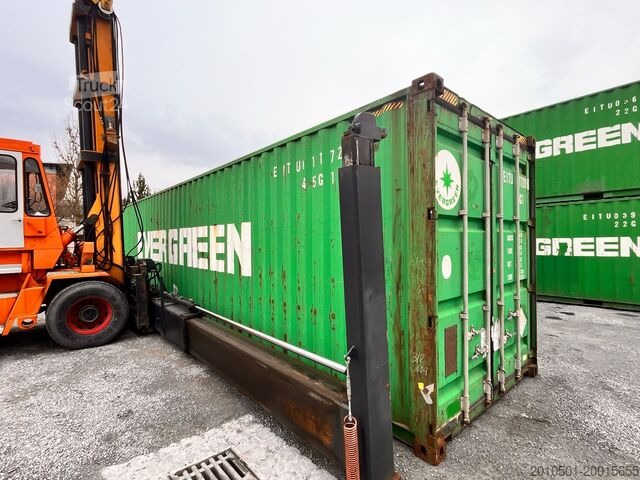
The Ultimate Guide to Converting a Shipping Container
(What you need to know before you turn steel into a stunning living or working space)
Why a Converted Container Might Be Your Next Smart Move
You’ve probably seen a sleek tiny‑home perched on a rooftop, a pop‑up coffee shop tucked into a narrow alley, or a modern office perched right next to a warehouse. All of these are converted shipping containers—standard 20‑ or 40‑foot steel boxes that have been transformed into functional, stylish, and surprisingly affordable structures.
| Feature | Traditional Build | Container Conversion |
|---|---|---|
| Construction time | 6–12 months | 2–6 weeks* |
| Typical cost / sq ft | $150–$250 | $75–$150 |
| Structural strength | Depends on design | Built to withstand ocean freight |
| Mobility | Fixed | Can be relocated (with permits) |
| Environmental impact | High (new lumber, concrete) | Low (re‑uses existing steel) |
*Time varies on site preparation, permits, and interior finish.
If you’re after speed, sustainability, or a unique aesthetic, a container conversion can tick all those boxes—provided you plan carefully. Below is a step‑by‑step roadmap that walks you through the entire process, from concept to occupation.
1. Choose the Right Container
Size Matters
| Size | Interior Length | Interior Width | Interior Height | Typical Uses |
|---|---|---|---|---|
| 20‑ft (standard) | 19.4 ft | 7.8 ft | 8.5 ft (standard) / 9.5 ft (high‑cube) | Tiny homes, offices, storage |
| 40‑ft (standard) | 39.5 ft | 7.8 ft | 8.5 ft (standard) / 9.5 ft (high‑cube) | Larger homes, classrooms, retail |
- Standard vs. high‑cube: The extra foot of height in a high‑cube model gives you more headroom and better ventilation—great for sleeping lofts or standing workspaces.
- Condition: New (“new‑build”) containers are pricey but free of rust and dents. Used containers are cheaper but require a thorough inspection for structural damage, rust, and previous hazardous cargo residues.
What to Inspect
- Exterior: Look for dents larger than 2 inches, rust patches, and missing bolts.
- Floor: Check for corrosion, water damage, or broken cross‑members.
- Doors: Verify that the doors open smoothly and seal properly.
- History: Ask the supplier for a “cargo manifest” if possible—some cargo (chemicals, pesticides) may have left residues that require special cleaning.
2. Establish Your Vision: Layout & Function
Take a moment to sketch a bubble diagram—simple circles that represent functional zones (kitchen, sleeping, bathroom, etc.). This helps you determine whether a single container will suffice or if you need to stack or side‑by‑side multiple units.
Common Configurations
| Configuration | Description | Ideal For |
|---|---|---|
| Single‑box | One container, minimal interior walls | Studio apartments, tiny cafés |
| Stacked | Two containers placed vertically (one on top of the other) | Two‑story homes, loft spaces |
| Side‑by‑side | Two containers placed side‑by‑side, often with a shared roof | Larger offices, classrooms |
| Hybrid | Combination of stacked and side‑by‑side (e.g., “L‑shape”) | Complex layouts like boutique hotels |
Tip: When you stack containers, you’ll need a structural engineer to confirm the load‑bearing capacity of the lower unit. Most standard containers are designed to support 8,000 lb of cargo on top, but modifications (windows, doors) can affect that strength.
3. Budget Breakdown – What Does It Really Cost?
Below is a sample budget for a 40‑ft high‑cube container conversion into a 350 sq ft tiny home. Numbers are averages for the United States in 2024; your local market may vary.
| Category | Approx. Cost | Comments |
|---|---|---|
| Container (used, high‑cube) | $3,200 | Includes delivery within 100 mi |
| Site preparation (foundation, utilities) | $6,500 | Concrete pier or slab, trenching for water & electricity |
| Structural modifications (cutting, reinforcement) | $4,800 | Door & window openings, steel reinforcements |
| Insulation (spray‑foam) | $2,200 | R‑value 20+ for climate‑control |
| Interior finishes (drywall, flooring, fixtures) | $7,500 | Mid‑range finishes |
| HVAC & Electrical | $3,800 | Mini‑split AC, wiring, panels |
| Plumbing (including bathroom suite) | $4,300 | Tankless water heater, shower, toilet |
| Permits & Professional Fees | $2,400 | Architect, engineer, building permits |
| Contingency (10%) | $3,500 | Unexpected issues |
| Total | $38,700 | Approx. $110 / sq ft |
Quick Takeaway: Even with a modest budget, you can achieve a high‑quality conversion at roughly half the cost of a comparable stick‑built home.
4. Navigating Regulations & Permits
Because a container is technically a “mobile structure” in many jurisdictions, you’ll need to double‑check local building codes.
- Zoning: Verify that the land is zoned for residential or commercial use. Some municipalities restrict “non‑traditional” dwellings.
- Building Permit: Submit architectural drawings, structural calculations, and a site plan. Expect a review period of 2–6 weeks.
- Fire Safety: Many codes require a fire‑rated wall (e.g., 1‑hour rating) between the interior and the steel shell, especially for multi‑unit buildings.
- Energy Code: Insulation R‑values, window U‑values, and HVAC efficiency must meet local standards (e.g., IECC 2021).
Pro tip: Hire a local architect who’s familiar with container projects. Their experience can shave weeks off the permit process and prevent costly redesigns.
5. Designing the Interior – From Steel to Cozy
Insulation Options
| Method | R‑Value (per inch) | Pros | Cons |
|---|---|---|---|
| Spray Foam (closed‑cell) | 6–7 | Excellent air barrier, high R‑value | Pricier, requires professional installation |
| Rigid Foam Board | 4–5 | Easy DIY, flat surface for interior panels | Gaps at joints can cause thermal bridging |
| Mineral Wool Batts | 3.5–4 | Fire‑resistant, sound dampening | Bulkier, may require additional framing |
Windows & Doors
- Double‑glazed, Low‑E windows are a must for energy efficiency.
- Sliding barn doors can save interior space compared to swing doors.
- Remember to reinforce the steel around any opening—cutting a 3 ft × 5 ft opening reduces structural integrity by up to 15 %.
Interior Layout Checklist
- Zoning of wet vs. dry zones: Keep the bathroom and kitchen on opposite ends to simplify plumbing runs.
- Ventilation: Install roof vents or an energy‑recovery ventilator (ERV) to prevent condensation on the steel.
- Ceiling height: If you need more headroom, consider a courtyard roof—remove a section of the top panel and replace it with a glass atrium.
6. The Build Process – Step‑by‑Step
| Step | Action | Who’s Involved |
|---|---|---|
| 1 | Site Survey & Foundation – Level the ground, pour concrete piers or a slab. | Contractor, Surveyor |
| 2 | Delivery & Placement – Crane the container into position. | Heavy‑equipment operator |
| 3 | Structural Modifications – Cut doors, windows, and any additional openings; weld reinforcements. | Steel fabricator, Welder |
| 4 | Corrosion Protection – Apply rust‑inhibiting primer and paint to exposed steel. | Painter |
| 5 | Insulation & Vapor Barrier – Install chosen insulation system, add vapor barrier. | Insulation contractor |
| 6 | Framing & Interior Walls – Build stud walls, install electrical conduit, and plumbing chases. | Carpentry crew |
| 7 | MEP Rough‑in – Run wiring, install HVAC ductwork or mini‑split, lay plumbing lines. | Electrician, Plumber, HVAC tech |
| 8 | Drywall & Finishes – Hang drywall, tape, mud, sand; paint, install flooring. | Finish carpenter |
| 9 | Fixtures & Appliances – Install kitchen cabinets, bathroom fixtures, lighting. | Installer |
| 10 | Final Inspection & Occupancy – City inspector signs off; obtain Certificate of Occupancy. | Inspector |
Timeline Snapshot: A well‑coordinated team can complete a 350 sq ft conversion in 12–16 weeks from groundbreaking to move‑in.
7. Maintaining Your Container Home
Even after you’ve moved in, proper upkeep ensures longevity:
- Annual rust check: Look for any new corrosion around door frames, windows, and roof seams.
- Sealant renewal: Reapply exterior sealant every 5–7 years, especially in harsh climates.
- HVAC filter replacement: Every 3 months for mini‑split units.
- Drain cleaning: Keep roof gutters clear to avoid water pooling and potential rust.
FAQ – Everything You Might Still Wonder
Q1: Can I legally live in a container home?
Yes—provided you obtain the necessary permits and the structure meets local building codes. Many jurisdictions now have “tiny‑home” or “accessory‑dwelling unit (ADU)” provisions that explicitly allow container conversions.
Q2: How much does a container cost compared to a traditional foundation house?
A 40‑ft used high‑cube container typically costs $3,000–$5,000, while a comparable 350 sq ft stick‑built home can run $150,000–$250,000. The initial purchase is a fraction, but remember to factor in site prep, interior finishes, and permits.
Q3: Is the steel safe for residential use?
Absolutely. Shipping containers are built to ISO standards, meaning the steel is corrosion‑resistant and structurally sound. Once you add proper insulation and interior finishes, the interior environment is as safe as any conventional building.
Q4: Do container homes retain heat in winter?
Yes, when properly insulated. Closed‑cell spray foam or rigid foam board can achieve R‑values of 20–30, which is sufficient for most climates. Pair it with a mini‑split heat pump for efficient heating.
Q5: Can I add solar panels?
Definitely. The flat roof provides an ideal mounting surface. A 5 kW solar array can power the entire home, especially when combined with a battery storage system.
Q6: What about resale value?
Container homes have been appreciating in markets where sustainable and minimalist living is popular. Unique designs with high‑quality finishes tend to fetch comparable prices to small traditional houses.
8. Quick‑Start Checklist
- Define Purpose: Tiny home, office, retail?
- Select Container Size & Condition (20‑ft vs. 40‑ft, standard vs. high‑cube).
- Secure Land & Verify Zoning (consult city planning).
- Hire Professionals: Architect, structural engineer, contractor.
- Obtain Permits (building, electrical, plumbing).
- Plan Budget (use the sample table as a template).
- Choose Insulation & Finish Materials (focus on R‑value & fire rating).
- Schedule Delivery & Site Prep (foundation, utilities).
- Start Build (follow the step‑by‑step table).
- Inspect & Obtain Occupancy Certificate.
Final Thoughts
Converted shipping containers are more than a passing trend; they’re a practical solution for today’s fast‑paced, eco‑conscious world. By understanding the structural fundamentals, regulatory landscape, and cost dynamics, you can transform a steel box into a comfortable, stylish space that fits your lifestyle and budget.
So, are you ready to roll up your sleeves and turn a rust‑stained container into your next dream space? The steel is waiting—let’s get building.