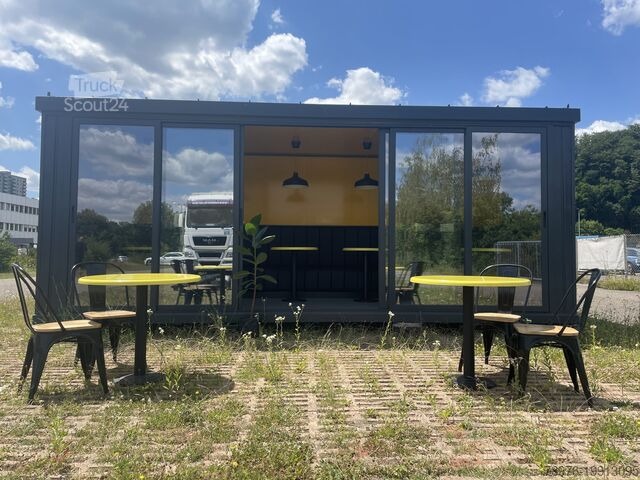
Converted Shipping Containers for Sale – Your Complete Buying Guide
If you’re scrolling through real‑estate listings, hunting for a unique office space, or simply looking for a sturdy, affordable structure to house a new venture, you’ve probably stumbled on the term “converted shipping container.” In the past decade these metal boxes have leapt from cargo ships to rooftops, back‑yards, and bustling city streets, becoming the backbone of modern micro‑living, pop‑up retail, and off‑grid workshops.
But before you sign a contract, you need a clear picture of what’s on offer, how to evaluate it, and what hidden costs may lurk behind the sleek façade. This post walks you through everything you need to know—tables, checklists, and FAQs included—so you can make an informed decision and turn that steel box into the perfect solution for your project.
1. What Exactly Is a “Converted Shipping Container”?
A shipping container is a standardized, steel‑framed box built to transport goods worldwide. The most common sizes are 20‑foot (6.1 m) and 40‑foot (12.2 m). When a container is converted, it undergoes interior and exterior modifications such as:
| Modification | Typical Purpose | Example Materials |
|---|---|---|
| Insulation | Climate control, energy efficiency | Spray foam, rigid board, mineral wool |
| Windows & Doors | Natural light, access | Double‑glazed windows, insulated doors |
| Electrical & Plumbing | Power, water, HVAC | Wiring, PVC pipes, solar panels |
| Interior Finishes | Aesthetic & functional spaces | Drywall, wood paneling, metal studs |
| Structural Changes | Larger openings, lofts, mezzanines | Reinforced steel beams, cut‑outs |
The result is a ready‑to‑use structure—often delivered to your site ready for placement, connection, and occupancy.
2. Why Buy a Converted Container Instead of Building From Scratch?
| Benefit | How It Impacts You |
|---|---|
| Speed of Delivery | Most conversions are completed off‑site, so you can have a functional unit in 4‑8 weeks versus months for traditional construction. |
| Cost‑Effectiveness | Base container price (≈ $2,000–$4,500) plus conversion (≈ $15,000–$50,000) often beats a comparable brick‑and‑mortar build by 30‑50 %. |
| Durability | Steel walls are fire‑resistant, pest‑proof, and can withstand extreme weather when properly sealed. |
| Mobility | You can relocate the unit with a crane or flatbed truck—great for temporary pop‑ups or expanding businesses. |
| Sustainability | Reusing a container reduces waste and carbon footprint; many sellers source re‑conditioned units. |
| Design Flexibility | Stacking, side‑by‑side, or even creating a “container village” is a matter of engineering, not zoning. |
If any of these points align with your goals—whether you’re a startup looking for an affordable storefront or a homeowner eyeing a tiny house—converted containers deserve serious consideration.
3. Types of Conversions You’ll Find on the Market
| Conversion Type | Typical Size(s) | Ideal Use Cases | Approx. Price Range* |
|---|---|---|---|
| Office/Studio | 20‑ft, 40‑ft | Creative studios, remote office, coworking hub | $20,000 – $45,000 |
| Retail Pop‑Up | 20‑ft, 40‑ft (often with glass façade) | Seasonal shops, food trucks, exhibition booths | $25,000 – $50,000 |
| Tiny Home | 20‑ft (single), 40‑ft (dual) | Permanent residence, vacation cabin, ADU | $35,000 – $80,000 |
| Workshop/Storage | 20‑ft, 40‑ft, 45‑ft high‑cube | Tool storage, fabrication, auto garage | $18,000 – $40,000 |
| Medical/Clinic | 40‑ft (often split) | Rural health outpost, mobile testing site | $45,000 – $90,000 |
| Education/Training | 40‑ft, modular stacks | Classroom, lab, training center | $30,000 – $70,000 |
* Prices vary by region, level of finish, and added services (foundation, delivery, permits).
4. How to Choose the Right Container for Your Project
Below is a step‑by‑step checklist you can print out and tick off as you evaluate each listing.
- Define Your Purpose
- Office → need HVAC, soundproofing.
- Home → need insulation, plumbing, bedrooms.
- Select the Size
- 20‑ft = ~1,200 sq in (interior).
- 40‑ft = ~2,400 sq in (interior).
- Inspect the Condition
- New: never used, pristine.
- Re‑conditioned: repaired, may have minor dents.
- Used: check for rust, water damage, structural integrity.
- Verify Conversion Details
- Insulation R‑value (≥ R‑13 for walls, R‑19 for roof).
- Windows: double‑glazed? UV coating?
- Electrical: 120 V/240 V? Dedicated circuit?
- Check Compliance
- Local building codes (e.g., fire rating, egress).
- Zoning restrictions (some municipalities limit “non‑residential” structures).
- Calculate Total Cost
- Base container + conversion + delivery + foundation + permits.
- Review Warranty & Support
- 1‑year structural warranty?
- After‑sales service for HVAC, electrical?
- Plan for Site Preparation
- Concrete slab, pier, or ground‑level pads.
- Utility connections (water, sewer, electricity).
- Consider Future Expansion
- Ability to stack or add modules later.
- Read Reviews & Request References
- Talk to previous buyers, visit installed units if possible.
5. Sample Cost Breakdown – What Goes Into the Final Price?
| Cost Component | Typical Range (USD) | Notes |
|---|---|---|
| Base Container (20‑ft, used) | $2,500 – $4,000 | Higher for “new‑old‑stock”. |
| Base Container (40‑ft, used) | $3,500 – $6,000 | High‑cube adds $500‑$800. |
| Conversion Package (basic office) | $12,000 – $20,000 | Includes insulation, basic finishes. |
| Conversion Package (luxury tiny home) | $30,000 – $50,000 | Full plumbing, kitchen, bathroom. |
| Delivery & Craning | $1,000 – $3,000 | Distance and crane size affect cost. |
| Foundation/Pad | $2,000 – $8,000 | Concrete slab vs. steel pier. |
| Permits & Inspection | $500 – $2,500 | Varies by jurisdiction. |
| Utility Hook‑ups | $1,000 – $5,000 | Electrical, water, sewer, solar optional. |
| Warranty/After‑sales Service | $500 – $2,000 | Optional extended coverage. |
| Subtotal | $22,000 – $99,000 | Typical for most projects. |
Pro tip: Ask the seller for an itemized quote—hidden fees are the most common source of budget overruns.
6. Where to Find Converted Shipping Containers for Sale
Here’s a quick list of reputable sources you can start with. Some specialize in certain niches (e.g., tiny homes) while others offer a broad catalogue.
| Supplier | Specialization | Typical Delivery Radius | Contact |
|---|---|---|---|
| BoxMan Studios | Custom offices & retail | Nationwide (U.S.) | www.boxmanstudios.com |
| ModularSpace | High‑end tiny homes | West Coast, Canada | [email protected] |
| EcoContainer Solutions | Eco‑friendly, solar‑ready units | East Coast, EU | [email protected] |
| ContainerXchange | Marketplace for new & used containers (no conversion) | Global | www.containerxchange.com |
| PopUp Pods | Pop‑up shops, event kiosks | North America, UK | [email protected] |
| Local Shipyard / Port Authority | Often sell re‑conditioned containers at low cost | Regional | Contact nearest port authority |
When you reach out, ask these key questions:
- What insulation and thermal performance does the unit have?
- Are there certificates of compliance (e.g., ISO, CE)?
- What is the lead time for delivery after order?
- Do they handle site preparation (foundation, crane)?
7. Frequently Asked Questions (FAQ)
Q1: Do I need a building permit for a converted container?
A: In most jurisdictions, any permanent structure—whether steel or wood—requires a permit. The exact classification (accessory dwelling unit, commercial building, etc.) determines which permits apply. Always check with your local building department before purchasing.
Q2: Can I stack containers safely?
A: Yes, but you’ll need engineered structural reinforcement (steel joists, cross‑bracing). Most reputable converters will provide a stacking plan that complies with local codes. DIY stacking is not recommended without a licensed structural engineer.
Q3: How long does a container last?
A: The steel shell itself can last 30–50 years with proper maintenance (paint, anti‑rust coating). The lifespan of interior finishes depends on materials used; most modern conversions are designed for 15–25 years before major renovation.
Q4: Is it possible to add solar panels?
A: Absolutely. Many converters offer roof‑mounted solar kits (5 kW–10 kW) with battery storage. Make sure you factor in wiring, inverter, and any required permits.
Q5: What are the main drawbacks?
A:
- Limited Width: Standard containers are 8 ft wide, which can feel cramped for residential layouts.
- Thermal Bridging: Steel conducts heat; without proper insulation you may face high heating/cooling costs.
- Zoning Restrictions: Some cities prohibit containers in residential zones or require additional setbacks.
Q6: Can I customize the exterior color?
A: Yes. Most converters provide powder‑coat finishes in a range of colors (RAL, Pantone). You can also wrap the exterior with vinyl graphics for branding.
Q7: How do I transport a finished container to my site?
A: Delivery is usually handled by a flat‑bed truck with a crane for placement. For remote sites, you may need a portable crane or a telescopic forklift. Confirm the weight (typically 2,200 kg for a 20‑ft, 4,200 kg for a 40‑ft) and road permits if the route exceeds legal limits.
8. Final Thoughts – Turning Steel Into Your Dream Space
Converted shipping containers have shifted from a niche novelty to a mainstream building solution. Their speed, affordability, and adaptability make them a compelling option for anyone who wants a functional space without the long lead times of traditional construction.
By using the checklist, cost table, and FAQ in this guide, you now have a roadmap to navigate the market confidently:
- Clarify your needs (size, purpose, finish).
- Research reputable sellers and request detailed, itemized proposals.
- Factor in all ancillary costs (foundation, permits, utilities).
- Verify compliance with local codes to avoid surprises.
- Plan for the future—consider modular expansion or resale value.
When you finally stand before that gleaming steel box, you’ll know exactly why it’s the right choice for you—and how to make it work flawlessly for years to come.
Ready to start your search? Grab a coffee, pull up the supplier list, and begin contacting a few vendors. The perfect container conversion might be just a phone call away.
Happy building!