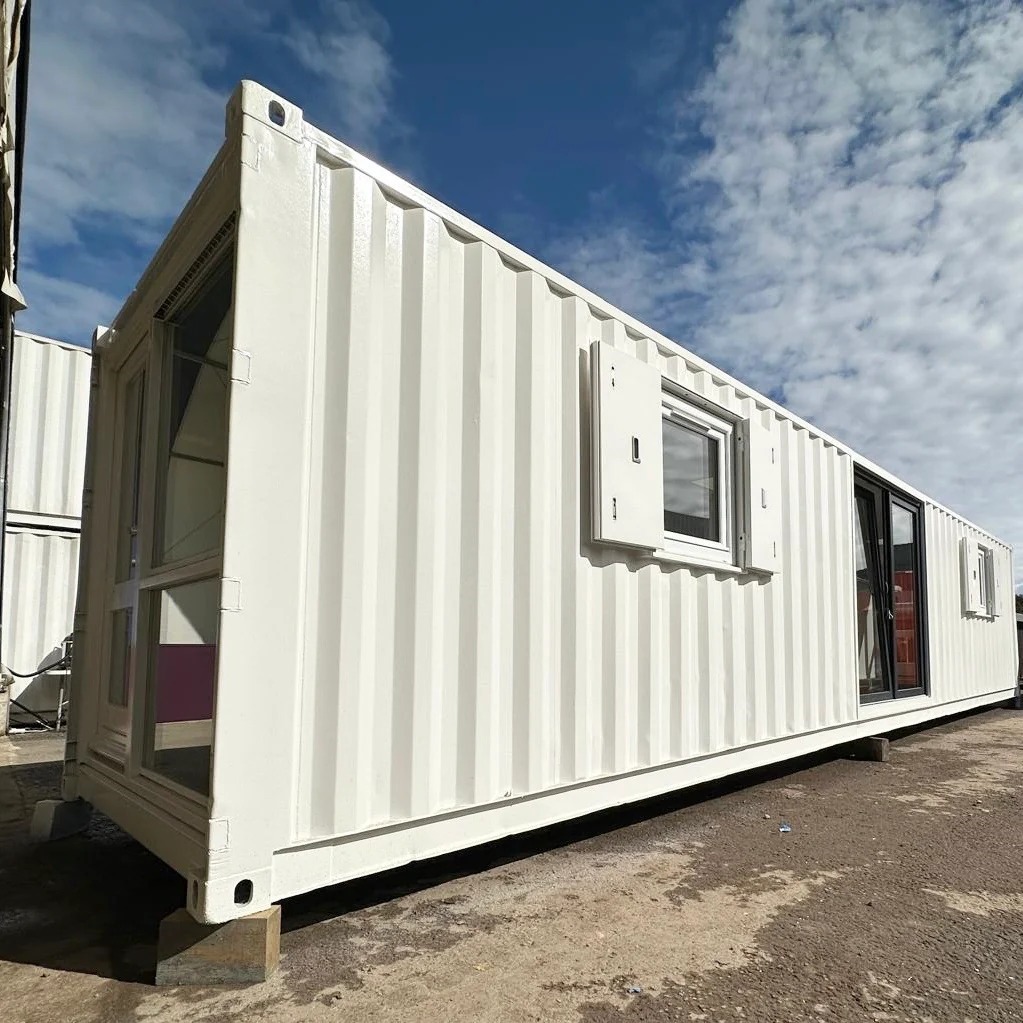
Your Ultimate Guide to Buying a Converted Shipping Container in the UK
If you’ve ever walked past a sleek, steel‑box home or a pop‑up café tucked into a former sea‑cargo container, you’ve probably wondered: “Can I get one of those for myself?” The answer is a resounding yes—and the market for converted shipping containers in the UK has never been more vibrant.
In this friendly, step‑by‑step guide you’ll discover everything you need to know before you click “Add to Cart” on a container that could become your office, studio, tiny house, or even a backyard bar. We’ll walk you through the main types, price ranges, legal considerations, and the best way to customise a container to fit your lifestyle.
Why Choose a Converted Shipping Container?
| Benefit | What It Means for You | Real‑World Example |
|---|---|---|
| Durability | Made from marine‑grade steel, containers resist rust, pests, and extreme weather. | A weekend‑market stall that’s still solid after 10 years of rain. |
| Portability | You can relocate it with a crane or flat‑bed truck – perfect for pop‑up events. | A mobile coffee shop that moves between festivals. |
| Speed of Build | A finished container can be ready to occupy within weeks, not months. | A rapid‑deployment office for a construction site. |
| Eco‑Friendly | Repurposes a product that would otherwise sit idle or be scrapped. | Reducing your carbon footprint while creating a modern loft. |
| Cost‑Effective | Generally cheaper than building a conventional structure of the same size. | A starter home for under £50k in some regions. |
If any of these points resonate with you, a converted container could be exactly the solution you’ve been searching for.
The Different Types of Conversions
Not all containers are created equal. Understanding the core categories will help you narrow down what fits your vision and budget.
| Conversion Type | Typical Size (ft) | Common Uses | Approx. Starting Price* |
|---|---|---|---|
| Basic “Shell” | 20’ or 40’ | Storage, temporary office, workshop | £1,500 – £3,000 |
| Fully‑Fitted Home | 20’, 40’, 45’ High Cube | Tiny house, permanent residence | £30,000 – £120,000 |
| Commercial Fit‑out | 20’, 40’ | Café, boutique shop, gym | £15,000 – £70,000 |
| Specialised Units | Custom length | Mobile clinics, data centres, classrooms | £25,000 – £150,000 |
| Hybrid (Container + Timber/Glass) | 20’, 40’ | Luxury lofts, eco‑cabins | £45,000 – £200,000 |
*Prices are indicative only; they vary based on insulation, interior finishes, plumbing, and location.
How to Find a Quality Converted Container for Sale in the UK
- Start with Reputable Suppliers
- Container City, Coco Containers, Kanga Roomz, and The Container Store UK all have solid reputations and verified customer reviews.
- Check the Container’s History
- Ask for a container identification number (ISO 6346) to confirm its age and prior usage.
- Inspect the Build Quality
- Look for certified insulation (R‑value ≥ 4), proper ventilation, and structural reinforcements if you plan to add windows or doors.
- Request a Detailed Specification Sheet
- It should list steel grade, coatings, interior walls, electrical wiring, and any warranties.
- Verify Delivery Logistics
- Most sellers handle transport, but confirm the cost per mile, any site access restrictions, and who holds liability during transit.
A Quick Checklist Before You Buy
| ✔️ Item | Why It Matters |
|---|---|
| Planning Permission | Most councils require a “temporary structure” permit for dwellings over 2.5 m². |
| Ground Preparation | A concrete slab or reinforced deck prevents rust and ensures stability. |
| Utility Hook‑ups | Confirm electricity, water, and sewage connections are feasible at your site. |
| Insurance | A “Contents and Structure” policy protects you against theft, fire, and accidental damage. |
| After‑Sales Service | Look for a supplier that offers a 12‑month warranty on workmanship and materials. |
Step‑by‑Step: Turning Your Dream Container Into Reality
- Define Your Purpose
Are you after a home, an office, a studio, or a pop‑up shop? Each use case dictates floor plan, insulation, and local regulations. - Select the Size & Layout
- 20‑foot containers are compact – great for a single‑room studio.
- 40‑foot containers provide extra floor area or can be combined side‑by‑side for a larger footprint.
- Choose a Supplier & Request a Quote
Provide them with:- Desired dimensions
- Interior finish preferences (e.g., hardwood flooring, plasterboard)
- Any additional features (solar panels, HVAC, skylights)
- Secure Planning Permission
Submit the supplier’s technical drawings to your local council. Most “temporary structures” can be approved within 2–4 weeks. - Arrange Delivery & Site Preparation
- Clear a level area.
- Install a temporary “pad” of crushed stone to aid drainage.
- Installation & Fit‑Out
The supplier will typically handle:- Placement on the foundation
- Hook‑up of utilities
- Final interior finishes (painting, fittings)
- Final Inspection & Move‑In
Walk through every room, test water heaters, check door seals, and confirm all certifications are on site.
Real‑World Inspiration: 3 Success Stories from the UK
| Owner | Container Type | Location | What They Love |
|---|---|---|---|
| Emily, Brighton | 40′ High‑Cube Home | Seaside garden | “The sea‑views through the floor‑to‑ceiling windows are unbeatable. It’s a sustainable weekend retreat.” |
| Tom & Jess, Manchester | Dual‑Container Café | City centre | “We opened in two weeks, and the steel gives a chic, industrial vibe that matches our brand.” |
| Liam, Sheffield | 20′ Office Pod | Home office | “It’s portable—when I needed to work on a construction site I just drove it there. No more noisy house distractions.” |
Take a cue from these owners—your container can be as unique as you are.
Frequently Asked Questions (FAQ)
Q1. Do I need planning permission for a container home?
Yes. In England and Wales, any structure larger than a garden shed (typically over 2.5 m²) requires planning permission. Some councils treat containers as “temporary structures” and allow a streamlined application, especially if it’s on a rented plot.
Q2. How long does it take to get a converted container delivered?
Most suppliers can deliver a finished unit within 4–8 weeks after the order is confirmed, provided you have site access and a suitable foundation prepared.
Q3. Can I combine two containers to make a larger space?
Absolutely. You can stack, side‑by‑side, or even create a L‑shaped configuration. However, you’ll need a structural engineer to ensure proper reinforcement at the joints.
Q4. What insulation options are available?
Common choices include:
- Spray‑foam insulation (high R‑value, moisture‑resistant)
- Rigid foam panels (easy to fit between studs)
- Mineral wool batts (good fire resistance)
Your choice will affect cost, thermal performance, and environmental impact.
Q5. Are there any hidden costs?
Potential extras:
- Site preparation (groundworks, utilities)
- Delivery distance surcharges
- Custom interior finishes (e.g., bespoke cabinetry)
- Utility connections (meter installations)
Always request a breakdown of costs before signing a contract.
Q6. How sustainable are containers compared to traditional builds?
Containers reuse existing steel, saving the energy required to produce new building materials. When combined with solar panels, rainwater harvesting, and energy‑efficient appliances, the overall carbon footprint can be up to 30% lower than a comparable brick house.
Q7. Can I finance a container purchase?
Many banks and specialist lenders offer personal loans or home‑improvement financing for container homes. Some suppliers also provide in‑house financing with flexible repayment terms.
Quick‑Start List: Your 10‑Point Action Plan
- Identify purpose – home, office, shop, etc.
- Set a realistic budget – include delivery & site prep.
- Research reputable UK suppliers – read reviews, ask for references.
- Obtain container specifications – ISO number, steel grade, condition.
- Choose size & layout – 20′, 40′, high‑cube?
- Apply for planning permission – submit drawings, wait for approval.
- Arrange site preparation – foundation, access road.
- Finalize interior finishes – insulation, flooring, fixtures.
- Schedule delivery & installation – confirm dates and logistics.
- Move in, enjoy, and share your story!
Cross each of these items off your list, and you’ll be well on your way to living or working inside a piece of modern, maritime‑inspired design.
Final Thoughts – Is a Converted Shipping Container Right for You?
You’ve probably already imagined the sleek lines, the sense of sustainability, and the sheer versatility a container can bring to your project. The good news is that the UK market is mature enough to give you a wide selection, professional support, and transparent pricing.
When you pick a container, you’re not just buying steel; you’re investing in a flexible, durable space that can grow with you—whether that means adding a loft, expanding with another module, or moving the whole unit to a new location next year.
So, take a deep breath, grab that checklist, and start reaching out to a few suppliers today. Your new container‑crafted haven is only a few clicks away!
Happy building! 🌟