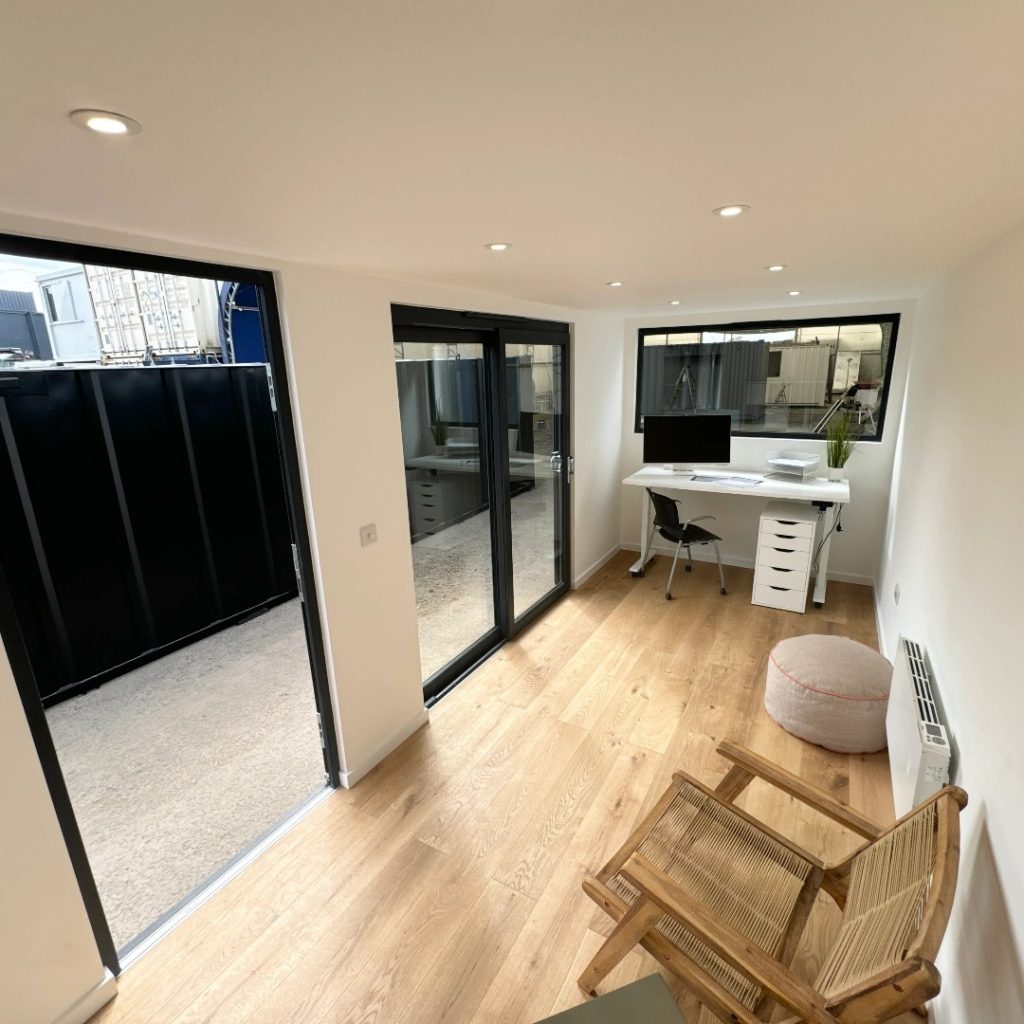
Turning Steel Boxes into Dream Homes
Imagine walking into a sleek, modern living space that’s built from a sturdy steel box that once criss‑crossed oceans carrying everything from electronics to palm trees. That’s the magic of freight container homes – an affordable, eco‑friendly, and surprisingly stylish way to own a piece of real estate. In this post, we’ll walk you through everything you need to know, from the basics of what a container home is, to budgeting, design ideas, and the most common questions you might have. By the end, you’ll be ready to start sketching your own steel‑sheltered sanctuary.
1. Why Choose a Freight Container Home?
| Benefit | What It Means for You |
|---|---|
| Affordability | A new 40‑foot container costs $3,000‑$5,000, while a comparable stick‑built home can run 3‑5× higher per square foot. |
| Speed of construction | With proper planning, a basic container home can be erected in 6‑12 weeks—far quicker than traditional builds that often take months. |
| Durability | Made of Corten steel, containers resist rust, pests, and extreme weather, giving you a long‑lasting shell. |
| Mobility | If you ever need to relocate, a container can be lifted onto a trailer and moved with a truck, similar to a tiny house on wheels. |
| Eco‑friendliness | Reusing a container reduces steel production waste and often needs less concrete and lumber, cutting down your carbon footprint. |
If any of those points light a spark, you’re already on the right track.
2. Getting a Feel for the Space
A standard 20‑foot high‑cube container offers about 117 sq ft of floor area, while a 40‑foot high‑cube gives 236 sq ft. You can stack, side‑by‑side, or even cut and re‑assemble them to create larger floor plans. Below is a quick visual reference:
| Configuration | Dimensions (L × W × H) | Approx. Interior Area |
|---|---|---|
| Single 20‑ft container | 20 ft × 8 ft × 9.5 ft | 117 sq ft |
| Single 40‑ft container | 40 ft × 8 ft × 9.5 ft | 236 sq ft |
| Two 20‑ft side‑by‑side | 40 ft × 16 ft × 9.5 ft | 234 sq ft |
| Stacked 40‑ft (2‑story) | 40 ft × 8 ft × 19 ft | 236 sq ft (per floor) |
| L‑shaped (40 ft + 20 ft) | 40 ft × 8 ft + 20 ft × 8 ft | 353 sq ft |
Tip: Most owners start with a single 40‑ft container for the living area and add a 20‑ft unit for a bedroom or bathroom, creating a comfortable 350‑sq‑ft home that feels far larger than the numbers suggest.
3. Budget Breakdown – What Will It Cost You?
Below is a realistic cost estimate for a single‑story, 40‑ft container home with basic finishings. Prices vary by region, but this table gives you a ballpark figure.
| Item | Typical Cost (USD) | Notes |
|---|---|---|
| Container (used, good condition) | $3,500 | Prices drop for bulk purchases |
| Structural modifications (cutting openings, reinforcing) | $4,000 – $6,000 | Includes steel framing and welding |
| Insulation (spray‑foam or panel) | $2,500 | Critical for energy efficiency |
| Windows & doors | $1,800 | Double‑glazed windows are recommended |
| Electrical & plumbing rough‑in | $3,000 | Licensed electrician/plumber required |
| Interior finish (drywall, flooring, kitchen cabinets) | $7,000 – $10,000 | Varies with material choices |
| HVAC (mini‑split system) | $2,000 | Efficient for small footprints |
| Permits & inspections | $1,200 | Check local regulations |
| Total (mid‑range) | $25,000 – $30,000 | Roughly 10‑15% of a comparable stick house |
Bottom line: You can often build a functional, attractive container home for under $35k, leaving plenty of room in your budget for custom touches.
4. Design Inspiration – From Minimalist to Luxe
Container homes are a blank canvas. Here are three popular design routes you might love:
| Style | Key Features | Ideal For |
|---|---|---|
| Minimalist Modern | Open‑plan living, polished concrete floors, floor‑to‑ceiling glass, neutral palette | Urban dwellers who crave sleek, low‑maintenance spaces |
| Scandinavian Cozy | Light wood paneling, warm lighting, hygge‑style furniture, wool rugs | Anyone seeking a snug, nature‑inspired vibe |
| Industrial Loft | Exposed steel beams, reclaimed wood, metal fixtures, large pendant lights | DIY enthusiasts who love raw, “unfinished” aesthetics |
Quick design checklist (tick each box as you plan):
- ☐ Orientation – Place windows on the south side for passive solar gain.
- ☐ Ventilation – Include operable windows & a ceiling fan to avoid condensation.
- ☐ Privacy – Use frosted glass or strategic landscaping for street‑facing sides.
- ☐ Storage – Build built‑in cabinets into the container walls; the steel frame can support heavy shelves.
- ☐ Outdoor flow – Add a deck or patio that extends the living area; a simple concrete slab works well.
5. Step‑by‑Step: Building Your Container Home
- Research local zoning & permitting – Some municipalities treat containers as “temporary structures,” while others require full residential permits.
- Select your container – Inspect for rust, dents, or water damage. Prefer containers with a “one-trip” history (used only once).
- Design the floor plan – Sketch ideas on graph paper or use free online tools like SketchUp.
- Hire a structural engineer – Even if you’re handy, a professional will verify load‑bearing walls and recommend reinforcements for openings.
- Prepare the site – Level the ground, lay a concrete footing or a compacted gravel pad (minimum 4‑inch thick).
- Modify the container – Cut windows, doors, and any interior walls. Reinforce the cuts with steel brackets.
- Insulate – Spray‑foam is popular because it seals gaps and adds structural strength.
- Install utilities – Run electrical conduit, water lines, and a waste pipe before you seal interior walls.
- Finish the interior – Drywall, paint, flooring, kitchen appliances. Keep a cohesive style to make the space feel larger.
- Final inspection & occupancy – Schedule a city inspection; once approved, you’re ready to move in!
6. Sustainability – How Green Is a Container Home?
| Eco Metric | Container Home | Traditional Home |
|---|---|---|
| Steel recycled content | 70‑85% (already recycled) | 0% (new steel) |
| Embodied carbon (kg CO₂e) | ~2,500 per 40‑ft unit | ~8,500 per 2,000 sq ft house |
| Energy use (kWh/yr) | 4,500–6,000 (with good insulation) | 8,000–12,000 (average) |
| Water usage (gallons/yr) | Similar – depends on fixtures | Similar – depends on fixtures |
| Lifetime | 30‑50+ years (with proper maintenance) | 50‑100+ years (varies) |
A container home can dramatically lower the embodied carbon because you’re repurposing an existing structure instead of manufacturing new building materials. Pair it with a solar array on the roof, and you’re heading straight toward net‑zero energy.
7. Frequently Asked Questions (FAQ)
Q1: Do I need a foundation?
Yes. Even though containers are self‑supporting, a proper foundation—concrete slab, pier, or footings—prevents moisture wicking and keeps the structure level.
Q2: Can I install a bathroom?
Absolutely. You’ll need to connect to a septic system or municipal sewer and provide proper venting. Many owners use compact “wet rooms” with a shower, toilet, and small sink.
Q3: How do I keep the interior from getting too hot or cold?
Insulation is key. Spray‑foam or rigid foam board, combined with high‑efficiency windows, will give you a comfortable temperature range. A mini‑split HVAC system works well for both heating and cooling.
Q4: Is it legal to live in a container home?
It depends on local zoning. Some places require you to meet the same codes as any residential structure, while others have “tiny house” or “alternative dwelling” allowances. Always check with your city’s planning department first.
Q5: How long does it take to finish the interior?
Typically 4‑8 weeks after the container is placed on site and structural modifications are complete. The timeline shortens if you go for a simple, open‑plan layout.
Q6: Can I add a second story?
Yes. By stacking containers and reinforcing the joints, you can create a two‑story home. Make sure a structural engineer verifies the load‑bearing capacity and that you have adequate stair access.
Q7: What maintenance is required?
Periodic checks for rust, especially around cutouts, and resealing of exterior paint every 5‑7 years. Inside, treat it like any other home: inspect HVAC filters, plumbing fixtures, and keep the roof clear of debris.
8. Pro Tips for a Successful Container Home
- Plan for power – If you’re off‑grid, add a roof‑mounted solar kit (300‑500 W) plus a battery bank.
- Think vertically – Shelving that runs from floor to ceiling maximizes storage in the limited footprint.
- Use light colors – Light interior paint and flooring reflect natural light, making the space feel larger.
- Add greenery – Indoor plants help regulate humidity and bring a touch of nature inside a steel shell.
- Get creative with the exterior – Adding a sloped roof, wooden cladding, or a green wall can soften the industrial look and improve rain runoff.
9. Ready to Take the Leap?
Freight container homes blend affordability, speed, and sustainability into a compelling option for modern living. Whether you’re a minimalist urbanite, a budding DIYer, or a family looking to downsize without compromising style, the steel box can be shaped into a home that truly reflects your personality.
Next steps:
- Visit a local container supplier and inspect a few units.
- Sketch a rough floor plan—don’t worry about perfection yet; just get the spatial ideas down.
- Contact your municipality for permits and zoning restrictions.
- Start budgeting using the cost table above as a reference.
Before you know it, you’ll be turning the key (or the latch) on a home that’s as sturdy as a ship and as unique as your own imagination.
Happy building, and welcome to the world of container living! 🚢🏡