The Ultimate Guide to Freight Containers: What You Need to Know (and How to Use Them)
If you’ve ever wondered how that massive ocean‑faring ship can carry everything from a single car to a full‑blown furniture showroom, the answer lies in the humble freight container. In this friendly, step‑by‑step guide you’ll discover what containers are, the different types available, how to pick the right one for your project, and the best ways to buy, rent, or repurpose them. All of it is written in plain English and directly addressed to you, the reader who’s ready to master the world of shipping boxes.
1. What Exactly Is a Freight Container?
A freight container (sometimes called an intermodal container) is a rigid, steel‑framed box built to standard dimensions so it can travel seamlessly between ships, trains, trucks, and even aircraft. Because the container’s dimensions never change, a single container can be lifted by a crane, slid onto a railcar, or stacked on a ship without any special handling.
Key features:
| Feature | Why It Matters to You |
|---|---|
| Standardized sizes | You can predict exactly how much space you’ll have, no surprises. |
| Durable steel construction | Protects your goods from weather, theft, and rough handling. |
| ISO‑approved | Guarantees compatibility worldwide—no need to negotiate with each carrier. |
| Stackable | Maximizes space on ships and in warehouses, leading to lower shipping costs. |
| Weather‑tight doors | Keeps moisture, dust, and pests out, preserving product quality. |
All of those qualities make containers the workhorse of modern logistics, and they’re available for a surprisingly wide range of applications beyond just shipping.
2. The Most Common Container Sizes (And When to Choose Each)
Understanding the dimensions is the first step in matching a container to your needs. The two most popular lengths are 20‑foot and 40‑foot containers, but there are also specialty sizes.
| Container Type | External Dimensions (L × W × H) | Internal Dimensions (L × W × H) | Approx. Volume | Typical Use Cases |
|---|---|---|---|---|
| 20‑foot Standard (20′ GP) | 20’ × 8’ × 8’ 6” | 19’ 4” × 7’ 9” × 7’ 10” | ~1,170 cu ft | Small batch shipments, pallets (up to 10–12). |
| 40‑foot Standard (40′ GP) | 40’ × 8’ × 8’ 6” | 39’ 5” × 7’ 9” × 7’ 10” | ~2,390 cu ft | Full‑truck‑load equivalents, larger pallets (up to 20–22). |
| 40‑foot High Cube (40′ HC) | 40’ × 8’ × 9’ 6” | 39’ 5” × 7’ 9” × 8’ 10” | ~2,700 cu ft | Voluminous but lightweight cargo (e.g., textiles, furniture). |
| 45‑foot High Cube (45′ HC) | 45’ × 8’ × 9’ 6” | 44’ 5” × 7’ 9” × 8’ 10” | ~3,040 cu ft | Oversized items that still fit within the width/height limits (e.g., machinery). |
| 20‑foot Refrigerated (20′ RF) | 20’ × 8’ × 8’ 6” | Same as 20′ GP (insulated) | ~1,170 cu ft | Perishables, pharmaceuticals, temperature‑sensitive parts. |
| 40‑foot Open‑Top (40′ OT) | 40’ × 8’ × 8’ 6” (no roof) | Same as 40′ GP | ~2,390 cu ft | Oversized cargo that needs to be loaded from the top (e.g., pipes, steel beams). |
Quick tip: If you’re unsure whether a 20‑foot or 40‑foot container is right for you, start by counting how many standard pallets (48” × 40”) you need to ship. A 20‑foot container typically holds 10–12 pallets, while a 40‑foot holds 20–22 pallets.
3. Types of Freight Containers Beyond the Basics
| Type | Specialty | Typical Industries |
|---|---|---|
| Dry Van (GP) | Standard, sealed box. | General cargo, consumer goods. |
| Refrigerated (RF or Reefer) | Powered cooling system, insulated walls. | Food, pharma, chemicals. |
| Open‑Top (OT) | No permanent roof; tarpaulin cover optional. | Construction materials, bulky machinery. |
| Flat‑Rack (FR) | Collapsible sides, can be folded down. | Heavy equipment, vehicles, oversized loads. |
| Ventilated (VT) | Roof vents for airflow. | Fresh produce, coffee beans, certain chemicals. |
| Half‑Height (HH) | Half the usual height, more floor space. | Heavy, low‑profile cargo (e.g., stone, metal). |
| Tank (TK) | Stainless‑steel tank for liquids. | Oil, chemicals, wine, liquids. |
Each container type is built to specific ISO standards (e.g., ISO 668 for dimensions, ISO 1496 for testing). Knowing which standard applies to your shipment prevents costly delays at customs.
4. Buying vs. Renting: Which Is Smarter for You?
| Factor | Buying | Renting (Leasing) |
|---|---|---|
| Up‑front Cost | High – you pay full price (≈ $2,500–$5,000 for a 20′ GP; $4,000–$7,000 for a 40′ HC). | Low – monthly or per‑use fee. |
| Long‑Term Flexibility | Full control – you can modify, repaint, or resell. | Limited – must return in original condition. |
| Maintenance | Your responsibility (including rust prevention). | Provider usually handles routine upkeep. |
| Cash Flow | Ties up capital; may affect other investments. | Frees up cash for other business needs. |
| Tax Implications | Can be capitalized, depreciation over 5–7 years. | Treated as an operating expense. |
| Best For | Companies with high, predictable volume; those who want a custom‑branded container. | Seasonal shippers, small‑batch exporters, startups. |
Bottom line: If you anticipate using containers regularly for three years or more, buying often pays off. If your shipping needs are sporadic or you’re testing a new market, leasing is the low‑risk route.
5. How to Choose the Perfect Container for Your Project
- Measure Your Cargo
- Length, width, height, and weight.
- Remember to add a few inches for padding or dunnage.
- Identify Any Special Requirements
- Temperature control? Choose a Reefer.
- Oversized, irregular shape? Consider Open‑Top or Flat‑Rack.
- Calculate Volume vs. Weight
- If your cargo is light but bulky, a high‑cube container maximizes space.
- If it’s heavy and compact, a standard container might be more cost‑effective.
- Check Port and Carrier Restrictions
- Some ports limit container height (e.g., 9’ 6” max for high‑cube).
- Verify the carrier’s equipment can handle your container type.
- Budget & Timeline
- Compare purchase price, rental rates, and any customs fees.
- Factor in lead time for ordering a custom container (usually 4–6 weeks).
6. Real‑World Tips to Make Your Container Experience Smoother
- Inspect Before You Load: Look for dents, rust spots, or damaged seals. Even a small breach can let moisture in.
- Use Proper Dunnage: Cardboard, foam, or inflatable bags protect goods from shifting.
- Seal the Doors Tight: Double‑check the twist‑locks; a loose latch can cause the doors to open mid‑transit.
- Label the Exterior: Include your company logo, contact details, and any handling instructions (e.g., “FRAGILE – KEEP DRY”).
- Track with GPS: Many third‑party providers sell low‑cost GPS units that let you see where your container is in real time.
- Plan for Unloading: Reserve a forklift, pallet jack, or crane at the destination ahead of time to avoid bottlenecks.
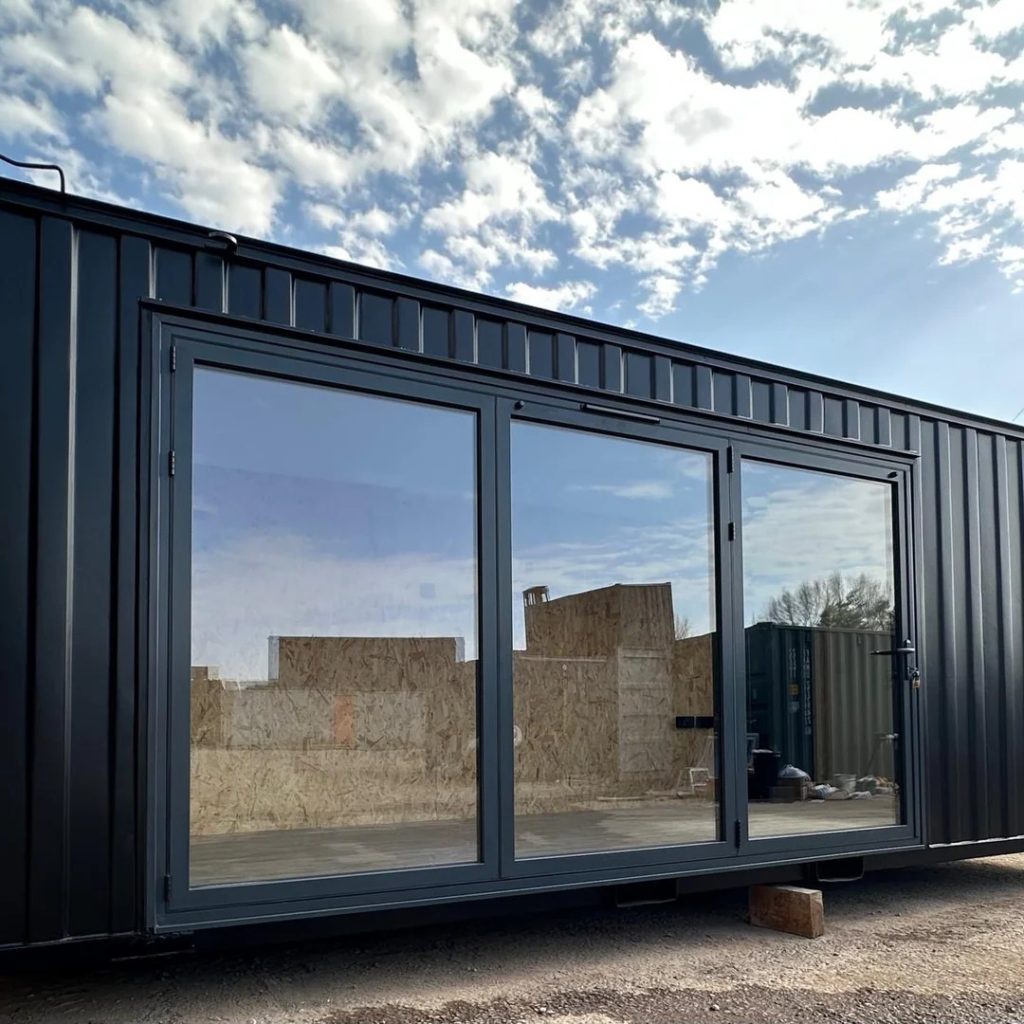
7. Creative Ways to Repurpose a Shipping Container
When the container’s journey ends, you don’t have to scrap it. Here are some popular, eco‑friendly conversions:
| Idea | Typical Cost | Time to Complete |
|---|---|---|
| Pop‑up Retail Store | $10,000–$25,000 | 4–8 weeks |
| Portable Office | $8,000–$15,000 | 3–6 weeks |
| Tiny Home | $20,000–$50,000 | 8–12 weeks |
| Garden Shed / Workshop | $4,000–$8,000 | 2–4 weeks |
| Art Installation | Variable | Depends on design |
The key is to insulate, ventilate, and add windows/doors where needed. A container’s structural strength makes it a perfect base for modular construction projects.
8. Frequently Asked Questions (FAQ)
Q1: How much does a used 40‑foot container cost?
Answer: Prices vary by region and condition. Expect $2,000–$4,000 for a decent, weather‑proof unit. Certified “grade A” containers can fetch $5,000–$7,000.
Q2: Can I stack containers on top of each other?
Answer: Absolutely—standard containers are designed for four‑on‑four stacking (four containers high, four across). However, ensure the ground is level and the stacking equipment meets safety standards.
Q3: What’s the difference between a “dry van” and a “box” container?
Answer: None—both terms refer to the same standard sealed steel box (GP). “Dry van” is just industry slang.
Q4: Do I need a special license to operate a container?
Answer: You don’t need a license to own a container, but the truck driver transporting it must hold a valid commercial driver’s license (CDL) appropriate for the vehicle’s weight class.
Q5: How long can a refrigerated container keep items cold without power?
Answer: Most reefers have insulated walls that maintain temperature for 12–24 hours after the power is shut off, depending on ambient temperature and how well the doors are sealed.
Q6: Are containers recyclable?
Answer: Yes—steel containers are 100 % recyclable. Many scrap yards buy them by the ton, offering a modest return if you decide to retire a unit.
Q7: What documentation do I need for international shipping?
Answer: Typically a Bill of Lading (B/L), Commercial Invoice, Packing List, and Certificate of Origin. Some countries also require a Import/Export Permit and Safety Data Sheets for hazardous goods.
9. Quick Checklist Before Your Next Shipment
- Select container type & size based on cargo dimensions.
- Inspect for damage, rust, and seal integrity.
- Load using proper dunnage and secure with twist‑locks.
- Label clearly with handling instructions.
- Arrange transportation (truck, rail, or feeder vessel).
- Complete paperwork (Bill of Lading, invoice, etc.).
- Track the container’s journey with a GPS or carrier portal.
- Plan for receipt: Arrange unloading equipment at destination.
Feel confident ticking each item off—your cargo will travel safely and efficiently.
10. Final Thoughts: Why Freight Containers Matter to You
Freight containers are more than metal boxes; they’re the standard language of global trade. By mastering the basics—size charts, container types, buying vs. renting, and best‑practice handling—you unlock faster shipping times, lower costs, and even creative reuse opportunities. Whether you’re a small‑scale entrepreneur shipping handmade goods overseas or a seasoned logistics manager coordinating bulk shipments, the container you choose can make a world of difference.
So next time you see a towering stack of steel boxes on a dock, remember: each one is a tiny, perfectly engineered solution ready to protect your product, simplify your paperwork, and keep the world moving. Happy shipping! 🚢📦