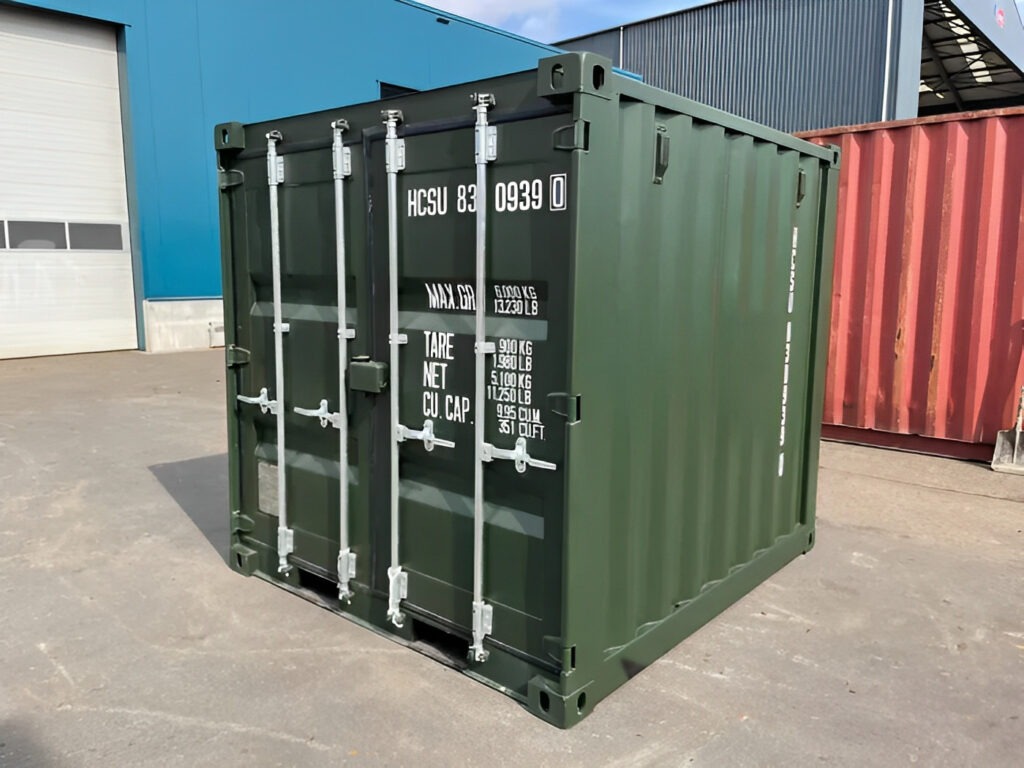
Go Green with Your Containers: A Friendly Guide to Sustainable Storage
You’ve probably heard the buzzword green tossed around everything from cars to coffee, but what does it really mean when it comes to containers? Whether you’re a small‑business owner trying to cut waste, a homeowner looking for eco‑friendly storage, or a logistics manager tasked with reducing your carbon footprint, “green containers” can be the secret weapon you didn’t know you needed.
In this post we’ll walk you through everything you need to know about green containers—what they are, why they matter, the different types available, and how you can make the smartest, most sustainable choice for your needs. We’ll sprinkle in handy tables, quick‑hit lists, and a FAQ to keep you moving forward without a hitch.
1. What Exactly Is a “Green Container”?
A green container is any storage or shipping unit that’s designed, manufactured, or used in a way that minimizes environmental impact. This can involve:
| Feature | What It Means | Typical Benefits |
|---|---|---|
| Recycled Materials | Made from post‑consumer plastic, reclaimed steel, or reclaimed wood. | Diverts waste from landfills, reduces virgin resource extraction. |
| Biodegradable or Compostable | Materials like bamboo fiber, corn‑based bioplastic, or mushroom mycelium. | Breaks down naturally after its useful life, leaving little residue. |
| Energy‑Efficient Production | Manufacturing processes that use renewable energy or waste‑heat recovery. | Lowers carbon emissions associated with production. |
| Design for Reuse | Modular, durable, and easy to refurbish. | Extends product life, cuts down on single‑use packaging. |
| Low‑Impact Logistics | Optimized dimensions for transport, lightweight construction. | Reduces fuel consumption and transportation emissions. |
In short, a green container isn’t just about the material it’s made from; it’s about the entire lifecycle—from raw material extraction to end‑of‑life disposal.
2. Why Should You Care?
Environmental Wins
- Reduced Carbon Footprint: Manufacturing recycled steel uses up to 60 % less energy than producing virgin steel.
- Less Plastic Pollution: Using containers made from recycled or biodegradable plastics keeps billions of pounds out of oceans each year.
Business Advantages
- Brand Boost: Consumers love companies that “walk the talk.” A green packaging claim can increase purchase intent by up to 15 % (source: Nielsen 2023).
- Regulatory Head‑Start: Many regions are tightening packaging waste laws. Going green now may spare you costly retrofits later.
Personal Satisfaction
- Feel‑Good Factor: Knowing that the tote you keep your garden tools in won’t linger in a landfill for centuries is a small but satisfying win.
3. Types of Green Containers and When to Use Them
Below is a quick‑reference guide to the most common eco‑friendly container categories, along with ideal use‑cases.
| Container Type | Material | Best For | Key Pros | Potential Cons |
|---|---|---|---|---|
| Recycled Plastic Crates | Post‑consumer PET or HDPE | Shipping bulk goods, outdoor storage | Lightweight, weather‑resistant, high stackability | May yellow over time in UV exposure |
| Bamboo Boxes | 100 % bamboo fiber, sometimes laminated | Gift packaging, boutique retail | Renewable, attractive natural finish | Slightly higher cost, limited load capacity |
| Aluminum Reusable Totes | Recycled aluminum | Food service, pharma, hazardous materials | Corrosion‑resistant, infinitely recyclable | Higher upfront price |
| Mushroom Mycelium Containers | Grown from fungi & agricultural waste | One‑time shipping of fragile items | Fully compostable, custom shapes | Not yet widely available, limited size range |
| Stainless Steel Food‑Safe Containers | Recycled stainless steel | Meal prep, catering, lab samples | Extremely durable, hygienic, recyclable | Heavy, may be over‑engineered for simple storage |
| Cardboard with Recycled Content | 100 % recycled corrugated cardboard | Retail packaging, moving boxes | Cheap, recyclable, biodegradable | Not ideal for moisture‑prone environments |
How to Choose:
- Define the Load: Heavy or hazardous items usually need metal or high‑strength plastic.
- Consider the Environment: Will the container face moisture, sunlight, or rough handling?
- Calculate the Life Cycle Cost: A higher upfront cost may pay off through durability and reuse.
- Check Certifications: Look for labels like FSC (forestry), USDA BioPreferred, or ISO 14001 for manufacturers with proven sustainability credentials.
4. Implementing Green Containers in Your Routine
Step‑by‑Step Checklist
- Audit Your Current Inventory
- List every container you own, its material, and its typical lifespan.
- Set a Green Goal
- Example: “Replace 70 % of single‑use plastic boxes with reusable alternatives by Q2 2025.”
- Source Verified Suppliers
- Use directories such as Green Packaging Coalition or EcoVadis to vet manufacturers.
- Trial a Small Batch
- Order a pilot run (e.g., 20 recycled plastic crates) and monitor performance.
- Create a Return & Refurbish Loop
- Set up a system for cleaning, repairing, and re‑issuing containers—think of it as a “container library.”
- Educate Your Team or Household
- Post simple usage guidelines near storage areas: “Do not stack above three crates,” “Rinse before return,” etc.
- Track Metrics
- Measure waste reduction, cost savings, and any carbon‑offset achievements.
Pro Tips for Maximizing Sustainability
- Stack Smart: Use uniform container sizes to maximize pallet efficiency and reduce shipping volume.
- Label with Recyclable Ink: Opt for soy‑based or water‑based inks that won’t contaminate recycling streams.
- Leverage Bulk Orders: Larger orders often cut down on packaging waste per unit.
- Partner with Reverse‑Logistics Providers: Companies like Loop specialize in collecting and sterilizing used containers for reuse.
5. Real‑World Success Stories
| Company | Industry | Green Container Solution | Result |
|---|---|---|---|
| Patagonia | Outdoor Apparel | 100 % recycled‑polyester shipping totes, returned and re‑filled | 30 % reduction in packaging waste, 15 % lower transport costs |
| FreshBox | Meal‑Kit Delivery | Stainless steel insulated containers, reusable for 200+ cycles | 2.4 million fewer single‑use boxes per year |
| Eco‑Logistics Inc. | Freight | Modular aluminum pallets with interchangeable dividers | 12 % fuel savings per route, extended pallet life from 3 to 8 years |
| Green Home Goods | Retail | Bamboo gift boxes with compostable inserts | 40 % increase in “eco‑friendly” product sales, waste diverted from landfill |
These examples illustrate that green containers are not just a niche trend—they’re a proven strategy for cost savings, brand differentiation, and genuine environmental impact.
6. Frequently Asked Questions
Q1: Are green containers more expensive than traditional ones?
Short answer: They can have a higher upfront cost, especially for premium materials like stainless steel or bamboo. However, when you factor in durability, reuse potential, and reduced waste‑disposal fees, the total cost of ownership is often lower.
Q2: How do I know if a container is truly “green” and not just green‑washed?
Look for third‑party certifications (FSC, USDA BioPreferred, ISO 14001) and transparent supply chain data. Ask the supplier for lifecycle analysis (LCA) reports.
Q3: Can I recycle a biodegradable container after its use?
Most biodegradable containers are designed to compost rather than recycle. Check local composting facilities—some accept industrial compostables, while others may not.
Q4: What happens to a container at the end of its life?
Ideally, it goes into a circular loop: refurbished for reuse, recycled into a new product, or composted if biodegradable. Choose manufacturers who offer take‑back programs.
Q5: Does using green containers actually reduce carbon emissions?
Yes. Studies show that replacing single‑use plastic packaging with reusable metal or recycled‑plastic containers can cut emissions by 20–45 % per use cycle, depending on the material and transport distance.
Q6: Are there any safety concerns with reusable containers for food?
Only if the containers are not properly cleaned or are made from non‑food‑grade materials. Always select food‑safe certifications (e.g., FDA‑approved plastics) and follow cleaning protocols.
7. Quick Reference List: Green Container Checklist
- Material Matters: Recycled plastic, bamboo, aluminum, stainless steel, mushroom mycelium.
- Certifications to Look For: FSC, USDA BioPreferred, ISO 14001, FDA food‑grade.
- Design Features: Stackable, modular, easy‑clean, durable, lightweight.
- Lifecycle Steps: Purchase → Use → Clean → Reuse/Refurbish → Return/Recycle/Compost.
- Metrics to Track: Waste diverted (lbs), CO₂e saved (kg), cost per use, container lifespan (cycles).
8. Take the First Step Today
You don’t need a massive overhaul to start reaping the benefits of green containers. Begin with a simple audit of what you already own, set a modest replacement target, and explore a couple of eco‑friendly options that fit your budget. As you see the tangible savings and feel better about your environmental footprint, you’ll naturally expand the program.
Remember, sustainability is a marathon, not a sprint. Each reusable tote, each recyclable box, each compostable crate is a small but meaningful stride toward a greener future.
Ready to make the switch? Browse reputable suppliers, request samples, and start tracking your progress. The planet (and your bottom line) will thank you.