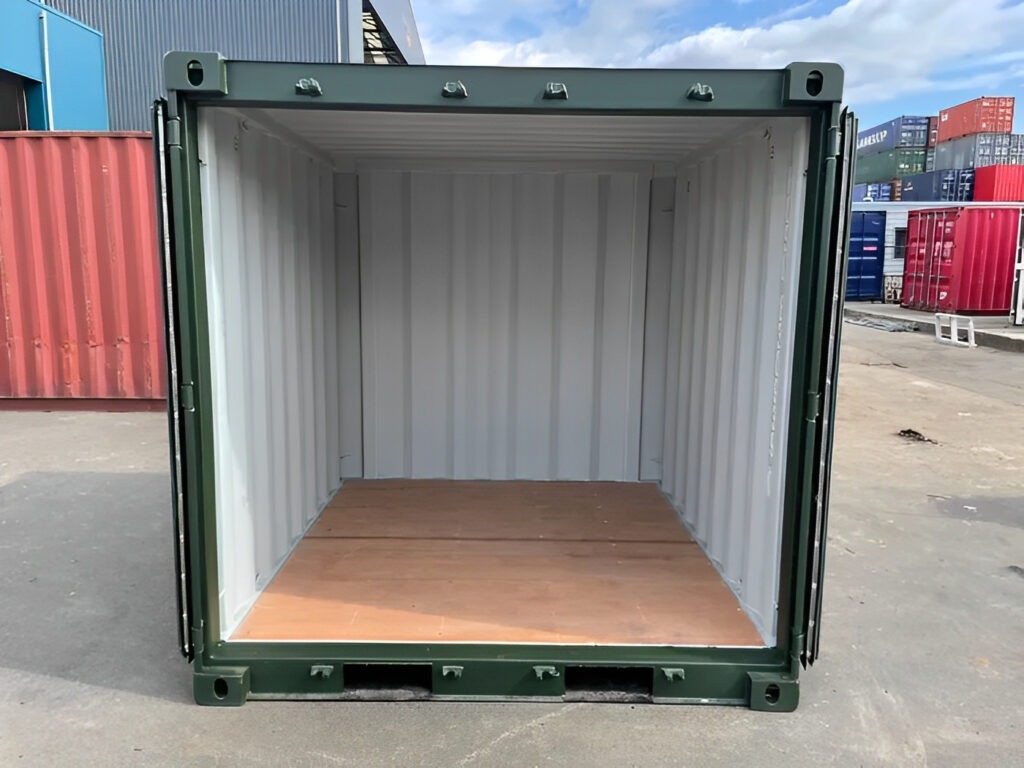
Going Green with Shipping Containers: A Friendly Guide for Eco‑Savvy Entrepreneurs
If you’ve ever walked past a row of rusty steel boxes stacked on a dock, you may have wondered whether there’s a greener way to use those massive, modular marvels. The good news? Yes, there is! Green shipping containers are reshaping logistics, construction, and even urban living by marrying the rugged reliability of the traditional intermodal box with modern sustainability principles. In this post you’ll discover:
- What makes a container “green”
- How to choose the right eco‑friendly option for your project
- Real‑world benefits you can measure (and brag about)
- A handy comparison table, quick‑check lists, and a FAQ that answers the most common doubts
Grab a coffee, settle in, and let’s explore how you can turn a simple metal box into a champion of the circular economy.
1. What Exactly Is a “Green” Shipping Container?
A green shipping container isn’t a brand‑new design that magically sprouted from a sustainable forest. Instead, it’s a traditional 20‑ft or 40‑ft intermodal container that’s either built, modified, or repurposed with environmentally‑friendly practices. Below are the three primary pathways to greener containers:
| Pathway | How It Works | Typical Environmental Wins |
|---|---|---|
| Eco‑Manufactured | Built from recycled steel, low‑carbon alloys, or even alternative materials (e.g., bamboo‑reinforced composites) in factories powered by renewable energy. | ↓ Embodied carbon, ↓ resource extraction, ↑ recyclability |
| Up‑cycled/Retrofitted | Existing containers are stripped, cleaned, insulated with sustainable insulation (sheep’s wool, recycled denim), and fitted with energy‑saving fixtures (LEDs, solar panels). | ↓ waste sent to landfill, ↑ energy efficiency, extended service life |
| Fully Recycled | End‑of‑life containers are melted down and re‑formed into new containers or other products (furniture, shelter modules). | Closed‑loop material flow, ↓ raw‑material demand |
The “green” label is therefore a spectrum, not a binary switch. As you evaluate options, ask yourself which aspects (materials, energy use, end‑of‑life) matter most to your values and bottom line.
2. Why Green Containers Matter for Your Business
2.1 Cut Costs While Cutting Carbon
- Energy Savings: Proper insulation and solar roof panels can reduce heating and cooling loads by 30‑50 % compared to a bare steel box.
- Longevity: A well‑maintained retrofitted container lasts 20‑30 years, outliving many conventional warehouses that need periodic rebuilds.
- Tax Incentives: Many jurisdictions offer rebates for using renewable energy systems or recycled building materials—check your local government’s green‑building credits.
2.2 Boost Brand Reputation
Consumers increasingly reward companies that demonstrate tangible sustainability actions. A visible green container—perhaps painted in your brand’s earth tones and fitted with a rooftop garden—tells a story that resonates on social media, at trade shows, and during client site visits.
2.3 Meet Regulatory Demands
From the European Union’s Circular Economy Action Plan to the United States’ EPA Green Building Guidelines, regulations are nudging (or forcing) businesses to adopt greener logistics. Investing now can keep you ahead of mandatory compliance curves.
3. How to Choose the Right Green Container for Your Project
Below is a quick‐start checklist to guide your decision‑making process:
- Define the Use‑Case – Storage, pop‑up retail, mobile office, housing, or a hybrid?
- Assess Climate Requirements – Will the container be in a hot desert, a cold warehouse, or a temperate urban site?
- Determine Budget & ROI Timeline – Up‑front costs vs. long‑term savings?
- Check Local Regulations – Zoning, fire safety, and renewable‑energy permitting.
- Select a Supplier with Transparency – Look for third‑party certifications (ISO 14001, LEED, BREEAM).
3.1 Example: Choosing a Green Office Container
| Requirement | Traditional Steel Container | Eco‑Manufactured Container | Up‑cycled Green Container |
|---|---|---|---|
| Initial Cost | $3,000–$4,500 (raw) | $5,000–$6,500 (new) | $4,500–$6,000 (refurbished) |
| Insulation (R‑value) | R‑2 (bare) | R‑8 (high‑tech) | R‑6 (recycled denim) |
| Energy Source | None | Integrated solar roof (2 kW) | Optional solar add‑on |
| Carbon Footprint (embodied) | 5.2 t CO₂e | 3.8 t CO₂e | 3.5 t CO₂e (recycled) |
| Life Expectancy | 15 years | 30 years | 25 years |
| Maintenance | High (rust, repaint) | Low (coated steel) | Medium (insulation check) |
Use this matrix as a baseline; tweak numbers based on local suppliers and specific configurations.
4. Practical Ways to Green‑ify Your Container
Below are five actionable steps you can take right now, whether you’re buying a brand‑new eco‑box or retrofitting an old one:
- Insulate with Sustainable Materials
Options: Recycled denim batts, sheep’s wool, cork panels, or hemp fiber. Each offers high R‑values without toxic off‑gassing. - Install Renewable Energy
- Solar Panels: Flexible thin‑film panels cling directly to the roof, preserving the container’s shape.
- Wind Turbines: Small vertical‑axis turbines work well on rooftops where wind is steady.
- Add Green Roof or Vertical Garden
A lightweight soil mix topped with native succulents or herbs can improve insulation, manage stormwater, and create a pleasant micro‑climate. - Upgrade to LED Lighting & Smart Controls
Use motion‑sensor LED strips and a programmable thermostat to cut electricity usage by up to 70 %. - Choose Non‑Toxic Finishes
Low‑VOC paints, natural oil sealants, or recycled‑plastic coatings protect the metal while keeping indoor air quality high.
Quick Green‑Retrofit Checklist
| ✅ | Task | Recommended Product/Brand |
|---|---|---|
| 1 | Clean and sandblast interior | EcoBlast (low‑water pressure) |
| 2 | Apply rust‑inhibiting primer | GreenShield (zinc‑rich) |
| 3 | Install insulation | DenimGuard (recycled cotton) |
| 4 | Fit LED lighting + motion sensor | EcoLite (smart dimmer) |
| 5 | Mount solar panel kit | SunFlex 2 kW (flexible) |
| 6 | Seal with low‑VOC paint | EcoCoat (water‑based) |
| 7 | Add rain‑water collection barrel (optional) | BlueDrop (recycled plastic) |
Tick these boxes, and you’ll have a container that not only looks greener but actually behaves greener.
5. Real‑World Success Stories
| Company | Application | Green Features | Impact |
|---|---|---|---|
| EcoLogistics Ltd. (UK) | Mobile cold‑storage hub | 100 % recycled steel, solar‑powered refrigeration, biodegradable insulation | Reduced carbon emissions by 40 % vs. diesel generators |
| UrbanNest (USA) | Pop‑up micro‑apartments | Green roof, reclaimed wood interiors, rainwater harvesting | 30 % lower utility bills for tenants; received LEED Silver |
| Sea2Land (Australia) | Emergency housing | Modular panels of recycled PET, solar lanterns, composting toilets | Deployed 20 units in 48 hrs after cyclone; all components recyclable |
These case studies illustrate that green containers are not a niche novelty—they’re a versatile, proven solution across continents.
6. Frequently Asked Questions
| Question | Answer |
|---|---|
| Are green containers more expensive than regular ones? | Up‑front costs can be 10‑30 % higher due to insulation, renewable‑energy components, or recycled‑material premiums. However, lifecycle savings (lower energy bills, longer lifespan) often offset the initial spend within 3‑5 years. |
| Can I install a green container on any site? | Most containers are designed for modular placement. You’ll need a level foundation (concrete pad, steel frame, or even a compacted gravel bed). Some municipalities require a building permit for permanent installations, especially for habitable use. |
| How do I maintain the green features? | Insulation should be inspected annually for moisture. Solar panels need periodic cleaning and a check on wiring. LED fixtures are low‑maintenance but replace batteries in motion sensors every 2‑3 years. |
| Is there a certification that proves a container is “green”? | Look for ISO 14001 (environmental management), LEED (for built‑out spaces), or BREEAM certifications. Some manufacturers also provide a Carbon Footprint Disclosure that quantifies embodied emissions. |
| Can I transport a green container the same way as a regular one? | Yes. Green containers meet the same ISO 668 dimensions and can be stacked, lifted, and shipped via rail, sea, or road without special handling. |
| What happens at the end of its life? | Ideally, the container is sent back to a certified recycling facility where steel is melted and reused. Green finishes and insulation are chosen for recyclability, ensuring a closed‑loop lifecycle. |
7. Bottom Line: Your Green Container Journey Starts Today
Whether you’re a start‑up founder looking for an eye‑catching pop‑up shop, a logistics manager aiming to shrink your carbon ledger, or a community organizer seeking rapid‑deployment shelters, green shipping containers give you a flexible, affordable, and environmentally responsible tool.
Here’s a simple three‑step roadmap to get moving:
- Research & Source – Identify suppliers offering eco‑manufactured or certified up‑cycled containers. Request material data sheets and carbon‑footprint reports.
- Plan Your Retrofit – Use the checklist above to decide which green upgrades align with your budget and climate.
- Implement & Track – Install the upgrades, then monitor energy use, maintenance costs, and any regulatory incentives. Record the data—it’s powerful proof for stakeholders and future projects.
Remember, every square foot of sustainable insulation, every kilowatt‑hour of solar power, and every recycled bolt adds up to a significant reduction in your environmental impact—and a compelling story you can share with customers, investors, and your community.
So the next time you see a line of steel boxes on a dock, imagine the possibilities: a green container humming quietly on solar power, sheltering a thriving micro‑farm, or serving as the headquarters for the next breakthrough start‑up. The future is modular, the future is renewable, and it’s waiting for you to load it up.
—Happy building, and may your containers always be green!