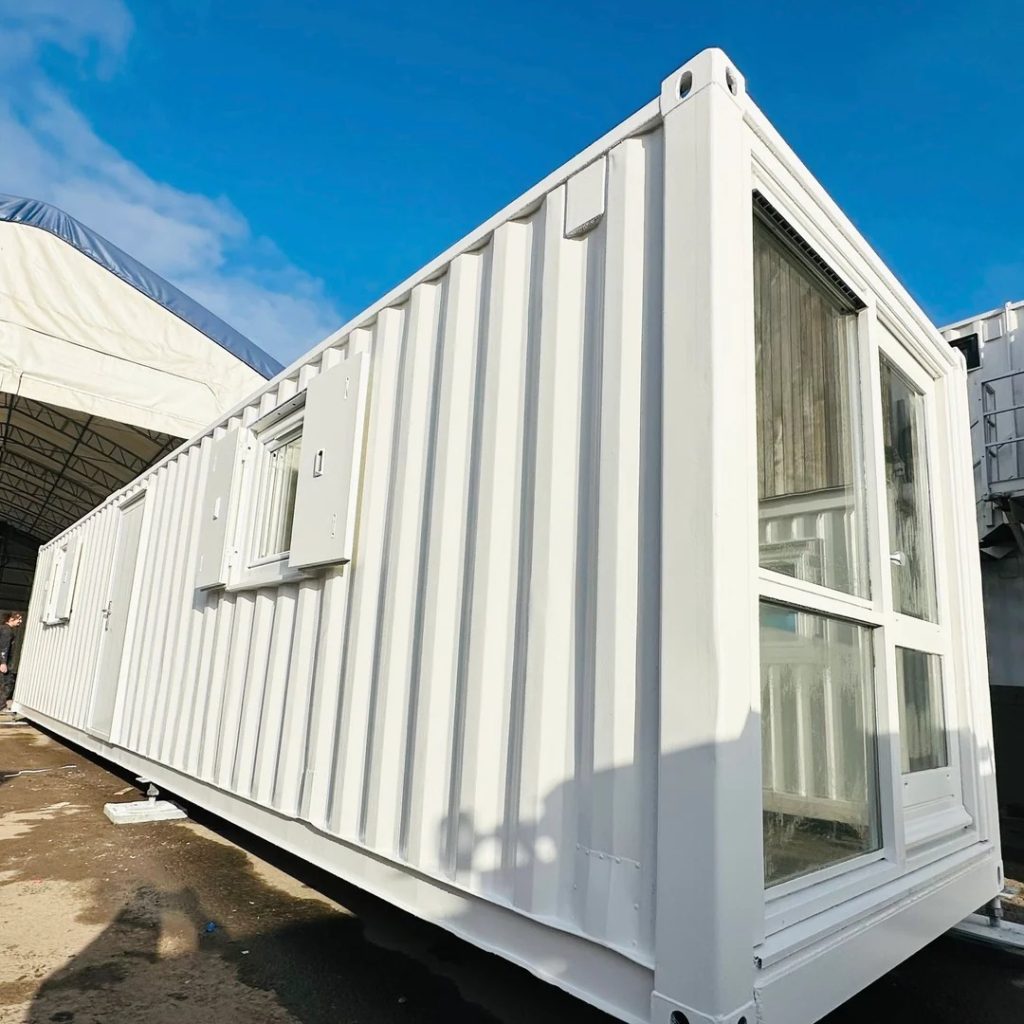
Hire Storage Containers: The Friendly Guide You’ve Been Waiting For
Whether you’re tackling a home renovation, moving to a new office, or simply need a temporary “stuff‑stash” for a weekend project, hiring a storage container can be a game‑changer. It saves you the headache of multiple trips to the truck, protects your belongings from the elements, and often costs less than renting a traditional self‑storage unit.
Below you’ll find everything you need to know—right from choosing the right size to budgeting, loading tricks, and even a quick FAQ to keep you from getting stuck. Grab a cup of coffee, sit back, and let’s get you set up with the perfect container for your next adventure.
1. Why Hire a Storage Container Instead of Buying One?
| Consideration | Hire | Buy |
|---|---|---|
| Up‑front cost | Low (pay only for the weeks/months you need) | High (you pay the full purchase price) |
| Flexibility | Easy to up‑size or down‑size on short notice | Fixed size; you must store or sell excess space |
| Maintenance | Provider handles cleaning, repairs, and transport | You’re responsible for upkeep and any damage |
| Long‑term storage | Not ideal for indefinite storage (cost adds up) | Perfect if you need a permanent on‑site solution |
| Mobility | Container can be delivered to any site, then moved again | Moving a owned container later can be expensive |
If you only need a container for a few weeks or months, hiring is nearly always the smarter choice. It lets you stay agile, especially when projects shift or when you’re not sure exactly how much space you’ll need.
2. The Most Common Container Types (and When to Use Them)
| Container | Typical Dimensions (L×W×H) | Ideal For |
|---|---|---|
| Standard 20‑ft Dry Box | 20′ × 8′ × 8′ (6.1 m × 2.44 m × 2.59 m) | Small home remodels, garden tools, seasonal décor |
| Standard 40‑ft Dry Box | 40′ × 8′ × 8′ (12.2 m × 2.44 m × 2.59 m) | Full‑house clean‑outs, office equipment, large‑scale construction |
| 20‑ft High‑Cube | 20′ × 8′ × 9′ 6″ (6.1 m × 2.44 m × 2.9 m) | Extra height for bulky items (pianos, large appliances) |
| 40‑ft High‑Cube | 40′ × 8′ × 9′ 6″ (12.2 m × 2.44 m × 2.9 m) | Commercial inventory, vehicle storage, multi‑room furniture |
| Reefer (Refrigerated) Box | Usually 20‑ft or 40‑ft, insulated | Perishable goods, medical supplies, temperature‑sensitive equipment |
| Open‑Top Box | Same footprint as 20‑ft/40‑ft, top removable | Oversized items like timber, large machinery, or items that need crane loading |
Quick tip: If you’re not certain about size, start with a 20‑ft container. It’s surprisingly spacious—think of a small studio apartment—and you can always upgrade later.
3. How to Estimate the Right Size (A Simple “Room‑Count” Hack)
- List every item you plan to store. Write it down—sofa, mattress, boxes of books, etc.
- Assign a “room” to each major piece. A sofa + coffee table ≈ a living‑room corner (about 120 sq ft).
- Add up the total square footage.
- Match the total to container specs:
| Total Sq ft | Recommended Container |
|---|---|
| 0 – 150 | 20‑ft Dry Box (≈ 160 sq ft floor space) |
| 151 – 300 | 40‑ft Dry Box (≈ 320 sq ft floor space) |
| 301+ | Two 20‑ft boxes or a 40‑ft High‑Cube (more height) |
Remember, you can always stack boxes vertically—just leave a few inches of clearance for air flow and safety.
4. Pricing 101 – What to Expect When You Hire
| Container Size | Typical Weekly Rate | Typical Monthly Rate | Delivery & Pick‑up (One‑Way) |
|---|---|---|---|
| 20‑ft Dry Box | $45 – $70 | $150 – $250 | $80 – $120 |
| 40‑ft Dry Box | $80 – $120 | $260 – $380 | $120 – $180 |
| 20‑ft High‑Cube | $55 – $85 | $190 – $280 | $90 – $130 |
| 40‑ft High‑Cube | $95 – $140 | $320 – $460 | $130 – $200 |
| Reefer (20‑ft) | $120 – $170 | $460 – $620 | $150 – $200 |
Rates vary by region, provider, and contract length. Many companies offer discounts for longer hires (e.g., 10% off a 3‑month rental). Be sure to ask about “free‑day” deliveries, fuel surcharges, and insurance options before you sign.
5. Loading Hacks: Maximize Space & Keep Things Safe
- Create a “floor‑first” plan. Place larger, heavier items on the bottom (think appliances, pallets of boxes).
- Use pallets or wooden boards. They keep the floor dry, protect against moisture, and make it easier to roll items out later.
- Wrap fragile items in bubble wrap or moving blankets. Secure with stretch‑film to avoid shifting.
- Leave a central “aisle.” A 2‑foot path lets you stroll in and out without toppling everything.
- Utilize the roof! If you have a high‑cube, stack lightweight boxes (clothing, seasonal décor) on top—just keep the heaviest items lower.
Pro tip: Label every box on two sides (front and side). When you finally unload, you’ll know exactly where each item lives, saving hours of rummaging.
6. Insurance & Liability—What You Need to Know
Most reputable container‑hire firms provide basic coverage (often around $1,000) as part of the rental agreement. However, this may not be enough for high‑value items like electronics, art, or specialty equipment. Consider the following options:
| Coverage Type | What It Covers | Typical Cost (per month) |
|---|---|---|
| Provider’s Basic Liability | Damaged container, basic contents up to $1,000 | Included |
| Third‑Party Movers Insurance | Full replacement value for all contents | $15‑$30 per $1,000 of value |
| Homeowner’s / Renter’s Policy Extension | May cover stored items if they’re listed | Varies (often a small surcharge) |
| Stand‑Alone Container Insurance | Specialized policies for businesses | $30‑$80 per month |
Ask the provider: “If a storm damages the container, who is responsible for my goods?” Getting a written clarification can protect you from surprise claims later.
7. Step‑by‑Step Checklist: Hiring a Container in 7 Easy Moves
| Step | Action | Why It Matters |
|---|---|---|
| 1 | Define purpose & timeline | Guarantees you choose the right size & rental period |
| 2 | Gather quotes from 3+ providers | Ensures competitive pricing & service comparison |
| 3 | Inspect the container before signing | Checks for rust, leaks, structural damage |
| 4 | Confirm delivery address & access | Avoids surprises with narrow driveways or parking permits |
| 5 | Arrange insurance | Shields you from loss or damage |
| 6 | Plan loading layout | Maximizes space and protects items |
| 7 | Schedule pick‑up & return | Keeps you on schedule and prevents late‑fee penalties |
8. Real‑World Scenarios: When Hiring Made All the Difference
| Scenario | Challenge | How Hiring Helped |
|---|---|---|
| Home Renovation | Dust, ongoing construction, need to protect furniture | 20‑ft container delivered to driveway; loaded before demolition began, kept clean and safe |
| Seasonal Business Stock | Fluctuating inventory during holidays | 40‑ft high‑cube rented for 2 months; extra height stored packaging supplies on top |
| Estate Clean‑Out | Large volume of heirlooms, limited garage space | Two 20‑ft containers used; one for furniture, one for boxes of documents—both delivered to the curb for easy loading |
| Moving a Small Office | Tight timeline, limited parking | 40‑ft dry box delivered to the office lot; all desks, chairs, and equipment loaded in one day, freeing the moving truck for a quick transport |
These examples show that whether you’re a DIY homeowner or a busy entrepreneur, a hired storage container can save you time, money, and stress.
9. Frequently Asked Questions (FAQ)
Q1: How far in advance should I book a container?
Answer: Most providers recommend at least 5–7 business days before you need it, especially during peak moving seasons (spring & summer). For large or specialty containers (like reefers), book 2 weeks ahead.
Q2: Can I keep the container on my property long‑term?
Answer: Yes, but most contracts have a maximum rental period (often 12 months). Past that, you’ll be charged a higher “extended‑stay” rate. If you need permanent on‑site storage, purchasing may be more cost‑effective.
Q3: What if the container gets damaged while it’s on my property?
Answer: Liability usually falls on the renter, unless the damage is caused by the provider’s delivery crew. Your insurance or the provider’s add‑on coverage should address this—always read the fine print.
Q4: Are there weight limits inside a container?
Answer: Yes. A standard 20‑ft dry box can safely hold up to 25,000 lb (≈ 11,340 kg), while a 40‑ft box can handle up to 45,000 lb. Exceeding these limits risks structural damage and may void insurance.
Q5: Do I need a permit to place a container on the street?
Answer: It depends on local regulations. Many cities require a temporary placement permit for curbside delivery. Your provider usually assists with paperwork, but double‑check with your municipal office.
Q6: Can I move the container myself once it’s delivered?
Answer: Technically you can, but it’s not recommended unless you have a licensed forklift or a heavy‑duty truck with a winch. Most contracts stipulate that the provider handles all relocation to avoid liability.
Q7: What if I need the container for a one‑day event (e.g., a pop‑up shop)?
Answer: Many firms offer “day‑use” rentals at a premium rate. Ask for a “short‑term” quote and confirm that the container will be returned the same day to avoid overnight fees.
10. Final Thoughts – Your Next Move Is Just a Call Away
Hiring a storage container is a simple, flexible, and cost‑effective solution for a surprisingly wide range of needs. By understanding the different sizes, pricing structures, and loading tricks, you’ll feel confident walking into a provider’s office (or website) and saying, “I’d like a 40‑ft high‑cube for three months, please.”
Remember to:
- Plan ahead (size and timeline)
- Shop around for the best rate and service
- Protect your items with proper packing and insurance
- Load smartly to make the most of that valuable cubic footage
Now that you’ve got the know‑how, go ahead and give that container a home. Your next project—whether it’s a sleek new kitchen, an organized garage, or a tidy office move—just became a whole lot easier. Happy storing!