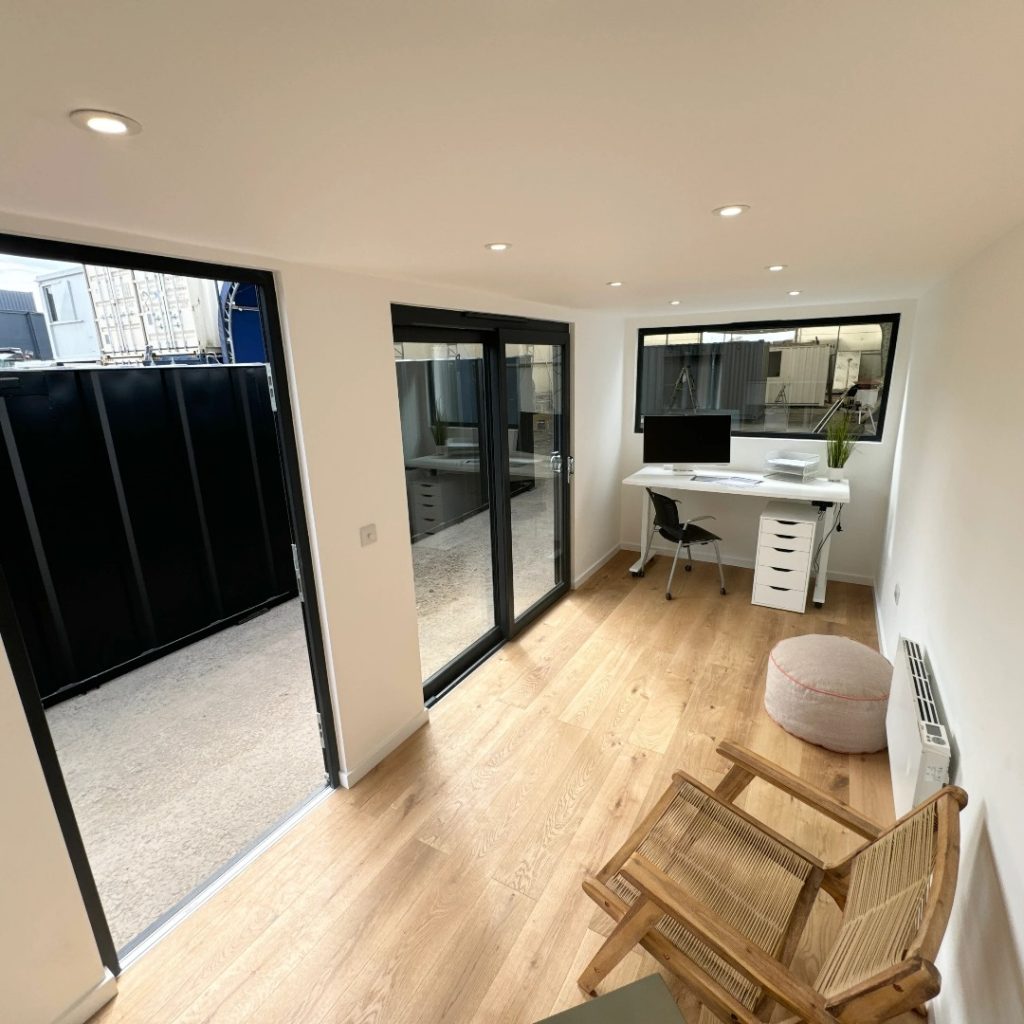
Turning Steel Boxes into Dream Homes: Your Complete Guide to Home Containers
If you’ve ever imagined a house that’s sleek, sustainable, and surprisingly affordable, you’ve probably stumbled upon the term “home container.” Whether you’re a DIY‑enthusiast, a tiny‑home lover, or simply looking for a clever way to add extra space to your property, container living can be the answer you didn’t know you needed.
In this post we’ll walk you through everything you need to know—from the basics of a shipping container to budgeting, design tricks, and the most common questions people ask. Grab a cup of coffee, get comfortable, and let’s explore how you can turn a rust‑proof steel box into a cozy, stylish home that reflects your personality.
1. What Exactly Is a Home Container?
A home container (also called a container home, shipping‑container house, or modular steel home) is a residential structure built from one or more repurposed cargo containers. These containers—originally designed to transport goods across oceans—are now being reclaimed as building blocks for modern dwellings.
| Feature | Traditional Home | Container Home |
|---|---|---|
| Structure | Wood framing, brick, or concrete | Steel box (ISO 1‑6) |
| Construction time | 6‑12 months (or more) | 4‑12 weeks (modular) |
| Typical cost per square foot | $150‑$250 | $80‑$150 |
| Thermal performance | High (when well‑insulated) | Moderate – needs extra insulation |
| Mobility | Fixed | Potentially relocatable |
| Sustainability | Varies (often high material waste) | High – re‑uses existing steel |
The steel chassis gives containers incredible strength, weather resistance, and a built‑in modularity that makes expansion a breeze. Pair that with today’s design software and a bit of creativity, and you have a blank canvas ready for your personal touch.
2. Why Consider a Container Home?
2.1 Speed & Simplicity
Because the containers arrive already “built,” you skip weeks (or months) of framing, roofing, and exterior finishing. All you need to do is cut, insulate, and finish the interior and exterior to suit your style.
2.2 Affordability
A brand‑new 20‑foot container can cost $2,500‑$4,000, and a 40‑foot unit around $3,500‑$6,500. By contrast, a conventional 800‑sq‑ft home often surpasses $120,000. The cost savings grow even larger when you DIY or work with a local fabricator.
2.3 Sustainability
Re‑using a steel container diverts it from the scrap pile, reduces the need for new lumber, and often results in a lower carbon footprint. Pair it with solar panels, rain‑water harvesting, and high‑efficiency appliances and you have an eco‑friendly nest.
2.4 Design Flexibility
Stack two containers, place them side‑by‑side, or cut out large windows—there’s no single “look.” From minimalist lofts to rustic cabins, the possibilities are limited only by your imagination (and local building codes).
3. Getting Started: The Step‑by‑Step Blueprint
Below is a practical roadmap you can follow, no matter if you’re a seasoned builder or a first‑time homeowner.
| Step | What You’ll Do | Key Tips |
|---|---|---|
| 1️⃣ Define Your Purpose | Live‑in home, guest house, studio, office? | Write a short brief: square footage, rooms, budget. |
| 2️⃣ Check Zoning & Permits | Contact your city planning dept. | Some municipalities treat containers as “accessories”; others require full residential permits. |
| 3️⃣ Choose the Right Container Size | 20‑ft, 40‑ft, 45‑ft, or custom? | 40‑ft gives ~320 sq ft per unit (after interior walls). |
| 4️⃣ Source a Quality Container | New, “one‑trip,” or used? | Look for “one‑trip” (never shipped twice) – minimal dents, no rust. |
| 5️⃣ Plan the Layout | Sketch floor plan, decide where to cut walls. | Use free tools like SketchUp or RoomSketcher. |
| 6️⃣ Insulation & Weather‑Proofing | Spray‑foam, rigid board, or blanket? | Combine interior spray‑foam with exterior rigid board for best R‑value. |
| 7️⃣ Structural Modifications | Cut windows, doors, create openings. | Reinforce with steel studs or a “header” to keep strength. |
| 8️⃣ Interior Finishing | Drywall, flooring, cabinetry. | Choose lightweight, moisture‑resistant materials. |
| 9️⃣ Exterior Finishing | Cladding, paint, roofing over‑hangs. | Add a small roof extension to protect walls from rain. |
| 🔟 Utilities & Services | Electrical, plumbing, HVAC. | Prefab “plug‑and‑play” kits simplify the process. |
| 1️⃣1️⃣ Inspection & Occupancy | Final city inspection. | Keep all receipts and documentation for future resale. |
Take each step one at a time, and you’ll find the project manageable rather than overwhelming.
4. Budget Breakdown – Where Does Your Money Go?
Below is a sample budget for a 800‑sq‑ft, two‑container home (40‑ft each) in the United States. Numbers are approximate and will vary by region.
| Category | Approx. Cost | Percentage of Total |
|---|---|---|
| Containers (2 × 40‑ft) | $8,000 | 20% |
| Site Preparation (foundation, grading) | $6,000 | 15% |
| Insulation & Weatherproofing | $7,000 | 18% |
| Structural Modifications (cutting, welding, reinforcement) | $5,000 | 13% |
| Exterior Finishes (cladding, roofing, doors, windows) | $5,500 | 14% |
| Interior Finishes (drywall, flooring, fixtures) | $5,000 | 13% |
| Utilities (plumbing, electrical, HVAC) | $4,500 | 11% |
| Permits & Inspection Fees | $1,500 | 4% |
| Contingency (10%) | $4,600 | 12% |
| TOTAL | $47,100 | 100% |
Pro tip: Keep a 10‑15% contingency fund. Unexpected rust, additional structural reinforcement, or design changes can quickly add up.
5. Design Hacks to Make Your Container Home Feel Spacious
- Open‑Plan Layout – Remove interior walls between containers for a loft‑style flow.
- Floor‑to‑Ceiling Glass – Install large sliding doors or floor‑to‑ceiling windows on one side.
- Lofted Bedrooms – Use the container’s 8‑ft ceiling to create a mezzanine; saves square footage.
- Skylights & Light Tubes – Bring daylight into the center of the box where natural light is scarce.
- Exterior Decks – A simple wooden deck on the roof or side adds outdoor living space without extra cost.
6. Maintenance Made Easy
- Check for Rust Annually: Even though containers are treated, any scratches can let moisture in. Spot‑treat with rust‑inhibiting primer and paint.
- Seal Windows & Doors: Re‑apply silicone caulk every 2‑3 years to keep drafts out.
- Inspect the Roof: If you add a secondary roof or over‑hang, verify there’s no water pooling.
- Ventilation: Ensure proper airflow (especially if using spray‑foam insulation) to avoid condensation.
A well‑maintained container home can easily last 30‑40 years—comparable to a conventional house.
7. Frequently Asked Questions
Q1: Do I need a special foundation for a container home?
A: Most containers sit on a pier or concrete slab foundation. Because the steel frame is lightweight, you don’t need a full basement unless you want one.
Q2: How do I insulate a metal box without causing condensation?
A: Combine closed‑cell spray foam (inside) with rigid foam board (outside) and install a vapor barrier. This “sandwich” method minimizes temperature differentials that cause moisture.
Q3: Can I move my container home after it’s built?
A: Yes, if you keep the structure modular and avoid permanent foundations. You’ll need a crane and a new permit at the destination, but relocation is feasible.
Q4: Are container homes safe in earthquakes and hurricanes?
A: Steel frames are extremely strong and can withstand high winds. Proper anchoring and reinforcement are essential for seismic zones—consult a structural engineer.
Q5: What about resale value?
A: As the trend grows, container homes are gaining market acceptance. A well‑finished, code‑compliant unit can fetch a price comparable to similarly sized conventional homes.
Q6: Do I need a separate HVAC system?
A: Mini‑split heat pumps are popular for container homes because they’re compact, energy‑efficient, and easy to install.
Q7: How long does it take from purchase to move‑in?
A: Typically 8‑12 weeks if you handle most of the work yourself; hiring a contractor can reduce the timeline to 4‑6 weeks.
8. Final Thoughts – Your Steel‑Strong Sanctuary Awaits
Container homes may have started as a clever solution for remote construction sites, but today they’re a mainstream choice for creative homeowners. The blend of speed, cost‑effectiveness, and sustainability makes them an attractive alternative to the traditional housing market.
Imagine stepping onto a rooftop deck, sipping coffee under a sky‑high skylight, and knowing your home is built from a re‑purposed, recyclable material—a true testament to modern living.
Ready to get started? Grab a notebook, sketch out your dream layout, and start researching local suppliers. The perfect steel‑cased sanctuary is just a few cuts and a lot of imagination away.
Happy building! 🌟