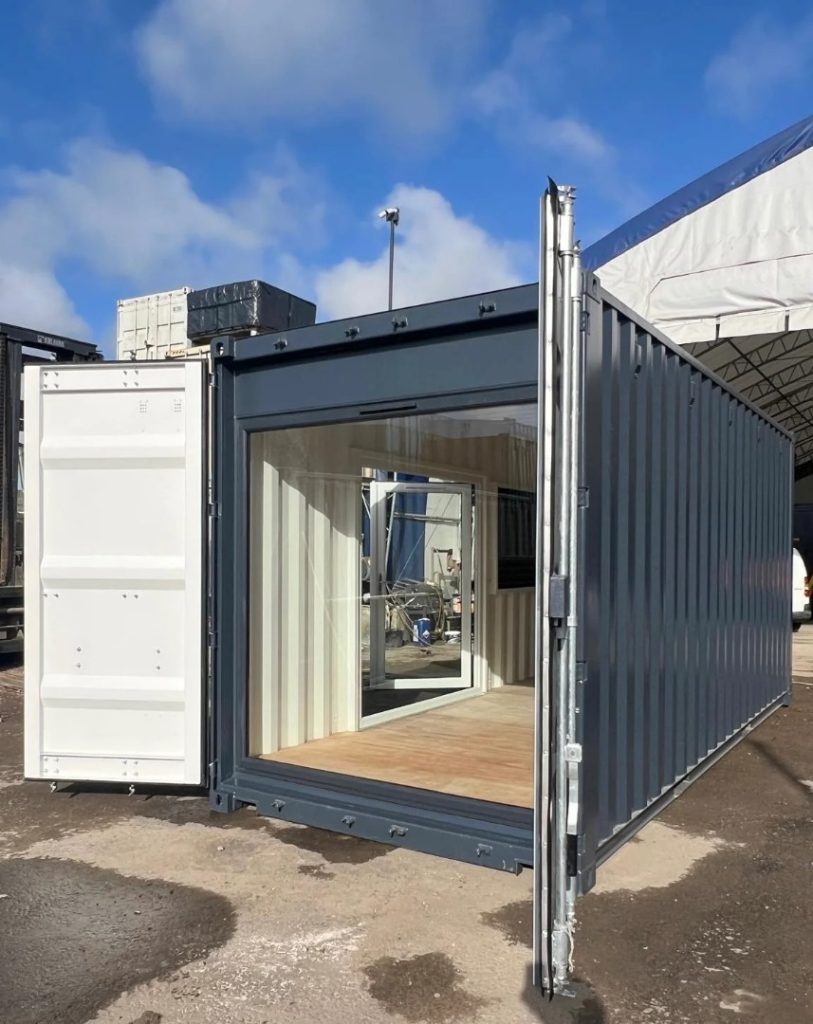
Metal Shipping Containers: The Friendly Guide to Buying, Using, and Loving Your Steel Box
Whether you’re a small‑business owner looking for an affordable storage solution, an architect dreaming of a pop‑up café, or a DIY enthusiast ready to turn a steel box into a backyard office, metal shipping containers have become the go‑to “building block” of modern logistics and creative design.
In this post you’ll discover:
- What makes metal containers so versatile – a quick rundown of their core advantages.
- The most common sizes and specifications, laid out in an easy‑to‑read table.
- A checklist of creative uses – from storage to shelter and everything in between.
- How to choose, purchase, and maintain your container so it lasts for decades.
- Answers to the most‑asked questions in our FAQ.
Grab a coffee, get comfortable, and let’s explore the world of steel boxes together.
1. Why Metal Shipping Containers Are the Smart Choice
| Feature | What It Means for You | Real‑World Example |
|---|---|---|
| Durability | 1‑inch CORTEN, COLD‑ROLLED, or GALVANIZED steel resists rust, dents, and weather for 20‑+ years. | A construction site keeps tools safe through rain, snow, and desert heat. |
| Security | Heavy‑duty locks, reinforced corners, and tamper‑proof hinges protect valuable assets. | A boutique retailer stores high‑value inventory without needing an extra security system. |
| Portability | Standard dimensions fit onto trailers, trains, and ships – you can move a container anywhere the road goes. | A traveling food‑truck festival ships a fully equipped kitchen in one container. |
| Cost‑Effectiveness | Mass‑produced, reusable, and stackable, containers cost a fraction of a traditional building. | A startup converts a single 20‑ft unit into an office for under $5,000. |
| Customization | Cut, weld, paint, insulate, and add windows/doors to fit any purpose. | An artist creates a pop‑up gallery with skylights and climate control. |
These strengths make metal containers the Swiss Army knife of the built environment – sturdy enough for industrial use, yet flexible enough for artistic expression.
2. Size & Specification Cheat‑Sheet
The International Organization for Standardization (ISO) defines the most common container dimensions. Below is a quick reference that you can print out and keep in your project folder.
| Size | External Dimensions (L × W × H) | Internal Dimensions (L × W × H) | Cargo Capacity (CBM) | Typical Door Type | Common Uses |
|---|---|---|---|---|---|
| 20‑ft Standard | 20′ × 8′ × 8′ 6″ (6.06 m × 2.44 m × 2.59 m) | 19′ 4″ × 7′ 8″ × 7′ 9″ (5.90 m × 2.35 m × 2.39 m) | 33.2 | Single‑door, 8′ × 8′ 6″ | Mini‑warehouse, pop‑up shop |
| 40‑ft Standard | 40′ × 8′ × 8′ 6″ (12.19 m × 2.44 m × 2.59 m) | 39′ 5″ × 7′ 8″ × 7′ 9″ (12.03 m × 2.35 m × 2.39 m) | 67.7 | Single‑door, 8′ × 8′ 6″ | Large storage, workshop |
| 40‑ft High‑Cube | 40′ × 8′ × 9′ 6″ (12.19 m × 2.44 m × 2.90 m) | 39′ 5″ × 7′ 8″ × 8′ 10″ (12.03 m × 2.35 m × 2.69 m) | 76.0 | Single‑door, 8′ × 8′ 6″ | Offices, labs, living spaces |
| 45‑ft High‑Cube | 45′ × 8′ × 9′ 6″ (13.72 m × 2.44 m × 2.90 m) | 44′ 4″ × 7′ 8″ × 8′ 10″ (13.53 m × 2.35 m × 2.69 m) | 86.0 | Double‑door, 8′ × 8′ 6″ | Large workshops, retail floors |
| 20‑ft Refrigerated (R‑container) | Same as 20‑ft Standard, insulated + refrigeration unit | Same as 20‑ft Standard (inner walls insulated) | 28.0 (slightly less) | Single‑door with insulated frame | Perishables, pharma storage |
Tip: If you need extra headroom for standing or installing shelving, the High‑Cube models give you roughly a foot of additional interior height—perfect for a comfortable office or studio.
3. 15 Creative Ways to Put a Metal Container to Work
Below is a quick‑scan list. Pick a few that spark your imagination and start planning!
- Portable Office – Insulate, add a HVAC unit, glass windows, and a small kitchenette.
- Pop‑Up Retail Store – Install a storefront façade, lighting, and shelving.
- Home Office/Studio – Finish interior with drywall, a desk, and ergonomic lighting.
- Workshop – Weld in a heavy‑duty roll‑up door, set up workbenches, and install power outlets.
- Garage/Carport – Cut large side doors to accommodate a vehicle, add a concrete slab.
- Tiny House – Combine two containers, add interior partitions, plumbing, and a roof terrace.
- Outdoor Kitchen – Fit a grill, countertop, and weather‑proof cabinets.
- Shipping Container Home – Fully insulated, with plumbing, electricity, and a roof garden.
- Disaster Relief Shelter – Rapidly deployed, weather‑proof, and secure.
- Art Gallery – Add track lighting, adjustable walls, and climate control.
- Data Center – Install raised flooring, fire suppression, and cooling racks.
- Agricultural Storage – Keep tools, seed, and harvest safe from pests.
- Aquaponics Farm – Fit tanks, grow beds, and a water filtration system.
- Community Library – Shelves, reading nooks, and a small children’s area.
- Event Venue – Convert into a DJ booth, dance floor, and bar for festivals.
Quick Check: Before you start customizing, verify local zoning regulations and building codes—some municipalities require a permit for “non‑residential structures,” even if the container is temporary.
4. How to Choose the Right Container for Your Project
Below is a step‑by‑step checklist that you can print and tick off.
| ✅ Step | What to Do | Why It Matters |
|---|---|---|
| 1. Define Your Purpose | Write a one‑sentence mission (e.g., “Create a 200‑sq‑ft office”). | Keeps you from over‑buying or under‑specifying. |
| 2. Pick the Size | Compare interior volume against your floor‑plan. | Guarantees enough space for furniture, equipment, or inventory. |
| 3. Choose the Grade | Standard, High‑Cube, Refrigerated, or Special‑Purpose (e.g., vented for fire extinguishers). | Affects price, insulation, and weight. |
| 4. Decide on Condition | New, One‑Trip Used, Used (≥2 trips), or Damaged (needs repair). | New = premium price, used = budget‑friendly but may need refurbishing. |
| 5. Verify Dimensions | Measure door widths, height clearances, and turning radius for delivery trucks. | Avoids surprises when loading/unloading. |
| 6. Check Certification | Look for ISO 6346 labels, CSC plates, and any local compliance stamps. | Confirms the container meets safety and weight standards. |
| 7. Get a Quote | Request pricing from at least three suppliers, include delivery, taxes, and optional modifications. | Helps you negotiate the best total cost of ownership. |
| 8. Plan Modifications | List needed cuts, windows, doors, insulation, and electrical work. | Streamlines the customization phase. |
| 9. Arrange Financing | Consider leasing, rent‑to‑own, or outright purchase. | Aligns cash flow with project timeline. |
| 10. Confirm Warranty & Support | Ask about structural warranties, rust‑proof coatings, and after‑sales service. | Reduces risk of hidden repair costs. |
5. Maintaining Your Container: A Simple 5‑Month Calendar
| Month | Maintenance Task | How‑to |
|---|---|---|
| January | Inspect for Rust | Walk the exterior, scrub any rust spots with a wire brush, then apply a rust‑inhibiting primer. |
| April | Seal & Paint Touch‑Ups | Re‑apply marine‑grade paint to any faded sections; check for cracks in the sealant around doors. |
| July | HVAC & Insulation Check | Test heating/cooling units; reinforce insulation if you notice condensation. |
| October | Door & Lock Lubrication | Lubricate hinges, latch mechanisms, and padlocks to ensure smooth operation in colder weather. |
| December | Structural Integrity Review | Look for dents or deformations; tighten any loose bolts on the corner castings. |
A quick routine keeps the container looking fresh and extending its lifespan well beyond the typical 15‑year benchmark.
6. Cost Comparison: Buying vs. Leasing
| Option | Up‑Front Cost | Monthly Cost | Typical Contract Length | When It’s Best For |
|---|---|---|---|---|
| Purchase (New) | $3,200–$5,500 (20‑ft) / $6,500–$9,800 (40‑ft) | $0 | N/A | Long‑term ownership, high ROI, custom modifications. |
| Purchase (Used, 1‑Trip) | $2,200–$3,800 / $4,500–$7,200 | $0 | N/A | Budget‑conscious projects, quick turnaround. |
| Lease (Short‑Term) | $0 | $150–$300 (20‑ft) / $250–$500 (40‑ft) | 6–12 months | Seasonal pop‑ups, events, trial projects. |
| Rent‑to‑Own | $500–$1,000 deposit | $200–$350 / $350–$600 | 12–24 months | Businesses that want eventual ownership but need cash flow flexibility. |
Pro tip: Include an “ex‑works” (pick‑up) fee in your calculations if you plan to fetch the container yourself—this can shave $200–$400 off the total price.
7. Frequently Asked Questions (FAQ)
Q1: Do I need a permit to place a container on my property?
Answer: Most municipalities treat a container as a temporary structure for up to 180 days without a building permit, but for permanent installations, you’ll typically need a zoning clearance and possibly an electrical permit. Always check with your local planning department.
Q2: How much weight can a standard 20‑ft container hold?
Answer: The maximum gross weight is 30,480 lb (13,840 kg). After subtracting the tare weight (≈4,800 lb), the payload capacity is roughly 25,680 lb (11,640 kg). For heavy machinery, consider a reinforced floor or a high‑capacity “flat‑rack” container.
Q3: Can I stack containers on top of each other?
Answer: Yes! ISO containers are designed to be stacked up to 8 units high (a “stack height” of about 58 ft). If you plan to stack them yourself, make sure the stacking surface is level and that the bottom unit’s corners are intact.
Q4: What’s the best insulation for a container‑home?
Answer: Use polyurethane spray foam (R‑value 6–7 per inch) for walls and ceiling, combined with rigid foam board on the floor. Finish with interior drywall for a comfortable living environment.
Q5: How do I cut a door or window without compromising structural integrity?
Answer: Keep cuts within the “cut‑out zone”—typically the middle 60% of the side wall. Reinforce the opening with a steel frame and welded reinforcement plates around the perimeter. If you’re unsure, hire a certified welder.
Q6: Are there eco‑friendly options?
Answer: Absolutely! Many suppliers offer recycled‑steel containers and low‑VOC paints. You can also add solar panels to the roof and install a rain‑water catchment system for off‑grid living.
Q7: How long does delivery take?
Answer: From order placement to delivery, the average timeline is 2–4 weeks for new containers, and 1–2 weeks for used units, depending on stock and distance.
8. Ready to Take the Next Step?
You now have a solid toolbox: the right dimensions, an ideas list, a buying checklist, maintenance calendar, and cost guide. All that’s left is to turn your vision into reality.
- Sketch your layout – even a rough hand‑drawing helps clarify space needs.
- Contact three reputable suppliers – ask for photos, condition reports, and delivery quotes.
- Secure financing or a lease based on the cost comparison table.
- Plan your modifications with a trusted fabricator (cutting, welding, painting).
- Enjoy the process – watch your steel box transform into a functional, stylish space!
Metal shipping containers have earned their reputation as the most adaptable building block of the 21st‑century. Whether you’re storing equipment, launching a startup, or building a sustainable tiny house, the possibilities are only limited by your imagination (and a few local building codes).
So go ahead—pick a container, roll up your sleeves, and start creating. Your new steel sanctuary is just a few clicks away!
Happy building! 🚢🏡✨