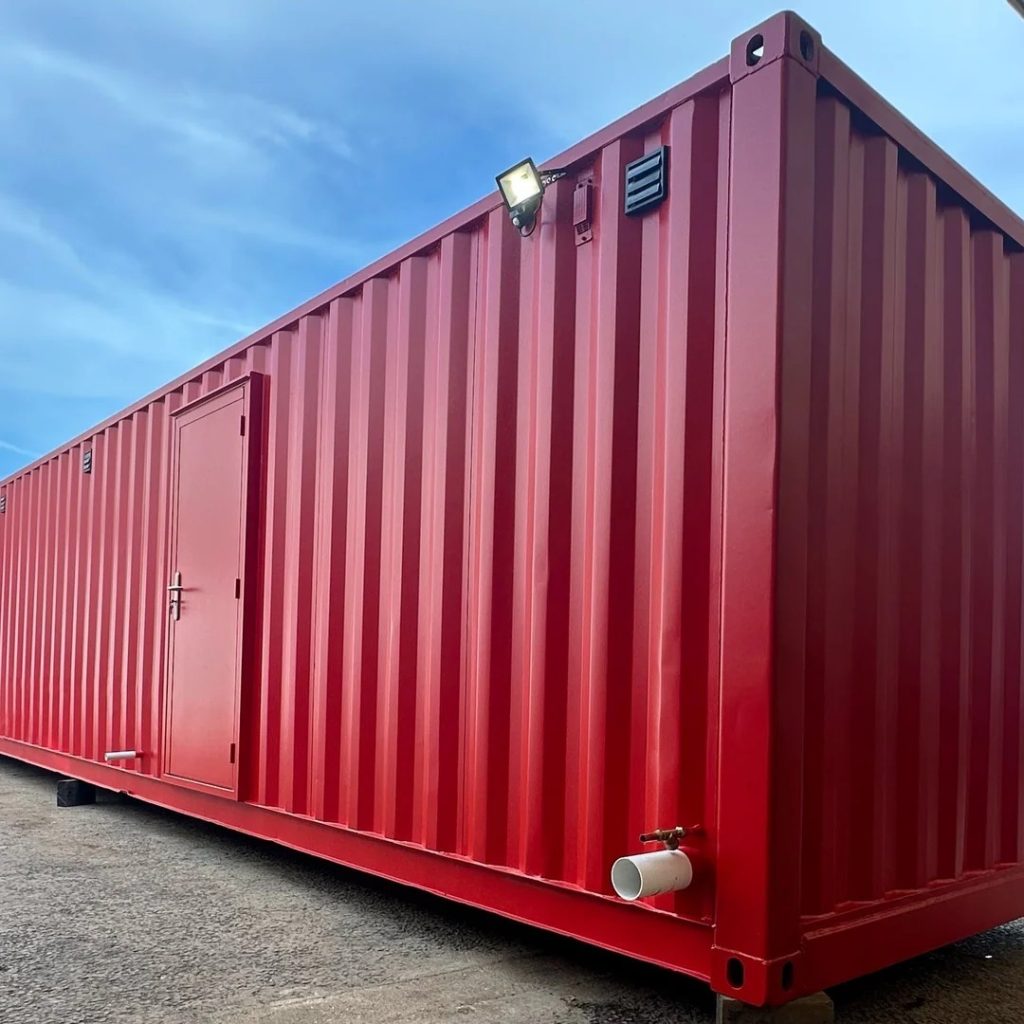
Old Shipping Containers for Sale: A Friendly Guide to Finding the Perfect Steel Box for Your Project
If you’ve ever imagined turning a rusty metal box into a sleek pop‑up shop, a backyard studio, or a sturdy storage unit, you’re not alone. Old shipping containers have become the go‑to building block for DIY‑enthusiasts, entrepreneurs, and even city planners. They’re affordable, durable, and surprisingly versatile. But before you rush to the nearest lot and pick the first container you see, take a moment to explore the world of used containers for sale – the options, the pitfalls, and the smart ways to get the best bang for your buck.
Below, you’ll discover everything you need to know, from the different grades of used containers to the legal hoops you might have to jump through. Grab a coffee, and let’s dive in!
1. Why Choose an Old Container?
| Benefit | What It Means for You |
|---|---|
| Cost‑Effective | A brand‑new 20‑ft container can cost $4,000‑$5,000. A used one in good condition often lands between $1,200‑$2,500, depending on age and condition. |
| Eco‑Friendly | Repurposing a container keeps steel out of the scrap heap and reduces demand for new production – a small but meaningful green win. |
| Built‑In Strength | Even a container that’s been out in the elements for a decade still boasts a Corten steel shell that can withstand 20,000+ lb of pressure. |
| Customization Friendly | Older containers often already have doors, vents, or insulation installed, giving you a head start on your remodel. |
| Immediate Availability | While new builds can be back‑ordered for weeks, many used containers sit on local lot yards ready for same‑day pickup. |
If any of those points spark a “yes, that’s exactly what I need” feeling, you’re already on the right track.
2. Understanding Container Grades – What “Old” Really Looks Like
Not all used containers are created equal. Most sellers grade them according to the visible condition of the exterior, interior, and structural integrity. Here’s a quick cheat‑sheet you can keep on hand when inspecting a lot.
| Grade | Exterior | Interior | Typical Use | Approx. Price (USD) |
|---|---|---|---|---|
| A (One‑Trip) | Clean, no rust, fresh paint | Pristine, no dents | High‑end retail, office space | $3,000‑$4,500 |
| B (One‑Trip – Light Damage) | Minor surface rust, small dents | Light scratches, one or two dents | Pop‑up shops, short‑term storage | $2,200‑$3,500 |
| C (Two‑Trip) | Noticeable rust, paint chips, some dents | Moderate dents, possible water stains | Workshops, garages, conversion projects | $1,500‑$2,500 |
| D (Three‑Trip or More) | Heavy rust, corroded corners, missing panels | Significant dents, possible holes | Raw storage, heavy‑duty freight, demolition | $800‑$1,400 |
| E (Salvage/Repair Needed) | Large sections of rust, structural concerns | Interior may be compromised | Scrap metal, parts harvesting | $300‑$800 |
Tip: If you’re planning a finished interior (office, café, or living space), aim for at least a Grade B container. For pure storage or a workshop where aesthetics matter less, a Grade C or D can be perfectly fine – just be prepared to invest a little extra in cleaning and minor repairs.
3. Key Factors to Evaluate Before You Buy
- Size & Dimensions
- 20‑ft: 20′ × 8′ × 8′ 6″ (standard) – ~1,170 cu ft. Ideal for small studios, tiny homes, or a modest office.
- 40‑ft: 40′ × 8′ × 8′ 6″ – ~2,340 cu ft. Great for larger workshops, multi‑room layouts, or retail pop‑ups.
- 45‑ft High‑Cube: Same footprint as 40‑ft but 9′ 6″ high, offering extra headroom.
- Condition of Doors & Hinges
- Check that doors open smoothly and seal tightly. A warped door can lead to drafts and security issues.
- Floor Integrity
- Look for rusted or sagging floor panels. A thin, corroded floor may need reinforcement before you walk on it.
- History & Documentation
- Ask for the container’s ISO 6346 identification number. This lets you trace its ownership, usage, and any past repairs.
- Local Regulations
- Some municipalities require permits for container conversions, especially if you’re adding utilities or altering the structure.
- Delivery Logistics
- Verify that the seller can handle transport to your site (crane, flatbed truck, etc.) and confirm any extra fees.
4. The Buying Process – A Step‑by‑Step Checklist
Below is a practical to‑do list you can print and tick off as you go.
- Define Your Purpose
- Storage? Office? Tiny home? The intended use will dictate size, grade, and any needed modifications.
- Set a Budget
- Include container price + delivery + any planned upgrades (insulation, windows, HVAC).
- Research Local Suppliers
- Use Google Maps, industry forums, or Facebook Marketplace to locate nearby yards.
- Inspect the Container
- Bring a flashlight, a metal detector (optional), and a notebook. Take photos for reference.
- Ask the Right Questions
- “When was the container built?”
- “Has it been treated for rust?”
- “Do you have the ISO number?”
- Negotiate Terms
- Many sellers are open to a small discount if you’ll handle transport yourself.
- Secure a Purchase Agreement
- A simple written contract outlining price, condition, delivery date, and any warranties protects both parties.
- Arrange Delivery
- Confirm site access (road width, turning radius). If you’re on a residential street, you might need a permit.
- Plan Your Modifications
- Draft a rough layout. Decide on insulation (spray foam vs. blanket), interior framing, and exterior paint.
- Kick Off the Project!
- Celebrate your first step toward turning a steel box into a functional space.
5. Common DIY Upgrades – What You Might Want to Add
- Insulation – Spray foam, rigid foam board, or blanket insulation, depending on climate.
- Windows & Skylights – Pre‑cut or custom‑made; choose double‑glazed for energy efficiency.
- Electrical & Plumbing – Hire licensed professionals; ensure you comply with local building codes.
- Flooring – Plywood subfloor + laminate, vinyl, or even reclaimed wood for that industrial look.
- Exterior Paint – Marine‑grade paint protects against corrosion and lets you personalize the look.
6. Frequently Asked Questions (FAQ)
| Question | Short Answer | Expanded Insight |
|---|---|---|
| Can I buy a container without a roof? | Yes, but it’s rare. Most sellers keep the roof to preserve structural integrity. | If you need an open‑top design, ask the seller to cut a large opening and reinforce the surrounding frames. You’ll also need a temporary cover for weather protection during construction. |
| How do I know if a container is “structurally sound”? | Look for rust depth, warped frames, and check the corner posts. | Use a rust depth gauge (or a simple magnet test). If the magnet doesn’t stick firmly to the steel, corrosion may have compromised the material. A professional inspection is worth the investment for large‑scale projects. |
| Do I need a permit to place a container on my property? | It depends on local zoning laws. | Many cities treat a container as a “temporary structure,” but if you plan a permanent conversion (e.g., a tiny home), a building permit is usually required. Contact your municipal planning department early. |
| What’s the best way to transport a container? | Hire a certified container hauler with a crane or a flatbed truck. | DIY transport is possible for a 20‑ft container if you have a suitable trailer and a truck with sufficient towing capacity (≈10,000 lb). However, professional movers handle permits and ensure safe loading/unloading. |
| Can I stack containers? | Yes, with proper engineering. | Stacking is common in shipping yards, but for a DIY project you’ll need a solid foundation and possibly steel brackets. Consult a structural engineer before attempting a multi‑level setup. |
| How long does a used container last? | 20‑30 years with proper maintenance. | Regularly inspect for rust and apply protective coatings every 5‑7 years. Replace corroded floor panels or doors as needed. |
| Are there any hidden costs? | Delivery, site preparation, and modification expenses can add up. | Always budget an extra 10‑20 % of the purchase price for unforeseen repairs, permits, or utility hookups. |
| What’s the difference between a “one‑trip” and “two‑trip” container? | One‑trip containers have made a single voyage; two‑trip have been used twice. | One‑trip containers usually have less wear and less rust, making them pricier but requiring fewer upgrades. Two‑trip containers are often a sweet spot for value and condition. |
7. Real‑World Success Stories (Quick Inspirations)
- “Coffee on the Dock” – A 40‑ft Grade B container transformed into a waterfront coffee bar, complete with reclaimed wood interiors and a solar‑powered espresso machine.
- “The Urban Garden Shed” – A 20‑ft Grade C container was retrofitted with a hydroponic system, vertical planters, and LED grow lights, turning a bland alleyway into a thriving micro‑farm.
- “Garage for the DIY‑Dad” – A salvaged Grade D container was sandblasted, painted matte black, and fitted with a heavy‑duty floor and built‑in tool racks. Perfect for weekend projects.
These examples illustrate the flexibility of used containers: with a bit of imagination and some smart upgrades, you can create a space that’s truly yours.
8. Final Thoughts – Your Next Move
You’ve now got the low‑down on old shipping containers for sale: grades, pricing, inspection tips, and a roadmap for turning steel into something magical. Remember, the biggest advantage of buying used is price, but it’s the planning that determines whether that purchase becomes a masterpiece or a money‑sink.
So, what’s your next step?
- Scout a local yard – Walk around, touch the metal, and ask for the ISO numbers.
- Sketch a quick layout – Even a hand‑drawn plan helps you visualize size and modifications.
- Calculate your total budget – Include delivery, permits, and DIY upgrades.
Once you’ve crossed those boxes, you’ll be ready to roll (pun intended) into the exciting world of container conversion. Happy hunting, and may your new steel space be everything you imagined—and more!