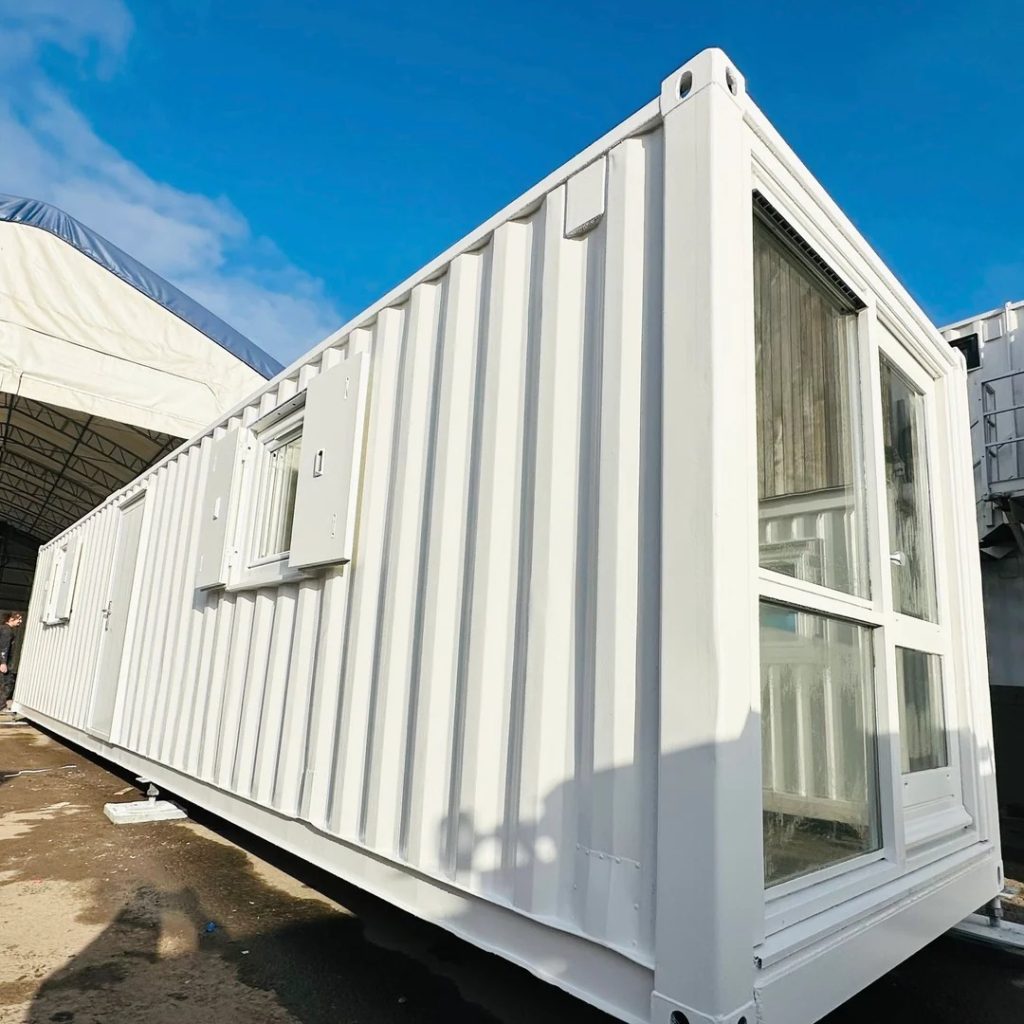
Thinking About Buying a 20‑Ft Shipping Container? Here’s Your Friendly Guide
If you’ve ever stared at a sea of metal boxes in a yard and thought, “That could be mine,” you’re not alone. Whether you need extra storage for a growing business, a sturdy workshop on wheels, or a DIY conversion project (hello, tiny house!), a 20‑ft container is one of the most versatile investments you can make.
In this post we’ll walk you through everything you need to know before you click “Add to Cart”:
- The different types of 20‑ft containers available
- How to evaluate price, condition, and supplier credibility
- A step‑by‑step checklist to get the container from the dock to your driveway
- Common pitfalls and how to avoid them
We’ll also sprinkle in a handy comparison table, a quick‑look list of pros and cons, and a FAQ at the end to answer the questions you might not even have thought of yet. Let’s get started!
1. What Exactly Is a 20‑Ft Container?
A standard 20‑ft container (also called a TEU – “twenty‑foot equivalent unit”) measures 20 feet long, 8 feet wide, and 8.5 feet high (the “standard” height). Its interior dimensions are roughly 19′ 4″ × 7′ 9″ × 7′ 10″, giving you about 1,170 cubic feet of usable space—enough room for roughly 1,000–1,200 cardboard boxes, a small vehicle, or a fully‑fitted workshop.
Types at a Glance
| Type | Key Features | Typical Use‑Cases | Approx. Cost (USD) |
|---|---|---|---|
| New (ISO‑Certified) | Brand‑new, no wear, full structural integrity. Certified for international shipping. | High‑value storage, export/import, premium conversions. | $2,800 – $4,500 |
| One‑Trip (One‑Way) | Used only once (e.g., from a shipping line). Light wear, no dents. | Companies needing a “like‑new” box without paying New price. | $2,200 – $3,500 |
| Used – Good Condition | Minor dents, rust patches, but structurally sound. | Budget‑friendly storage, hobbyist projects. | $1,500 – $2,500 |
| Used – Damaged | Significant dents, rust, possible structural issues. | Scrap metal, renovation projects where you’ll rebuild the shell. | $800 – $1,400 |
| Modified / Specialty | Windows, doors, ventilation, insulated walls, or refrigerated (reefers). | Pop‑up shops, portable offices, climate‑controlled storage. | $3,500 – $7,000+ |
Prices vary by region, supplier, and whether you’re buying a “delivery‑included” package.
2. Why a 20‑Ft Container Might Be Right For You
Before you dive into the logistics, let’s summarize the main benefits (and a couple of drawbacks) so you can see if the fit feels right for your project.
Quick‑Look Pros & Cons
Pros
- Durability – Made of Corten steel, they resist weather, pests, and fire.
- Portability – Move it with a standard trailer; no need for a permanent foundation.
- Standardized Size – Fits on most pallets, trucks, ships, and railcars.
- Security – Lockable doors, tamper‑proof hinges, and optional CCTV.
- Versatility – Use as storage, workshop, office, or even a living space with modifications.
Cons
- Limited Height – At 8.5 ft you may need to “pop‑top” for standing height.
- Thermal Conductivity – Metal gets hot in summer & cold in winter; insulation is a must for climate‑sensitive uses.
If you’re comfortable adding a few tweaks (insulation, shelving, doors), the advantages far outweigh the downsides.
3. How to Pick the Right Supplier
You could buy a container from a shipping line, a specialized dealer, or a local scrap yard. Here’s a quick checklist to keep you from getting burned:
| Question | Why It Matters |
|---|---|
| Is the container ISO‑certified? | Guarantees compliance with global standards—important for resale or export. |
| Can you inspect the container before purchase? | Allows you to spot rust, dents, or structural flaws. |
| Are delivery and off‑loading included? | Hidden fees can double the price if you need a crane or forklift. |
| What’s the supplier’s reputation? | Look for reviews, BBB ratings, and years in business. |
| Do they offer a warranty or return policy? | Gives you a safety net if the container arrives with unexpected damage. |
Ask for a photoset (including interior shots) and a condition report before signing the contract. A reputable seller should be happy to provide both.
4. Step‑by‑Step: From Quote to Your Yard
Below is a practical, numbered list you can copy‑paste into a notebook or spreadsheet. Follow it, and you’ll have that 20‑ft box where you want it, with minimal surprise.
- Define Your Requirements
- Size (always 20‑ft, but decide on height, door type, ventilation).
- Condition (new, one‑trip, used).
- Budget (include delivery, permits, and modifications).
- Gather Quotes
- Contact at least three suppliers.
- Request a detailed quote that breaks down container price, delivery fee, taxes, and any handling charges.
- Inspect the Container (or ask for a video walk‑through)
- Check for rust, dents, water damage, and door functionality.
- Verify the container’s CSC plate (the safety certification plate).
- Arrange Financing (if needed)
- Some dealers offer lease‑to‑own or short‑term financing.
- Compare APRs and total cost of ownership.
- Secure Permits
- Your local municipality may require a placement permit or building permit if you intend to modify the structure.
- Schedule Delivery
- Confirm the delivery date, access route, and whether a crane is required for off‑loading.
- Inspect on Arrival
- Perform a quick visual inspection before signing the delivery receipt.
- Plan Modifications
- If you need insulation, windows, HVAC, or shelving, now’s the time to get quotes from contractors.
- Set Up Utilities (if needed)
- Electrical wiring, water lines, and lighting can be installed by a licensed electrician.
- Maintain Your Container
- Clean the exterior, check for rust annually, and lubricate hinges.
5. Money Matters: Calculating the True Cost
It’s easy to focus only on the “sticker price” of $2,500 and forget about the hidden expenses. Below is an example budget for a used, good‑condition 20‑ft container delivered to a suburban backyard.
| Item | Approx. Cost (USD) |
|---|---|
| Container (used, good) | $2,000 |
| Delivery (15 miles, crane) | $300 |
| Permit (local, one‑time) | $150 |
| Insulation (poly‑foam, DIY) | $250 |
| Shelving & interior fit‑out | $400 |
| Electrical wiring (licensed) | $500 |
| Total Estimated Cost | $3,600 |
Tip: Add a 10‑15% contingency for unexpected items (e.g., extra rust removal, site preparation).
6. Creative Uses to Spark Your Imagination
You’re probably already visualizing a storage unit, but the container world is full of clever ideas. Here are a few popular conversions that prove a 20‑ft box is more than just a metal box:
| Idea | What You’ll Need | Approx. Cost |
|---|---|---|
| Portable Workshop | Bench, power outlets, LED lights, ventilation | $800–$1,200 |
| Pop‑Up Retail Booth | Shelving, glass doors, signage, flooring | $1,000–$1,800 |
| Home Office | Insulation, drywall, HVAC mini‑unit, furniture | $1,500–$2,500 |
| Tiny House | Insulation, interior walls, plumbing, solar panel | $3,500–$6,000 |
| Garden Storage | Shelving, hooks for tools, weather‑seal doors | $600–$900 |
The sky’s the limit—just remember to check local zoning codes if you plan to make it a habitable space.
7. FAQs – Your Burning Questions Answered
Q1: Do I need a special license to own a shipping container?
A: No. A container is considered personal property, just like a shed or trailer. However, if you plan to modify it for habitation, you may need a building permit and must comply with local housing codes.
Q2: Can I stack containers on top of each other?
A: Yes, but only if the bottom container is rated for stacking and you follow the manufacturer’s load limits (typically 30,000–40,000 kg). For a single‑container setup, stacking isn’t necessary.
Q3: How do I prevent rust?
A: Regularly wash away salt and grime, apply a rust‑inhibiting primer, and consider a protective paint coat on the exterior. Adding a roof overhang can also reduce exposure to rain.
Q4: Is it cheaper to buy a container overseas and import it?
A: Sometimes, especially if you need a “new” ISO‑certified unit. However, shipping fees, customs duties, and import paperwork can quickly erode the savings. Run a full cost analysis before deciding.
Q5: What’s the lifespan of a 20‑ft container?
A: With proper maintenance, a steel container can last 30–40 years. The structural frame rarely fails; most issues are cosmetic (paint, rust) that are easy to address.
Q6: Can I place a container on a concrete slab?
A: Absolutely. In fact, a flat, level surface (concrete slab, packed gravel, or a steel frame) prolongs the container’s life by preventing water pooling underneath.
Q7: Do containers come with a warranty?
A: New containers usually have a limited warranty (often 1‑2 years) covering structural defects. Used containers rarely have warranties, so rely on inspection reports and reputable sellers.
8. Final Thoughts – Ready to Make the Purchase?
You’ve now got a full picture: the types of 20‑ft containers, how to evaluate price and condition, a practical checklist, and even some creative ideas for what you could turn the box into.
When you’re ready to take the plunge, remember these three golden rules:
- Inspect before you buy – A quick visual and a CSC plate check can save you thousands.
- Budget for the whole package – Delivery, permits, and modifications are part of the cost.
- Plan for the long term – Think about insulation, security, and maintenance from day one.
A 20‑ft container is more than a metal box—it’s a flexible foundation for storage, work, or living space that can grow with your needs. So go ahead, get that quote, and watch your vision roll in on a sturdy steel frame.
Happy container hunting! 🚢🏡