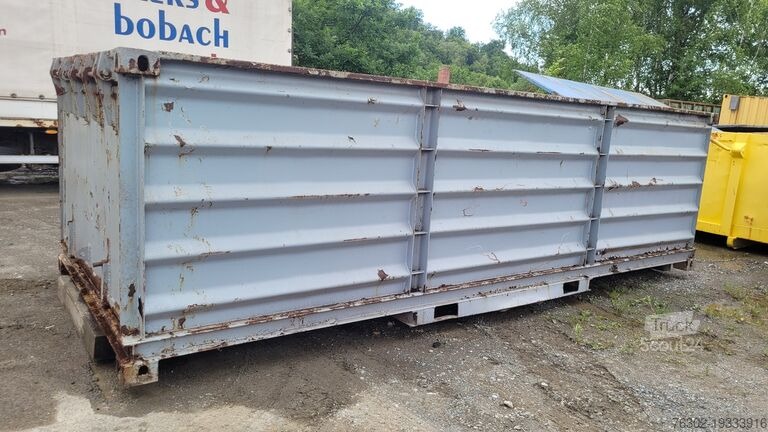
The Ultimate Guide to Buying Storage Containers: What You Need to Know Before You Click “Add to Cart”
Whether you’re decluttering the garage, setting up a home‑based office, or looking for a rugged solution to protect valuable inventory, storage containers have become the go‑to answer for anyone who needs space, security, and durability in one compact package. But with a flood of options on the market—metal, plastic, stackable, climate‑controlled, and more—it’s easy to feel overwhelmed.
This guide walks you through everything you should consider before you purchase storage containers, from the basics of material science to the nitty‑gritty of dimensions, pricing, and accessories. By the end, you’ll be equipped to pick the perfect container for your unique needs and budget.
1. Why Choose a Storage Container?
| Benefit | What It Means for You |
|---|---|
| Space Efficiency | Stackable designs let you maximize vertical space in a garage or warehouse. |
| Weather Resistance | Heavy‑gauge steel or UV‑treated plastic protect contents from rain, snow, and sunlight. |
| Security | Lockable doors and reinforced hinges keep tools, documents, or merchandise safe. |
| Mobility | Many models feature built‑in wheels or forklift‑compatible corners for easy relocation. |
| Versatility | From seasonal clothing to heavy machinery, containers adapt to a wide range of items. |
If any of these align with your current challenges—clutter, security concerns, or limited square footage—then a storage container is likely the right solution.
2. Core Types of Storage Containers
| Type | Typical Materials | Best For | Key Pros | Key Cons |
|---|---|---|---|---|
| Standard Steel Shipping Container | 1.6 mm Corten steel, weather‑proof paint | Outdoor storage of building supplies, vehicle parts, commercial inventory | Extremely durable, lockable, ISO‑standard dimensions, easy to transport | Heavy, can rust if coating is damaged |
| Durable Plastic/Bottle‑Grade Container | High‑density polyethylene (HDPE) | Household items, seasonal décor, indoor overflow | Lightweight, rust‑free, UV‑resistant, stackable | Lower load‑bearing capacity, may warp under extreme heat |
| Climate‑Controlled Container | Insulated steel or aluminum with HVAC unit | Sensitive electronics, pharmaceuticals, artwork | Temperature & humidity regulation, secure | Higher upfront cost, requires power source |
| Modular Stackable Unit | Steel frame + polymer panels | Small‑business inventory, DIY workshop | Flexible configuration, can be expanded later | May require additional anchoring for stability |
| Portable Roll‑On/Off Container | Reinforced steel with caster wheels | On‑site construction, event equipment | Easy to move without forklift, quick deployment | Limited to lighter loads, wheels may wear over time |
Identify which category satisfies your primary use case before you dive into the finer details.
3. Size Matters: Choosing the Right Dimensions
Most containers are measured in feet (length × width × height) or meters for international models. Below is a quick reference chart for the most common sizes and their approximate interior volume.
| Size (ft) | Interior Volume (cu ft) | Typical Use |
|---|---|---|
| 10 × 8 × 8.5 | 540 | Small workshop, garden tools |
| 20 × 8 × 8.5 | 1,090 | Medium‑scale inventory, seasonal gear |
| 40 × 8 × 8.5 | 2,180 | Large‑scale storage, vehicle housing |
| 10 × 10 × 10 | 800 | Home office, document archiving |
| Custom (varies) | Custom | Tailored solutions for unique footprints |
How to decide:
- Make a quick inventory list of the items you plan to store.
- Calculate total volume (length × width × height for each item, then sum).
- Add a 20–30 % buffer for future growth and ease of access.
- Match the buffer‑adjusted total with a container size from the table above.
4. Key Features to Scrutinize Before Purchasing
- Locking Mechanism – Look for hardened steel padlocks, cam locks, or electronic keypad options.
- Ventilation – Small vents prevent moisture build‑up; consider anti‑condensation liners for sensitive items.
- Flooring – Some containers have a raised steel floor, others a solid polymer base. Choose based on the weight of what you’ll store.
- Insulation – If you’ll store electronics, chemicals, or perishables, insulated walls and a thermal seal are a must.
- Accessibility – Double‑door designs, sliding doors, or a top opening can make loading/unloading faster.
- Compliance – For commercial use, verify ISO 668 (standard for freight containers) or local building codes.
- Warranty & Support – A minimum of 2‑year warranty on structure and paint coating is a good benchmark.
5. Cost Breakdown: What Should You Expect to Pay?
Below is a price comparison for a typical 20‑ft container across three material categories (prices are averages for 2025, U.S. market, inclusive of basic delivery within 50 mi).
| Material | Base Price (USD) | Delivery (incl.) | Additional Features | Total Approx. Cost |
|---|---|---|---|---|
| Standard Corten Steel | $2,200 | $300 | Standard lock, wheel kit | $2,500 |
| UV‑Treated HDPE Plastic | $1,800 | $250 | Stackable ribs, vent panel | $2,050 |
| Insulated Climate‑Controlled | $4,800 | $500 | HVAC unit, temperature monitor | $5,300 |
Tip: Bulk purchases often unlock a 5‑10 % discount, especially for businesses ordering three or more containers.
6. Step‑by‑Step Buying Checklist
- Define Your Purpose – Write down the primary items and environment (indoor/outdoor).
- Measure & Sketch – Draw a rough floor plan of where the container will sit; note door swing space.
- Select Material & Size – Use the tables above to narrow down options.
- Request Quotes – Contact at least three reputable suppliers; ask for delivery, installation, and warranty details.
- Inspect Samples – If possible, view a physical unit or request high‑resolution photos of seams, hinges, and paint finish.
- Verify Compliance – Ensure the container meets local zoning, fire safety, and accessibility standards.
- Finalize Purchase – Confirm payment terms, delivery date, and after‑sales support.
7. Frequently Asked Questions (FAQ)
Q1: Can I place a storage container on a concrete slab?
A: Yes, a flat, level concrete slab is ideal because it provides an even foundation and prevents moisture from wicking into the container. If you’re using a wooden deck, add a pressure‑treated plywood base to distribute the load.
Q2: Do I need a permit to install a container on my property?
A: It depends on local zoning laws. Many municipalities treat containers as accessory structures, which may require a simple building permit or a site‑plan approval. Always check with your city’s planning department before purchasing.
Q3: How do I protect a steel container from rust in a salty coastal environment?
A: Look for containers with a Corten steel alloy or a zinc‑rich, marine‑grade paint system. Adding a sacrificial anode (galvanic block) inside the container can also prolong its lifespan.
Q4: Is it worth buying a climate‑controlled container for a home office?
A: If your equipment is highly sensitive to temperature swings (e.g., servers, high‑end audio gear), a climate‑controlled unit can protect against costly damage. For ordinary paperwork and electronics, a well‑ventilated insulated container usually suffices.
Q5: Can I modify a container (add shelves, doors, windows)?
A: Absolutely—containers are built to be modular. However, any structural changes (cutting large sections of wall) may affect load rating and security. Consult the manufacturer or a certified fabricator to ensure modifications maintain integrity.
Q6: What’s the best way to secure a container against theft?
A: Combine a high‑security padlock (ASTM A307 Grade C or higher) with a reinforced door bolt and, if possible, an alarm sensor attached to a home security system. For high‑value items, consider adding a steel mesh reinforcement on the interior walls.
Q7: How long do storage containers typically last?
A: With proper maintenance, a steel container can exceed 30 years, while a quality HDPE plastic unit often reaches 20–25 years. Regularly inspect for dents, rust, or UV discoloration and address them promptly.
8. Maintenance Tips to Extend the Life of Your Container
- Inspect Seals Quarterly: Check gasket integrity around doors; replace if cracked.
- Clean Exterior Annually: Use a mild detergent and pressure washer to remove salt, grime, and bird droppings.
- Lubricate Hinges & Locks: A silicone spray prevents rust and ensures smooth operation.
- Monitor Moisture Levels: Place a hygrometer inside; if humidity exceeds 60 %, add silica gel packs or a small dehumidifier.
- Apply Touch‑Up Paint: Small scratches may expose metal; a quick touch‑up with the original paint system stops rust in its tracks.
9. Final Thoughts: Making a Smart Purchase
You’ve now explored the why, what, how, and how much of storage containers. The critical takeaway? Match the container’s material, size, and features to the specific demands of your space and inventory. A well‑chosen container not only protects your belongings but also adds efficiency to your daily workflow and peace of mind.
When you’re ready to take action:
- Write down the top three priorities (e.g., security, climate control, mobility).
- Cross‑reference those priorities with the tables above to narrow your shortlist.
- Reach out to at least three vendors for quotes, ask for photos of the exact unit, and verify warranty terms.
- Make a decision based on total cost of ownership—not just the sticker price—considering delivery, installation, and future maintenance.
By following this structured approach, you’ll avoid buyer’s remorse and invest in a storage solution that serves you reliably for years to come.
Ready to start? Browse reputable suppliers, request a free site‑assessment, and watch your clutter disappear behind the sturdy, secure walls of a well‑chosen storage container. Happy organizing!