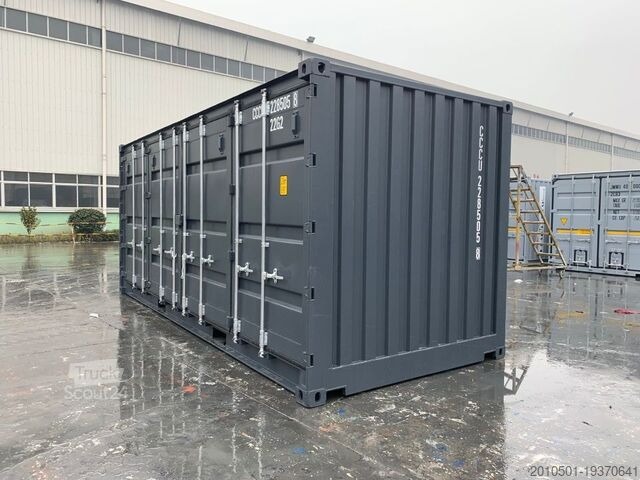
Rent a Container Near Me – Your Complete Guide to Choosing, Finding, and Using Portable Storage
When you’re moving house, handling a construction site, or just need extra space for a weekend project, the phrase “rent a container near me” pops up in every Google search you type. Yet the process can feel overwhelming: What size do you need? Which company offers the best price? How do you make sure the container arrives on time and stays safe?
This guide walks you through every step, from understanding the different container types to comparing prices in a handy table, and finishes with a quick FAQ so you can rent with confidence. By the end, you’ll know exactly how to locate a reliable container rental service right in your neighbourhood and get the most value for your money.
1. Why Renting a Container Makes Sense
| Benefit | How It Helps You |
|---|---|
| Flexibility | Pick up, drop off, or keep the container for as long as you need—days, weeks, or months. |
| Security | Steel walls and lockable doors protect tools, inventory, or household goods from theft and weather. |
| Cost‑Effective | You pay only for the space you use, avoiding the expense of purchasing a container you’ll only need temporarily. |
| Convenient Logistics | The rental company delivers the unit directly to your site and picks it up when you’re done. |
| Scalability | Need more space later? Many providers allow you to swap for a larger container without extra hassle. |
If any of these points resonate with you, renting a container is likely the most practical solution for your short‑term storage or transport needs.
2. Types of Containers You Can Rent
Containers are not one‑size‑fits‑all. Here’s a quick rundown of the most common options and the scenarios they’re best suited for.
| Container Type | Typical Dimensions (L × W × H) | Approx. Interior Volume | Ideal Uses |
|---|---|---|---|
| Standard 20‑ft Dry Van | 20 ft × 8 ft × 8.5 ft | 1,170 ft³ | Small‑scale moves, residential clean‑outs, equipment storage |
| Standard 40‑ft Dry Van | 40 ft × 8 ft × 8.5 ft | 2,350 ft³ | Large household moves, commercial inventory, construction material storage |
| High‑Cube 40‑ft | 40 ft × 8 ft × 9.5 ft | 2,700 ft³ | Bulky items (e.g., furniture, appliances), longer‑term storage |
| Open‑Top Container | 20 ft × 8 ft × 8.5 ft (top removable) | 1,170 ft³ | Oversized loads, lumber, machinery that needs overhead access |
| Reefer (Refrigerated) | 20 ft × 8 ft × 8.5 ft | 1,050 ft³ | Perishable goods, temperature‑sensitive equipment |
| Flat‑Rack | 20 ft × 8 ft × 8.5 ft (collapsible sides) | 1,150 ft³ | Heavy machinery, vehicles, large pallets |
How to Choose:
- Measure Your Load – List the biggest item (length, width, height) and add a few inches for clearance.
- Consider Access – If you need to load from the top, an open‑top or high‑cube is best.
- Think About Climate – For anything that can spoil, a reefer container is essential.
3. Steps to Find a Container Rental Near You
- Search with Specific Keywords
Instead of typing just “rent a container,” add your city or zip code:rent a container near 90210orcontainer rental Atlanta GA.
This pulls up local businesses that can deliver quickly. - Check Reviews & Ratings
Look at Google, Yelp, or the Better Business Bureau. Focus on:- Punctuality of delivery/pick‑up
- Condition of containers (no rust, no dents)
- Customer service responsiveness
- Compare Pricing Structures
Most companies charge a flat weekly rate plus optional fees for delivery, pickup, and insurance. Use the table below to gauge typical ranges.
| Size | Weekly Rental (USD) | Delivery Fee (USD) | Pickup Fee (USD) | Insurance (per week) |
|---|---|---|---|---|
| 20‑ft Dry Van | $120‑$180 | $50‑$80 | $40‑$70 | $10‑$15 |
| 40‑ft Dry Van | $200‑$280 | $70‑$110 | $60‑$100 | $15‑$25 |
| 40‑ft High‑Cube | $230‑$310 | $80‑$120 | $70‑$110 | $18‑$30 |
| Open‑Top (20‑ft) | $130‑$190 | $55‑$85 | $45‑$75 | $12‑$18 |
| Reefer (20‑ft) | $250‑$350 | $90‑$130 | $80‑$120 | $25‑$40 |
Note: Prices vary by region, distance, and demand. Use the table as a benchmark; always request a written quote.
- Ask About Availability and Lead Times
Some providers keep a fleet on standby and can deliver within 24‑48 hours, while others may need a week’s notice—especially for specialty containers like reefers. - Confirm the Contract Details
- Rental Period: Minimum days, extensions, and penalties for late return.
- Deposit: Most companies hold a refundable security deposit (often $150‑$300).
- Damage Policy: Understand what constitutes “normal wear” versus chargeable damage.
- Schedule Delivery & Pickup
Provide clear access instructions (gate codes, driveway dimensions) to avoid delays. If you’re on a construction site, confirm that the container can be positioned where you need it.
4. Maximizing the Value of Your Rental
A. Pack Smart, Pack Safe
- Create a Layout Plan – Sketch how items will be arranged to avoid stacking heavy boxes on top of fragile goods.
- Use Pallets – Elevate items off the floor to protect them from moisture.
- Label Everything – Color‑coded tags and a simple inventory list make retrieving items later painless.
B. Protect the Container
- Weather Guard – If you expect rain, cover the top with a tarp; many rental companies sell inexpensive tarps that fit standard containers.
- Lock It Up – Most containers come with a built‑in lock. Purchase a high‑security padlock for extra peace of mind.
C. Stay Within the Rules
- Weight Limits – A standard 20‑ft container can hold up to ~45,000 lb (gross weight). Exceeding this may cause structural damage and extra fees.
- Prohibited Items – Most rental agreements forbid hazardous materials, explosives, or perishable food (unless it’s a refrigerated unit).
D. Evaluate Extension Options Early
If you suspect you’ll need the container longer than initially planned, contact the rental company before the due date. Early extensions often avoid late‑return penalties and ensure the unit remains available.
5. Frequently Asked Questions (FAQ)
| Question | Answer |
|---|---|
| Can I rent a container for just a few days? | Yes. Most providers offer a minimum 24‑hour rental or a “short‑term” rate. Weekly rates usually provide the best value, but daily rates are available for urgent moves. |
| Do I need a permit to place a container on my street? | It depends on local ordinances. Many municipalities require a temporary placement permit if the container blocks a public right‑of‑way. Check with your city’s planning department before scheduling delivery. |
| What if the container arrives damaged? | Inspect the unit upon delivery and note any damage on the delivery receipt. Most companies will replace or repair it at no extra cost if documented immediately. |
| Is insurance required? | Not always, but highly recommended. Rental companies often offer optional insurance for a small weekly fee to cover loss or damage. Your homeowner’s or renter’s insurance may also provide limited coverage—confirm with your insurer. |
| How far in advance should I book? | For standard dry vans, 48‑72 hours is usually sufficient. Specialty containers (reefers, high‑cubes) may need one‑to‑two weeks notice, especially during peak moving seasons (spring and summer). |
| Can I customize the interior? | Some companies allow you to add shelving, lighting, or ventilation. These upgrades may incur additional fees, so request a quote before signing the contract. |
| What happens if I return the container late? | Late returns typically incur a daily surcharge (often 20‑30 % of the weekly rate). Some providers offer a grace period of a few hours; always verify the policy in the rental agreement. |
| Do I have to be present for delivery and pickup? | Yes, a responsible adult must sign the receipt and verify the container’s condition. If you’re unavailable, arrange a trusted proxy and provide them with a signed authorization letter. |
6. Quick Checklist – Your Rental Ready‑to‑Go List
- Measure Your Load – Length, width, height, weight.
- Search “rent a container near [Your ZIP]” – Compile 3‑5 local providers.
- Read Reviews – Look for punctuality and container condition.
- Request Written Quotes – Include delivery, pickup, and insurance.
- Compare Using the Pricing Table – Identify the best value.
- Verify Permit Requirements – Contact city hall if needed.
- Sign the Rental Agreement – Check rental period, fees, and damage policy.
- Schedule Delivery – Provide clear location instructions.
- Inspect Upon Arrival – Note any damage on the receipt.
- Pack Efficiently – Use pallets, label boxes, and secure load.
- Secure the Container – Lock doors, add a tarp if weather‑prone.
- Plan Pickup – Confirm date & time, arrange for any extensions.
Ticking each box ensures a smooth, stress‑free experience from start to finish.
7. Where to Find Reliable Container Rentals Near You
While the exact providers vary by region, most major cities have at least two national chains plus several local specialists. Below is a sample template you can fill in with the names you discover during your search.
| Provider | Contact | Typical Container Types | Delivery Radius | Avg. Weekly Rate (20‑ft) |
|---|---|---|---|---|
| ContainerCo | 555‑123‑4567 | 20‑ft, 40‑ft, Open‑Top, Reefer | 150 mi | $135 |
| LocalBox Rentals | 555‑987‑6543 | 20‑ft, 40‑ft, High‑Cube | 75 mi | $120 |
| RapidShip Containers | 555‑555‑5555 | 20‑ft, 40‑ft, Flat‑Rack | 200 mi | $140 |
| Eco‑Storage Solutions | 555‑222‑3333 | 20‑ft, 40‑ft, Modified (shelves) | 100 mi | $150 |
Tip: Call each provider, ask about same‑day delivery options, and request a price‑match guarantee if you find a lower rate elsewhere.
8. Final Thoughts – Take Control of Your Space
When you type “rent a container near me,” you’re not just looking for a metal box—you’re seeking a flexible, secure, and cost‑effective solution that adapts to your life’s ever‑changing demands. By understanding the container types, comparing prices with a clear table, and following a step‑by‑step checklist, you can turn a potentially stressful logistical puzzle into a seamless part of your project.
Remember, the right container arrives on schedule, stays in pristine condition, and gives you the peace of mind that your belongings are protected. So the next time you’re faced with a mountain of boxes, a pile of building materials, or a need for temporary storage, you now have the knowledge to confidently answer the question, “Where can I rent a container near me?” – and, more importantly, how to get the very best deal for your specific situation.
Happy packing!