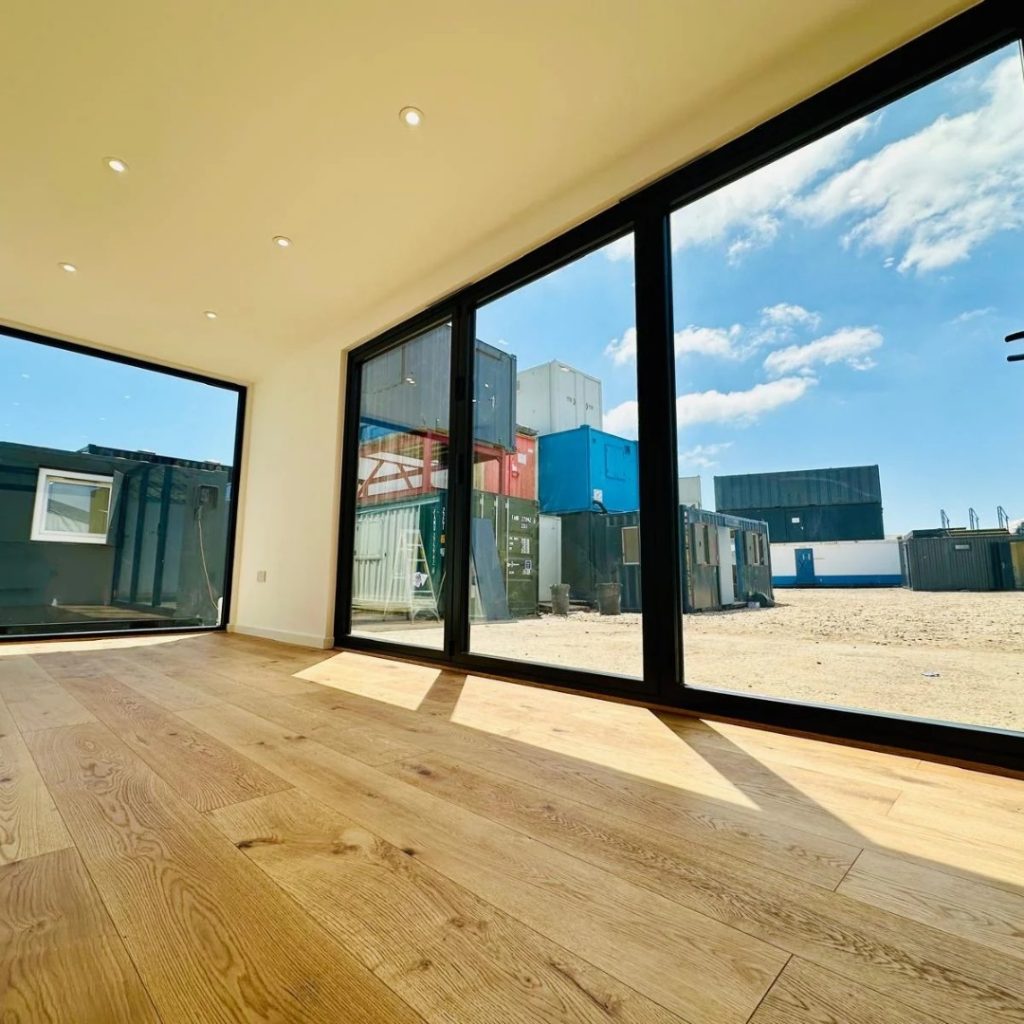
Discovering Second‑Hand Container Homes for Sale in the UK
If you’ve ever imagined a sleek, low‑maintenance home that’s as eco‑friendly as it is eye‑catching, a second‑hand shipping container home might be exactly what you need. The UK market is buzzing with refurbished containers that have been transformed into stylish studios, cosy family homes, and even luxury lofts – all at a fraction of the price of a traditional build.
In this post we’ll walk you through everything you need to know to find, evaluate, and purchase a second‑hand container home in the UK. From budgeting basics to spotting hidden defects, you’ll finish reading with a clear action plan and a handful of resources that make the whole process feel as simple as ordering a new sofa online.
Why Choose a Second‑Hand Container Home?
| Benefit | What It Means for You |
|---|---|
| Lower Purchase Price | Used containers cost 30‑50 % less than brand‑new ones, and refurbishment adds only a modest extra cost. |
| Environmental Credit | You’re repurposing a steel box that would otherwise be scrapped, cutting down on waste and the carbon footprint of new construction. |
| Speed of Delivery | A well‑planned container conversion can be moved, set up, and occupied in weeks rather than months. |
| Design Flexibility | Containers can be stacked, combined, or cut to create open‑plan living, loft bedrooms, or even rooftop terraces. |
| Durability | Steel frames are inherently strong, fire‑resistant and weather‑proof, giving you a solid shell that lasts decades. |
If you’re after a budget‑friendly, fast‑track solution that also ticks the sustainability box, you’ve already found a solid reason to keep reading.
What to Look for Before You Buy
1. Structural Integrity
- Corrosion: Check the under‑frame and corners for rust. Light surface rust can be sanded and painted, but deep pitting may compromise strength.
- Flatness: A container that’s warped or bowed will cause headaches when you try to fit windows, doors, or interior fittings.
- Previous Modifications: Look for evidence of prior cuts or welds. If a previous owner added doors or windows, confirm the work was done by a qualified professional.
2. Certification & Documentation
- ISO 9001 / CSC (Container Safety Convention) certificates confirm the container met international safety standards when it was built.
- Inspection reports from a reputable surveyor give you a third‑party view of the container’s condition.
- Proof of ownership and de‑registration is essential to avoid disputes with shipping companies or customs.
3. Interior Fit‑Out
- Insulation: Steel conducts heat and cold. Look for high‑quality insulation (e.g., spray‑foam, mineral wool) already installed, or factor this into your budget.
- Plumbing & Electrical: Verify that any wiring or pipework complies with UK Building Regulations (Part P for electrical, Part G for gas).
- Finishes: A well‑finished interior will save you time and money on DIY touches later.
4. Planning Permission & Site Logistics
- Even though a container is a “portable structure,” many UK councils still require planning permission for permanent placement.
- Check local council guidelines on setbacks, height limits, and any restrictions on “temporary” dwellings.
How to Find Second‑Hand Container Homes in the UK
- Specialist Online Marketplaces – Websites such as ContainerHomesUK.com, eBay, and Gumtree host listings from both private sellers and dedicated developers.
- Dedicated Dealers – Companies like Modular Homes Ltd, Cubic Homes, and The Container Store (UK) have “used stock” sections where you can view photographs, specs, and price breakdowns.
- Auction Houses – Some salvage yards and auctioneers (e.g., Bonhams, Manor Auctioneers) list container homes as part of broader asset sales.
- Local Shipping Yards & Port Facilities – A visit to a nearby port can uncover containers that have been off‑loaded and are awaiting resale.
- Social Media & Forums – Join groups on Facebook such as “UK Container Home Enthusiasts” where members share leads, advice, and occasionally private sales.
Typical Cost Breakdown (2025)
| Item | Average Price Range | What It Covers |
|---|---|---|
| Second‑hand 20‑ft container (shell only) | £1,200 – £2,500 | Steel box, doors, basic flooring |
| Refurbished 40‑ft container (ready‑to‑live) | £8,000 – £15,000 | Insulation, interior walls, basic kitchen & bathroom fit‑out |
| Custom conversion (2‑bed, 20 ft + 40 ft) | £22,000 – £35,000 | Full interior design, high‑grade fixtures, electrical & plumbing, planning permission assistance |
| Delivery & foundations | £500 – £2,000 | Transport to site, concrete pad or steel foundation |
| Optional upgrades (solar panels, rooftop deck) | £1,500 – £5,000 | Sustainable energy, outdoor living space, premium finishes |
Note: Prices depend on location, condition, and the level of interior finish. Always ask for a detailed quote that separates the container cost from the fit‑out and site work.
Step‑by‑Step Roadmap to Your New Container Home
- Define Your Budget & Requirements
Write down how much you can spend on the container itself, interior works, and site preparation. Decide on the number of bedrooms, square footage, and any “must‑have” features (e.g., off‑grid solar). - Scout Listings & Shortlist
Use the channels above to compile a shortlist of 3‑5 options. Create a spreadsheet with columns for price, dimensions, condition, and seller contact. - Arrange Inspections
Hire a qualified structural engineer or a certified container inspector to visit each shortlisted unit. Their report should highlight any hidden corrosion, weld quality, and compliance with UK standards. - Check Planning Permission
Contact your local council’s planning department (usually via their website) and ask whether a container dwelling of the size you’re considering needs a full planning permission or a “permitted development” certificate. - Negotiate & Secure Financing
Most sellers are open to price negotiation, especially if you’re buying a “shell” and planning to do the fit‑out yourself. For financing, some banks now offer green construction loans that can cover container purchases. - Finalize Purchase & Arrange Delivery
Sign a Sale and Purchase Agreement that includes a clause for delivery date, condition on delivery, and any warranties on the container’s structural integrity. - Plan the Build
Work with a reputable builder experienced in container conversions. Draft a timeline that includes insulation, interior walls, plumbing, electrical, and final finishes. - Move In & Register
Once the home is completed, you may need to register the dwelling with the Land Registry if it’s a permanent structure. Finally, enjoy the unique blend of urban chic and eco‑living!
Top 5 UK Suppliers of Second‑Hand Container Homes (2025)
| Supplier | Specialty | Typical Offering | Website |
|---|---|---|---|
| Modular Homes Ltd | Full‑service conversion | 20‑ft & 40‑ft refurbished units, design consultancy | modularhomes.co.uk |
| Cubic Homes | Luxury containers | High‑end finishes, solar & rain‑water systems | cubic-homes.com |
| ContainerHomesUK.com | Marketplace | Listings from multiple sellers, price comparison tool | containerhomesuk.com |
| The Container Store (UK) | Budget‑friendly options | Shells and basic fit‑outs, quick delivery | thecontainerstore.co.uk |
| Eco‑Containers Ltd | Off‑grid solutions | Integrated battery storage, portable power kits | eco‑containers.co.uk |
Take a few minutes to explore each site; many display virtual tours that help you visualise the space before you commit.
Frequently Asked Questions
Q1: Are second‑hand container homes legal to live in?
Yes – provided you obtain any required planning permission and the dwelling complies with the UK Building Regulations. Most local councils treat a properly converted container as a “modular home,” which often qualifies for permitted development rights.
Q2: How long does it take to convert a used container into a livable home?
The timeline varies with the level of finish. A basic shell with insulation can be ready in 4‑6 weeks, while a fully fitted two‑bedroom unit typically takes 8‑12 weeks from delivery to handover.
Q3: What’s the best way to protect a steel container from rust?
A combination of epoxy primer, weather‑resistant paint, and internal insulation barriers (such as closed‑cell spray foam) offers the most durable protection. Ask the seller about the coating system used.
Q4: Can I finance a second‑hand container home through a mortgage?
Traditional mortgages may be reluctant, but specialist lenders now offer loans for “modular homes” and green mortgages that cover sustainable builds. It helps to have a professional appraisal and a clear planning permission document.
Q5: How energy‑efficient are container homes?
When properly insulated and equipped with efficient windows, a container home can achieve a U‑value comparable to a conventional brick house (≈ 0.3 W/m²·K). Adding solar panels and a Heat‑Pump further reduces running costs.
Q6: Do I need a specialist builder?
While DIY‑enthusiasts can handle some interior work (painting, flooring), structural modifications (cutting openings, welding) should be performed by certified professionals to ensure safety and compliance.
Q7: What resale value can I expect?
In the UK, well‑maintained container homes in desirable regions (e.g., South East England, Scotland’s highlands) have shown a 5‑10 % annual appreciation over similar‑aged conventional properties, driven by growing demand for affordable, sustainable housing.
Final Thoughts: Your Next Step Toward a Sustainable Space
You’ve now got the full picture: the cost advantages, the key things to inspect, where to look, and how to navigate the legal side of buying a second‑hand container home in the UK. The biggest barrier most people face is simply starting – the market is full of opportunities, but they’re easy to miss if you’re not actively searching.
So why not take the first concrete step today?
- Set a realistic budget and jot down your must‑have features.
- Visit ContainerHomesUK.com and add three listings to your shortlist.
- Book a professional inspection for one of those units within the next two weeks.
Remember, a second‑hand container home isn’t just a place to live – it’s a statement that you value innovation, sustainability, and smart spending. With a little research and the right guidance, you’ll be opening the door to your new steel‑clad sanctuary faster than you think.
Happy hunting, and welcome to the future of British living!