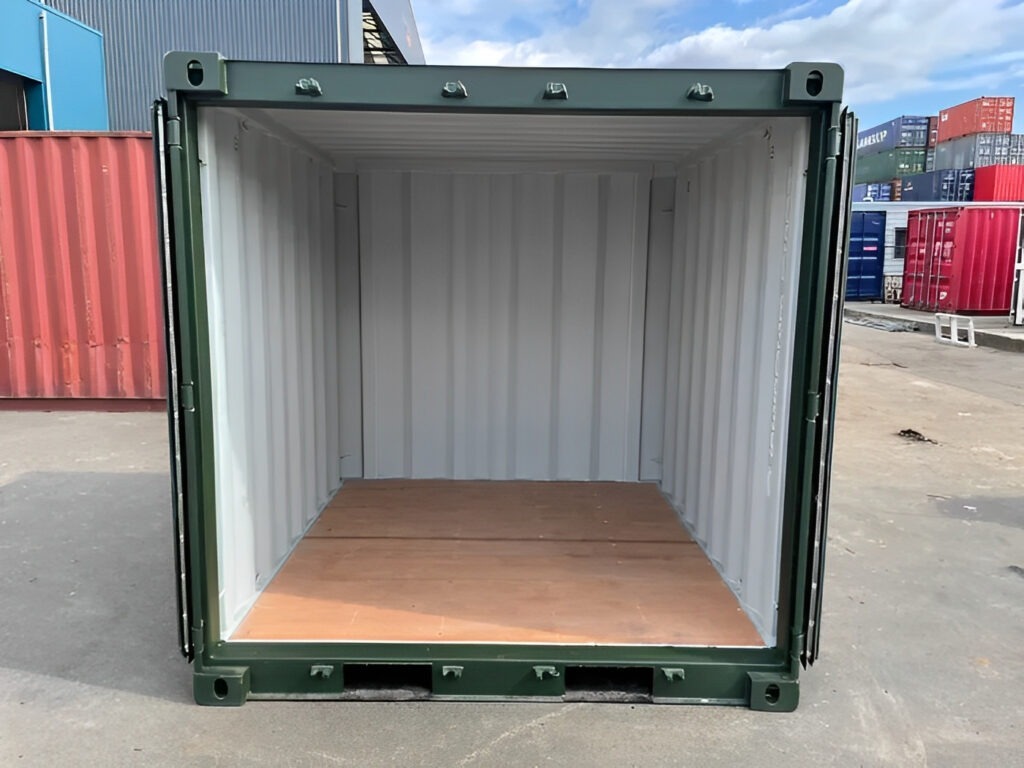
Ship Containers for Sale: Your Friendly Guide to Picking the Perfect Box on the High‑Sea
When you hear “ship container,” you probably picture those massive steel boxes stacked like a city skyline at a port. But today those containers are far more than just cargo carriers – they’re versatile storage units, pop‑up shops, tiny homes, and even art studios. If you’re scrolling through listings, wondering which container is right for you, or just curious about the market, you’ve landed on the right page.
In this friendly, second‑person guide we’ll walk you through:
- The different types of containers you can buy
- Key specs you should compare (with a handy table)
- How price varies by size, condition, and extras (another table to make it crystal‑clear)
- Where to find reputable sellers
- A quick‑check list of things to inspect before you sign
- Frequently asked questions
Grab a coffee, settle in, and let’s demystify the world of ship containers for sale.
1. Why Buy a Container in the First Place?
You might be asking yourself, “Do I really need a giant metal box?” Here are five common reasons people like you decide to buy:
| Reason | How a Container Helps |
|---|---|
| Extra storage | Keep seasonal gear, tools, or inventory out of the way, protected from weather and theft. |
| Mobile office or workshop | Transform a 20‑ft box into a fully‑equipped workspace you can relocate as business needs change. |
| DIY tiny home | With insulation, windows and interior finishes, a container becomes a compact, eco‑friendly dwelling. |
| Pop‑up retail | Set up a stylish storefront at festivals, farmer’s markets, or urban streetscapes. |
| Shipping & logistics | If you run an import/export business, owning your own containers can cut recurring rental fees. |
No matter which of these scenarios matches your vision, the right container can save you money, boost productivity, and add a dash of industrial chic to your life.
2. Types of Containers You’ll See on the Market
Most sellers categorize containers by size, condition, and special features. Below is a quick snapshot of the most common options.
| Type | Typical Dimensions (L×W×H) | Load Capacity | Common Uses |
|---|---|---|---|
| Standard Dry Container (20‑ft) | 20′ × 8′ × 8′ 6″ (6.06 m × 2.44 m × 2.59 m) | 28,000 kg (about 62,000 lb) | Storage, transport, small workshops |
| Standard Dry Container (40‑ft) | 40′ × 8′ × 8′ 6″ (12.19 m × 2.44 m × 2.59 m) | 29,000 kg (≈64,000 lb) | Larger inventories, mobile offices |
| High‑Cube (40‑ft HC) | 40′ × 8′ × 9′ 6″ (12.19 m × 2.44 m × 2.90 m) | Same as standard 40‑ft | Extra headroom for standing work or tall equipment |
| Reefer (Refrigerated) | Same as dry but insulated & with cooling unit | ~30,000 kg | Perishable goods, medical supplies |
| Open‑Top | Same footprint, removable roof | 27,000 kg | Oversized cargo, construction equipment |
| Flat‑Rack | Collapsible sidewalls | 30,000 kg | Heavy machinery, vehicles |
| Modified/Custom | Varies (doors, windows, insulation) | Varies | Pop‑ups, tiny homes, art studios |
When you browse “ship container for sale,” make sure the listing clearly states which of these categories the unit belongs to.
3. How Price Breaks Down – A Quick Comparison
Pricing can feel like a maze, especially when you see a 20‑ft container listed for $2,500 and a 40‑ft for $4,800. Below is a realistic price range you’ll encounter in 2024‑2025, broken down by size, condition, and add‑ons (like insulation or a lock set). All figures are approximate and can vary by region, seller reputation, and market demand.
| Size | Condition | Base Price (USD) | Typical Add‑Ons & Their Cost* |
|---|---|---|---|
| 20‑ft Dry | New (factory‑fresh) | $2,800 – $3,600 | Insulation $300‑$600; Ventilation $80‑$150; Paint $150‑$300 |
| 20‑ft Dry | Used (good) | $1,500 – $2,200 | Same add‑on costs; plus cleaning $100‑$200 |
| 20‑ft Dry | Used (fair/repair needed) | $900 – $1,400 | Repair $200‑$800 (depending on rust, dents) |
| 40‑ft Dry | New | $4,300 – $5,500 | Insulation $400‑$900; Electrical wiring $200‑$500; Paint $250‑$450 |
| 40‑ft Dry | Used (good) | $2,900 – $4,000 | Same add‑on costs; cleaning $150‑$300 |
| 40‑ft HC | New | $5,200 – $6,500 | Extra interior framing $200‑$500; HVAC $300‑$700 |
| 40‑ft HC | Used (good) | $3,500 – $4,800 | Same add‑ons as above |
| Reefer (20‑ft) | Used (good) | $4,500 – $6,200 | Refrigeration unit service $300‑$600 |
| Open‑Top (40‑ft) | Used (good) | $3,200 – $4,200 | Roof sealant $150‑$300 |
| Flat‑Rack (20‑ft) | Used (good) | $2,800 – $3,600 | Tie‑down hardware $100‑$250 |
*Add‑on costs assume you’re customizing after purchase. Some sellers bundle these extras; always ask for a detailed quote.
What Drives Price Differences?
- Age & Condition – New containers carry a premium, while used units can be a bargain if they’re rust‑free and have no structural damage.
- Location – Containers shipped from Asia to the U.S. often include a freight charge; buying locally can shave off $200‑$400.
- Supply Chain Fluctuations – Global shipping rates surged in 2022‑2023; they have steadied but can still cause price spikes during peak seasons.
- Customization – The more you ask the seller to pre‑install (doors, windows, insulation), the higher the quote, but it can save you time later.
4. Where to Find Reliable Sellers
Not all container listings are created equal. Here’s a short checklist of reputable channels:
| Platform | Pros | Cons |
|---|---|---|
| Specialized Container Companies (e.g., Container Sales Ltd., SeaBox) | Certified inspections, warranty options, financing | Slightly higher base price |
| Online Marketplace (e.g., eBay, Craigslist, Facebook Marketplace) | Huge inventory, potential bargains | Variable seller reliability, fewer guarantees |
| Port Auctions | Direct from the source, often cheap | Requires logistics know‑how; limited warranties |
| Local Trucking & Logistics Firms | Often have surplus units, can arrange delivery | May not list all specs publicly |
| Industrial Surplus Stores | Helpful staff, easier payment options | Limited selection of larger units |
Pro tip: Always ask for a container inspection report (including a “C‑POD” – Container Condition of Purchase) and request photos from multiple angles before committing. If the seller can provide a video walkthrough, you’re likely dealing with a serious, trustworthy vendor.
5. Your Quick‑Check List Before You Sign
Even with a solid seller, a quick visual and tactile inspection can save you headaches later. Walk through this list on site—or ask the seller to video‑record it for you.
- Exterior Rust & Corrosion
- Look for rust streaks on corners, seams, and doors. Light surface rust is normal; deep pitting means structural concerns.
- Door Functionality
- Open and close both doors fully. Check the hinges, locks, and seals for smooth operation.
- Floor Condition
- Stand on the floor; listen for creaks. Look for dents or holes that could trap moisture.
- Structural Integrity
- Tap the walls—solid steel will give a dull sound. Excessive hollowness may indicate thinning.
- Interior Cleanliness
- If you plan to use it for living or office space, ensure it’s free of mold, pests, and lingering oil residues.
- Documentation
- Verify the CSC (Container Safety Certificate) and ISO standards (ISO 668 for size, ISO 1496 for general specs).
- Delivery & Placement
- Confirm the seller offers a lift‑gate delivery or that you have a crane available. Check local zoning rules if you’ll place it on private property.
Mark each item ✅ if it passes; if any red flag appears, ask the seller for remediation or negotiate a price reduction.
6. How to Finance Your Container
You don’t always need to pay cash up front. Here are a few financing paths you might consider:
| Option | Typical Terms | When It Makes Sense |
|---|---|---|
| Direct Purchase (Cash) | 0% interest, one‑time payment | If you have the capital and want to avoid any extra fees. |
| Bank Loan | 3‑7% APR, 12‑36 months | Good for larger purchases (40‑ft HC, custom builds). |
| Seller Financing | Often 5‑10% APR, flexible down‑payment | Ideal when the seller offers a “buy now, pay later” plan. |
| Leasing | Monthly lease, option to buy at end | Best if you foresee short‑term need (e.g., event pop‑up). |
| Crowdfunding / Community Funding | Variable | Useful for community projects (e.g., a shared workshop). |
Before committing, compare the annual percentage rate (APR) across options and factor in any hidden fees (delivery, insurance, early‑termination penalties).
7. Frequently Asked Questions (FAQ)
Below are the most common queries we hear from people just like you. If you don’t see your question answered, feel free to drop us a comment!
Q1: Can I put a container on my backyard without a permit?
A: It depends on local zoning laws. Many municipalities treat a container as a temporary structure if it’s placed on a concrete pad and not used as a dwelling. Check with your city’s building department – a simple permit can cost $50‑$150.
Q2: How long does a container last?
A: A well‑maintained steel container can exceed 30 years. The key is regular cleaning, repainting, and checking for rust. Insulated or refrigerated units may have a shorter lifespan due to interior wear.
Q3: Is a container waterproof?
A: Yes, when the doors are closed and the seals are intact. However, the roof and corners can accumulate water over time. Adding a roof coating and installing drainage gutters enhances the waterproofing.
Q4: Can I stack two containers on top of each other?
A: Absolutely! Containers are engineered for stacking up to 9 units high on a container ship. On land, ensure you have a solid foundation and, if you’re not an engineer, consult a professional before stacking.
Q5: What’s the difference between a “dry” and “reefer” container?
A: A dry container is just a steel box, perfect for most goods. A reefer comes with an insulated interior and a refrigeration unit, making it ideal for perishable items. Reefers also require a power source (usually 110 V or 220 V) to keep the cooling system running.
Q6: Do containers have built‑in ventilation?
A: Standard dry containers have ventilation holes near the top corners to equalize pressure. For living or office use, you’ll want additional vents or a small HVAC system to ensure airflow.
Q7: Can I paint my container any color I like?
A: Yes! Just use marine‑grade exterior paint (often epoxy‑based) to protect against corrosion. Light colors reflect heat, which is handy for hot climates.
Q8: Are there any hidden costs after purchase?
A: The biggest hidden cost is delivery—especially if you need a crane or a lift‑gate truck. Also consider site preparation (concrete slab, leveling) and insurance if you’ll use the container for business purposes.
8. Tips for Customizing Your New Container
Now that you’ve selected the perfect box, here are five easy upgrades you can do yourself (or hire a handyman for) to turn it into a functional space:
- Insulation & Interior Paneling – Spray‑foam or rigid foam board works best. Cover with plywood or drywall for a clean look.
- Electrical Wiring – Run conduit from a nearby power source, install a breaker box, and add LED lighting.
- Windows & Doors – Cut out openings and source pre‑fabricated marine‑grade windows; install weather‑sealed doors for extra access.
- Flooring – Lay down a durable epoxy coating or interlocking rubber tiles for a non‑slip surface.
- Exterior Branding – Use vinyl wraps or custom paint to turn your container into a moving billboard for your business.
9. Final Thoughts: You’re Ready to Ship Out!
Purchasing a ship container doesn’t have to feel like navigating a cargo port in the dark. By focusing on size, condition, price, and the right seller, you’ll make a confident investment that can store, shelter, sell, or even become your next cozy residence.
Remember to:
- Inspect the container thoroughly (use our quick‑check list).
- Compare prices using our tables—don’t settle for the first listing you see.
- Plan your financing early to avoid surprise costs.
- Check local regulations before you place your container on the ground.
When you follow these steps, you’ll unlock the full potential of that sturdy steel box and turn it into a valuable asset for years to come.
Happy hunting, and may your new container bring you the space, flexibility, and style you’ve been looking for! 🚢🏠✨