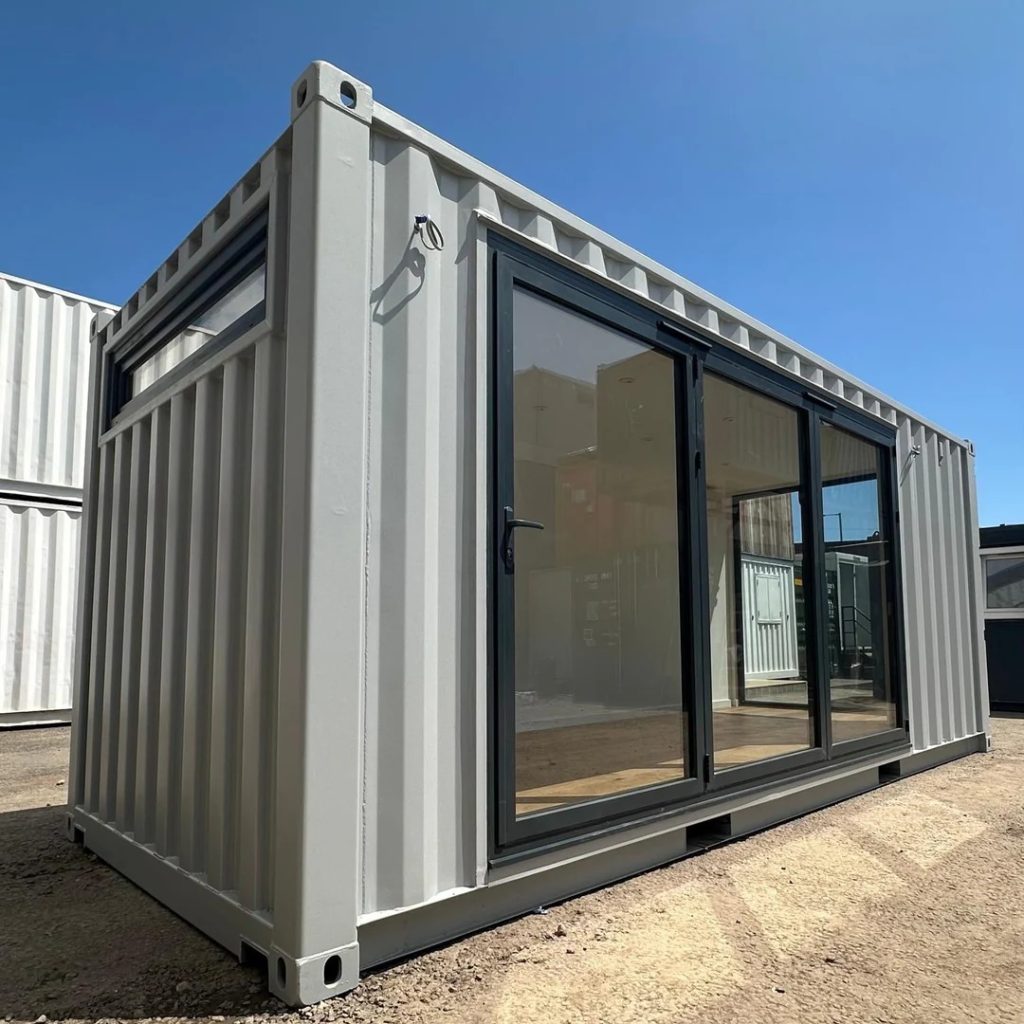
Build Your Dream Home From the Sea: A Friendly Guide to Choosing a Shipping‑Container House Company
If you’ve ever imagined a home that’s modern, affordable, and a little bit adventurous, chances are you’ve already heard the buzz about shipping‑container houses. Those sturdy steel boxes that once criss‑crossed oceans are now being transformed into sleek living spaces, tiny‑home studios, and even full‑size family homes.
But before you start sketching floor plans on a napkin, you need a partner that knows how to turn a metal container into a warm, livable haven. In this post we’ll walk you through everything you need to consider, compare a few top‑tier companies, break down the costs, and answer the most common questions—so you can feel confident about taking the plunge.
1. Why Choose a Shipping‑Container Home?
| Benefit | What It Means for You |
|---|---|
| Speed of construction | Most projects go from foundation to roof in 12‑16 weeks—much faster than traditional builds. |
| Cost‑effectiveness | Steel containers cost $2,000‑$4,000 each; a 40‑ft unit can become a 1‑bedroom apartment for $30K‑$70K (including finish work). |
| Eco‑friendly | Up to 90% of the container can be recycled, lowering your carbon footprint. |
| Durability | Steel resists pests, rot, and fire better than wood. |
| Flexibility | Stack, combine, or modify containers to suit any plot size—from a city lot to a rural acreage. |
If any of those points light a spark, you’re already on the right track.
2. How to Pick the Right Shipping‑Container House Company
Not all container‑home builders are created equal. Below is a quick‑scan table that compares three reputable firms that consistently rank high in customer satisfaction, design flexibility, and price transparency.
| Company | Founded | Core Services | Typical Project Size | Design Freedom | Average Build Cost* | Warranty |
|---|---|---|---|---|---|---|
| EcoBox Homes | 2015 | Turnkey design‑build, site prep, interior finishes | 1‑4 containers (≈400‑1,600 sq ft) | Full 3‑D customization + modular add‑ons | $45‑$70 per sq ft | 5 yr structural |
| SteelNest Studios | 2012 | DIY kits, semi‑custom builds, off‑site fabrication | 1‑3 containers (≈300‑1,200 sq ft) | Pre‑designed layouts + limited wall changes | $35‑$55 per sq ft | 3 yr structural |
| PortHouse Builders | 2008 | Luxury custom builds, integrated smart‑home tech | 2‑6 containers (≈800‑2,700 sq ft) | Unlimited architectural design | $65‑$90 per sq ft | 7 yr structural + interior |
*Costs include container purchase, foundation, insulation, basic finishes, and labor. Appliances, high‑end fixtures, and site‑specific permits are extra.
What to look for:
- Transparency – Do they publish clear cost breakdowns?
- Design Flexibility – Can you tweak floor plans or add windows/doors?
- Support – Are they hands‑on during permitting and site prep?
- Warranty – A solid structural warranty protects your investment.
Take notes while you chat with each firm, then match their strengths with your priorities.
3. The Journey From Container to Cozy Home – Step‑by‑Step
Here’s a friendly, bite‑size roadmap to keep you on track:
- Dream & Define – Sketch a wish‑list: number of bedrooms, open‑plan kitchen, rooftop deck, etc.
- Site Survey – Let the company assess soil, utilities, and local zoning.
- Design Freeze – Approve 3‑D renderings; request tweaks before the build lock.
- Permits & Approvals – The builder will file building permits; you’ll need to sign off on any homeowner association (HOA) paperwork.
- Foundation Work – Usually a concrete slab or pier system; foundation cost is ~15% of total.
- Container Delivery – The steel boxes arrive on a flatbed truck; expect a 1‑day unloading.
- Cutting & Welding – Openings for windows/doors, reinforce walls where needed.
- Insulation & Utilities – Spray‑foam or panel insulation, wiring, plumbing, HVAC.
- Interior Finishes – Drywall, flooring, cabinetry, fixtures.
- Final Inspection & Handover – Walkthrough, snag list, and you get the keys!
Tip: Keep a simple spreadsheet to log dates, costs, and who’s responsible for each step. It will make the process feel less like a maze and more like a well‑planned adventure.
4. Budget Breakdown – Where Does Your Money Go?
Below is a typical cost distribution for a 40‑ft, 2‑container (≈800 sq ft) home. Numbers are averages; your actual figures will vary based on location and finish level.
| Category | % of Total Cost | Typical Dollar Range |
|---|---|---|
| Container purchase (2 units) | 12% | $4,000‑$8,000 |
| Foundation & site work | 15% | $5,000‑$9,000 |
| Structural modifications (cutting, welding) | 10% | $3,000‑$5,000 |
| Insulation & weatherproofing | 12% | $3,500‑$6,000 |
| Electrical & plumbing | 13% | $4,000‑$7,000 |
| HVAC & ventilation | 8% | $2,500‑$4,000 |
| Interior finishes (drywall, flooring, cabinets) | 20% | $6,500‑$10,500 |
| Fixtures & appliances | 8% | $2,500‑$4,000 |
| Design & permit fees | 2% | $500‑$1,000 |
| Total | 100% | $31,500‑$55,500 |
Pro tip: Allocate a 10‑15% contingency for unexpected site conditions or last‑minute design upgrades. It’s better than scrambling later.
5. Going Green: Sustainability Benefits You’ll Love
- Recycled Materials – By repurposing a container, you keep steel out of landfills.
- Energy Efficiency – With proper insulation and passive‑solar design, you can slash heating/cooling bills up to 40%.
- Renewable Power Ready – Most builders can pre‑wire for solar panels, battery storage, and even a small wind turbine.
- Water Conservation – Low‑flow fixtures and rain‑water harvesting can be integrated at the design stage.
If “green” is a priority, ask your builder about LEED‑compatible options or a Carbon‑Neutral certification.
6. Customization Checklist – Make It Truly Yours
| Feature | What It Adds | Typical Cost Impact |
|---|---|---|
| Large floor‑to‑ceiling windows | Natural light, panoramic views | +5‑10% |
| Rooftop deck or garden | Outdoor living space, extra square footage | +8‑12% |
| Sliding glass doors to a patio | Indoor‑outdoor flow | +3‑6% |
| Smart‑home system (lighting, security, thermostat) | Convenience, energy savings | +2‑5% |
| Loft bedroom or office | Additional sleeping/working area without expanding footprint | +4‑8% |
| Custom exterior cladding (wood, brick veneer) | Aesthetic boost, extra insulation | +6‑10% |
| High‑end kitchen (stone countertops, premium appliances) | Luxury feel, resale value | +7‑12% |
| Integrated bathroom sauna or steam shower | Spa‑like experience | +5‑9% |
Take this list to your design meeting and rank the items that matter most. The builder can then produce a cost‑adjusted proposal that fits your budget.
7. Real‑World Success Stories (Inspiration Corner)
- The “Eco‑Couple” in Portland, OR – A young couple bought a single 40‑ft container, added a mezzanine loft, and installed a rooftop solar array. They completed the project in 14 weeks for $38,000 and now rent out the space on Airbnb, generating $1,200/month.
- Family Retreat in Austin, TX – Using three containers, the Smiths created a 1,200‑sq‑ft home with an open‑plan kitchen, a covered outdoor patio, and a loft bedroom. The total cost was $85,000, and they qualify for a state tax credit because of the high energy‑efficiency rating.
- Artist Studio in Brooklyn, NY – A freelance illustrator turned a 20‑ft container into a compact studio loft with a floor‑to‑ceiling mural wall. The project cost $27,000 and now serves as both living space and gallery for local shows.
Each of these projects started with a clear vision, a trustworthy builder, and a realistic budget. Your story can be the next one we celebrate!
8. Frequently Asked Questions (FAQ)
Q1: Do I need a special foundation for a container home?
A: Most container houses sit on a concrete slab or pier system, similar to traditional homes. The exact type depends on soil conditions and local building codes. Your builder will recommend the most cost‑effective option.
Q2: How long does a container last before it needs replacement?
A: Steel containers have a lifespan of 30‑50 years or more when properly maintained. Corrosion is the main concern, so a good paint system and regular inspections keep the structure healthy.
Q3: Can I get a mortgage for a container home?
A: Yes, many lenders treat a well‑constructed container house like any other residential property, especially if it meets local zoning and building permit requirements. Some specialty lenders even offer “manufactured‑home” loans with favorable rates.
Q4: Are there zoning restrictions that could block my build?
A: Zoning varies widely. Some municipalities have explicit allowances for “modular” or “alternative” structures, while others may require a variance. Always verify with your local planning department early in the process.
Q5: What about insulation—won’t the metal get too hot or cold?
A: Proper insulation (spray foam, rigid board, or blanket) combined with a vapor barrier eliminates temperature extremes. Many builders also add interior drywall to create a thermal break.
Q6: How do I handle ventilation and moisture control?
A: A balanced HVAC system, along with strategically placed operable windows and exhaust fans, maintains healthy indoor air quality. Some builders also incorporate a heat recovery ventilator (HRV) for energy‑efficient fresh air.
Q7: Can I expand my home later?
A: Absolutely. One of the biggest perks of container architecture is its modular nature. Adding another container or stacking on top is a relatively straightforward process—just keep future expansion in mind during the initial design.
Q8: What warranties are typical?
A: Most reputable companies offer a 5‑year structural warranty covering the steel frame, plus separate warranties for appliances, roofing, and finishes. Always read the fine print and ask for a copy before signing.
9. Ready to Take the Leap?
Building a shipping‑container home isn’t just a construction project—it’s an adventure that blends sustainability, creativity, and smart budgeting. By choosing the right company, planning thoughtfully, and keeping an eye on costs, you’ll end up with a dwelling that’s as unique as your own story.
Next steps you can take right now:
- Download a free design worksheet (most builders provide one on their website).
- Schedule a no‑obligation site visit with at least two of the companies from the comparison table.
- Set a realistic budget using the cost breakdown above and add a 10 % contingency.
Remember, the journey from a steel box to a welcoming home is as exciting as the destination itself. So grab a cup of coffee, pull up those blueprints, and let’s start building the future—one container at a time.
Happy building! 🚢🏡