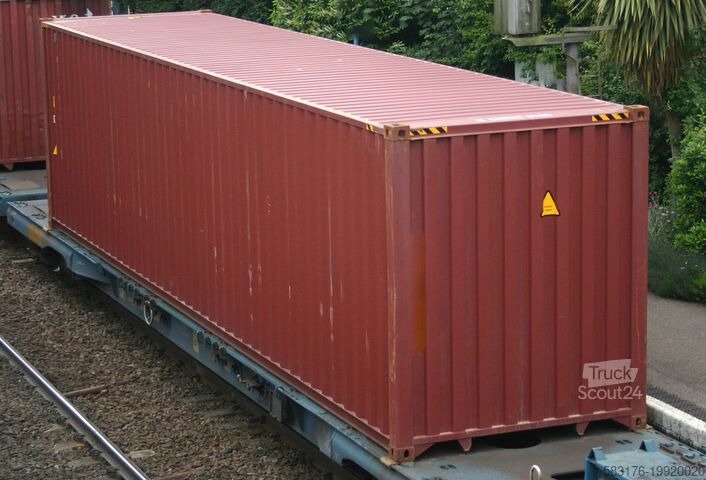
The Complete Guide to Shipping Containers: What You Need to Know Before You Buy, Rent, or Repurpose
Imagine you have a blank‑canvas that can be moved across oceans, stacked on a dock, and transformed into a tiny home, a pop‑up shop, or a secure storage unit. That canvas is the shipping container – the unsung workhorse of global trade.
In this post you’ll get a step‑by‑step walkthrough of everything you need to consider when dealing with containers: the different types, the standard dimensions, how to choose the right one for your project, and the practicalities of buying, renting, or modifying them. By the end, you’ll be equipped to make an informed decision that fits your budget, timeline, and ambition.
1. Why Shipping Containers Matter to You
| Benefit | How It Impacts Your Project |
|---|---|
| Durability | Made of Corten steel, they resist corrosion and can last 25‑30 years with minimal maintenance. |
| Mobility | Built to be lifted by a crane or forklift and stacked up to 7 high, they travel easily by ship, rail, or truck. |
| Standardization | Global standards (ISO 668) mean you know the exact dimensions and weight limits before you buy. |
| Cost‑Effectiveness | New containers start at $2,500–$4,000 (20‑ft) and $3,500–$6,000 (40‑ft); used ones can be half that. |
| Versatility | From storage to living space, pop‑up cafés to data‑center modules— the possibilities are endless. |
| Security | Built‑in lock points and the ability to reinforce doors make them highly secure. |
If any of these advantages line up with your goals—whether you need a rugged storage solution for a construction site, a modular office for a remote project, or an eye‑catching storefront— a shipping container is probably worth a closer look.
2. The Core Types of Containers
| Type | Typical Size(s) | Main Use Cases | Key Features |
|---|---|---|---|
| Dry Van (General‑purpose) | 20‑ft, 40‑ft, 45‑ft | General cargo, storage, pop‑up shops | Fully enclosed, weather‑tight, standard doors |
| High‑Cube Dry Van | 40‑ft HC (9.5 ft interior height) | Voluminous goods, office space | Extra foot of internal height |
| Open‑Top | 20‑ft, 40‑ft | Oversized loads (machinery, timber) | Removable top sheet, crane access |
| Flat‑Rack | 20‑ft, 40‑ft | Heavy machinery, vehicles | No side walls, collapsible ends |
| Reefer (Refrigerated) | 20‑ft, 40‑ft | Perishables, pharmaceuticals | Integrated cooling unit, insulation |
| Ventilated (Vent‑Box) | 20‑ft, 40‑ft | Produce, coffee beans, chemicals | Built‑in vents, airflow control |
| Special‑Purpose (e.g., Tank, Bulk) | Varies | Liquids, powders, hazardous materials | Custom fittings, certifications |
Pro tip: For most DIY conversions (tiny homes, cafés, workshops), the Standard Dry Van or High‑Cube Dry Van is the most cost‑effective starting point.
3. Decoding the Numbers: Standard Dimensions & Capacities
| Container Size | External Length | External Width | External Height | Internal Length | Internal Width | Internal Height | Maximum Gross Weight (kg) | Payload Capacity (kg) |
|---|---|---|---|---|---|---|---|---|
| 20‑ft Dry | 6.058 m (20 ft) | 2.438 m (8 ft) | 2.591 m (8 ft 6 in) | 5.898 m | 2.352 m | 2.393 m | 24 000 | 21 800 |
| 40‑ft Dry | 12.192 m (40 ft) | 2.438 m (8 ft) | 2.591 m (8 ft 6 in) | 12.032 m | 2.352 m | 2.393 m | 30 480 | 28 200 |
| 40‑ft High‑Cube | 12.192 m | 2.438 m | 2.896 m (9 ft 6 in) | 12.032 m | 2.352 m | 2.698 m | 30 480 | 28 200 |
| 45‑ft High‑Cube | 13.716 m (45 ft) | 2.438 m | 2.896 m | 13.556 m | 2.352 m | 2.698 m | 32 500 | 29 800 |
All dimensions are approximate; manufacturers may vary by a few centimeters.
Understanding these numbers helps you decide whether a 20‑ft unit will fit through a doorway, whether a high‑cube gives you enough headroom for a loft bed, or whether the payload is sufficient for the equipment you want to store.
4. How to Choose the Right Container for Your Project
Below is a quick decision checklist. Tick each box as you go; the final column suggests the most suitable container type.
| Consideration | Questions to Ask Yourself | Recommended Container |
|---|---|---|
| Space Needed | How many square meters of floor area? How much vertical clearance? | 20‑ft for ≤ 12 m² floor; 40‑ft or HC for > 12 m² or lofts |
| Load Weight | What is the total weight of the items you’ll place inside? | Verify payload > expected load; choose 40‑ft for heavier cargo |
| Climate Control | Do you need refrigeration or ventilation? | Reefer for temperature‑sensitive goods; Vent‑Box for airflow |
| Mobility | Will the unit be moved frequently? | Standard dry for ease of handling; avoid heavy‑wall specialty units |
| Budget | What is your purchase vs. rental budget? | Used 20‑ft dry (~$1,200) for tight budgets; new HC for premium projects |
| Regulatory Requirements | Does your locality require fire‑rated or insulated panels? | Ask local building authority; may need modified panels |
| Aesthetic Goals | Do you plan to expose the steel exterior? | High‑cube or custom painted dry for a sleek look |
5. Buying vs. Renting: Which Makes More Sense?
| Factor | Buying | Renting |
|---|---|---|
| Up‑front Cost | High – you own the asset | Low – pay per month |
| Long‑Term ROI | Good if you’ll use it for > 5 years | Poor if you need it briefly |
| Flexibility | You can modify permanently | You must return in original condition |
| Maintenance | Your responsibility | Provider handles minor repairs |
| Depreciation | Asset value drops ~10‑15 %/yr | No depreciation concerns |
Bottom line: If you plan to convert the container into a permanent structure (e.g., a tiny home), buying makes financial sense. If you just need temporary on‑site storage for a construction project lasting a few months, renting is the smarter route.
6. Step‑by‑Step: Converting a Shipping Container into a Livable Space
- Select the Right Unit – For a tiny home, a 40‑ft high‑cube gives you ~30 m² floor space and 2.7 m ceiling.
- Inspect for Damage – Look for dents, rust, or water intrusion. A “grade A” container is ideal.
- Plan Layout – Sketch walls, windows, doors, and utilities. Keep weight balanced; avoid clustering heavy items on one side.
- Obtain Permits – Local zoning laws may require building permits, especially for habitation.
- Cut Openings – Use a plasma cutter or metal saw for windows, doors, and ventilation. Reinforce surrounding frames with steel angles.
- Insulate – Spray‑foam or rigid board insulation (R‑value 20+ recommended). Add a vapor barrier to prevent condensation.
- Install Utilities – Run electrical conduit, plumbing, and HVAC. A mini‑split HVAC works well in confined spaces.
- Finish Interior – Drywall, plywood panels, or reclaimed wood create a warm aesthetic.
- Exterior Treatments – Paint with rust‑inhibiting primer and a high‑quality marine enamel; consider cladding for added insulation.
- Final Inspection – Verify all codes, test electrical circuits, and ensure fire safety (smoke detectors, fire‑rated doors).
Tip: Outsourcing the cut‑out and reinforcement to a professional fabricator can save you hours of trial‑and‑error and guarantee structural integrity.
7. Shipping Container Maintenance 101
| Maintenance Task | Frequency | How to Perform It |
|---|---|---|
| Exterior Wash | Quarterly | Use mild detergent, hose down, dry to prevent salt build‑up (coastal areas). |
| Rust Spot Treatment | As soon as spotted | Sand rust away, apply marine‑grade primer, then topcoat. |
| Door Seal Check | Every 6 months | Inspect rubber gaskets; replace if cracked. |
| Floor Inspection | Annually | Look for corrosion or water pooling; reseal with epoxy if needed. |
| Structural Survey | Every 2 years (or after severe weather) | Hire a qualified inspector to assess welds and frame integrity. |
Regular upkeep extends service life and protects any interior finishes you’ve added.
8. Frequently Asked Questions (FAQ)
Q1: How long does a shipping container last?
A: A well‑maintained container can serve 25‑30 years before major corrosion or structural fatigue becomes an issue. Refrigerated (reefer) units have a shorter lifespan due to the cooling system, usually around 15‑20 years.
Q2: Do I need a special permit to place a container on my property?
A: It depends on local zoning regulations. Many municipalities treat a container as a “temporary structure,” but permanent installations (e.g., homes, offices) often require building permits and inspections.
Q3: Can I stack a container on a residential lot?
A: Technically yes, but most residential codes limit stacking to one level unless you obtain a special variance and ensure proper foundation and load‑bearing design.
Q4: What’s the difference between a “grade A” and “grade B” container?
A: Grade A (or “new”) containers are in pristine condition—no dents, rust, or structural defects. Grade B may have minor cosmetic damage but is still structurally sound. Grades C and D have more significant wear and may need repairs before use.
Q5: How do I securely lock a container?
A: Use a high‑security padlock on the standard hasp, or install a bolt‑type lock that engages the container’s door frame. For high‑value assets, consider adding a GPS tracking system.
Q6: Are shipping containers eco‑friendly?
A: Yes. Repurposing a container diverts steel from landfill and reduces the need for new construction materials. However, you should consider the carbon footprint of transportation and the energy required for modifications.
Q7: Can I paint the exterior myself?
A: Absolutely. Clean the surface, apply a rust‑inhibiting primer, then finish with a marine‑grade enamel. Use a spray system for even coverage.
9. Bottom Line: Making the Right Decision
You now have the data, the comparison tables, and the practical steps to evaluate whether a shipping container fits your needs. Here’s a quick action summary you can copy‑paste into your project notebook:
- Define the purpose – storage, office, home, or retail?
- Choose the size & type – refer to the “Standard Dimensions” table.
- Set a budget – decide between buying new, buying used, or renting.
- Check local regulations – secure any required permits.
- Inspect the unit – look for damage, verify grade.
- Plan modifications – list cuts, insulation, utilities.
- Schedule maintenance – add reminders to your calendar.
By following these steps, you’ll turn a humble steel box into a solution that’s sturdy, mobile, and uniquely yours. Whether you’re a contractor looking for rugged on‑site storage, a budding entrepreneur wanting a striking pop‑up shop, or a homeowner dreaming of a tiny‑house lifestyle, the shipping container is a versatile platform that can adapt to your vision.
Ready to get started? Grab a quote from a reputable container supplier, download a simple layout sketch app, and take the first concrete step toward converting that steel shell into the space you’ve imagined.
Happy building, and may your container adventure be as sturdy as the steel that holds it!