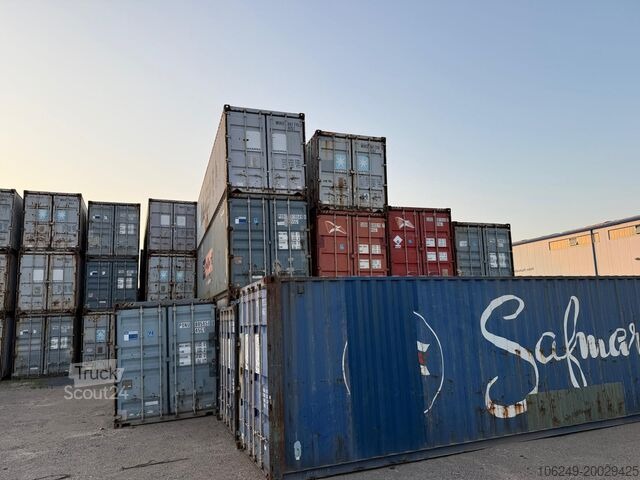
Shipping Container Conversions: Your Complete Guide to Turning Steel Boxes into Dream Spaces
Whether you’re dreaming of a tiny‑home studio, a pop‑up café, an off‑grid office, or a portable workshop, a shipping container can be the perfect starting point. Below you’ll find everything you need to know—from design choices and budgeting to legal hurdles and finishing touches—so you can turn a 20‑ or 40‑foot steel box into a functional, stylish space that meets your needs.
1. Why Choose a Shipping Container?
| Benefit | What It Means for You |
|---|---|
| Durability | Made of Corten steel, containers resist rust, weather, and impact—ideal for harsh climates or mobile applications. |
| Modularity | Stackable and easily combined; you can start with one unit and add more as your project grows. |
| Transportability | Built for global freight, containers can be shipped, crane‑lifted, or towed with a trailer—perfect for remote sites. |
| Cost‑Effective | A used 20‑ft container can cost $1,500–$3,000, while a new one runs $3,000–$5,000. Compared with traditional construction, you save on foundations, framing, and many labor hours. |
| Eco‑Friendly | Repurposing an existing container reduces steel waste and lowers the carbon footprint of your project. |
If any of those points resonate with you, a container conversion may be the smartest way to achieve your next building project.
2. Types of Conversions: What’s Right for Your Lifestyle?
| Conversion Type | Typical Size | Best For | Key Design Considerations |
|---|---|---|---|
| Tiny Home / Living Space | 20‑ft (320 sq ft) or 40‑ft (640 sq ft) | Full‑time living, vacation rentals, minimalist lifestyle | Insulation, plumbing, kitchen appliances, bathroom fixtures, natural light (windows/doors). |
| Office / Studio | 20‑ft or 40‑ft | Remote work, creative studios, pop‑up retail | Soundproofing, HVAC, high‑speed internet wiring, branded exterior graphics. |
| Workshop / Garage | 20‑ft or 40‑ft | Automotive repair, woodworking, equipment storage | Heavy‑duty doors, reinforced flooring, ventilation, power distribution. |
| Retail / Café | 20‑ft (ideal for kiosks) or 40‑ft (full‑service café) | Food service, boutique shops, pop‑up events | Commercial kitchen compliance, grease traps, seating layout, façade signage. |
| Medical / Emergency Shelter | 40‑ft (often subdivided) | Field hospitals, disaster relief housing | Sterile interiors, medical gas lines, rapid deployment mechanisms. |
Tip: Start by sketching a floor plan that reflects how you’ll move through the space daily. A cramped layout can feel even smaller than the actual square footage.
3. Step‑By‑Step Roadmap to Your Conversion
- Define Your Program
- List every function the container must fulfill (sleeping, cooking, storage, etc.).
- Create a rough budget and timeline.
- Select the Right Container
- Condition: “One‑trip” containers are fresher than “used‑multiple‑trip” ones.
- Size: 20‑ft for compact projects; 40‑ft when you need extra room or plan to split the interior into zones.
- Check Zoning & Permits
- Contact your local building department. Many municipalities treat containers as “modular structures,” but you may still need a building permit, fire code compliance, and possibly a variance for non‑residential use.
- Design & Engineering
- Hire an architect or use a reputable container‑conversion firm.
- Ensure structural integrity: cutting large openings (doors/windows) requires reinforcement with steel frames or “buckling restraints.”
- Prepare the Site
- Foundation Options: Concrete slab, pier & beam, or a simple steel deck.
- Utilities: Plan for water, sewer, electricity, and internet access points.
- Structural Modifications
- Cut openings, add skylights, install framing for interior walls.
- Apply corrosion‑resistant welding and seal all edges with marine‑grade caulking.
- Insulation & Moisture Control
- Options: Spray foam (R‑value up to 7), rigid board (R‑value 4–5), or blanket insulation with a vapor barrier.
- Install interior drywall or wood paneling on top of the insulation.
- Mechanical Systems
- HVAC: Mini‑split heat pumps work well in tight spaces.
- Plumbing: Use PEX tubing for flexibility; consider a compact water heater.
- Electrical: Follow NEC (National Electrical Code) guidelines; include a sub‑panel for circuits.
- Finishing Touches
- Flooring (epoxy, hardwood, or interlocking tiles).
- Lighting (LED strips, recessed fixtures).
- Interior décor (furniture, storage solutions).
- Inspection & Certification
- Schedule final inspections for building, electrical, plumbing, and fire safety.
- Obtain a Certificate of Occupancy (CO) before moving in or opening for business.
4. Budget Breakdown (Sample for a 20‑ft Tiny Home)
| Item | Estimated Cost (USD) | Notes |
|---|---|---|
| Used 20‑ft container | $2,200 | “One‑trip” condition, includes delivery within 30 mi. |
| Foundation (concrete slab) | $1,500 | 10 × 8 ft slab, includes site prep. |
| Structural cuts & reinforcement | $1,200 | Two side doors, one window, steel framing. |
| Insulation (spray foam) | $1,800 | 2‑inch thickness, R‑value ~6. |
| Interior finishes (drywall, flooring) | $2,200 | Drywall, plywood sub‑floor, vinyl plank flooring. |
| HVAC (mini‑split) | $1,600 | 12,000 BTU unit, includes installation. |
| Plumbing & fixtures | $1,500 | PEX lines, compact tankless water heater, basic kitchen. |
| Electrical (wiring, panel) | $1,400 | 100 A sub‑panel, LED lighting, outlets. |
| Kitchen appliances | $1,200 | 2‑burner stovetop, under‑counter fridge, sink. |
| Bathroom fixtures | $900 | 30‑gal shower, composting toilet. |
| Labor (general contractor) | $4,000 | Approx. 20% of total cost. |
| Total Approx. | $20,600 | Variable based on location, finishes, and customization. |
Pro tip: Add a 10–15% contingency to cover unexpected expenses (e.g., hidden rust, permit fees).
5. Common Design Mistakes—and How to Avoid Them
| Mistake | Why It Hurts | Solution |
|---|---|---|
| Undersized windows | Poor natural light makes the interior feel claustrophobic. | Use floor‑to‑ceiling glass doors or multiple skylights. |
| Skipping structural reinforcement | Cutting large openings weakens the frame, leading to buckling. | Install steel “buckling restraints” and weld reinforcement plates. |
| Inadequate insulation | Leads to condensation, rust, and uncomfortable temperatures. | Choose spray foam or rigid board with a vapor barrier; seal all seams. |
| Neglecting ventilation | Moisture buildup can cause mold and corrosion. | Include exhaust fans, operable windows, and passive vents. |
| Over‑loading the floor | Containers are rated for 2,030 kg/m²; heavy equipment can exceed this. | Reinforce the floor with additional joists or a steel deck if needed. |
| Ignoring local codes | May result in costly retrofits or denial of occupancy. | Research zoning, fire, and accessibility requirements early. |
6. Sustainability Angle: Making Your Container Green
- Solar Power – Install a roof‑mount solar array (2–4 kW) with a battery bank to power lights, appliances, and a mini‑split.
- Rainwater Harvesting – Add a gutter system that funnels water into a filtered storage tank for non‑potable uses (toilet flushing, irrigation).
- Recycled Interior Materials – Use reclaimed wood, recycled glass countertops, or low‑VOC paints to reduce embodied carbon.
- Passive Heating & Cooling – Orient the container to maximize solar gain in winter; incorporate shading devices for summer.
7. Real‑World Inspiration (Quick List)
- The “BoxRoo” Tiny Home – 20‑ft container turned into a 320 sq ft micro‑apartment with roof deck.
- Café Container “The Roaster” – 40‑ft container with an industrial kitchen, custom graphics, and a fold‑out patio.
- Mobile Office “WorkBox” – Stackable 20‑ft units with glass curtain walls, ideal for remote project sites.
- Disaster Relief Shelter “RapidAid” – 40‑ft container outfitted with modular partitions, medical equipment, and solar power.
8. Frequently Asked Questions
Q1. How long does a typical conversion take?
Answer: For a straightforward 20‑ft residential conversion, expect 8–12 weeks from container delivery to move‑in, assuming permits are secured early. Larger, multi‑unit projects can stretch to 6 months.
Q2. Can I move a finished container after it’s built?
Answer: Yes, but you’ll need a crane or flatbed truck and a Transport Permit from your local Department of Transportation. Reinforce any structural modifications (especially large openings) to handle lifting stresses.
Q3. Is a container safe for a full‑time residence?
Answer: Absolutely, provided you meet local housing codes, install proper insulation, ventilation, and fire safety measures (e.g., smoke detectors, fire‑rated doors).
Q4. What is the best insulation for a container in a cold climate?
Answer: Closed‑cell spray foam offers the highest R‑value and also creates an air‑tight envelope, reducing condensation. Combine it with interior wood paneling for a warm aesthetic.
Q5. Do containers need a foundation?
Answer: While a container can sit on a flat surface, building codes typically require a permanent foundation—concrete slab, piers, or a steel deck—to ensure stability, especially against wind or seismic forces.
Q6. How do I handle rust on the exterior?
Answer: Before conversion, have the container sandblasted and primed with a marine‑grade epoxy coating. After finishing, consider a protective exterior paint system (primer + UV‑resistant topcoat).
Q7. Can I stack two containers for a two‑story home?
Answer: Yes, but you’ll need a structural engineer to design the joint and verify load paths. Reinforcing the top container’s floor and adding a proper stairwell are essential.
Q8. What permits are typically required?
Answer: Building permit, electrical permit, plumbing permit, and often a fire‑safety review. Some jurisdictions treat containers as “modular buildings,” which can streamline the process.
9. Quick Checklist Before You Start
- Define program & budget
- Select container size & condition
- Research local zoning & permit requirements
- Engage an architect/engineer for structural plans
- Secure site foundation and utility connections
- Order insulation, windows, doors, and interior finishes
- Schedule inspections at each major milestone
- Add sustainability features (solar, rainwater, recycled materials)
- Finalize interior layout and décor
10. Final Thoughts
Shipping containers are more than just cargo carriers; they’re a versatile building block for modern, affordable, and sustainable architecture. By approaching your conversion methodically—understanding the structural basics, complying with local codes, and investing in quality insulation and finishes—you can create a space that feels custom‑built, not just repurposed.
So, what’s your next move? Grab a floor‑plan sketch, start contacting local suppliers, and let the steel box become the canvas for your dream space. Happy building!