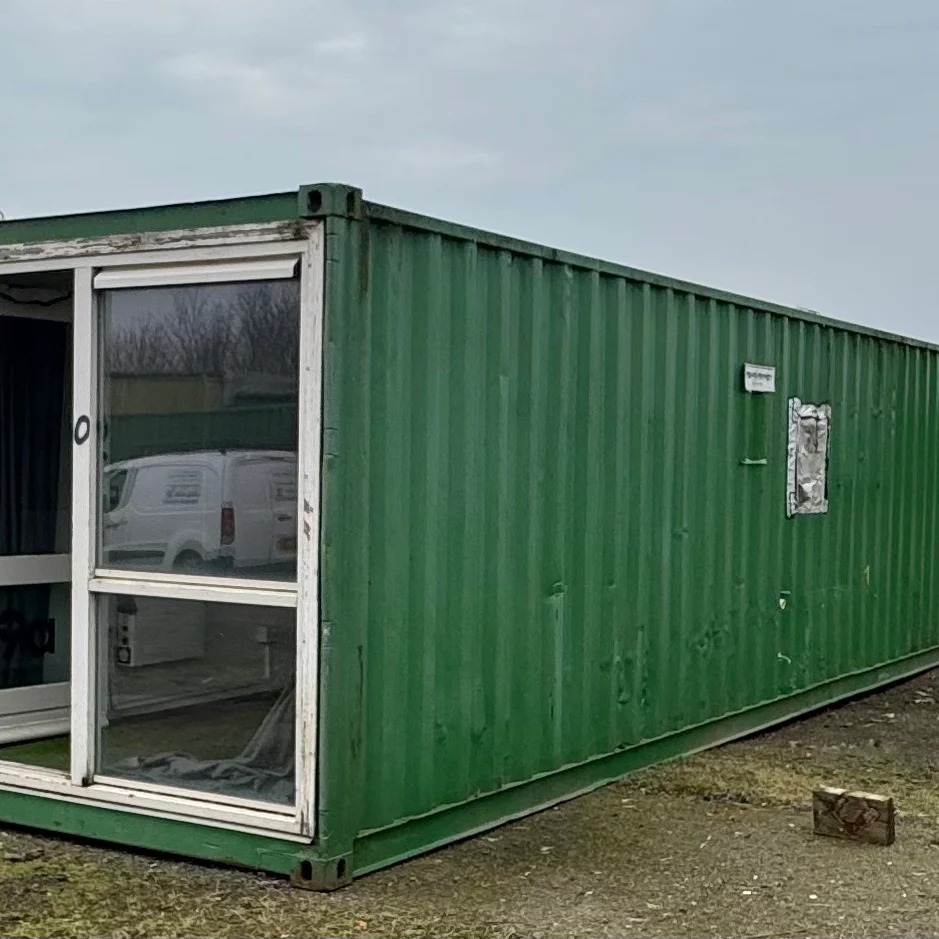
Shipping Container Conversions for Sale – Your Friendly Guide to Turning Steel Boxes into Dream Spaces
In recent years the humble steel shipping container has exploded onto the design scene. Whether you’re hunting for a sleek micro‑home, a rugged workshop, or a portable office, a container conversion can give you a ready‑made “shell” that’s strong, stackable, and surprisingly adaptable.
If you’re reading this, chances are you’re already picturing the possibilities and wondering where to find a conversion that’s ready to move in. Below you’ll find a step‑by‑step walk‑through of the market, a handy comparison table, insider tips, and a FAQ that clears up the most common doubts. By the end of this post you’ll feel equipped to choose, evaluate, and purchase the perfect container conversion for your needs.
1. Why Choose a Shipping Container Conversion?
| Benefit | What It Means for You | Real‑World Example |
|---|---|---|
| Speed | Construction time drops from months to weeks because the “box” arrives already built. | A pop‑up café in a tourist town opened in 3 weeks, not 3 months. |
| Durability | Steel walls resist rot, pests, and weather far better than wood frame houses. | A remote‑mountain cabin survived a harsh winter with no extra insulation needed. |
| Mobility | You can relocate the whole unit on a flatbed truck with a single permit. | A traveling art studio follows festivals across the country. |
| Cost‑Effectiveness | New or refurbished containers start at a fraction of the price of a conventional build. | A 20‑ft office conversion cost $22,000 vs. $55,000 for a traditional office. |
| Eco‑Friendly | Up‑cycling re‑uses existing steel, reducing waste and carbon footprint. | A “green” tiny‑home community advertises 80% recycled building material. |
If those points click with you, you’re already sold on the idea that a container conversion could be a smart, stylish solution.
2. Types of Containers You’ll See on the Market
| Size | Interior Footprint | Height | Typical Use | Approx. Price (USD) |
|---|---|---|---|---|
| 20‑ft Standard | 160 sq ft | 8’6” | Studio, tiny home, workshop | $2,500 – $5,000 (new) |
| 40‑ft Standard | 320 sq ft | 8’6” | Small office, guest house | $4,000 – $8,000 (new) |
| 40‑ft High‑Cube | 320 sq ft | 9’6” | Loft‑style living, lab space | $5,500 – $10,000 (new) |
| 45‑ft High‑Cube | 360 sq ft | 9’6” | Boutique retail, boutique hotel | $6,500 – $12,000 (new) |
| Reconditioned/Refurbished | Any of above | Any | Budget‑friendly, pre‑finished interiors | $8,000 – $25,000 (depends on finish) |
| Custom‑Built Conversions | Varies | Varies | Turnkey “move‑in” units (kitchen, bathroom, insulation) | $30,000 – $120,000+ (depends on luxury level) |
Prices reflect the container itself plus basic prep (cleaning, rust removal, and a coat of paint). Additional conversion work (plumbing, insulation, interior finishes) is priced separately.
3. What’s Inside a Turnkey Conversion?
When you see “shipping container conversion for sale,” the level of finish can vary wildly. Here’s a quick checklist you can use to compare listings:
- Insulation – Spray‑foam, blanket, or panel? Check R‑value.
- Windows & Doors – Double‑glazed? Size and placement matter for natural light.
- Flooring – Vinyl, engineered wood, polished concrete? Look for moisture barriers.
- Plumbing – Full bathroom? Kitchen sink? Waste‑water tank or connection to municipal sewer?
- Electrical – Pre‑wired for 120/240 V, circuit breaker, lighting fixtures?
- HVAC – Mini‑split heat pump, portable unit, or just passive ventilation?
- Finishes – Drywall, paneling, exposed steel? Paint scheme and aesthetic style.
- Exterior Add‑Ons – Deck, awning, solar panels, roof rack?
Tip: Ask the seller for a “spec sheet” that lists each of the above items. If anything is missing, you can budget for a retrofit later.
4. How to Find a Quality Conversion for Sale
4.1 Where to Look
| Platform | What You’ll Find | Why It’s Worth Checking |
|---|---|---|
| Dedicated Container‑Conversion Companies | Turnkey tiny homes, offices, pop‑ups | They handle design, permits, and delivery. |
| Online Marketplaces (e.g., eBay, Craigslist) | DIY kits, raw containers, pre‑finished units | Often lower price, but you need to vet the seller. |
| Local Port Authorities & Freight Yards | De‑commissioned containers, sometimes already stripped | Good for bargain hunters who want a raw shell. |
| Architectural Salvage Stores | Refurbished containers with unique features (e.g., reclaimed wood interiors) | Ideal for eco‑conscious buyers seeking character. |
| Social Media Groups (Facebook, Reddit r/ShippingContainers) | Community‑shared listings, advice, and referrals | Real‑world feedback from owners who’ve already bought. |
4.2 Red Flags to Avoid
- Missing Documentation – No proof of ownership or shipping manifest.
- No Photos or Only Exterior Shots – Interior may be a “black box.”
- Suspiciously Low Price – Could indicate structural damage, rust, or hidden repairs.
- Seller Refuses Inspection – A reputable vendor will welcome a third‑party review.
5. Step‑by‑Step Checklist: From Click to Move‑In
| Step | Action | Why It Matters |
|---|---|---|
| 1️⃣ Define Your Needs | List square footage, number of rooms, utilities, and budget. | Prevents scope creep and keeps quotes realistic. |
| 2️⃣ Research Suppliers | Use the platforms above, read reviews, request portfolios. | Ensures you work with experienced builders. |
| 3️⃣ Request a Detailed Quote | Ask for itemized costs (container, insulation, plumbing, finishes). | Lets you compare apples‑to‑apples between offers. |
| 4️⃣ Inspect the Unit | Visit in person or hire a local inspector; check for dents, rust, water damage. | Early detection saves costly repairs later. |
| 5️⃣ Verify Permits & Zoning | Confirm with your city that a container structure is allowed on the lot. | Avoids legal headaches after purchase. |
| 6️⃣ Arrange Delivery | Coordinate with a truck‑carrier; confirm weight, road‑clearances, and site access. | Smooth delivery prevents last‑minute surprises. |
| 7️⃣ Final Walk‑Through | Before signing off, test all systems (water, electricity, HVAC). | Guarantees everything works as promised. |
| 8️⃣ Move In & Personalize | Add furniture, décor, or small upgrades (LED lighting, smart thermostat). | Turns a box into your space. |
6. Popular Conversion Ideas (Inspiration Corner)
- Tiny Home on Wheels – 20‑ft container with loft bedroom, compact kitchen, and solar roof.
- Boutique Café – 40‑ft high‑cube with barista station, glass façade, and outdoor patio deck.
- Home Office Pod – Insulated unit with built‑in desk, sound‑proofing, and a standing‑desk option.
- Art Studio – Open‑plan container with large north‑facing windows, skylight, and built‑in shelving.
- Garage & Workshop – Reinforced floor, heavy‑duty door, and pegboard wall for tools.
7. Frequently Asked Questions
Q1: How long does it take to receive a finished conversion?
Answer: Most turn‑key providers quote 4–6 weeks after the order is placed, assuming all permits are in place. Raw containers can be shipped in as little as 2 weeks, but the conversion timeline depends on your customization level.
Q2: Is a container truly weather‑proof?
Answer: Yes, when properly sealed and insulated. Look for units that have been corten‑treated (or painted) on the exterior, and ensure the roof has a water‑tight seal around any hatches or skylights.
Q3: Can I stack containers to create multi‑story homes?
Answer: Absolutely—containers are designed to bear heavy loads. However, you’ll need a structural engineer to design the stacking system and to verify that local building codes permit vertical construction.
Q4: What’s the most cost‑effective size for a tiny home?
Answer: Many tiny‑home enthusiasts opt for a 20‑ft standard container. At ~160 sq ft it’s compact enough for minimal utilities yet spacious enough for a lofted bedroom and small living area. Adding a pre‑fabricated loft can increase usable space without a larger footprint.
Q5: Do I need special insurance for a container home?
Answer: Yes—treat it like any other property. Look for policies covering structural damage, contents, and liability if you’ll be renting it out or using it for commercial purposes.
Q6: How sustainable are container conversions compared to traditional builds?
Answer: Studies show that container homes can reduce embodied carbon by up to 65% because the steel is already produced and shipped. Adding solar panels, rainwater harvesting, and energy‑efficient appliances pushes the sustainability score even higher.
Q7: Can I finance a container conversion?
Answer: Many lenders now treat container homes as “manufactured homes.” You can explore personal loans, home equity lines of credit, or specialty lenders that focus on alternative housing.
8. Bottom Line – Your Next Move
Shipping container conversions blend speed, strength, and style in a package that’s surprisingly affordable. By using the checklist, table, and FAQ above, you can confidently spot a quality unit, negotiate a fair price, and bring your vision to life—whether that vision is a sleek backyard office or a cozy micro‑home for weekend getaways.
Ready to start hunting? Begin by making a short list of the three features you can’t live without (insulation, bathroom, or a big window), then head to the platforms listed in the “Where to Look” table. Reach out to at least two vendors, request their spec sheets, and schedule a live inspection. Within a month or two, you could be turning the key on a brand‑new steel‑clad sanctuary.
Happy container hunting, and may your next space be as sturdy as it is stunning!