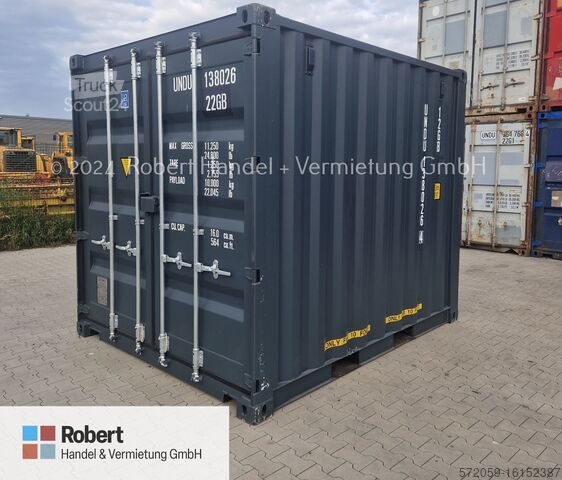
Shipping Container Homes: A Complete Guide for the Modern DIY Builder
You’ve seen the sleek, steel boxes stacked on docks and wondered whether one could become a cozy, affordable, and stylish dwelling. The answer is yes – and more people are turning to shipping container homes every year. This guide walks you through everything you need to know, from the basics of container selection to budgeting, design tips, and the most common questions newcomers ask. By the end, you’ll have a clear roadmap for turning a metal box into the home of your dreams.
1. Why Consider a Shipping Container Home?
| Benefit | What It Means for You |
|---|---|
| Affordability | A used 20‑foot container can cost as little as $2,000–$3,500, dramatically lower than traditional home construction per square foot. |
| Speed of Build | With a prefabricated shell, you can finish the “shell” of your home in weeks rather than months or years. |
| Sustainability | Repurposing a container reduces steel waste and gives new life to a material that would otherwise sit idle. |
| Durability | Designed to withstand harsh ocean conditions, containers are weather‑proof, fire‑resistant, and pest‑proof. |
| Portability | If you ever need to relocate, a container can be lifted onto a flatbed and moved with a crane. |
These advantages make container homes especially appealing if you’re a first‑time homeowner, a tiny‑house enthusiast, or someone looking for a low‑impact build.
2. Understanding the Basics: Container Types & Sizes
Before you start sketching floor plans, you need to know what’s available on the market. Below is a quick reference table of the most common shipping containers used for residential projects.
| Container Size | External Dimensions (L × W × H) | Internal Dimensions (L × W × H) | Typical Net Volume | Ideal Uses |
|---|---|---|---|---|
| 20‑Foot (Standard) | 20 ft × 8 ft × 8.5 ft | 19.4 ft × 7.8 ft × 7.9 ft | ~1,170 ft³ | Studio, guest room, bathroom, kitchenette |
| 40‑Foot (Standard) | 40 ft × 8 ft × 8.5 ft | 39.5 ft × 7.8 ft × 7.9 ft | ~2,350 ft³ | Two‑bedroom layout, open‑plan living area |
| 40‑Foot (High Cube) | 40 ft × 8 ft × 9.5 ft | 39.5 ft × 7.8 ft × 8.9 ft | ~2,700 ft³ | Lofted spaces, larger kitchens, home office |
| 45‑Foot (High Cube) | 45 ft × 8 ft × 9.5 ft | 44.5 ft × 7.8 ft × 8.9 ft | ~3,100 ft³ | Full‑size family home, multi‑zone layout |
Key Takeaway: A 40‑foot high‑cube container gives you roughly 320 sq ft of floor space with an extra foot of headroom—enough for a modest two‑bedroom plan.
3. From Box to Home: The Core Steps
Below is a step‑by‑step checklist that keeps the process organized and helps you stay on schedule.
- Define Your Goals – Determine square footage, number of rooms, and any special features (e.g., rooftop deck).
- Secure a Plot – Check zoning laws, setback requirements, and whether the local building department permits “alternative” structures.
- Select the Container(s) – Choose size, condition (new vs. used), and whether you need a single unit or a stacked/side‑by‑side layout.
- Design the Layout – Use a simple floor‑plan sketch or a CAD program; consider structural modifications like cuts for doors, windows, and utilities.
- Obtain Permits – Submit structural drawings, site plans, and energy‑code compliance documents.
- Prepare the Foundation – Options include concrete piers, slab‑on‑grade, or a raised steel frame.
- Deliver & Position the Container – Use a crane or forklift; ensure it sits level on the foundation.
- Structural Modifications – Cut openings, reinforce with steel brackets, and add cross‑beams where needed.
- Insulation & Weatherproofing – Choose spray‑foam, rigid board, or blanket insulation; seal all seams with high‑quality caulk.
- Electrical, Plumbing, & HVAC – Run conduits, install PEX piping, and place ductless mini‑split units for heating/cooling.
- Interior Finishing – Frame interior walls, install drywall or plywood, apply flooring, and finish with paint or paneling.
- Exterior Treatment – Apply rust‑inhibiting primer, metal cladding, or living‑wall panels for aesthetics and extra insulation.
- Final Inspection & Move‑In – Pass all local inspections, obtain a certificate of occupancy, and start decorating!
Tip: Keep a detailed spreadsheet of tasks, deadlines, and responsible parties. A well‑organized project plan can save you weeks of re‑work.
4. Budget Breakdown: What to Expect Financially
Below is a realistic cost estimate for a 40‑foot high‑cube container home (≈ 320 sq ft). Prices can vary by region, but this table offers a solid starting point.
| Category | Typical Cost Range | Notes |
|---|---|---|
| Container Purchase | $3,000–$5,500 | New containers cost more; used ones may need rust remediation. |
| Foundation | $2,500–$5,000 | Concrete slab is most common; pier foundations can be cheaper on sloped sites. |
| Structural Modifications | $4,000–$8,000 | Cutting openings, reinforcing, and adding steel bracing. |
| Insulation & Weatherproofing | $2,500–$4,500 | Spray‑foam yields best R‑value but is pricier. |
| Electrical & Lighting | $1,500–$3,000 | Includes panels, wiring, switches, and LED fixtures. |
| Plumbing & Fixtures | $2,000–$4,000 | PEX piping, water heater, bathroom fixtures. |
| HVAC | $2,000–$3,500 | Ductless mini‑split units are efficient for small spaces. |
| Interior Finishes | $3,000–$6,000 | Drywall, flooring, cabinetry, paint. |
| Exterior Cladding & Roofing | $1,500–$3,500 | Metal panels, wood siding, or living wall modules. |
| Permits & Professional Fees | $1,000–$2,500 | Architect, engineer, and inspection fees. |
| Contingency (10 %) | $2,300–$4,600 | Unexpected costs—always budget for this! |
| Total Approx. | $28,300–$51,600 | Varies based on material choices and labor. |
Bottom Line: Even at the high end, a container home can cost far less than a comparable conventional house (often $100–$150 per sq ft vs. $200+).
5. Design Inspiration: Making a Box Feel Like Home
5.1 Layout Ideas
- Open‑Plan Studio: Remove internal walls, install a lofted sleeping area, and keep the kitchen and living zone on the main floor.
- Two‑Bedroom Split: Use two 40‑ft containers side‑by‑side, carve a central corridor, and dedicate each unit to a bedroom + bathroom.
- Rooftop Deck: Add a flat roof with railings, skylights, and a pergola for outdoor living space.
5.2 Aesthetic Touches
- Wood Paneling: Warm up the interior with reclaimed barn wood on walls or ceilings.
- Glass Walls: Large sliding doors create a seamless indoor‑outdoor flow.
- Living Walls: Install vertical garden modules on the exterior for a biophilic vibe and extra insulation.
5.3 Practical Tips
- Plan for Headroom: The standard 8.5‑ft height can feel cramped in a two‑story layout; a high‑cube container adds a valuable foot.
- Consider Solar Power: Roof‑mounted panels offset electricity costs and boost sustainability credentials.
- Avoid Over‑Loading: Each container is rated for ~ 28,000 lb of cargo. Account for the weight of furnishings, appliances, and occupants.
6. Common Mistakes (And How to Dodge Them)
| Mistake | Why It Happens | How to Avoid It |
|---|---|---|
| Skipping a Professional Engineer | DIY enthusiasm or cost‑cutting | Hire a licensed structural engineer for any cuts or load‑bearing changes. |
| Under‑Insulating | Believing steel is “self‑insulating” | Use high‑R‑value spray foam; double‑wall construction adds thermal mass. |
| Ignoring Local Codes | Assuming “alternative” construction is free‑for‑all | Research zoning, setbacks, and fire‑rating requirements before breaking ground. |
| Over‑Customizing Early | Adding too many optional features before the core build is complete | Focus on the basic shell first; add upgrades after passing inspection. |
| Not Accounting for Moisture | Assuming containers are inherently waterproof | Apply a vapor barrier inside, seal all welds, and install proper drainage. |
7. Frequently Asked Questions
Q1: Do I need a special foundation for a container home?
Yes. While containers are sturdy, they must sit on a stable, level base. Common options include a poured concrete slab, pier and beam, or a steel frame. Choose based on soil conditions and local building codes.
Q2: How long does it take to build a container home?
From foundation to move‑in, a typical 320‑sq‑ft container house can be completed in 3–5 months, with the “shell” ready in 4–6 weeks.
Q3: Is a container home safe in earthquakes or hurricanes?
When properly anchored to a reinforced foundation and reinforced after structural cuts, containers meet or exceed many seismic and wind‑load standards. Always consult a structural engineer for region‑specific loads.
Q4: Can I expand later?
Absolutely. You can add more containers side‑by‑side, stack vertically, or attach a timber extension. Just plan the utility routes and foundation to accommodate future growth.
Q5: What about resale value?
While market perception varies, well‑designed container homes in desirable neighborhoods have sold for 80‑120 % of comparable traditional homes, especially when energy‑efficiency and design are emphasized.
Q6: Do I need a special insurance policy?
Standard homeowner’s insurance generally covers container homes, but inform your insurer about the construction type to ensure proper coverage.
Q7: How do I keep the interior cool in summer?
Combine high‑R‑value insulation, low‑e windows, and a ductless mini‑split system. Exterior shading (e.g., awnings or pergolas) also reduces solar gain.
8. Final Thoughts – Your Path to a Container‑Built Future
Choosing a shipping container as the foundation of your next home is more than a trend; it’s a practical, sustainable solution that puts you in control of design, budget, and timeline. By following the steps outlined above—defining clear goals, respecting local regulations, budgeting wisely, and partnering with qualified professionals—you can transform a steel box into a warm, inviting sanctuary that reflects your lifestyle.
Remember, the key to success lies in planning. A solid spreadsheet, a realistic timeline, and a contingency fund will keep surprises to a minimum. When the first wall of steel stands upright on your foundation, you’ll feel the excitement of a project that’s truly yours.
Ready to start? Grab a coffee, sketch a rough floor plan, and head to your local container supplier. In a few short months, you could be stepping through a front door that’s literally built to travel the world—only now, it stays right where you want it.
Happy building!