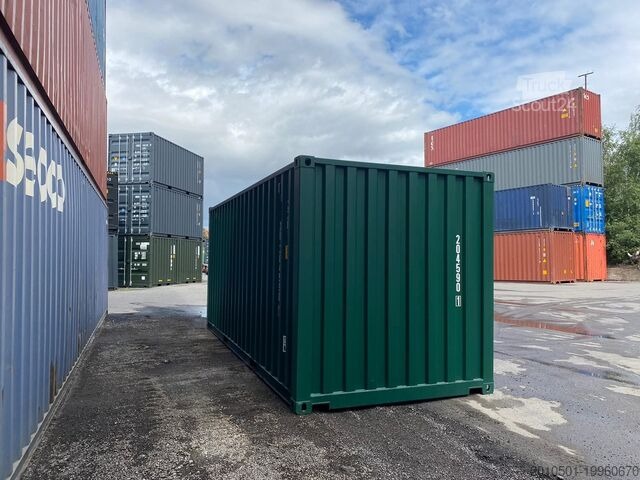
Shipping Container Homes for Sale – Your Complete Buying Guide
If you’ve ever imagined a modern, eco‑friendly residence that’s both affordable and stylish, a shipping container home might be the answer you’ve been searching for. In this post you’ll discover everything you need to know before you start scrolling through listings: the key benefits, what to look for in a sale, how to compare models, and the questions most buyers ask. By the end, you’ll be equipped to make a confident decision and turn a bulky steel box into your dream dwelling.
1. Why Shipping Container Homes Are Gaining Popularity
| Advantage | What It Means for You | Typical Impact |
|---|---|---|
| Speed of Construction | The structure arrives on site ready to be assembled. | Build time can shrink from 12–18 months (traditional home) to 8–12 weeks. |
| Cost Efficiency | Containers cost far less than brick‑and‑mortar per square foot. | Average price: $150–$250 / sq ft vs. $200–$350 / sq ft for conventional builds. |
| Eco‑Friendliness | Reuses steel that would otherwise sit idle in ports. | Reduces carbon footprint by up to 30 % compared with new construction. |
| Modular Flexibility | You can stack, combine, or expand units as your needs change. | Ideal for adding a guest suite, office, or extra bedroom later on. |
| Durability & Safety | Steel frames are fire‑resistant, pest‑proof, and withstand severe weather. | Lower long‑term maintenance costs. |
These benefits make container homes a compelling choice for first‑time buyers, tiny‑home enthusiasts, and anyone looking to maximize value while minimizing environmental impact.
2. How to Spot a Quality Shipping Container Home for Sale
When you browse listings—whether on a specialized marketplace, a builder’s website, or a local classifieds board—keep an eye on the following criteria:
- Container Grade & Condition
- ISO 1–3 (new or lightly used) – Ideal for residential conversion.
- ISO 4–5 (used, rust‑prone) – May require extensive refurbishment.
- Structural Modifications
- Reinforced floor joists and roof trusses are essential if you plan to add heavy fixtures.
- Look for engineered cut‑outs for windows/doors—poorly cut openings compromise integrity.
- Insulation & Energy Performance
- Spray‑foam, rigid board, or insulated panels should be specified.
- Verify R‑value (thermal resistance). Aim for R‑20 for walls and R‑30 for the roof in temperate climates.
- Utilities Integration
- Pre‑planned conduits for electrical, plumbing, and HVAC simplify installation.
- Check if the seller provides “turn‑key” solutions (fully wired, plumbed, and ready for connection).
- Permitting & Zoning Compliance
- The property must meet local building codes. Sellers who include approved plans save you weeks of paperwork.
- Warranty & After‑Sales Support
- A minimum 12‑month structural warranty is a good benchmark.
- Some manufacturers also offer lifetime rust protection on the exterior steel.
3. Pricing Snapshot – What to Expect
Below is a quick reference table that breaks down typical price ranges for different container home configurations in the United States (prices are rough averages for 2024‑25, inclusive of basic interior finishes).
| Configuration | Container Size(s) | Approx. Sq ft | Base Price (USD) | Typical Add‑Ons (Cost) |
|---|---|---|---|---|
| Studio/One‑Room | 1 × 20‑ft | 160 | $30,000 – $45,000 | Kitchen set $5k, Bathroom $4k |
| Two‑Bedroom | 2 × 20‑ft (side‑by‑side) | 320 | $55,000 – $80,000 | Loft conversion $8k, Solar $6k |
| Three‑Bedroom + Loft | 2 × 40‑ft stacked | 640 | $95,000 – $130,000 | Deck & pergola $10k, Smart‑home $7k |
| Luxury Model | 3 × 40‑ft + 1 × 20‑ft | 1,200 | $180,000 – $250,000 | Custom cabinetry $25k, High‑end appliances $20k |
Tips for staying within budget:
- Choose a single‑container design and add a modular extension later.
- Opt for standard‑size windows/doors to avoid custom metalwork.
- Source off‑the‑shelf fixtures rather than bespoke pieces.
4. Step‑By‑Step Checklist When Buying
- Define Your Purpose – Is this a primary residence, a vacation cabin, or a rental unit?
- Set a Realistic Budget – Include land purchase, foundation, permits, and interior finishes.
- Research Local Zoning – Contact the planning department to confirm container homes are allowed.
- Select a Reputable Supplier – Look for reviews, portfolio photos, and verified certifications (e.g., ISO 9001).
- Request Detailed Specs – Ask for engineering drawings, insulation data, and warranty terms.
- Visit a Show Home or Factory – Seeing a completed unit helps you gauge quality and finish.
- Secure Financing – Some lenders treat container homes like traditional mortgages; others require a construction loan.
- Negotiate Delivery & Installation – Clarify whether the price includes site preparation, crane hire, and anchoring.
- Plan Utilities – Coordinate with local providers for electricity, water, and sewage connections.
- Schedule Inspections – Have a licensed inspector verify structural integrity before final acceptance.
5. Frequently Asked Questions (FAQ)
| Question | Answer |
|---|---|
| Can I buy a container home fully finished? | Yes. Many manufacturers sell “turn‑key” units that include interior walls, flooring, kitchen, bathroom, and even furniture packages. |
| Do container homes qualify for traditional mortgages? | They can. Lenders evaluate the property’s appraisal value, site plan, and construction quality. Working with a lender experienced in modular housing simplifies the process. |
| How long does a container home last? | With proper maintenance, steel frames can last 50+ years. The lifespan of interior finishes depends on the materials you choose. |
| Is it possible to add solar panels? | Absolutely. The flat roof provides an ideal mounting surface. A 5 kW system typically covers the average electricity demand of a 2‑bedroom container home. |
| What about resale value? | While the market is still maturing, homes in desirable locations with high‑quality finishes have shown appreciation rates comparable to conventional homes (3‑5% per year). |
| Do I need a foundation? | Yes. Most installations use a concrete slab, pier system, or raised foundation to meet building codes and provide stability. |
| Can I customize the interior layout? | You can. Many builders offer modular interior packages—choose from open‑plan, loft, or partitioned layouts. Custom designs are possible but may increase cost and lead time. |
| Is there a risk of rust? | Modern containers receive a galvanized or Corten steel coating that resists corrosion. Add a protective paint system for extra longevity. |
| What about insurance? | Standard homeowner’s insurance policies can cover container homes. Provide the insurer with construction documents and an appraisal. |
| Are there any hidden fees? | Potential extras include site preparation, utility connections, permits, and foundation work. Always ask for an itemized quote. |
6. Real‑World Inspiration – Three Popular Models on the Market
| Model | Size (Containers) | Key Features | Approx. Price |
|---|---|---|---|
| EcoPod Studio | 1 × 20‑ft | Open‑plan loft, rooftop solar, composting toilet, reclaimed wood finishes | $38,000 |
| Family‑Fit Dual | 2 × 20‑ft side‑by‑side | Two bedrooms, full kitchen, insulated walls (R‑22), optional deck | $68,000 |
| Luxury Loft | 1 × 40‑ft + 1 × 20‑ft (stacked) | High‑ceiling living area, glass wall frontage, smart‑home system, rainwater harvesting | $155,000 |
All three models come with 12‑month structural warranties and are pre‑approved for permits in at least five states (California, Texas, Florida, Colorado, and Washington).
7. Making the Final Decision
When you compare shipping container homes for sale, treat the process like any major purchase: balance emotion with data. Here’s a quick decision‑making matrix you can copy into a spreadsheet:
| Criteria | Weight (1‑5) | Model A Score | Model B Score | Model C Score |
|---|---|---|---|---|
| Cost | 5 | 4 | 3 | 2 |
| Square Footage | 4 | 2 | 3 | 5 |
| Energy Efficiency | 3 | 3 | 4 | 5 |
| Customization Options | 2 | 5 | 3 | 4 |
| Warranty Length | 1 | 4 | 5 | 5 |
| Total Weighted Score | — | 3.9 | 3.5 | 3.8 |
Choose the model with the highest weighted total that aligns with your lifestyle and budget.
8. Ready to Take the Next Step?
- Start your search on reputable platforms like ContainerHomesUSA.com, ModularHabitat.com, or local classifieds with the keyword “shipping container homes for sale.”
- Download brochures and request virtual tours—many sellers now offer 3‑D walkthroughs.
- Schedule a consultation with a certified architect or builder who specializes in container conversions.
Remember, a shipping container home is not just a trendy structure—it’s a sustainable investment that can adapt as your life changes. By following the guidelines above, you’ll move from curiosity to confidence, turning that steel box into a place you’re proud to call home.
Happy house hunting! 🚢🏡