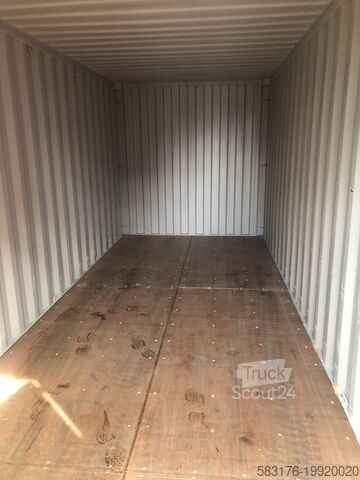
Shipping Container Homes in the UK: Your Complete Guide
If you’ve ever imagined a sleek, sustainable dwelling that can be erected in weeks rather than months, a shipping‑container home may be the answer. Over the past decade the UK has seen a surge in interest for these steel‑box dwellings—thanks to their affordability, modularity, and low‑impact construction. This guide walks you through everything you need to know to decide whether a shipping‑container home is right for you, how to navigate the planning process, and what to expect on the road to move‑in.
1. Why Choose a Shipping Container Home?
| Benefit | What It Means for You |
|---|---|
| Cost‑effective | A brand‑new 40‑ft container costs £1,500‑£2,500. Fully fitted, a two‑room home can start around £40,000—substantially less than a traditional brick build of similar size. |
| Speed of construction | Foundations and container placement can be completed in 2‑4 weeks, with interior fit‑out another 4‑6 weeks. |
| Eco‑friendly | You’re re‑using steel that would otherwise sit idle in a port. The embodied carbon is lower than that of conventional timber or brick construction. |
| Modular flexibility | Want an extra bedroom or a loft? You can stack or side‑by‑side additional containers to expand the floor plan without starting from scratch. |
| Durability | The corten steel used for containers is weather‑resistant, fire‑rated (often B‑s2,d0) and pest‑proof. |
| Mobility | If you need to relocate, a container can be lifted onto a trailer and transported—ideal for temporary sites or planning‑permission constraints. |
2. The UK Planning Landscape
Even though a container is technically a “temporary structure,” the UK’s planning rules treat it as any other dwelling. Here’s what you’ll need to consider:
| Stage | Key Requirement | Tips for You |
|---|---|---|
| Pre‑application | Verify that the site is within a permitted‑development (PD) area for a “house in a garden” or meets the “householder”‑application criteria. | Use the local council’s PD calculator or contact the planning officer early. |
| Design & Size | Maximum floor area for PD is 30 m² for a garden‑house, 50 m² for a larger householder scheme. Height limits typically 4 m for a single‑storey, 7 m for two‑storey. | A standard 40‑ft container (12.2 m long, 2.44 m wide) provides ~30 m²—perfect for a PD‑friendly bedroom or studio. |
| Materials & Appearance | External finishes must blend with the surroundings; cladding, timber panels, or render are often required. | Plan for exterior insulation and cladding in the early design stage to avoid costly retrofits. |
| Utility Connections | You’ll need a water, electricity, and waste‑water hookup. Off‑grid solutions (solar, composting toilets) are permissible but may affect the planning decision. | Discuss with the council’s building control team to confirm compliance. |
| Fire Safety | Containers are fire‑rated, but internal modifications (e.g., cutting large openings) must retain fire integrity. | Use fire‑resistant plasterboard and keep any new openings within 0.5 m of a fire‑resistant barrier. |
Bottom line: The planning process can be straightforward if you stay within permitted‑development limits and present a design that respects the local character. Always involve a qualified architect or planning consultant who has experience with container projects.
3. From Container to Home: The Build Process
- Site Preparation
- Groundworks: Level the ground, lay a shallow reinforced concrete slab (150 mm) or a concrete pier system.
- Foundations: For a single container, a 600 mm thick slab is usually sufficient; for stacked units, stronger footings are required.
- Container Acquisition & Delivery
- You can buy a new container from a port operator or a refurbished “used” one from a specialist dealer.
- Inspect for structural integrity: rust, dents, and deformities must be addressed before modification.
- Structural Modifications
- Cutting openings: Plan for windows, doors, and internal walls using a CNC‑plasma cutter or a skilled metal‑working team.
- Reinforcement: Wherever you cut, install steel plates and welding to retain load‑bearing capacity.
- Insulation & Cladding
- External: Rigid PIR board (100 mm) + breathable timber cladding or ventilated rainscreen.
- Internal: Spray‑foam or mineral‑wool batts, followed by plasterboard.
- Services Installation
- Electrical conduit runs within the steel frame, plumbing routed through insulated chaseways.
- Consider low‑flow fixtures and a heat‑pump for energy efficiency.
- Interior Finish
- Flooring options: engineered timber, laminate, or polished concrete.
- Kitchen & bathroom: pre‑fab modules speed up installation.
- Final Inspection & Certification
- Building Control will issue a Completion Certificate once all standards are met.
4. Cost Breakdown – What Should You Budget For?
| Item | Typical Cost (GBP) | Notes |
|---|---|---|
| Container (new, 40‑ft) | £1,500‑£2,500 | Includes delivery to site. |
| Structural modifications | £5,000‑£10,000 | Cutting, welding, reinforcement. |
| Foundation slab (per m²) | £80‑£120 | Depends on soil and site access. |
| External insulation & cladding | £150‑£250 per m² | Higher for premium timber finishes. |
| Internal fit‑out (labour & materials) | £500‑£800 per m² | Includes plasterboard, flooring, fixtures. |
| Utilities (connection fees) | £3,000‑£6,000 | Varies by location and distance to mains. |
| Planning & professional fees | £2,000‑£5,000 | Architect, planning consultant, building control. |
| Contingency (10–15%) | £5,000‑£10,000 | Unexpected issues, design changes. |
| Total (approx.) | £45,000‑£80,000 | For a comfortable two‑bedroom unit on a modest plot. |
Tip: If you’re comfortable with DIY tasks (e.g., interior plastering, flooring), you can shave 10‑20 % off the labour component.
5. Lifestyle Considerations – Is a Container Home Right for You?
- Space Planning
- A single 40‑ft container gives you roughly 30 m². Open‑plan designs using mezzanine lofts can create a surprisingly spacious feel.
- Thermal Comfort
- Steel conducts heat, so adequate insulation is critical. Aim for a U‑value ≤ 0.25 W/m²·K to meet Part L standards.
- Acoustic Performance
- Add resilient channels and acoustic insulation if you plan on using the space for music, home office, or a shared living environment.
- Resale Value
- Properties that blend modern design with high-quality finishes tend to hold value well, especially in areas with housing shortages.
- Community Acceptance
- Engaging neighbours early and showing a polished, well‑finished exterior can smooth any social friction.
6. Real‑World Examples – Inspiration from Across the UK
| Project | Location | Size | Key Features |
|---|---|---|---|
| The Boxhouse | Bristol | 2 containers (≈60 m²) | Roof garden, timber cladding, solar PV array. |
| Corten Cabin | Yorkshire Dales | 1 container (≈30 m²) | Off‑grid, composting toilet, tiny‑house aesthetic. |
| Urban Loft | London (Hackney) | 3 containers (≈90 m²) | Double‑storey, internal staircase, glass façade. |
| Eco‑Pod | Cornwall | 1 container (≈25 m²) | Prefabricated bathroom pod, sea‑view deck. |
These projects illustrate the versatility of container architecture—from compact weekend retreats to urban lofts that sit comfortably alongside Victorian terraces.
7. Frequently Asked Questions
Q1: Do I need planning permission for a container home?
A: In most cases yes, unless your project falls under permitted‑development rights (PD). PD typically allows a single‑storey garden house up to 30 m². Anything larger or involving external alterations will require a formal planning application.
Q2: How long does it take from purchase to move‑in?
A: A realistic timeline is 4‑6 months—2 months for design and planning, 1‑2 months for foundations and container placement, and another 1‑2 months for interior fit‑out.
Q3: Can I install a traditional chimney or fireplace?
A: Yes, but you must retain structural integrity. A prefabricated steel chimney that bolts to the container’s frame is the simplest solution.
Q4: What about insulation—should I insulate inside or outside?
A: The best practice is a combination: external rigid insulation to reduce thermal bridging, and internal cavity insulation for added comfort. This dual approach also improves acoustic performance.
Q5: Are container homes safe in a fire?
A: Containers are made from fire‑rated steel, but once you cut openings you need to maintain fire barriers. Use fire‑resistant plasterboard and keep openings within fire‑resistant frames. Building Control will verify compliance.
Q6: Can I expand later?
A: Absolutely. The modular nature means you can add another container, either side‑by‑side or stacked, provided the foundations and structural design anticipate future loads.
Q7: How do I finance a container home?
A: Many lenders treat them as conventional residential properties, especially if you have a planning permission and a completion certificate. Some specialist finance firms also offer “green” loans for sustainable builds.
8. Your Next Steps – Turning the Vision into Reality
- Define Your Brief – How many rooms? Desired square footage? Off‑grid vs. mains connections?
- Scout a Plot – Check local PD guidelines, access to utilities, and any flood‑risk considerations.
- Engage Professionals – Hire an architect with container‑home experience, a structural engineer, and a planning consultant.
- Get a Quote – Request a detailed cost estimate, including a contingency line.
- Apply for Planning – Submit drawings, a design statement, and any visual impact assessments.
- Start Building – Once permission is granted, order your container, prepare foundations, and commence the fit‑out.
- Inspection & Certification – Schedule building‑control inspections at each stage; obtain your Completion Certificate.
- Move In & Celebrate – Add your personal touches, invite friends for a housewarming, and enjoy the sustainable lifestyle you’ve created.
9. Closing Thoughts
A shipping‑container home is more than a clever architectural fad; it’s a practical, affordable, and environmentally responsible way to own a piece of property in today’s competitive UK housing market. By understanding the planning rules, budgeting wisely, and partnering with the right experts, you can transform a steel box into a warm, inviting home that reflects your style and values.
Ready to start? Grab a notebook, sketch your dream layout, and take the first step toward a home that’s as resilient as the containers that inspired it.