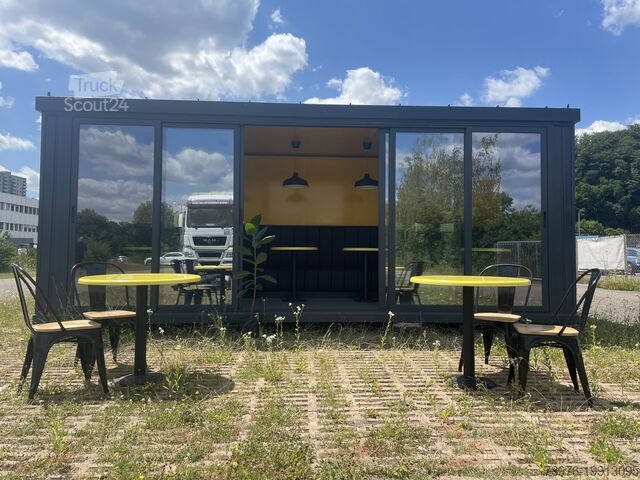
Shipping Container Houses: A Practical Guide for the Modern DIY Builder
If you’ve ever imagined turning a steel box into a stylish, sustainable home, you’re not alone. Shipping container houses—often called “cargotecture”—have moved from niche curiosity to a credible alternative for affordable, eco‑friendly living. In this post you’ll learn what a container house really entails, how to plan and build one, and what to expect in terms of cost, time, and maintenance. All the information is presented in a straightforward, second‑person voice so you can picture yourself taking each step.
1. Why Choose a Shipping Container Home?
| Benefit | What It Means for You |
|---|---|
| Speed of construction | A standard 40‑foot container can become a livable space in weeks rather than months. |
| Structural strength | The steel frame is engineered to bear heavy loads, making it resistant to wind, earthquakes, and pests. |
| Portability | You can relocate the unit (with a crane) if you ever need to move. |
| Eco‑friendly | Reusing an existing container reduces waste and the carbon footprint associated with traditional building materials. |
| Cost‑effectiveness | A new 40‑foot container prices between $3,000–$5,000 (raw) versus $30–$50 per square foot for conventional framing. |
| Design flexibility | Stacking, side‑by‑side, or cutting openings lets you create anything from a tiny studio to a multi‑room family home. |
These advantages make container homes especially appealing for: first‑time homeowners, tiny‑house enthusiasts, disaster‑relief housing projects, and anyone looking to “green‑ify” their building budget.
2. Understanding the Basics: Container Types & Sizes
| Size | External Dimensions | Internal Volume | Typical Use |
|---|---|---|---|
| 20‑foot (Standard) | 20′ × 8′ × 8′ 6″ (L × W × H) | ~1,170 ft³ | Guest house, studio, office |
| 40‑foot (Standard) | 40′ × 8′ × 8′ 6″ | ~2,350 ft³ | Main residence, two‑story unit |
| 40‑foot (High‑Cube) | 40′ × 8′ × 9′ 6″ | ~2,700 ft³ | Higher ceilings, loft space |
| 45‑foot (High‑Cube) | 45′ × 8′ × 9′ 6″ | ~3,050 ft³ | Larger family home, accessory dwelling unit (ADU) |
Key takeaway: The high‑cube models give you an extra foot of headroom—perfect if you plan on adding interior staircases or mezzanines.
3. From Concept to Reality: Step‑by‑Step Planning Checklist
- Define Your Goal
- Is the container home a permanent residence, a vacation cabin, or a backyard office?
- How many occupants will it house?
- Select the Right Site
- Verify zoning regulations (many municipalities require a minimum lot size or specific setbacks).
- Confirm access for a crane or forklift; a flat, level pad is ideal.
- Create a Budget Spreadsheet
- Include container purchase, delivery, foundation, insulation, interior finishes, utilities, and permits.
- Choose a Design Layout
- Sketch a floor plan or use a simple CAD program.
- Decide whether you’ll stack (vertical) or side‑by‑side (horizontal) for extra square footage.
- Hire Professionals (or DIY?)
- Structural engineer: essential for modifications like cutting large openings.
- Architect / designer: helps meet code while keeping aesthetics.
- Contractor: experienced with metal framing and welding.
- Obtain Permits
- Building permit, electrical, plumbing, and possibly a special “alternative construction” permit.
- Prepare the Foundation
- Options: concrete slab, pier and beam, or a simple concrete pad.
- Ensure the foundation is level and can support the weight (~2,200 lb per 40‑ft container).
- Delivery & Placement
- Use a crane or forklift; align the container precisely on the foundation.
- Structural Modifications
- Cut doors, windows, and any interior partitions.
- Reinforce openings with steel studs or frames to maintain structural integrity.
- Insulation & Weatherproofing
- Common methods: spray‑foam, rigid foam panels, or blanket insulation with a vapor barrier.
- Install exterior cladding (wood, metal panels, or stucco) for added protection and aesthetics.
- Rough‑in Utilities
- Electrical wiring, plumbing, HVAC, and internet cabling.
- Interior Finishing
- Drywall, flooring, cabinetry, and fixtures.
- Consider lightweight, modular furniture to keep the floor load low.
- Final Inspection & Move‑In
- Pass all municipal inspections, obtain a certificate of occupancy, and then enjoy your new space!
4. Cost Breakdown: What Should You Expect to Spend?
| Item | Low‑End Estimate | Mid‑Range Estimate | High‑End Estimate |
|---|---|---|---|
| Container (new 40‑ft) | $3,000 | $4,000 | $5,000 |
| Delivery & crane rental | $1,000 | $1,500 | $2,500 |
| Foundation (concrete slab, 500 sf) | $2,500 | $4,000 | $6,000 |
| Structural modifications (cutting, welding) | $3,000 | $5,500 | $9,000 |
| Insulation & exterior cladding | $4,000 | $7,500 | $12,000 |
| Electrical & plumbing rough‑in | $3,000 | $5,500 | $9,000 |
| Interior finishes (drywall, flooring, fixtures) | $5,000 | $10,000 | $18,000 |
| Permits & professional fees | $2,000 | $3,500 | $6,000 |
| Total (approx.) | $27,500 | $44,500 | $74,500 |
Note: These figures assume a single 40‑ft container converted into a modest two‑bedroom unit. Adding more containers or upscale finishes will raise the total accordingly.
5. Pros & Cons: A Quick Reference
| Pros | Cons |
|---|---|
| Fast construction timeline | Limited interior width (8 ft) can feel cramped |
| Strong, durable steel shell | Requires proper insulation to avoid condensation |
| Lower material costs than traditional builds | May need extra structural reinforcement for large openings |
| Reusable and recyclable | Transport and crane fees add to overall cost |
| Flexible design – stack or combine containers | Local zoning/HOA restrictions can be a hurdle |
| Energy‑efficient if well insulated | Sound transmission through steel can be higher without proper treatment |
Understanding both sides helps you decide whether a container home aligns with your lifestyle and budget.
6. Frequently Asked Questions
Q1: Do I need a special permit for a container house?
Answer: Most jurisdictions treat a container home like any other structure, requiring building, electrical, and plumbing permits. Some areas have “alternative construction” provisions that streamline the approval process, but you’ll still need to demonstrate compliance with fire safety, structural, and energy codes.
Q2: How do you keep a container house warm in winter?
Answer: Proper insulation is crucial. Spray‑foam insulation on the interior surfaces provides an excellent R‑value and eliminates thermal bridges. Pair this with a high‑efficiency mini‑split HVAC system or radiant floor heating for consistent warmth.
Q3: Are container homes safe in earthquakes?
Answer: Yes, the steel frame is inherently resistant to seismic forces. Adding anchor bolts to the foundation and ensuring any cuts or openings are reinforced with steel studs further improves earthquake resilience.
Q4: Can I add a second story?
Answer: Absolutely. A common approach is to stack two 40‑ft containers with a reinforced inter‑container steel frame. The combined height gives you a full‑height second floor, plus the space for a stairwell.
Q5: How long does a container home last?
Answer: With proper maintenance (protecting against rust, regular roof checks, and keeping interior humidity low), steel structures can last 50+ years—often longer than traditional wood framing.
Q6: What about resale value?
Answer: While the market is still developing, well‑designed container homes in desirable locations have sold for comparable prices to conventional homes of similar square footage, especially when they feature high‑quality finishes and efficient layouts.
Q7: Is it possible to rent a container home as a short‑term vacation rental?
Answer: Yes. Many entrepreneurs convert containers into boutique Airbnb units. Their unique aesthetic often commands premium nightly rates, especially in tourism‑heavy regions.
7. Design Inspiration: Three Popular Configurations
| Configuration | Square Footage | Best For | Key Features |
|---|---|---|---|
| Single 40‑ft Box | 320 sf (interior) | Studio, tiny house, office | Open‑plan living, loft bedroom, large sliding doors |
| Side‑by‑Side Pair | 640 sf | Two‑bedroom family, ADU | Central hallway, separate bedroom zones, shared bathroom |
| Stacked Two‑Story | 640 sf (per floor) | Larger families, multi‑generational | Ground floor: kitchen, living, bathroom; Upper floor: bedrooms, office, balcony. |
Take the time to browse platforms like Pinterest or Instagram for visual cues—exposed steel beams, reclaimed wood interiors, and rooftop gardens are trending choices that blend industrial chic with warm, human‑scale aesthetics.
8. Maintenance Tips to Keep Your Container House in Top Shape
- Rust Prevention
- Keep exterior paint or cladding intact. Touch up any scratches promptly.
- Inspect roof seams and gutters quarterly for corrosion.
- Condensation Management
- Install a vapor barrier behind insulation.
- Use dehumidifiers in humid climates, especially during summer.
- Structural Checks
- Verify that anchor bolts remain tight after severe weather.
- Look for any bowing or warping of the steel walls after heavy loads.
- Utility Upkeep
- Service HVAC filters every 3 months.
- Flush plumbing lines annually to prevent mineral buildup.
- Interior Refresh
- Repaint walls every 5–7 years to keep the interior bright and protect against moisture.
- Replace or refinish flooring as needed; many owners choose luxury vinyl plank (LVP) for its durability and low maintenance.
9. Final Thoughts
You now have a comprehensive roadmap for turning a steel shipping container into a comfortable, sustainable home. By weighing the pros and cons, budgeting wisely, and adhering to a clear step‑by‑step plan, you can avoid common pitfalls and enjoy a residence that’s both distinctive and practical.
Remember, the magic of container housing isn’t just in the savings—it’s in the freedom to design a living space that reflects your personal style while championing reuse and resilience. So, if you’ve ever dreamed of living in a modern, eco‑conscious home without the endless delays of traditional construction, grab a container, sketch your floor plan, and start building the future of your own doorstep.
Ready to take the next step?
- Download a free container‑home budgeting template (link below).
- Join our community forum where fellow builders share photos, vendor recommendations, and troubleshooting tips.
Your container house awaits—make it happen today!
Resources
- International Code Council (ICC) – Modular Building Standards
- U.S. Department of Transportation – Container Specification Sheet
- “Cargotecture: The Architecture of Shipping Containers” – Book by K. O’Connor
Happy building!