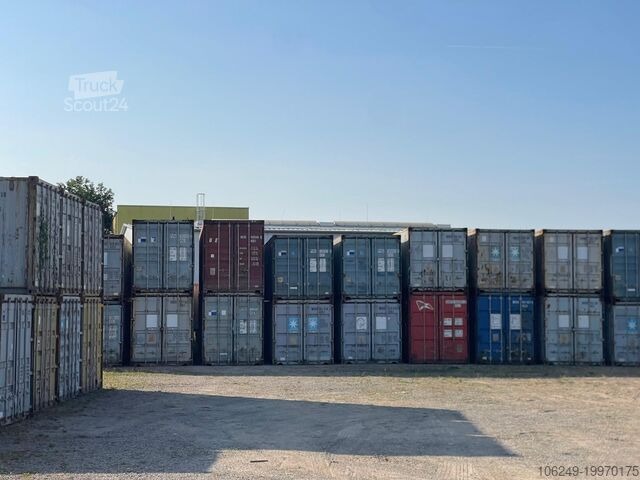
Shipping Container Offices: The Complete Guide to Turning Steel Boxes into Productive Workspaces
If you’ve ever walked past a row of rust‑stained shipping containers and wondered whether they could become more than just storage units, you’re not alone. The trend of converting freight containers into fully‑fledged offices is exploding worldwide, and for good reason. In this guide you’ll discover everything you need to know— from design fundamentals and cost breakdowns to regulatory considerations and long‑term maintenance. By the end, you’ll be ready to decide whether a shipping container office is the right solution for your business and, if so, how to make the conversion a smooth, cost‑effective process.
1. Why Choose a Shipping Container Office?
| Benefit | What It Means for You | Typical Savings |
|---|---|---|
| Speed of construction | A container can be delivered on site and fitted within weeks, not months. | 30‑50 % less time than traditional build |
| Portability | When you outgrow a location, the office can be lifted onto a trailer and moved. | Eliminates demolition and reconstruction costs |
| Durability | Steel walls resist fire, pests, and extreme weather. | Lower long‑term maintenance expenses |
| Scalability | Stack or connect multiple containers for larger spaces. | Modular expansion costs only the added unit(s) |
| Sustainability | Upcycling reduces waste and uses fewer raw materials. | Up to 40 % reduction in embodied carbon vs. conventional builds |
These advantages make container offices especially attractive for startups, remote sites, temporary project hubs, and companies with a strong sustainability agenda.
2. From Box to Workspace: The Core Design Elements
2.1. Size & Layout Options
Standard containers come in two main lengths, though height and width are fairly uniform:
| Dimension | 20‑Foot Container | 40‑Foot Container |
|---|---|---|
| Interior Length | 5.9 m (19 ft 4 in) | 12.0 m (39 ft 5 in) |
| Interior Width | 2.35 m (7 ft 9 in) | 2.35 m (7 ft 9 in) |
| Interior Height | 2.39 m (7 ft 10 in) | 2.39 m (7 ft 10 in) |
| Floor Area | 13.9 m² (150 ft²) | 28.3 m² (304 ft²) |
| Maximum Load | 28 t | 30 t |
You can keep the container as a single open‑plan space, or subdivide the interior with prefabricated partitions, mezzanines, or even a lofted sleeping area for on‑site personnel.
2.2. Insulation & Climate Control
A metal box is an excellent conductor of heat and cold. Proper insulation is vital for comfort and energy efficiency. Common solutions include:
- Spray‑foam insulation – fills gaps, provides R‑value 5–7 per inch.
- Rigid board (polyiso or XPS) – easy to install on walls and ceiling.
- Reflective foil barrier – adds a thermal break without adding much thickness.
Pair insulation with a compact HVAC unit (mini‑split, ductless) or a portable air‑conditioner/heat pump. For off‑grid sites, consider a solar‑powered ventilation system.
2.3. Electrical & Data Wiring
When converting a container, you’ll need:
- Main distribution board (MDB) – to isolate circuits.
- LED lighting – low heat, low power draw.
- Data cabling – Cat6 or fiber, run through conduit before walls are closed.
- Power outlets – Include a mix of standard 13 A sockets and USB‑charging ports.
Most conversion firms will handle the wiring to local code, but you should verify that the design includes surge protection and grounding.
2.4. Interior Finishes
Because the interior surface is steel, you’ll want to cover it with something pleasant to the eye and easy to clean. Options include:
- Drywall (Gypsum board) – traditional, smooth finish.
- Wood paneling – adds warmth, can be sourced sustainably.
- PVC wall cladding – resistant to moisture, ideal for wet climates.
Flooring choices range from epoxy‑coated concrete (durable and low‑maintenance) to interlocking laminate or carpet tiles for a softer feel.
3. Cost Breakdown: From Purchase to Move‑In
Below is a realistic cost estimate for a fully‑fitted 40‑foot container office in the United Kingdom (prices will vary by region).
| Item | Average Cost (GBP) | Notes |
|---|---|---|
| New 40‑ft container (new, C‑type) | £2,500 – £3,200 | C‑type = “closed” container, no doors on sides. |
| Structural modifications (door cut‑outs, windows) | £800 – £1,200 | Includes steel framing reinforcement. |
| Insulation (spray‑foam, 100 mm) | £1,200 – £1,600 | Provides R‑value ~6. |
| HVAC system (mini‑split) | £1,000 – £1,250 | Includes indoor/outdoor units and installation. |
| Electrical & data fit‑out | £1,500 – £2,200 | MDB, lighting, data points, outlet boxes. |
| Interior finishes (drywall, flooring, paint) | £1,800 – £2,400 | Mid‑range quality. |
| External works (foundations, steps, signage) | £600 – £1,000 | Concrete pads or steel footings. |
| Design & project management | £800 – £1,200 | 10 % of total build cost. |
| Total (approx.) | £9,800 – £13,850 | 20‑30 % cheaper than a conventional office of similar size. |
Tip: If you already own a used container in good condition, you can shave 30 % off the base price. However, factor in additional inspection and rust treatment costs.
4. Regulatory Checklist – What You Must Do Before Building
- Planning Permission – In many jurisdictions, a container office is treated as a “temporary structure” and may be exempt from full planning permission, but always check with your local council.
- Building Regulations – Structural changes (e.g., cutting doors) must meet fire‑safety and load‑bearing standards.
- Fire Rating – Install fire‑rated doors and consider an internal fire‑blanket or sprinkler system for larger units.
- Accessibility – If the office will host the public, ensure a ramp or lift meets the relevant disability standards.
- Electrical Certification – A qualified electrician must provide a Building Regulations “Part P” certification.
- Cultural/Heritage Restrictions – Some industrial zones have aesthetic guidelines; verify before painting bright colours.
Creating a simple checklist in a spreadsheet helps keep you on track:
| Task | Responsible Party | Deadline | Status |
|---|---|---|---|
| Verify planning exemption | Project manager | 2025‑10‑01 | ☐ |
| Obtain structural engineer sign‑off for door cuts | Engineer | 2025‑10‑10 | ☐ |
| Order container and schedule delivery | Procurement lead | 2025‑10‑15 | ☐ |
| Apply for electrical certification | Electrician | 2025‑11‑01 | ☐ |
| Final inspection and handover | Site supervisor | 2025‑12‑01 | ☐ |
5. Real‑World Applications – Where Container Offices Shine
| Industry | Typical Use‑Case | Why a Container Office Works |
|---|---|---|
| Construction | Site office for a 6‑month build | Portable, quick to set up, rugged enough for dusty environments |
| Agriculture | Farm management hub & break‑room | Resistant to moisture, can be located near fields without permanent foundations |
| Tech Start‑ups | Co‑working space in an urban warehouse | Low upfront capital, sleek industrial aesthetic, easy to scale |
| Education | Satellite classroom for remote learning | Fast deployment, can be fitted with whiteboards and AV gear |
| Healthcare | Mobile triage or tele‑medicine suite | Easily sterilised, can be placed close to transport hubs |
6. Maintenance Tips – Keep Your Office in Top Shape
- Inspect the roof and seams annually for rust or water ingress. Apply a marine‑grade coating if needed.
- Check door seals for wear; replace silicone gaskets to maintain insulation performance.
- Clean interior surfaces with mild detergent; avoid abrasive cleaners that could damage paint or paneling.
- Test HVAC filters every 2–3 months and replace them to ensure air quality.
- Re‑paint the exterior every 5–7 years, especially if the office sits in a high‑UV climate.
A simple preventive maintenance schedule (quarterly checks, annual deep dive) extends the life of the container beyond the typical 15‑year expectation for a standard freight box.
7. Frequently Asked Questions
Q1: How long does it take to convert a container into an office?
Answer: From container delivery to move‑in, a typical fit‑out takes 4–8 weeks. The timeline shortens if you choose a “turnkey” conversion package from a specialist vendor.
Q2: Can I install a toilet and shower inside a container office?
Answer: Yes, but you’ll need to allocate space for plumbing, a vent stack, and a small wastewater tank (or connect to an existing sewer line). A 20‑foot container can comfortably house a compact wet room, while a 40‑foot unit offers more flexibility.
Q3: Are container offices safe in earthquakes or high winds?
Answer: Steel containers are inherently strong, but for seismic zones you should anchor the unit to a reinforced concrete slab or steel foundation. In hurricane‑prone areas, consider additional bracing and a roof rated for wind speeds of at least 130 mph.
Q4: What is the environmental impact compared to a conventional office?
Answer: Upcycling a container prevents the steel from entering the waste stream and uses roughly 30 % less embodied carbon than building a new brick-and-mortar office of equal size. Adding solar panels can further reduce operational emissions.
Q5: Is financing available for container offices?
Answer: Many modular construction firms partner with banks or leasing companies to offer equipment‑finance or operating leases. This spreads the cost over 3–5 years and may qualify for tax‑deduction benefits.
8. Making the Decision – A Quick Self‑Assessment Checklist
- Do you need a workspace within 3 months? → Yes → Container office
- Is the location temporary or likely to change? → Yes → Portability advantage
- Is budget a primary constraint? → Yes → Savings of 20‑30 % vs. brick‑and‑mortar
- Do you have reliable power and water access? → If not, consider off‑grid solutions
- Is aesthetic branding important? → Custom paint, graphics, and interior finishes can match your brand
If you answered “yes” to most of these, you’re a strong candidate for a shipping container office.
9. Next Steps – From Idea to Reality
- Define your requirements – square footage, number of workstations, amenities (kitchen, restroom).
- Set a budget – use the cost table above as a baseline, then add a 10 % contingency.
- Choose a conversion partner – look for firms with a portfolio, certifications, and transparent warranties.
- Secure permits – start early; the approval process can take 2–4 weeks.
- Arrange site preparation – foundations, utility connections, and access routes.
- Schedule delivery & fit‑out – coordinate the container arrival with the conversion timeline.
- Inspect & hand over – perform a punch‑list walk‑through before signing off.
Congratulations! By following this roadmap, you’ll be able to transform a simple steel box into a modern, functional office that meets your business needs while delivering cost savings and sustainability benefits.
Final Thought
Shipping container offices are more than a novelty; they’re a pragmatic solution for today’s fast‑moving, space‑constrained, and environmentally conscious work environment. Whether you’re a startup seeking a sleek headquarters, a construction firm needing a rugged site office, or a municipality looking for a pop‑up community centre, the flexibility, speed, and affordability of container‑based workspaces make them a compelling choice.
Ready to get started? Reach out to a local modular specialist, request a quote, and see how quickly your steel box can become the hub of productivity you’ve imagined.
Happy building!