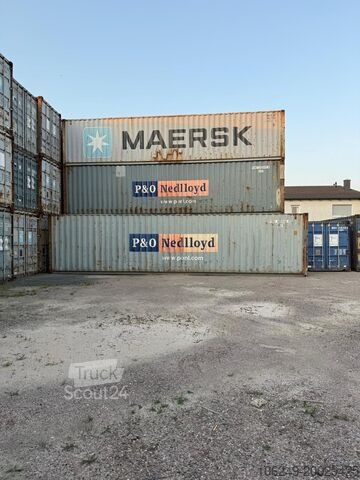
Shipping Container Prices: What You Need to Know Before You Buy
When you start looking at shipping containers as a solution for storage, modular housing, or a pop‑up shop, the first question that pops up is always the same: how much will it cost? The answer isn’t as simple as “$X per container” because prices swing wildly based on size, condition, location, and market trends. In this post you’ll get a complete, up‑to‑date picture of shipping container pricing, a handy table to compare options, and a checklist of the most important factors that affect the final dollar amount. By the time you finish reading, you’ll be able to walk into a dealer’s lot—or browse an online marketplace—confident that you’re getting the best value for your money.
Quick takeaway: In 2024 the average price for a brand‑new 20‑foot container in the United States hovers around $3,200–$4,500, while a used 40‑foot unit can cost anywhere from $2,300 to $4,800 depending on age and condition.
1. Why Shipping Container Prices Vary So Much
You might think a container is just a big steel box, but the market treats each unit like a mini‑real‑estate asset. Below are the primary variables that shift the price up or down.
| Factor | What It Means for You | Typical Price Impact |
|---|---|---|
| Size | 20‑ft vs. 40‑ft (and the newer 45‑ft “high‑cube”). | 40‑ft units cost ~30‑40 % more than 20‑ft, but per‑square‑foot price is often lower. |
| Condition | New (factory‑fresh, no dents) vs. Used (lightly used, refurbished, or “as‑is”). | New containers add $1,200–$2,500; refurbished units add $300–$800. |
| Age | The year it left the shipyard. Newer = less corrosion. | Each year adds roughly $30–$50 per foot of container length. |
| Modification | Doors, ventilation, insulation, windows, electrical wiring, etc. | Custom work can add $500–$5,000+ depending on scope. |
| Location | Proximity to ports, inland transport costs, regional demand. | Shipping to inland locations can add $300–$1,200. |
| Market Cycle | Global steel prices, trade volumes, pandemic‑related shortages. | Prices can swing ±15 % year‑over‑year. |
| Supplier Type | Dealer vs. broker vs. private seller. | Dealers often include warranty, raising price 5‑10 %. |
Understanding each of these will help you budget realistically and negotiate confidently.
2. Current Price Benchmark (U.S. Market – Q3 2024)
Below is a snapshot of typical price ranges you’ll encounter when shopping for a standard, non‑modified container. Prices are listed before taxes, delivery, and any optional upgrades.
| Container Size | Condition | Price Range (USD) | Average Price |
|---|---|---|---|
| 20‑ft Standard | New (factory sealed) | $3,200 – $4,500 | $3,850 |
| 20‑ft Standard | Used – Lightly Used (≤2 yrs) | $2,400 – $3,300 | $2,850 |
| 20‑ft Standard | Used – As‑Is (≥5 yrs) | $1,500 – $2,300 | $1,900 |
| 40‑ft Standard | New (factory sealed) | $5,600 – $7,500 | $6,550 |
| 40‑ft Standard | Used – Lightly Used (≤2 yrs) | $4,000 – $5,200 | $4,600 |
| 40‑ft Standard | Used – As‑Is (≥5 yrs) | $2,800 – $4,200 | $3,500 |
| 40‑ft High‑Cube (9′ height) | New | $6,300 – $8,300 | $7,300 |
| 40‑ft High‑Cube | Used – Lightly Used | $4,800 – $6,200 | $5,500 |
| 45‑ft High‑Cube | New | $7,200 – $9,200 | $8,200 |
| 45‑ft High‑Cube | Used – Lightly Used | $5,500 – $7,000 | $6,250 |
Note: Prices can be lower in regions with strong supply (e.g., near Gulf Coast ports) and higher in inland or high‑demand areas like the Pacific Northwest or the Northeast Corridor.
3. How to Turn a Price Quote Into a Real Deal
Having a price table is useful, but the real art lies in evaluating the total cost of ownership. Use the checklist below to convert a raw quote into a realistic budget.
3.1 Checklist – Total Cost of Ownership
- Base Price – The amount the seller advertises.
- Delivery & Logistics
- Port to site freight (truck, rail, or barge).
- Lift‑gate or crane fees for placement.
- Inspection & Certification
- Ask for a recent CSC (Container Safety Convention) inspection report.
- If you buy “as‑is,” budget $150–$300 for an independent inspection.
- Modifications (if needed)
- Door & window cuts, ventilation fans, insulation, electrical wiring.
- Permitting & Zoning
- Some municipalities require a building permit for a container used as a permanent structure.
- Insurance
- Cargo insurance for transport + liability coverage for on‑site use.
- Future Maintenance
- Rust treatment, repainting, resealing door gaskets every 3‑5 years.
Add up all line items, then compare to your budget. Often a slightly older container with a modest refurbishment will be cheaper overall than a “new” unit that incurs high delivery costs.
4. Where to Buy: Your Best Sources
You have three main avenues for purchasing a container. Each comes with its own price dynamics.
| Source | Pros | Cons | Typical Price Adjustment |
|---|---|---|---|
| Dealer / Authorized Distributor | Warranty, CSC certification, easy financing | Higher base price, sometimes limited inventory | +5‑10 % |
| Online Marketplace (e.g., eBay, ContainerAuction.com) | Wide selection, often deep discounts | Variable condition, less buyer protection | –10‑25 % |
| Local Scrap Yard / Salvage Yard | Cheapest “as‑is” units, potential for free pickup | May need extensive repairs, no warranties | –20‑40 % (but add repair costs) |
When you’re shopping, always request a recent photo set and a CSC inspection. If a seller can’t provide proof of structural integrity, the risk may outweigh a 10 % discount.
5. What Influences the Market Cycle?
You may wonder why container prices spiked dramatically during the 2020‑2022 pandemic and again after the 2023‑2024 steel price surge. Here’s a short primer to help you anticipate future trends.
- Global Trade Volume: When imports surge, containers are in higher demand for transport, driving up lease rates and purchase prices.
- Steel Prices: Since a standard 20‑ft container uses about 2,200 kg of steel, any fluctuation in raw‑material cost directly impacts the price.
- Regulatory Changes: New ISO standards (e.g., ISO 1496‑2 for high‑cube containers) can create short‑term supply shortages.
- Geopolitics: Tariffs, sanctions, or port closures (think Suez Canal blockage) can cause temporary price spikes.
If you’re not in a hurry, watch the steel index and track global container lease rates (publicly available on the Drewry or Clarksons websites). A dip in those indicators often precedes a buyer’s market.
6. Frequently Asked Questions (FAQ)
Q1: Can I buy a container and have it delivered to my driveway?
A: Yes. Most dealers offer “door‑to‑door” service for an additional fee (~$500–$1,200 depending on distance). You’ll need a clear path and a crane or forklift on site for placement.
Q2: How do I know if a used container is structurally sound?
A: Request a recent CSC (Container Safety Convention) inspection. Look for: no major dents, intact floor joists, functional doors, and no rust penetrating the steel panels. An independent third‑party inspection is worth $150–$300.
Q3: Are there any tax advantages to buying a container for business use?
A: In many jurisdictions, a container is treated as a capital asset. You may be able to depreciate it over a 5‑ to 7‑year schedule. Check with a tax professional for local regulations.
Q4: What’s the difference between a “standard” and a “high‑cube” container?
A: High‑cube containers are 1 foot taller (9 ft vs. 8 ft). This adds extra cubic footage—ideal for storage or conversion projects that need extra headroom.
Q5: Do I need a permit to place a container on my property?
A: It depends on local zoning. If the container is used solely for storage, many municipalities consider it a “temporary structure” with no permit required. For permanent installations (e.g., a tiny home), you’ll likely need a building permit.
Q6: How long does a container last?
A: With proper maintenance, a steel container can last 30 + years. The key is to keep it dry, treat any rust promptly, and replace gaskets every few years.
Q7: Can I finance a container purchase?
A: Yes. Many dealers partner with financing companies offering 12‑ to 60‑month terms. Interest rates typically range from 4 % to 9 % APR, similar to equipment loans.
7. Bottom‑Line Checklist Before You Sign
- Define your purpose – storage, office, housing, retail? This determines size and needed modifications.
- Set a realistic budget – include base price, delivery, modifications, permits, and maintenance.
- Gather quotes – from at least three sources (dealer, online marketplace, local salvage).
- Inspect – obtain CSC reports or arrange a third‑party inspection.
- Negotiate – use the price table and checklist to ask for discounts on delivery, upgrades, or a warranty.
- Finalize paperwork – read the contract for hidden fees (e.g., “handling surcharge”).
- Plan for the future – schedule a rust‑prevention coat and annual inspection.
If you follow these steps, you’ll turn a seemingly opaque market into a transparent, manageable purchase.
8. Wrap‑Up: Your Path to the Right Container
Shipping containers have transformed from mere cargo boxes into versatile building blocks for modern living and business. Their price is not a single figure but a range shaped by size, condition, geography, and market forces. By using the tables and checklists in this post, you can:
- Quickly compare new vs. used options across different sizes.
- Anticipate the total cost of ownership beyond the headline number.
- Choose the right buying channel for your risk tolerance and budget.
- Stay ahead of market cycles so you buy at the sweet spot.
Now that you’re equipped with the facts, the next step is simple: look at actual listings, request quotes, and start measuring your space. Whether you need a 20‑ft box for seasonal tools or a 40‑ft high‑cube to host a pop‑up café, you have the data to make a smart, confident decision. Happy container hunting!