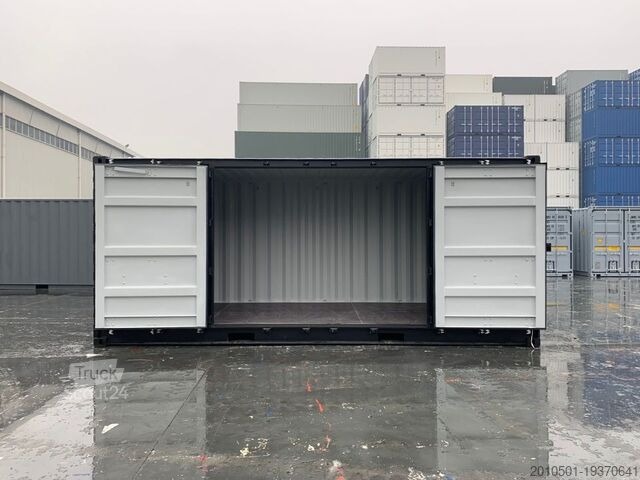
Shipping Container Sales: The Complete Guide You Need to Make a Smart Purchase
If you’ve ever imagined turning a steel box into a backyard office, a pop‑up shop, or a permanent storage solution, you’re not alone. The global market for shipping containers has exploded, and today you can buy a container as easily as you order a piece of furniture online. This guide walks you through everything you need to know before you click “Add to Cart,” from the different types of containers to pricing structures, financing options, and the legal hoops you’ll encounter. By the end of the article you’ll feel confident enough to pick the perfect container for your project—and to negotiate a deal that protects your budget.
1. Why Shipping Containers Are Worth Considering
Before you dive into specifications, let’s make sure the idea actually fits your needs. Here are the most common reasons people buy containers:
| Benefit | Typical Use‑Case | What You Gain |
|---|---|---|
| Durability | Outdoor storage, construction sites | Steel walls that resist weather, pests, and vandalism for decades |
| Mobility | Portable offices, pop‑up retail | Built‑in corner castings enable easy lifting with a crane or forklift |
| Scalability | Modular housing, data‑center racks | Stackable design lets you add units as your operation grows |
| Cost‑Effectiveness | DIY projects, small businesses | New containers start at $2,500–$4,500; used units often under $2,000 |
| Eco‑Friendly | Sustainable architecture, recycling | Repurposing a container reduces steel production and landfill waste |
If any of these points resonate with your situation, a shipping container could be the right solution.
2. Types of Containers You Can Buy
Not all containers are created equal. Knowing the difference will prevent costly surprises down the line.
| Container Type | Dimensions (L×W×H) | Typical Weight (Empty) | Key Features |
|---|---|---|---|
| Standard 20‑ft Dry Container | 20’ × 8’ × 8’6” | 2,300 lb (1,043 kg) | Most affordable; good for general storage |
| Standard 40‑ft Dry Container | 40’ × 8’ × 8’6” | 4,800 lb (2,177 kg) | Double the capacity, same footprint |
| High‑Cube 40‑ft Container | 40’ × 8’ × 9’6” | 5,200 lb (2,358 kg) | Extra 1 ft of headroom—ideal for living spaces |
| Reefer (Refrigerated) Container | 20‑ft or 40‑ft | 5,500 lb (2,495 kg) | Insulated, temperature‑controlled; requires power hookup |
| Open‑Top Container | 20‑ft or 40‑ft | 2,500 lb (1,134 kg) | Removable roof for oversized cargo |
| Flat‑Rack Container | 20‑ft or 40‑ft | 3,800 lb (1,724 kg) | Collapsible sides for heavy, irregular loads |
| Specialty Containers | Varies | Varies | Modified for offices, homes, or even swimming pools |
Pro tip: If you plan to convert the container into a habitable space, the high‑cube variant saves you from cutting the roof or adding a costly loft.
3. New vs. Used vs. Refurbished – Which Should You Choose?
| Option | Price Range (USD) | Pros | Cons |
|---|---|---|---|
| New | $2,500 – $4,500 (20‑ft) $4,500 – $7,500 (40‑ft) | Full structural integrity, warranty, no hidden damage | Highest upfront cost |
| Used (as‑is) | $1,200 – $2,500 (20‑ft) $2,200 – $4,000 (40‑ft) | Cheapest, readily available | Possible rust, dents, missing parts |
| Refurbished | $2,800 – $5,000 (20‑ft) $5,000 – $8,500 (40‑ft) | Cleaned, repaired, often include accessories (doors, vents) | Still pricier than raw used; quality varies by vendor |
How to evaluate a used container:
- Inspect the exterior for rust, dents, and structural deformations.
- Check the doors and seals – a warped door can compromise security.
- Ask for a “Condition Report.” Reputable sellers provide a checklist with photos and a grade (A‑C).
- Verify the CSC plate (Container Safety Convention). It shows the container’s build year and maximum gross weight.
4. Pricing Factors You Must Factor In
Even if you find a great headline price, several hidden costs can push the total out of your budget. Below is a quick checklist to keep you on track.
| Cost Component | Typical Range | When It Applies |
|---|---|---|
| Base Unit Price | $1,200 – $8,500 | New, used, or refurbished |
| Delivery & Transport | $200 – $1,200 per 500 mi | Depends on distance, road permits |
| Lift‑On/Lift‑Off (LO/LO) Fees | $150 – $400 | When using a crane or forklift |
| Customization (doors, windows, insulation) | $500 – $5,000+ | For offices, homes, refrigerated units |
| Permits & Zoning | $100 – $2,000 | Varies by city/county |
| Taxes & Duties | 5% – 13% of purchase price | Most U.S. states have sales tax; imported units may have tariffs |
| Financing/Interest | 3% – 9% APR | If you opt for a lease‑to‑own plan |
Example calculation – Buying a refurbished 40‑ft high‑cube container for a tiny‑home project in Texas:
| Item | Cost |
|---|---|
| Refurbished unit (incl. basic insulation) | $6,200 |
| Delivery (250 mi) | $350 |
| Crane lift at site | $250 |
| Building permit | $500 |
| Sales tax (8.25%) | $513 |
| Total | $7,813 |
5. How to Choose the Right Supplier
Not all container dealers are equal. Here are the top three criteria to vet a seller:
- Reputation & Reviews – Look for verified buyer feedback on Google, Yelp, or industry forums.
- Inventory Transparency – A good seller will give you a detailed spec sheet and photos of the exact unit you’ll receive.
- After‑Sales Support – Ask about warranty length, return policy, and whether they provide on‑site assistance for modifications.
Recommended supplier types
| Supplier Type | Ideal For | Typical Lead Time |
|---|---|---|
| Large Online Marketplace (e.g., ContainerAuction, BoxHub) | Price‑sensitive buyers, quick purchase | 1–2 weeks |
| Local Container Yard (CY) | Hands‑on inspection, immediate pickup | Same‑day to 3 days |
| Specialized Builder (e.g., ModSpace, ShippingContainerHomes) | Turnkey projects, custom builds | 4–8 weeks (including design) |
6. Step‑by‑Step Checklist for Buying Your First Container
Below is a practical, action‑oriented list you can print and tick off.
- Define the purpose – storage, office, living space, or specialty use?
- Select the size & type – use the table in Section 2 as a reference.
- Set a realistic budget – include hidden costs from Section 4.
- Research local zoning – check if a container can legally sit on your property.
- Gather at least three quotes – compare price, delivery, and warranty.
- Inspect the unit (or request a video inspection) – focus on rust, doors, CSC plate.
- Negotiate terms – ask for a discount on bulk orders or free delivery within a certain radius.
- Finalize financing – if needed, secure a loan or lease before signing.
- Sign a purchase agreement – ensure it lists condition, delivery date, and any post‑sale services.
- Arrange delivery & site preparation – level the ground, secure a crane if required.
- Inspect on arrival – confirm nothing was damaged in transit.
- Begin modifications – add insulation, windows, or electrical as needed.
7. Common Mistakes and How to Avoid Them
| Mistake | Why It Happens | Solution |
|---|---|---|
| Buying the cheapest unit without inspection | Assumes “used” equals “good enough.” | Request a condition report or see the container in person. |
| Ignoring local zoning rules | Focus on price and delivery only. | Contact your municipal planning department before purchase. |
| Underestimating delivery logistics | Assumes the seller handles everything. | Clarify who pays for permits, crane, and on‑site placement. |
| Skipping insulation for a living‑space conversion | Thinks steel walls are enough. | Invest in spray‑foam or panel insulation; otherwise you’ll face temperature extremes. |
| Overlooking corrosion near the doors | Rust can start at seams. | Apply anti‑rust coating and check door hinges regularly. |
8. Frequently Asked Questions (FAQ)
Q1: Can I buy a container and have it delivered to a residential address?
A: Yes, most suppliers will ship to residential locations, but you may need a delivery permit from your local authority, especially if the container is larger than a standard truckload or requires a crane.
Q2: What is the typical lifespan of a steel shipping container?
A: A well‑maintained container can last 30–40 years before major structural repairs become necessary. The roof and corner castings may need replacement earlier if exposed to harsh weather.
Q3: Do I need a special license to drive a container on a trailer?
A: In the U.S., a standard commercial driver’s license (CDL) is not required if the combined vehicle weight stays under 26,001 lb. However, state regulations vary, so verify with your Department of Transportation.
Q4: How can I make a container more energy‑efficient?
A:
- Insulation: Spray‑foam or rigid board.
- Solar panels: Mount on the roof for off‑grid power.
- Low‑E windows: Reduce heat loss.
- Ventilation: Install passive vents or a small HRV (heat recovery ventilator).
Q5: Is financing a container similar to a car loan?
A: Many lenders treat container purchases like equipment financing. Expect shorter terms (3–5 years) and higher interest rates than standard auto loans, but some suppliers offer lease‑to‑own options with flexible payments.
Q6: Can I stack containers on my property?
A: Yes, but you must obtain a structural engineer’s approval and verify the ground can support the load. Some localities also require a building permit for stacked units.
Q7: What should I do if I receive a damaged container?
A: Document the damage with photos, contact the seller within 24–48 hours, and request either a replacement, repair, or a price reduction as per the purchase agreement.
9. Real‑World Inspiration: Three Quick Success Stories
- The Mobile Coffee Shop – A 20‑ft container retrofitted with a serving window, espresso machine, and solar canary lights. Total cost: $9,800 (incl. custom interior).
- The Tiny Home Village – A developer purchased 15 refurbished high‑cube containers, insulated them, and added modular interiors. The project sold for $150,000 per unit, demonstrating a solid ROI.
- Warehouse Overflow Storage – A regional distributor bought ten used 40‑ft containers for $1,800 each, placed them on a concrete pad, and cut inventory shortages by 35%.
These examples show the wide spectrum of applications—from profit‑generating businesses to purely functional storage solutions.
10. Bottom Line: Your Next Move
You now have a detailed roadmap: understand the different container types, weigh new versus used, calculate the full cost of ownership, and follow a concrete buying checklist. The next step is to define your exact need, research local suppliers, and get at least three quotes.
Remember, a shipping container is more than a metal box—it’s a versatile platform that can be transformed to suit almost any purpose. With the right due diligence, you’ll walk away with a cost‑effective, durable asset that could even become a source of income for years to come.
Ready to start? Grab a pen, tick off the checklist in Section 6, and turn that steel box into your next big project. Happy buying!