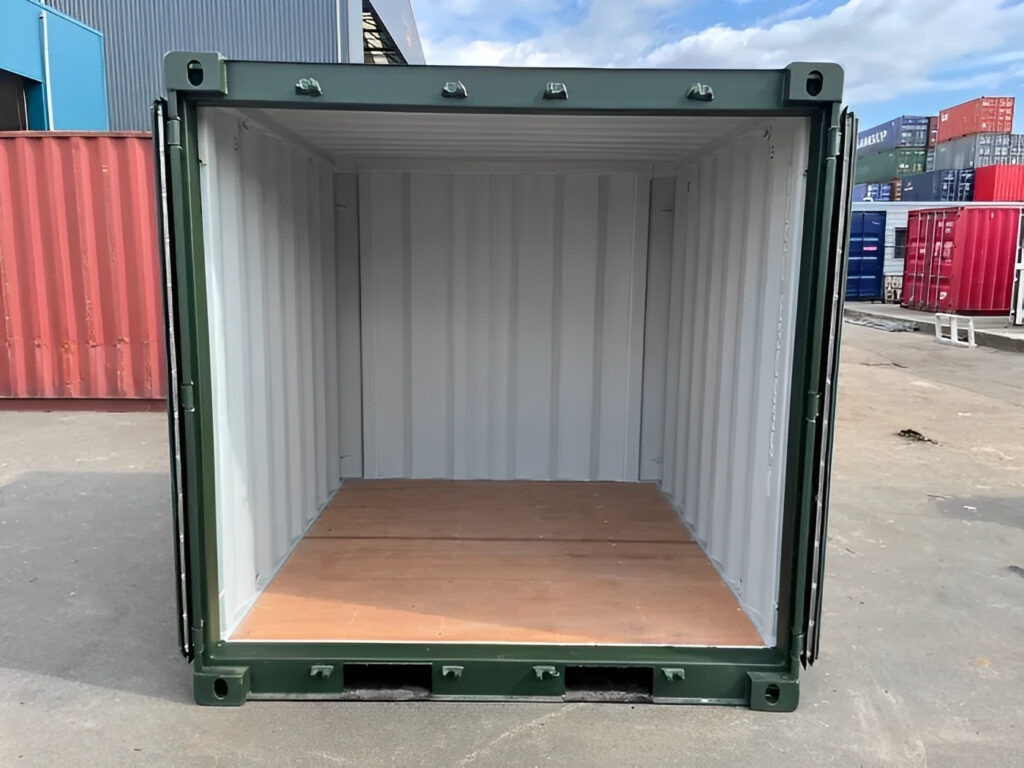
Shipping Containers for Rent: Your All‑In‑One Guide to Choosing, Using, and Saving
If you’ve ever walked past a bustling construction site, a bustling warehouse, or a pop‑up shop and wondered how all that equipment, material, and merchandise stays organized, the answer is often a shipping container. These steel boxes have become the unsung heroes of modern logistics, and today you can rent them instead of buying—giving you flexibility, cost‑efficiency, and peace of mind.
In this post we’ll walk you through everything you need to know about renting shipping containers:
- Why renting makes sense
- Key container types and sizes
- How to compare rental offers (including a handy table)
- Tips for using a rental container safely and efficiently
- Common pitfalls to avoid
- Frequently asked questions
Grab a coffee, pull up a chair, and let’s dive in!
1. Why Rent a Shipping Container?
| Benefit | Buying | Renting | What It Means for You |
|---|---|---|---|
| Up‑front cost | High (typically $2,000–$5,000 per 20‑ft unit) | Low (usually $100–$250 per month) | You can start a project without draining cash reserves. |
| Flexibility | Fixed asset; you own it forever | Time‑based contracts (monthly, quarterly, yearly) | Scale up or down as your needs change—no long‑term commitment. |
| Maintenance | You’re responsible for repairs, rust, and compliance | Provider usually covers basic maintenance and inspections | Less hassle, more time for your core business. |
| Storage location | Must secure a permanent spot | Mobile; can be delivered to any address you specify | Ideal for temporary sites, construction zones, or seasonal inventory. |
| Tax treatment | Capital expense (depreciation) | Operating expense (deductible as a business cost) | Simpler accounting and easier budgeting. |
Bottom line: Renting turns a massive capital outlay into a predictable, manageable expense—perfect for startups, seasonal businesses, or anyone who values flexibility.
2. The Most Common Container Types
Before you sign a rental agreement, you’ll want to know which container best fits your cargo, space, and budget.
| Type | Dimensions (L × W × H) | Typical Use Cases | Pros | Cons |
|---|---|---|---|---|
| Standard 20‑ft Dry Container | 20 ft × 8 ft × 8.5 ft (6 m × 2.44 m × 2.59 m) | Small‑scale storage, tools, documents | Cheapest, easy to maneuver | Limited internal volume (≈1,165 ft³). |
| Standard 40‑ft Dry Container | 40 ft × 8 ft × 8.5 ft (12.2 m × 2.44 m × 2.59 m) | Larger inventories, building supplies | Double the space, same footprint width | Heavier, may need a forklift or crane. |
| High‑Cube 40‑ft Container | 40 ft × 8 ft × 9.5 ft (12.2 m × 2.44 m × 2.90 m) | Voluminous items, stacked pallets | Extra 1 ft of headroom (≈2,390 ft³) | Slightly higher rental fee. |
| Reefer (Refrigerated) Container | 40 ft × 8 ft × 8.5 ft, insulated & powered | Perishables, pharmaceuticals, temperature‑sensitive equipment | Maintains precise temperatures (−30 °C to +30 °C) | Highest rental cost; needs power source. |
| Open‑Top Container | Same footprint as 40‑ft dry but no fixed roof | Oversized loads (machinery, timber) | Easy loading from the top with crane | Exposure to rain unless covered on‑site. |
| Flat‑Rack Container | 40 ft length, collapsible side walls | Heavy machinery, steel beams | Can hold cargo up to 3 m high | Less weather‑proof; requires extra tie‑down. |
| Ventilated/Insulated Container | Similar to dry but with vents or insulation | Fresh produce, plants, chemicals | Controls humidity, reduces condensation | Slightly pricier than standard dry. |
Which one is right for you?
- If you’re storing boxes, tools, or office supplies, a 20‑ft dry container is usually enough.
- For construction material, furniture, or large inventory, step up to a 40‑ft or high‑cube variant.
- Need to keep food or meds cool? A reefer is your go‑to.
3. How to Compare Rental Offers – A Practical Table
When you start shopping for a rental, you’ll encounter many variables: monthly price, delivery fees, minimum contract length, and optional services (like security locks or climate control). Below is a template you can copy into a spreadsheet to keep track of the quotes you receive.
| Provider | Container Type | Monthly Rate* | Delivery Fee** | Minimum Term | Included Services | Extra Costs (e.g., lock, insurance) | Total First‑Month Cost |
|---|---|---|---|---|---|---|---|
| Alpha Containers | 20‑ft Dry | $115 | $75 (within 30 mi) | 3 months | Standard lock, basic maintenance | $20 for insurance | $210 |
| Beta Rentals | 40‑ft High‑Cube | $190 | $120 (up to 50 mi) | 6 months | GPS tracker, quarterly cleaning | $30 lock upgrade | $340 |
| CargoCo | 40‑ft Reefer | $340 | $150 (any distance) | 12 months | Temperature monitoring, 24/7 support | $50 power hookup | $540 |
| Delta Logistics | 20‑ft Open‑Top | $130 | $85 (within 30 mi) | 2 months | Crane loading assistance | $15 extra tie‑down straps | $230 |
* Monthly Rate – Usually quoted for a “clean” container with no modifications.
** Delivery Fee – Some companies include the first delivery for free; others charge per mile.
What to look for:
- Overall cost vs. duration – A lower monthly rate might be offset by a high delivery fee or long minimum term.
- Included services – GPS tracking, regular cleaning, or a lock can add value, especially if you store valuable assets.
- Flexibility – Does the provider allow early termination or upgrades?
4. Getting the Most Out of Your Rental Container
4.1. Prepare the Site
- Flat, stable ground – A concrete pad or compacted gravel is ideal.
- Clearance – Ensure at least 3 ft of space on all sides for forklift or pallet jack access.
- Security – Consider fencing, cameras, or a lockbox if the container will sit idle for long periods.
4.2. Load Smart
- Plan the layout before you start moving boxes.
- Heavier items go to the bottom and toward the container walls for stability.
- Use pallets whenever possible; they keep items off the floor, reduce moisture damage, and expedite unloading.
4.3. Safety First
- Always wear protective gloves and steel‑toe shoes when handling heavy loads.
- Secure the doors with the supplied lock and, if needed, an additional padlock.
- For reefer containers, maintain a constant power source (generator or site electricity) and monitor temperature alerts.
4.4. Maintenance While Renting
- Inspect after delivery for dents, rust, or missing parts; report any issues immediately.
- Keep it clean—spillages can cause corrosion, especially in dry containers.
- Ventilate (if possible) during long storage to prevent condensation.
5. Hidden Costs & How to Avoid Them
| Potential Pitfall | Why It Happens | How to Prevent It |
|---|---|---|
| Late Return Fees | Rental contracts often have strict end‑date clauses. | Mark your calendar, arrange pickup a few days early. |
| Damage Charges | Minor dents or broken doors can be billed at high rates. | Conduct a walk‑through with the provider; note existing damage. |
| Over‑Mileage Delivery | Some companies charge per mile beyond a set radius. | Choose a provider with free delivery to your exact address, or negotiate a flat fee. |
| Utility Costs (Reefer) | Power consumption can spike if the unit runs nonstop. | Use a temperature logger to ensure the unit only runs when needed; verify the power‑rate clause. |
| Insurance Gaps | If your cargo isn’t covered, you might bear the loss. | Ask the provider if insurance is included; if not, purchase a short‑term policy. |
A proactive approach—asking the right questions up front—will keep your rental experience smooth and budget‑friendly.
6. Frequently Asked Questions (FAQ)
Q1. How long can I rent a shipping container?
You can rent for as little as one month or as long as several years. Most companies offer flexible month‑to‑month contracts with optional discounts for longer commitments.
Q2. Do I need a permit to place a container on my property?
It depends on local zoning laws and HOA rules. In many municipalities a container is considered a temporary structure and may not need a building permit, but confirm with your city planning office.
Q3. Can I customize the interior (e.g., shelves, lighting)?
Yes—many rental firms provide optional upgrades like shelves, lighting rigs, or ventilation. These are usually billed as one‑time add‑ons. Make sure any modification is reversible if you need to return the container in its original condition.
Q4. What happens if the container is damaged during my rental period?
Most contracts include a damage waiver up to a certain amount. If damage exceeds that limit, you’ll be billed for repair or replacement. Document the container’s condition before and after use with photos.
Q5. Is a security lock enough to protect my contents?
A standard lock is a good baseline, but for high‑value items consider cylinder locks, padlock with shrouded shackles, or even a GPS tracking system. Some providers bundle these into a premium security package.
Q6. How do I dispose of a container at the end of the lease?
You simply inform the rental company to arrange pickup. Some firms even offer a buy‑out option if you decide you’d rather own the container after the rental term.
Q7. Are there eco‑friendly options?
Absolutely! Many companies source re‑conditioned containers built from recycled steel. Renting a used container reduces waste and typically comes at a lower price point.
7. Quick‑Start Checklist – Ready to Rent?
- Define your needs – Size, type, duration, and any special features.
- Get at least three quotes – Use the comparison table to evaluate total cost.
- Inspect the container on delivery; note any pre‑existing damage.
- Secure the site – Level ground, clearance, and security measures.
- Load efficiently – Follow safety and organization best practices.
- Track the rental period – Set reminders for renewal or return dates.
- Return or purchase – Decide whether to extend, return, or buy the container.
8. Final Thoughts
Renting a shipping container can feel like a small decision, but it often unlocks massive benefits for your business or project. From cost savings and operational flexibility to enhanced security and environmental friendliness, the advantages stack up quickly.
Because you control the terms—thanks to the wealth of rental options out there—you can tailor a solution that fits your exact timeline, budget, and logistical requirements. Use the tables and checklists provided here as your roadmap, and you’ll be confidently navigating the world of container rentals in no time.
Ready to get started? Grab your phone, reach out to a few local providers, and let the steel‑clad convenience roll right to your doorstep. Happy storing!