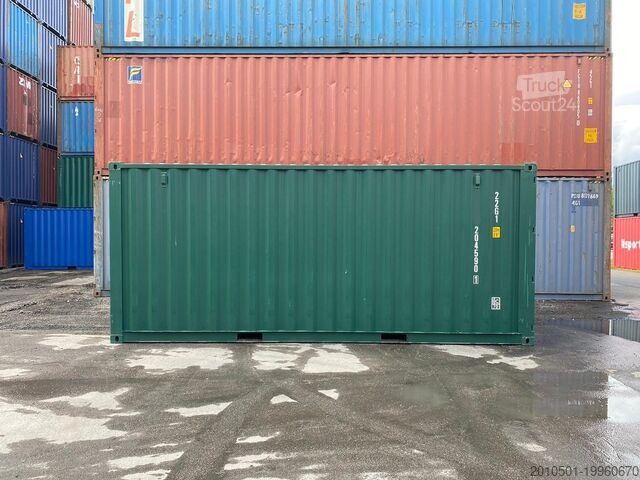
Shipping Containers Near Me: How to Find, Compare, and Choose the Perfect Unit
If you’ve ever walked past a stack of steel boxes on a dock or spotted a bright‑blue container tucked behind a warehouse, you’ve probably wondered how to get one of those sturdy, versatile structures for your own project. Whether you need extra storage, a pop‑up office, a tiny home, or a custom workshop, the phrase “shipping containers near me” is the first thing you’ll type into a search engine.
In this guide you’ll learn:
- Where to look for containers that are actually close to you
- What questions to ask before you buy or rent
- How to compare prices, sizes, and conditions in a clear, side‑by‑side table
- The legal and logistical steps that keep your purchase smooth and compliant
All of this is written from a second‑person perspective—so you’ll see exactly what you need to do, not just what experts think is interesting. Let’s dive in.
1. Why Proximity Matters
Faster Delivery, Lower Costs
When the container is located near your address, the transport distance shrinks dramatically. That translates into:
| Factor | Near‑by Source | Distant Source |
|---|---|---|
| Delivery fee | Typically $150‑$350 (depending on truck size) | $500‑$1,200+ |
| Lead time | 3‑7 days after purchase | 2‑4 weeks (or more) |
| Inspection opportunities | You can visit the yard, open the unit, check for rust, dents, etc. | You rely on photos and seller descriptions |
| Negotiation power | Face‑to‑face talks often yield better discounts | Mostly phone/email, less room for haggling |
Local Regulations are Easier to Navigate
Most municipalities have zoning rules that differ from one county to another. A local supplier will usually be familiar with:
- Permit requirements for placing a container on residential property
- Required setbacks from property lines or easements
- Fire‑safety or ventilation standards that apply in your jurisdiction
Having a nearby contact means you can ask targeted questions rather than guessing what a distant vendor might not even know.
2. Where to Search for “Shipping Containers Near Me”
Below is a step‑by‑step checklist that you can follow today.
| Step | Action | Tools / Resources |
|---|---|---|
| 1 | Google the phrase “shipping containers near me” | Google, Bing, DuckDuckGo |
| 2 | Check Google Maps for “container storage,” “container sales,” “container yards” | Google Maps, Apple Maps |
| 3 | Visit local classifieds (Craigslist, Facebook Marketplace, OfferUp) | Search filters: location, price, condition |
| 4 | Call nearby ports or intermodal terminals – they often have surplus units for sale | Port authority websites, phone directories |
| 5 | Ask local construction or moving companies – they frequently rent out containers | Yellow Pages, Yelp |
| 6 | Explore specialty container dealers – many have multiple locations and can ship locally | ContainerOne, PODS, Mobile Mini, SeaBox, etc. |
| 7 | Check with local recycling yards – they sometimes sell used containers at rock‑bottom prices | Local waste‑management sites or “scrap metal” yards |
| 8 | Join community forums (Reddit r/containers, local DIY groups) – members often post leads | Reddit, Nextdoor, local Facebook groups |
Quick Tips for Each Step
- Google Maps – Zoom in on industrial parks; many container yards have “Container Sales” signs.
- Classifieds – Set alerts so you’re notified the moment a new container appears.
- Ports – Even if you’re not near a major seaport, regional inland ports (e.g., rail terminals) often have surplus boxes. Call the “fleet management” department.
- Construction firms – Ask if they have “empty 20‑ft boxes” left over from a job; they might be willing to off‑load for a modest fee.
3. Comparing the Most Common Container Sizes
Before you commit, you need to know which dimensions fit your purpose. Here’s a concise table of the three standard ISO sizes most readily available near most U.S. and Canadian cities.
| Size | Interior Dimensions (ft) | Interior Volume (cu ft) | Typical Load Capacity | Common Uses |
|---|---|---|---|---|
| 20‑ft (Standard) | 19.4 × 7.9 × 7.9 | 1,170 | 28,000 lb (12,700 kg) | Small workshops, storage, pop‑up retail |
| 40‑ft (Standard) | 39.5 × 7.9 × 7.9 | 2,390 | 58,000 lb (26,300 kg) | Larger offices, home gyms, tiny‑home conversions |
| 40‑ft High‑Cube | 39.5 × 7.9 × 8.9 | 2,690 | 58,000 lb (26,300 kg) | Need extra headroom for standing work or lofts |
All interior dimensions are approximate after the standard 3‑inch wall thickness is accounted for.
If you plan to install shelving, a small office desk, or a loft bed, the extra foot of vertical space in a high‑cube can be a game‑changer.
4. New vs. Used vs. Modified – What Should You Choose?
| Option | Pros | Cons | Typical Price (USD) – 20 ft |
|---|---|---|---|
| New (factory‑fresh) | No dents, no rust, full warranty, easy to certify for food or pharma use | Highest cost, longer lead time (often 4‑6 weeks) | $3,500‑$5,000 |
| Used (good condition) | Lower price, instantly available, often already stripped of doors for easy modification | May have hidden corrosion, limited warranty, need inspection | $1,800‑$2,800 |
| Used (refurbished/modified) | Custom doors, windows, insulation already installed; ready‑to‑use | Highest price among used, may include markup for modifications | $2,500‑$4,000 |
| Rental (short‑term) | No upfront capital, maintenance handled by provider, flexible lease terms | Ongoing cost, less control over customizations, may require insurance | $150‑$300 per month |
How to decide:
- Budget: If you have cash on hand and plan a permanent installation, a refurbished unit often gives the best value‑for‑features.
- Timeline: Need the container tomorrow? A local used unit on a lot will be faster than a new build.
- Purpose: For a food‑service kitchen, a new or certified clean unit is non‑negotiable. For a garden shed, a lightly used box works fine.
5. Step‑by‑Step Process to Secure a Local Container
Below is a practical checklist you can copy‑paste into your notes app.
- Define your use case – storage, office, dwelling, shop, etc.
- Choose size & type – refer to the table in Section 3.
- Set a budget range – include delivery, permits, and any interior build‑out.
- Search “shipping containers near me” using the eight steps from Section 2.
- Shortlist 3‑5 suppliers – gather contact info, inventory lists, and price quotes.
- Inspect the units – check for:
- Rust on corners and seams
- Dents that could compromise structural integrity
- Water ingress (open a door, look for water stains)
- Condition of doors, locks, and hinges
- Ask about paperwork – ask for:
- Proof of ownership (Bill of Sale)
- Any existing warranties
- Condition report or “as‑is” statement
- Obtain quotes for delivery – ask for a detailed breakdown (truck, fuel surcharge, permits).
- Compare quotes in a table (see example below).
- Negotiate – point out any repair work you’ll need to do yourself; sellers often reduce price for a quick, cash transaction.
- Finalize purchase – sign a simple purchase agreement, pay a deposit (usually 10‑20 %).
- Arrange delivery – schedule the date, confirm access routes (clearance height, driveway width).
- Secure necessary permits – contact your city planning department (often a one‑page form).
- Place the container – level the ground, use steel pads or a concrete pad, lock the doors.
Sample Quote Comparison Table
| Supplier | Unit (20‑ft, used) | Price | Delivery (10 mi) | Estimated Lead Time | Remarks |
|---|---|---|---|---|---|
| Metro Container Co. | Good condition, no dents | $2,200 | $180 | 3 days | Free 1‑yr rust‑proof coating |
| Portside Yard | Minor rust, new doors | $1,950 | $210 | 5 days | Needs interior cleaning |
| Civic Recycling | Heavy dents, functional | $1,700 | $165 | 2 days | Will sell for $150 less if you do self‑delivery |
| Mobile Mini (rental) | 20‑ft, brand‑new | $3,600 (purchase) | $250 | 1 week | Includes 12‑month warranty |
Use a similar table to keep your decision crystal clear.
6. Legal & Logistical Checklist
| Item | What to Do | Why It Matters |
|---|---|---|
| Zoning check | Call city planning or check online zoning maps | Some neighborhoods prohibit “industrial” structures in residential zones |
| Setback requirements | Verify required distance from property lines, easements, utilities | Avoid fines or forced removal |
| Foundation | Prepare a level concrete pad, steel sleepers, or compacted gravel | Prevent settling, moisture wicking |
| Utilities | Plan for electricity, water, and sewage if you’ll live or work inside | Permits often require a certified electrician/plumber |
| Insurance | Add the container to your homeowner’s or renter’s policy | Covers theft, fire, or accidental damage |
| Inspection | Request a third‑party inspection if you’re buying high‑value or custom‑modified units | Independent verification of structural soundness |
7. Frequently Asked Questions (FAQ)
Q1: How far can a delivery truck transport a container?
A: Most standard flatbed trucks can carry a 40‑ft container up to 100 mi without a special permit. For longer hauls, a “oversize load” permit may be required, which adds cost.
Q2: Do I need a permit to place a container on my property?
A: In most jurisdictions, yes. A simple “accessory structure” permit is usually enough, but you may also need a building permit if you plan to install insulation, windows, or interior walls.
Q3: Can I modify a used container myself?
A: Absolutely, but keep safety in mind. Cutting steel creates sharp edges and can compromise structural integrity if you remove too much of the side walls. Always consult the ISO 668 standards or a structural engineer for major alterations.
Q4: What’s the average lifespan of a steel shipping container?
A: When properly maintained (coated, kept dry, and protected from severe corrosion), a container can last 20‑30 years or more. Regularly inspect for rust and repaint as needed.
Q5: Are there eco‑friendly options?
A: Yes—some vendors offer “green” containers built from recycled steel with low‑VOC paint and optional solar‑panel kits. Look for certifications like LEED or BREEAM if sustainability is a priority.
Q6: How much does it cost to convert a 40‑ft high‑cube into a tiny home?
A: Rough estimates range from $30,000 to $80,000, depending on insulation, interior finishes, plumbing, and electrical work. The container itself may cost $2,000‑$4,000, so the conversion is the biggest expense.
Q7: What’s the difference between a “pallet container” and a “dry container”?
A: Pallet containers are designed for easy stacking of palletized goods and typically have reinforced floors. Dry containers are the standard 20‑ft or 40‑ft boxes used for general cargo. For most DIY projects, a standard dry container works fine.
8. Quick “Cheat Sheet” – Your One‑Page Reference
| Goal | Best Source | Typical Cost | Delivery Time |
|---|---|---|---|
| Immediate storage | Local classifieds / Craigslist | $1,500‑$2,500 (used) | 1‑3 days |
| Office or studio | Specialty dealer (Mobile Mini, PODS) | $2,200‑$3,500 (new) | 3‑7 days |
| Tiny‑home build | Portside yard + custom builder | $3,500‑$5,500 (new, plus conversion) | 4‑6 weeks |
| Short‑term rental | Rental companies (U‑Haul, PODS) | $150‑$300 per month | Immediate |
Pro tip: Always ask for a photo‑proof inspection if you can’t visit the yard. A short video walkthrough can reveal hidden dents or rust that static pictures miss.
9. Wrapping Up – Take Action Today
You’ve now got all the pieces you need to locate, evaluate, and secure a shipping container that lives right in your neighbourhood. The process is straightforward:
- Define what you need.
- Search using the eight‑step method.
- Inspect and compare using the tables we provided.
- Check permits and logistics.
- Close the deal and plan your delivery.
The next time you think “shipping containers near me,” you’ll know exactly how to turn that vague search into a concrete (literally) solution for storage, workspace, or even a new living space.
Happy hunting, and may your new steel box become the sturdy foundation for whatever project you have in mind!