Shipping Containers as Storage Solutions: Your Friendly Guide to Choosing, Using, and Maintaining Them
If you’ve ever stared at a cluttered garage, a pile of seasonal gear, or a warehouse that seems to be shrinking by the day, you’ve probably wondered, “What on earth can I do with all this stuff?”
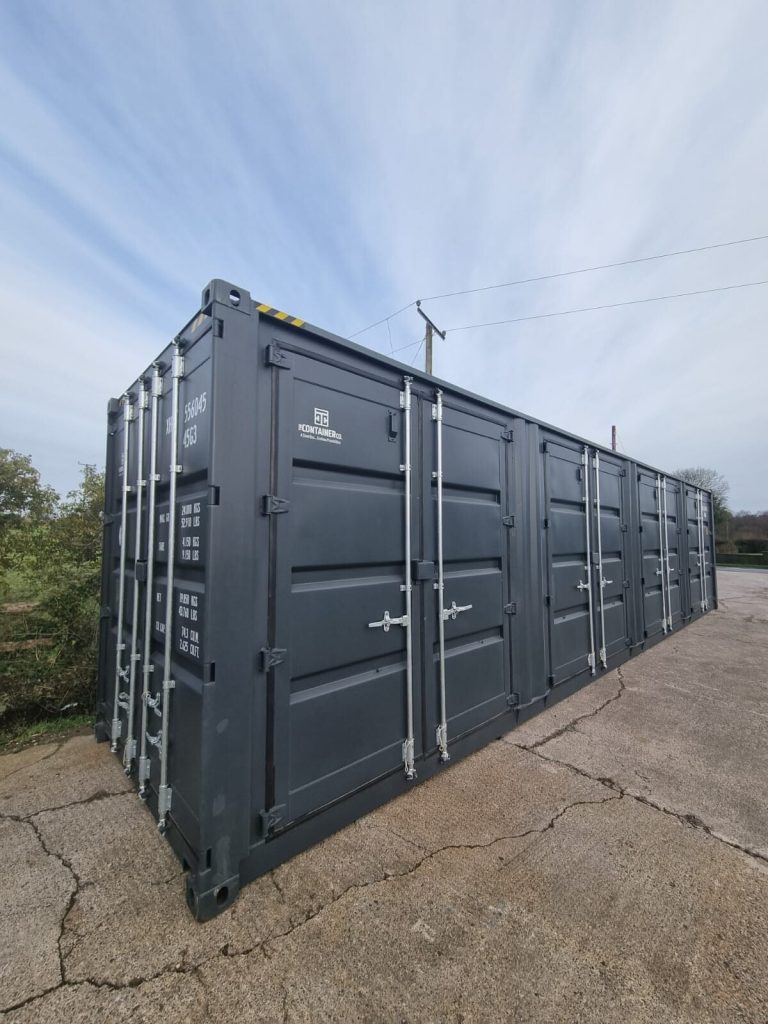
Enter the humble shipping container—the steel box that travels the globe on cargo ships, trains, and trucks. Over the last decade, these rugged, weather‑proof containers have stepped off the docks and onto the backyards, construction sites, and even city streets as affordable, secure, and surprisingly versatile storage units.
In this post you’ll discover everything you need to know to turn a shipping container into the storage solution you’ve been dreaming of. We’ll walk through the different container types, sizing options, budgeting basics, installation tips, maintenance tricks, and legal considerations—plus a handy comparison table, quick‑checklists, and an FAQ that tackles the most common concerns.
Grab a coffee, pull up a chair, and let’s get you organized!
1. Why Shipping Containers Make Great Storage
| Benefit | How It Helps You | Real‑World Example |
|---|---|---|
| Durable steel construction | Resists rust, impact, and pests. | A construction firm stores heavy equipment outdoors for years without damage. |
| Weather‑proof | Keeps rain, snow, and UV light out. | A farmer protects seed bags and tools from a rainy season. |
| Security | Locked doors, optional reinforced hinges. | A small business safeguards high‑value inventory overnight. |
| Modular & stackable | Easy to combine for larger footprints. | A distributor creates a 40‑ft stack for a mini‑warehouse on a vacant lot. |
| Standardized dimensions | Simple to plan space and transport. | A moving company loads a 20‑ft container onto a trailer in minutes. |
| Cost‑effective | Typically $1,500–$4,000 for a used unit; new units start at $2,500. | A homeowner saves $2,000 compared to a traditional shed. |
| Customizable | Add doors, windows, ventilation, shelving. | An art studio installs climate‑controlled panels for sensitive paintings. |
If any of those points strike a chord, you’re already on the path to a smarter storage solution.
2. Container Sizes & What They’re Best For
| Size (ft) | Inside Dimensions (L × W × H) | Approx. Volume (cu ft) | Typical Uses |
|---|---|---|---|
| 10 | 9.0 × 7.7 × 7.9 | 560 | Small tools, seasonal décor, bike storage |
| 20 | 19.4 × 7.9 × 7.9 | 1,170 | Household goods, small business inventory, workshop |
| 40 | 39.5 × 7.9 × 7.9 | 2,390 | Large equipment, vehicle storage, mini‑warehouse |
Quick tip: If you’re unsure about the exact volume you need, start by measuring the longest item you’ll store and add 20 % for clearance and aisles.
3. Budgeting for Your Container
| Expense | Typical Cost (USD) | Notes |
|---|---|---|
| Used 20‑ft container | $1,500 – $2,500 | Look for rust‑free units; price varies by location. |
| New 20‑ft container | $2,500 – $3,500 | Comes with a full warranty and pristine paint. |
| Delivery (up to 30 mi) | $150 – $300 | Depends on distance and crane rental. |
| Site preparation | $200 – $800 | Leveling ground, concrete pads, or gravel bed. |
| Modifications (doors, vents, shelving) | $300 – $1,200 | Customization adds value and usability. |
| Security lock & alarm | $50 – $250 | Padlocks are cheap; electronic alarms cost more. |
| Insurance (annual) | $100 – $300 | Optional but recommended for high‑value contents. |
Total start‑up estimate (mid‑range): $2,500 – $5,500 for a fully ready, 20‑ft container.
4. Planning the Placement
Before you call the crane operator, answer these questions:
- Is the ground level?
- A concrete slab or compacted gravel prevents settling.
- Do you need utilities?
- Electrical outlets for lighting, or a small HVAC unit for climate‑sensitive items.
- What local regulations apply?
- Zoning codes may restrict height, setback distances, or require a permit.
- How will you access it?
- Consider a driveway width of at least 12 ft for a 20‑ft container.
Simple Site‑Prep Checklist
- Clear vegetation and debris from a 10‑ft radius.
- Level the ground (±1 inch).
- Lay a 4‑inch‑thick gravel base (or pour a concrete pad).
- Check drainage: slope the base away from the container.
5. Installing & Securing Your Container
| Step | Action | Why It Matters |
|---|---|---|
| 1. Position the container | Use a crane or forklift to set it on the prepared base. | Prevents damage to the floor and walls. |
| 2. Anchor the unit | Install ground anchors or concrete footings. | Stops wind uplift and theft. |
| 3. Install doors & locks | Fit a high‑security bolt lock; consider a keypad. | Adds a layer of protection. |
| 4. Add ventilation | Fit passive vents or a small exhaust fan. | Reduces moisture buildup, protects contents. |
| 5. Fit interior shelving | Use metal or modular plastic racks. | Maximizes usable space and improves organization. |
| 6. Connect utilities (if any) | Run power from a nearby outlet or solar panel. | Enables lighting and optional climate control. |
6. Maintaining Your Container
Even steel can suffer wear over time. A few simple habits keep your storage box in tip‑top shape:
| Maintenance Task | Frequency | How‑to |
|---|---|---|
| Inspect for rust or dents | Quarterly | Look at seams, corners, and the roof. Spot‑treat with rust‑inhibiting primer. |
| Check door seals | Every 6 months | Ensure the rubber gasket is intact; replace if cracked. |
| Clean interior | Annually | Sweep out debris, wipe down surfaces, and vacuum. |
| Lubricate hinges & locks | Every 12 months | Use silicone spray—avoid oil that attracts dust. |
| Re‑paint exterior (if needed) | Every 5‑7 years | Use marine‑grade paint for best protection. |
7. Security & Safety Tips
- CCTV cameras can be mounted on or near the container for real‑time monitoring.
- Motion‑sensor lights deter intruders and make nighttime access safer.
- Fire‑resistant shelving (metal or treated wood) reduces fire risk.
- Label hazardous items clearly; keep flammable materials away from heat sources.
8. Legal & Permitting Considerations
| Issue | What to Do |
|---|---|
| Zoning | Contact your city planning office; many residential zones allow a 20‑ft container as an accessory structure. |
| Building permits | Some municipalities require a permit if you anchor the container or modify it (e.g., adding windows). |
| HOA rules | If you live in a community with a Homeowners Association, review the covenants before ordering. |
| Insurance | Notify your homeowner’s insurer; a modest rider can cover theft or damage. |
Failure to comply can lead to fines or even forced removal, so it’s worth doing a quick check before you sign the purchase order.
9. Real‑World Use Cases (Inspiration!)
- Homeowner’s Seasonal Closet – A 20‑ft container in the driveway stores winter coats, holiday décor, and garden tools. After adding a skylight and a small loft shelf, the owner saves $2,300 compared to a traditional shed.
- Small‑Business Inventory Hub – A boutique coffee roaster uses a 40‑ft container as a pop‑up warehouse. With a climate‑controlled door and a shelving system, they handle 3,000 lbs of green beans without renting a commercial unit.
- Construction Site Office & Storage – A contractor places a 20‑ft container next to a job site, converting half into a breakroom and the other half into secure tool storage. The modular design allows them to relocate the unit to the next project with minimal hassle.
10. Quick‑Start Checklist (Your 5‑Minute Plan)
- Determine size (10, 20, or 40 ft).
- Set a budget (include delivery & prep).
- Check local regulations (zoning, permits).
- Select a supplier (compare condition, warranty).
- Arrange site prep (level ground, drainage).
- Schedule delivery (coordinate crane, traffic).
- Add security (locks, cameras, lighting).
- Plan interior layout (shelves, bins).
If you tick each box, you’ll be ready to roll out a functional storage space in just a few weeks.
11. Frequently Asked Questions
Q1. Can I buy a brand‑new container, or are used ones fine?
A: Both work well. New containers come with full paint and rust protection but cost more. Used containers are great if you inspect them for structural integrity—look for severe dents, rust through the walls, or broken doors.
Q2. Do I need a foundation?
A: While a container can sit on compacted soil, a concrete slab or compacted gravel base extends its life and prevents settlement. For long‑term storage, a 4‑inch‑thick concrete pad is ideal.
Q3. How do I control temperature inside the container?
A: Install a small HVAC unit (e.g., a 12,000 BTU portable air conditioner) or a vented fan for airflow. For sensitive items, consider a climate‑controlled container (often a premium option from specialist suppliers).
Q4. What’s the best way to secure the container against theft?
A: Use a high‑security bolt lock, anchor the container to the ground (concrete footings or steel ground anchors), and add an alarm system or CCTV. If you’re in a high‑risk area, a gated enclosure adds another layer of protection.
Q5. Can I modify the container (add windows, doors, insulation)?
A: Absolutely—many companies offer custom fabrication. Keep structural integrity in mind: avoid cutting large sections of the side walls without reinforcing them. Insulation (spray foam or rigid panels) improves temperature regulation and reduces condensation.
Q6. Do I need a permit to place a container on my property?
A: It depends on local zoning and building codes. Residential areas often allow containers as accessory structures, but you may need a permit if you plan to anchor it or make permanent modifications. Check with your city planning office.
Q7. How long will a shipping container last?
A: Properly maintained steel containers can last 30‑50 years or more. Regular rust prevention, seal checks, and occasional repainting keep them in good shape.
Q8. Is it safe to store hazardous materials?
A: Yes, if you follow safety guidelines: keep flammable items away from heat sources, use proper ventilation, and label all hazardous contents. In some jurisdictions, you may need a fire‑resistant rating for the container.
12. Bottom Line: Your Next Step Toward Clutter‑Free Living
You now have a comprehensive roadmap to turn a sturdy steel box into the storage hero your home, business, or project needs. From sizing and budgeting, through site preparation and security, to ongoing maintenance and legal compliance—each piece fits together like the panels of the container itself.
Take action today:
- Measure the biggest item you’ll store.
- Pick a size that gives you some breathing room.
- Contact a local supplier for price quotes and availability.
- Check your local zoning for any required permits.
Within a few weeks, you could be unlocking the doors of a brand‑new (or gently‑used) container, sliding a shelf into place, and finally feeling the sweet relief of a tidy, organized space.
Happy storing! 🚢✨