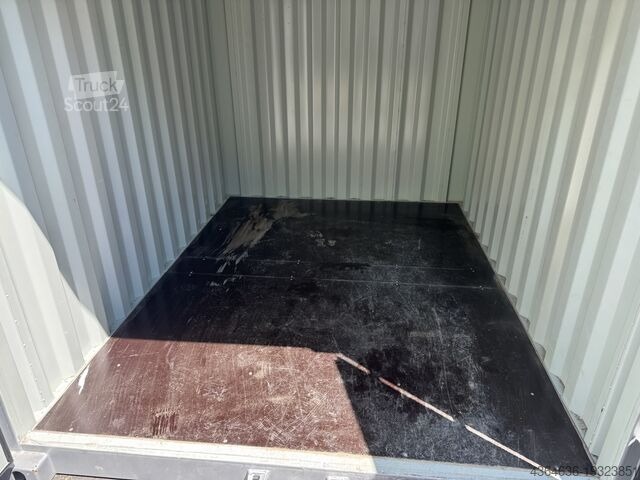
The Complete Guide to Shipping Containers: What You Need to Know, How to Use Them, and Why They Might Be Your Next Smart Investment
If you’ve ever seen a stack of massive steel boxes on a dock or a sleek, modular office tucked behind a warehouse wall, you’ve encountered a shipping container. These unassuming metal boxes have quietly become one of the most versatile building blocks of modern logistics, architecture, and DIY culture. In this post you’ll learn everything you need to know about shipping containers—from the different types that exist, to the costs involved, to creative ways you can repurpose them for home, business, or hobby projects.
1. Why Shipping Containers Matter to You
When you think about “shipping containers,” the image that probably comes to mind is a rust‑stained, 20‑foot steel box being lifted by a crane. Yet the reality is far richer:
| Benefit | What It Means for You |
|---|---|
| Standardized dimensions | Global compatibility: a 20‑ft container fits on any ship, train, or truck without modification. |
| Durable construction | Made from Corten steel, they resist corrosion, weather, and impact—ideal for long‑term outdoor use. |
| Security | Built‑in lock points and a tight seal keep contents safe from theft and pests. |
| Scalability | You can stack containers, combine them side‑by‑side, or even stack them vertically to create multi‑story structures. |
| Cost‑effectiveness | A used 40‑ft container can cost as little as $2,000‑$4,000, far cheaper than building a conventional structure from scratch. |
| Eco‑friendly | Reusing an old container reduces steel waste and lowers the carbon footprint of new construction. |
Understanding these advantages helps you decide whether a container is a practical solution for your next project—whether you’re moving goods across continents, building a pop‑up shop, or creating a backyard studio.
2. The Main Types of Shipping Containers
Not all containers are created equal. Below is a quick reference table that breaks down the most common varieties and their typical applications.
| Type | Standard Exterior Dimensions | Internal Volume | Typical Use Cases |
|---|---|---|---|
| Dry (General‑Purpose) Container | 20‑ft (6.06 m) × 8‑ft (2.44 m) × 8.5‑ft (2.59 m) | ~33 m³ (20‑ft) / ~67 m³ (40‑ft) | Freight transport, storage, modular buildings |
| High‑Cube Dry Container | Same footprint, height 9.5 ft (2.90 m) | ~38 m³ (20‑ft) / ~76 m³ (40‑ft) | Extra headroom for offices, labs, or housing |
| Reefer (Refrigerated) Container | Same as dry, insulated with refrigeration unit | ~28 m³ (20‑ft) / ~56 m³ (40‑ft) | Perishables, pharmaceuticals, temperature‑sensitive goods |
| Open‑Top Container | Same footprint, removable top frame | ~38 m³ (20‑ft) | Oversized cargo, machinery, timber |
| Flat‑Rack Container | Two upright end posts, no side walls | Variable (up to ~70 m³) | Heavy, oddly‑shaped loads (vehicles, steel coils) |
| Ventilated (Vent) Container | Standard dimensions, side vents | ~30 m³ (20‑ft) | Agricultural products, coffee beans, spices |
| Specialty Containers | Custom dimensions, pressure‑rated, etc. | Varies | Hazardous material, live animals, etc. |
Quick tip: If you just need a sturdy, square‑foot area for a workshop or tiny house, a high‑cube dry container is often the best compromise between headroom and cost.
3. How to Choose the Right Container for Your Project
Below is a step‑by‑step checklist you can follow while evaluating options.
- Define the purpose – Are you storing items, building a workspace, or creating a retail outlet?
- Determine the size you need – A 20‑ft container offers ~1,170 sq ft of floor space, while a 40‑ft container provides ~2,340 sq ft.
- Consider interior height – If you need standing room for taller equipment, go for a high‑cube model (9.5 ft high).
- Assess climate requirements – For temperature‑sensitive storage, a reefer is mandatory; for good airflow, a ventilated container works.
- Check condition – New (or “new‑old”) containers are pristine but pricier; “used – good” containers may have minor dents but are still structurally sound.
- Factor in modifications – Cutting openings, adding windows, or installing insulation will add cost. Verify local building codes before you start.
4. The Real Cost Breakdown
Many people assume a container’s price tag tells the whole story, but the total expense includes several hidden items. Below is a realistic cost outline for a basic 40‑ft high‑cube dry container in the United States (prices as of 2024).
| Item | Estimated Cost (USD) | Notes |
|---|---|---|
| Base container (used, good condition) | $2,500 – $3,500 | Price varies by region, age, and market demand |
| Delivery to site (30 mi) | $300 – $600 | Depends on distance, road access, and required permits |
| Site preparation (foundation, leveling) | $800 – $2,000 | Concrete slab, steel footings, or wooden deck |
| Modifications (door cut, window openings) | $1,200 – $2,500 | Labor + metal reinforcement |
| Insulation (spray foam) | $800 – $1,200 | Essential for temperature control |
| Electrical & lighting | $500 – $1,000 | Wiring, outlets, LED fixtures |
| Interior finishes (drywall, flooring) | $1,000 – $2,000 | Paint, plywood paneling, epoxy floor coating |
| Permits & inspection | $200 – $500 | Varies by municipality |
| Total Approximate Cost | $7,300 – $13,800 | The range depends on customization level |
Bottom line: Even at the high end, a container‑based building can cost 30‑50 % less than a conventional construction of comparable size.
5. Creative Ways to Repurpose Shipping Containers
Your imagination is the only limit. Here are ten popular and practical ideas, each paired with a short description of the key considerations.
| Idea | Key Considerations |
|---|---|
| Tiny House | Insulation, plumbing, and interior layout. Needs local zoning approval for residential use. |
| Pop‑Up Retail Store | Quick assembly, eye‑catching graphics, and climate control for merchandise. |
| Office Pod | Soundproofing, ergonomic interior, high‑speed internet cabling. |
| Mobile Workshop | Heavy‑duty flooring, power outlets, ventilation for dust or fumes. |
| Garden Shed / Tool Locker | Simple door cut, lockable hinges, waterproof seal. |
| Outdoor Kitchen / Barbecue | Fire‑rated insulation, ventilation, gas or electric hookups. |
| Art Installation | Painting, LED lighting, interior exhibition space. |
| Emergency Shelter | Rapid deployment, basic heat, and sanitation facilities. |
| Swimming Pool Enclosure | Transparent panels, structural reinforcement, water‑resistant sealants. |
| Data Center Module | Raised flooring, cooling units, redundant power supplies. |
6. Step‑by‑Step: Converting a Shipping Container into a Home Office
Below is a concise, actionable list that walks you through a typical conversion. Feel free to adapt it to your own project.
- Select the Container – Choose a high‑cube 40‑ft unit in good condition.
- Secure a Permit – Contact your city planning department to confirm that a “temporary structure” is allowed.
- Prepare the Site – Lay a concrete slab or steel footings; ensure the surface is level and can support the 8‑ton weight.
- Transport & Position – Use a crane or forklift to place the container on the foundation.
- Cut Openings – Mark and cut a 36‑in. wide door and two 24‑in. windows. Reinforce the cuts with steel frames.
- Install Insulation – Spray‑foam on all interior walls, ceiling, and floor. This adds R‑value and seals gaps.
- Run Electrical – Feed a conduit from a nearby breaker panel; install a sub‑panel inside the container. Add outlets, USB ports, and LED lighting.
- Finish Interior – Attach plywood panels, then apply paint or wallpaper. Lay a laminate or carpeted floor for comfort.
- Add Furniture – Choose modular desks, ergonomic chairs, and storage that fit the container’s dimensions.
- Test & Inspect – Verify the HVAC, electrical, and structural integrity before occupying.
You can complete this project in 4‑6 weeks with a small crew or even as a DIY weekend marathon if you have the right tools.
7. Frequently Asked Questions (FAQ)
Q1: How long do shipping containers last?
Answer: A well‑maintained steel container can exceed 30 years in service. The lifespan depends on exposure to harsh environments and frequency of modifications.
Q2: Are shipping containers safe to live in?
Answer: Yes, provided you insulate, ventilate, and meet local building codes. Proper sealing eliminates condensation, while fire‑rated insulation improves safety.
Q3: Can I stack containers on my property?
Answer: Absolutely—containers are designed to be stacked up to six high on ships. For on‑site stacking, you’ll need a solid foundation and may need a permit for the added height.
Q4: Do I need a special license to operate a container as a business?
Answer: Not specifically for the container, but you must comply with zoning regulations, business licensing, and health & safety standards that apply to the type of business you run.
Q5: What are the environmental impacts of reusing containers?
Answer: Reusing a container diverts steel from landfills and reduces the demand for new steel production, which lowers greenhouse gas emissions. It’s a form of upcycling that aligns with circular‑economy principles.
Q6: How can I protect a container from rust?
Answer: Apply a protective coating (e.g., marine‑grade paint) to the exterior, keep the roof drainage clear, and ensure the container is stored on a raised platform to avoid standing water.
Q7: Are there financing options for container purchases?
Answer: Yes. Many suppliers partner with equipment leasing companies and commercial lenders that offer low‑interest loans or lease‑to‑own programs.
Q8: Can I transport a modified container?
Answer: Only if the modifications meet ISO container standards (e.g., reinforced door frames). Otherwise, you may need a special permit or transport as a non‑standard load, which can be costlier.
8. Bottom Line: Is a Shipping Container Right for You?
If you need a cost‑effective, durable, and flexible space, a shipping container checks all the boxes. Whether you’re a small‑business owner looking for a pop‑up storefront, a DIY enthusiast dreaming of a tiny house, or a logistics manager seeking reliable cargo solutions, the container’s standardized design and worldwide availability make it a compelling choice.
Takeaway actions:
- Assess your needs using the checklist in Section 3.
- Research local regulations before you order—permits can make or break a project.
- Quote multiple suppliers to compare price, condition, and delivery options.
- Plan for modifications early; factor them into your budget and timeline.
By following these steps, you’ll turn a simple steel box into a valuable asset that serves your personal, professional, or community goals.
Ready to get started? Grab a coffee, pull up a spreadsheet, and start mapping out the container that will become the cornerstone of your next big idea. Happy building!