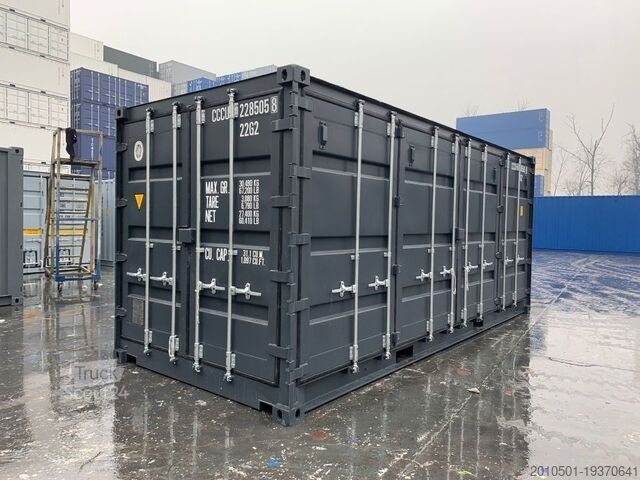
Steel Containers for Sale – What You Need to Know Before You Buy
If you’re searching for a durable, versatile, and cost‑effective storage solution, steel containers are one of the most compelling options on the market today. Whether you’re a small‑business owner needing extra warehouse space, a contractor looking for a portable workshop, or a homeowner who wants a secure outdoor storage unit, steel containers can meet those demands and more.
In this guide you’ll discover:
- Why steel containers are an excellent investment
- The different types and sizes available
- Key factors to consider when comparing offers
- How to evaluate price, quality, and after‑sale service
- Frequently asked questions (FAQ) that clear up common doubts
All of this is presented in a clear, second‑person format so you can quickly apply the information to your own buying decision.
1. Why Choose Steel Containers?
1.1 Strength & Longevity
- Corrosion‑Resistant Coatings – Modern containers are typically coated with Corten steel, zinc‑galvanized paint, or epoxy finishes that protect against rust for decades.
- Structural Integrity – The 1.5 mm to 2 mm wall thickness used in most ISO‑standard containers can withstand heavy loads, impacts, and harsh weather without deforming.
1.2 Security
- Heavy‑Duty Locking Systems – Most new containers come with reinforced doors, tamper‑proof bolts and optional RFID or keypad access.
- Pest‑Proof Design – Solid steel walls eliminate the gaps that wooden or plastic units often have, keeping rodents and insects out.
1.3 Flexibility
- Modular Construction – You can stack, join, or cut steel containers to create custom rooms, offices, or even tiny homes.
- Climate Control Ready – Adding insulation, HVAC, or solar panels is straightforward, turning a basic container into a fully habitable space.
1.4 Cost‑Effectiveness
- Low Maintenance – Unlike timber or concrete structures, steel containers require minimal upkeep.
- Resale Value – Because they meet ISO standards and are globally recognizable, used containers retain a respectable resale price.
2. Types of Steel Containers Available for Sale
| Container Type | Typical Dimensions (L × W × H) | Key Features | Common Uses | Price Range (USD) |
|---|---|---|---|---|
| Standard 20‑ft Dry Container | 20 ft × 8 ft × 8.5 ft | ISO 668, 2 doors, Corten steel | Small‑scale storage, mobile workshops | $1,800 – $3,200 |
| Standard 40‑ft Dry Container | 40 ft × 8 ft × 8.5 ft | ISO 668, 2 doors, reinforced corners | Large warehouse overflow, pop‑up retail | $2,800 – $4,500 |
| High‑Cube 40‑ft Container | 40 ft × 8 ft × 9.5 ft | Extra 1 ft height, same strength | Bulkier equipment, taller shelving | $3,200 – $5,000 |
| Reefer (Refrigerated) Container | 40 ft × 8 ft × 8.5 ft | Insulated walls, built‑in cooling unit | Food transport, pharmaceutical storage | $6,500 – $9,500 |
| Open‑Top Container | 20 ft × 8 ft × 8.5 ft | Removable roof, heavy‑duty tarp | Bulk raw materials, timber | $2,200 – $3,600 |
| Flat‑Rack Container | 20 ft × 8 ft × 8.5 ft (no side walls) | Collapsible sidewalls, reinforced deck | Oversized machinery, construction steel | $3,300 – $5,200 |
| Specialty Modified Container | Custom (any) | Windows, doors, interior partitions | Offices, pop‑up clinics, housing | $4,500 – $12,000+ |
Tip: When you see a price listed as “$2,800 – $4,500,” the lower end usually reflects a basic, unmodified container in good condition, while the higher end accounts for added features (e.g., paint, lock upgrades, or a short delivery distance).
3. How to Evaluate a Steel‑Container Offer
Below is a checklist you can use while shopping online, at a local depot, or when contacting a supplier directly. Tick each item to ensure you’re comparing apples‑to‑apples.
- Certification & Standards
- ISO 668 (size) and ISO 1496‑1 (construction) compliance?
- CSC (Container Safety Certificate) or equivalent?
- Physical Condition
- Exterior: Look for dents, rust spots, or broken corners.
- Doors: Check for smooth operation, proper seal, and no warping.
- Floor: Verify the steel floor’s integrity—no cracks or excessive wear.
- Coating & Paint
- Fresh, even coating (Corten or powder‑coat) extends life.
- Ask for a recent inspection report or photos of the interior/exterior.
- Dimensions & Capacity
- Confirm internal cubic meters (e.g., 33 m³ for a standard 40‑ft).
- Verify load rating: most dry containers support 28 tonnes (≈ 61,000 lb).
- Delivery & Logistics
- Is delivery included?
- Does the seller provide on‑site placement or just drop‑off?
- What is the expected lead time?
- Warranty & After‑Sales Support
- Minimum 6‑month warranty on structural defects.
- Availability of replacement parts (door hinges, locks).
- Price Transparency
- Are taxes, freight, and handling fees clearly listed?
- Look for hidden costs such as “container preparation” or “custom paint.”
- Reputation & Reviews
- Check Google, Yelp, or industry forums for buyer experiences.
- Ask the seller for references from previous corporate clients.
4. List of Benefits: Why Steel Containers Beat the Competition
- Mobility – One container can be moved by a standard forklift or small crane, enabling rapid site changes.
- Speed of Deployment – A pre‑fabricated unit can be placed and made operational within 24‑48 hours.
- Adaptability – Add shelves, racks, lighting, or split the interior into multiple rooms without major reconstruction.
- Environmental Footprint – Steel is 100 % recyclable; purchasing a used container reduces material waste.
- Cost Predictability – Fixed purchase price plus optional upgrades keeps budgeting simple.
5. Frequently Asked Questions (FAQ)
| Question | Answer |
|---|---|
| Are used steel containers safe for storage? | Yes, as long as they have been inspected for structural integrity, rust, and door functionality. Request a CSC or a recent condition report. |
| What is the typical lifespan of a steel container? | With proper maintenance (periodic cleaning and repainting), a steel container can last 25–30 years or more. |
| Can I purchase a container without a roof? | Absolutely. Open‑top and flat‑rack containers are sold without permanent roofs, perfect for oversized cargo. |
| Do I need a permit to place a container on my property? | This varies by local zoning laws. Many municipalities require a short‑term storage permit or a building permit if you plan to modify the container (e.g., add windows). |
| Is insulation required for a container used as an office? | While not mandatory, insulation (spray‑foam or panel) plus HVAC is strongly recommended for comfort and energy efficiency. |
| How do I secure a container against theft? | Use a high‑security lockset, reinforce door hinges, and consider a GPS tracking device for added protection. |
| What financing options are available? | Some suppliers offer leasing, rent‑to‑own, or bulk‑purchase discounts if you need multiple units. |
| Can containers be stacked? | Yes, standard containers are designed for stacking up to three units high when placed on a certified foundation. |
| Do steel containers meet fire‑code standards? | Standard dry containers have a fire‑resistance rating of 30 minutes. For higher ratings, request a fire‑rated modification. |
| How do I transport a container over long distances? | Most carriers use ship‑train‑truck intermodal networks. Ask your seller about shipping options and insurance coverage. |
6. Real‑World Examples: When Steel Containers Solve a Problem
| Scenario | Container Solution | Result |
|---|---|---|
| Seasonal inventory overflow for a boutique clothing retailer | 2 × 20‑ft dry containers placed on a back‑lot | 10 % reduction in warehouse rent, 24‑hour access for staff |
| Construction company needs a portable office on a remote site | 1 × 40‑ft high‑cube container fitted with windows, HVAC, and a modular interior | On‑site office ready in 48 hours, weather‑proof, cost < $5,000 |
| Farmers require a temperature‑controlled space for dairy products | 1 × Reefer 40‑ft container with added solar panels | Stable 4 °C environment, reduced spoilage by 30 % |
| Non‑profit wants a pop‑up medical clinic in disaster‑affected area | Modified 20‑ft container with plumbing and medical equipment | Fully functional clinic delivered in 4 days, served 1,200 patients in first month |
| Logistics firm wants to repurpose decommissioned containers for a training yard | 5 × flat‑rack containers, stripped of side walls, anchored on concrete pads | Flexible training area for forklift operators, saved $12,000 vs. building a new structure |
These case studies illustrate that a well‑chosen steel container can cut costs, speed up deployment, and adapt to many industries.
7. Step‑by‑Step Guide to Buying Your First Steel Container
- Define Your Purpose – Write down the exact use (storage, office, workshop) and any special requirements (temperature control, height).
- Measure the Space – Ensure the site can accommodate the container dimensions plus clearance for doors and ventilation.
- Set a Budget – Include base price, delivery, optional upgrades, and any site‑prep costs (foundation, permits).
- Research Suppliers – Use the checklist above to compare at least three reputable vendors.
- Request Quotes & Inspection Reports – Ask for photos, CSC numbers, and a breakdown of all fees.
- Negotiate Add‑Ons – Lock the price for door reinforcements, paint color, or internal shelving before confirming.
- Finalize Delivery Details – Confirm the delivery date, who will unload, and the exact placement coordinates.
- Inspect on Arrival – Check the container against the inspection report; note any damage before signing the delivery receipt.
- Set Up Your Container – Install insulation, lighting, HVAC, or any other accessories you planned.
- Register & Insure – If you’ll keep the container long term, register it with your local authority and obtain appropriate insurance coverage.
Following these steps will ensure you avoid common pitfalls such as hidden fees, mismatched dimensions, or sub‑par quality.
8. Bottom Line: Is a Steel Container Right for You?
If you need a robust, secure, and adaptable storage or workspace solution that can be delivered quickly and maintained with minimal effort, the answer is a resounding yes. By understanding the different container types, comparing specifications, and asking the right questions, you can purchase a steel container that fits both your functional needs and your budget.
Remember – the key to a successful purchase is clarity. Define what you need, verify the container’s condition, and work with a supplier who offers transparent pricing and solid after‑sales support. With the knowledge you now have, you’re ready to walk into the market, evaluate the options, and make a confident decision that will serve you for years to come.
Ready to start?
Browse our curated list of vetted steel‑container suppliers, download the printable checklist, and take the first step toward a smarter, more durable storage solution today.