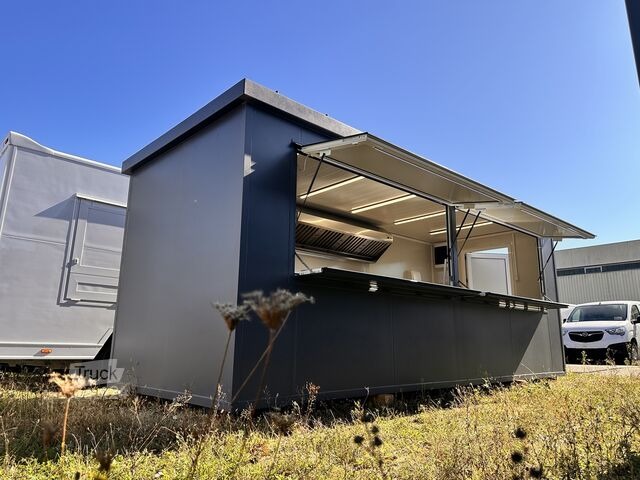
The Ultimate Guide to Buying a Storage Container — What to Look for When You’re Ready to Purchase
If you’ve ever needed extra space for tools, equipment, seasonal gear, or even a pop‑up workshop, you’ve probably thought about a storage container. The market is flooded with options, price points, and specifications, which can make the decision feel overwhelming. This guide walks you through everything you need to know before you click “Add to Cart.”
Quick Takeaway: By the end of this post you’ll know the different container types, how to size the unit for your needs, what to watch for in construction quality, and where to find reputable sellers—all presented in easy‑to‑read tables, lists, and a handy FAQ.
1. Why a Storage Container Might Be the Right Choice for You
| Benefit | How It Helps You | Typical Use‑Case |
|---|---|---|
| Durability | Made of steel or aluminum, they resist weather, pests, and UV damage. | Storing construction tools on a job site. |
| Security | Lockable doors, reinforced hinges, and optional alarm systems keep belongings safe. | Protecting valuable equipment or inventory. |
| Portability | Most containers are ISO‑standard, meaning they can be shipped, lifted, or moved with a crane. | Temporary offices on a rotating worksite. |
| Cost‑Effective | Compared to building a shed, you get a ready‑made, weather‑proof space for a fraction of the price. | Homeowners needing a garage‑replacement. |
| Versatility | Can be retrofitted with shelving, lighting, HVAC, or even turned into a tiny home. | DIY hobbyists creating a workshop. |
If any of those scenarios sound like you, a storage container is worth serious consideration.
2. Types of Storage Containers You’ll Encounter
| Container Type | Standard Dimensions (L x W x H) | Typical Material | Ideal For |
|---|---|---|---|
| 20‑Foot Standard | 20′ × 8′ × 8′ 6″ | Corten steel | Small‑scale tool storage, garden equipment |
| 40‑Foot Standard | 40′ × 8′ × 8′ 6″ | Corten steel | Larger inventories, mobile workshops |
| 20‑Foot High‑Cube | 20′ × 8′ × 9′ 6″ | Corten steel | Extra height for tall items (e.g., ladders) |
| 40‑Foot High‑Cube | 40′ × 8′ × 9′ 6″ | Corten steel | Full‑size warehouse replacement |
| Cold‑Storage (Reefer) | 20‑/40‑foot options | Insulated steel + refrigeration unit | Perishable goods, pharmaceuticals |
| Open‑Top (Flat‑Rack) | 20‑/40‑foot options | Steel frame + canvas tarp | Oversized cargo, construction material |
| Modified/Custom | Any size (within ISO limits) | Steel, aluminum, wood paneling | Offices, pop‑up retail, tiny homes |
Tip: If you only need a few pallets of inventory, a 20‑foot unit is usually sufficient. For a full‑size workshop or a mini‑warehouse, the 40‑foot high‑cube will save you a lot of re‑stacking later.
3. How to Size the Container That Fits Your Needs
- Make a List of Items – Write down every item you plan to store, estimating the dimensions of each.
- Calculate Total Volume – Multiply length × width × height for each item, then add a 20‑30 % buffer for future growth.
- Consider Access Pathways – You’ll need space for a forklift, pallet jack, or even just a door swing. Add another foot on each side if you’ll be moving items in and out frequently.
- Match to Container Dimensions – Compare your total volume with the tables above. If your volume is 1,800 cu ft, a 20‑foot standard (1,172 cu ft) is tight; a 40‑foot standard (2,344 cu ft) gives you breathing room.
Quick Sizing Calculator (approx.)
| Total Volume Needed | Recommended Container |
|---|---|
| < 800 cu ft | 20‑ft Standard |
| 800‑1,200 cu ft | 20‑ft High‑Cube |
| 1,200‑2,000 cu ft | 40‑ft Standard |
| > 2,000 cu ft | 40‑ft High‑Cube or Custom Build |
4. Key Features to Inspect Before You Buy
- Door Design: Double‑doors provide easier loading; a single door can be more secure. Look for corrosion‑resistant hinges and a gasket that seals against water.
- Flooring: Most containers have a steel floor; if you’ll be storing heavy machinery, ask for a reinforced floor or a wooden decking insert.
- Ventilation: Small vent windows help prevent condensation—crucial if you store electronics or documents.
- Locking System: Certified padlock hasps, cam locks, or electronic access controls.
- Condition Rating (for used containers):
- Grade A (New/Like New): No dents, rust‑free, all doors functional.
- Grade B (Good): Minor dents, some surface rust (paintable), doors work but may need lubrication.
- Grade C (Fair): Significant dents, rust patches, may need repairs.
- Certifications: ISO 1496-1 compliance assures the container meets international shipping standards—useful if you plan to move it long‑distance.
5. Where to Find Reliable Storage Containers for Sale
| Source | Pros | Cons | Typical Price Range (USD) |
|---|---|---|---|
| Manufacturer Direct (e.g., PODS, Conexwest) | Brand‑new, custom options, warranty | Higher base price, longer lead time | $2,500–$5,000 (20‑ft) |
| Local Dealer/Distributor | Quick pickup, ability to inspect in‑person | Variable quality, limited inventory | $2,200–$4,500 (20‑ft) |
| Online Marketplace (e.g., eBay, Craigslist) | Cheapest deals, wide selection | Risk of hidden damage, no warranty | $1,200–$3,500 (20‑ft) |
| Auction Houses (Gov’t surplus, equipment auctions) | Bulk purchases, rare units (e.g., refrigerated) | Requires bidding, may need immediate transport | $1,000–$4,000 (20‑ft) |
| Rental Companies with “Buy‑out” Programs | Move‑in‑ready, financing options | Rental fees may accrue before purchase | $2,800–$5,200 (20‑ft) |
Pro Tip: When buying used, ask the seller for photos of the interior, door hinges, and any rust spots. If possible, arrange a short on‑site inspection—nothing beats seeing the container yourself.
6. Budget Breakdown – What You’re Actually Paying For
| Cost Component | Approx. % of Total Cost | What It Covers |
|---|---|---|
| Base Container | 55 % | Steel shell, doors, floor, basic paint |
| Delivery & Placement | 15 % | Trucking, crane lift, site preparation |
| Modifications | 10 % | Shelving, lighting, HVAC, electrical wiring |
| Security Add‑Ons | 5 % | Padlock, alarm system, surveillance camera |
| Warranty / Service Plan | 5 % | Repairs, corrosion protection for 2‑3 years |
| Taxes & Fees | 10 % | Sales tax, permit fees (if needed) |
If you budget $4,000 for a 20‑foot unit, expect to spend roughly $2,200 on the container itself, $600 on delivery, $400 on accessories, and the rest on taxes and optional warranties.
7. Maintenance Checklist – Keep Your Container in Peak Condition
- Monthly Exterior Inspection: Look for rust, dents, or broken seals. Touch‑up paint any exposed steel.
- Quarterly Door Test: Open and close each door to ensure hinges are lubricated and gaskets seal properly.
- Bi‑annual Interior Clean‑out: Sweep the floor, remove debris, and check for water buildup.
- Annual Weatherproofing: Apply a fresh coat of anti‑corrosion paint to the exterior and reseal any cracks in the roof.
- Security Audit: Verify that locks are functioning, replace worn keys, and rotate codes for electronic locks.
Quick Maintenance Timeline
| Frequency | Task |
|---|---|
| Monthly | Exterior rust check, door operation test |
| Quarterly | Clean interior, inspect vent screens |
| Semi‑annual | Re‑seal roof, lubricate hinges |
| Yearly | Re‑paint exterior, review security system |
8. Frequently Asked Questions (FAQ)
Q1: Can I place a storage container on a concrete slab?
A: Absolutely. A flat, level concrete slab provides the best foundation, preventing moisture penetration and making the container easier to anchor. Ensure the slab is at least 4 inches thick and the container is anchored with steel bolts or a perimeter footing.
Q2: How much weight can a standard 20‑foot container hold?
A: Most 20‑foot containers are rated for a maximum payload of 30,000 lb (≈ 13,600 kg). Remember this includes the weight of the container itself (≈ 5,000 lb). Distribute weight evenly to avoid stress on the corners.
Q3: Do I need a permit to install a storage container on my property?
A: It varies by municipality. In many residential zones, a container under 10 ft tall may not require a building permit, but larger units or those used as a dwelling definitely will. Check with your local planning department before purchase.
Q4: Are refrigerated containers (reefers) significantly more expensive?
A: Yes. A 20‑foot reefer typically costs 2–3 × the price of a standard container because of the insulation, refrigerant system, and electrical wiring. Expect $5,000–$9,000 for a new unit.
Q5: Can I modify a container myself, or do I need a professional?
A: Minor modifications—like installing shelving or adding a lock—are DIY‑friendly with basic tools. However, structural changes (cutting doors, adding windows, or reinforcing floors) should be done by a professional to maintain ISO compliance and safety.
Q6: What’s the best way to secure a container against theft?
A: Combine a high‑security lock (e.g., a hardened steel padlock with a 3‑inch shank) with a bolt‑down anchoring system that ties the container to a concrete pad. Adding an alarm or motion‑sensor cameras provides an extra layer of deterrence.
Q7: How long does delivery typically take?
A: From order to placement, a new container from a manufacturer usually takes 2–6 weeks, depending on stock and shipping distance. Used containers from local dealers can be delivered within 3–5 business days.
9. Making the Final Decision – A Step‑by‑Step Action Plan
- Define Your Use‑Case – Write down exactly what you’ll store and how often you’ll access it.
- Measure Your Space – Ensure the delivery site can accommodate the container’s dimensions and any required clearance for a crane.
- Set a Budget – Include the base price, delivery, anchoring, and any modifications you anticipate.
- Research Sellers – Compare at least three sources (manufacturer, local dealer, and an online marketplace). Look for reviews, warranty details, and return policies.
- Inspect (or Request Photos) – For used units, ask for close‑up images of doors, hinges, roof seams, and interior condition.
- Ask About After‑Sale Support – A reputable seller will offer a warranty, rust‑proof coating, or a service plan.
- Place the Order & Schedule Delivery – Confirm the exact delivery date and any site preparation you need to do (e.g., leveling the ground).
- Perform the Maintenance Checklist – Start with an initial inspection once the container is on site, then follow the timeline in Section 7.
By following this roadmap, you’ll avoid common pitfalls—like buying a container that’s too small, under‑budgeted for delivery, or missing critical security features.
10. Closing Thoughts
Investing in a storage container is more than buying a metal box; it’s adding a versatile, secure, and cost‑effective space that can grow with your needs. Whether you’re a homeowner needing a seasonal shed, a contractor looking for a mobile workshop, or a small business requiring extra inventory room, the right container can save you time, money, and headaches.
Take the time to measure, compare, and inspect, then choose a seller who stands behind their product. With proper maintenance, a quality storage container can serve you reliably for 10–20 years—or longer if you keep it rust‑free and well‑anchored.
Ready to make the purchase? Start by pulling up the sizing calculator, jotting down the items you’ll store, and reaching out to at least two local dealers for quotes. Your perfect storage solution is just a few clicks away.
Happy storing!