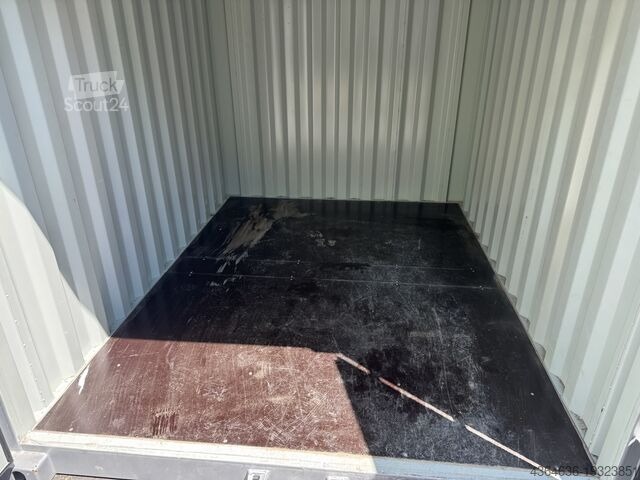
The Ultimate Guide to Hiring a Storage Container
Whether you’re decluttering a home, staging a property for sale, managing a construction site, or handling a temporary surge in inventory, hiring a storage container can be a game‑changer. It gives you a secure, weather‑proof space that moves with you, without the long‑term commitment of buying a permanent structure. In this guide you’ll discover how to choose the right container, what to look for in a rental agreement, and how to get the most value out of your hire—all written in a friendly, second‑person voice so you can apply the advice straight away.
1. Why Hire a Storage Container?
| Benefit | How It Helps You | Typical Use‑Case |
|---|---|---|
| Flexibility | You can pick a size that matches the exact volume you need, and the rental period can be as short as a few days or as long as several years. | Moving house and needing a temporary overflow space. |
| Security | Steel walls, lockable doors, and optional alarm systems keep your belongings safe from theft and vandalism. | Storing expensive tools or valuable antiques while renovating. |
| Weather‑Proof | Containers are built to resist rain, wind, snow and UV exposure, protecting items from moisture and rust. | Keeping seasonal stock for a small retailer. |
| Cost‑Effective | You avoid the upfront purchase price of a container and only pay for the time you actually use it. | A contractor needing extra space for a three‑month project. |
| Mobility | Most hire companies will deliver, pick up, or even relocate the container on demand. | A pop‑up event that needs on‑site storage for a weekend. |
These advantages make container hire a practical solution for anyone who needs extra space on a temporary basis. The next step is figuring out which container size and type fits your specific situation.
2. Choosing the Right Size
The most common container dimensions (measured in feet) are:
| Size | Internal Dimensions (L × W × H) | Approx. Internal Volume | Typical Load Capacity | Ideal For |
|---|---|---|---|---|
| 10′ | 9.7 × 7.7 × 7.9 | 560 ft³ (≈ 16 m³) | 1,800 lb (≈ 820 kg) | Small furniture, garden tools, a few pallets |
| 20′ | 19.4 × 7.7 × 7.9 | 1,170 ft³ (≈ 33 m³) | 3,500 lb (≈ 1,590 kg) | Full‑house contents, multiple pallets, construction equipment |
| 40′ | 39.5 × 7.7 × 7.9 | 2,350 ft³ (≈ 66 m³) | 5,800 lb (≈ 2,630 kg) | Large inventory, multiple rooms of a house, heavy machinery |
| 45′ High‑Cube | 44.5 × 7.7 × 9.5 | 2,800 ft³ (≈ 79 m³) | 6,200 lb (≈ 2,815 kg) | High‑value stock, tall items, long‑term storage for a small business |
How to decide:
- Make a quick inventory – Write down the largest items and estimate their combined volume.
- Add a 10‑15 % buffer – This accounts for irregular shapes and the need for aisle space inside the container.
- Consider weight limits – Heavy equipment (e.g., generators) may require a larger capacity rating even if the volume is modest.
If you’re still unsure, many providers offer a free “size calculator” on their website or a phone consultation with a logistics expert.
3. Key Features to Look For
When you contact a storage container hire company, ask about these specifications:
| Feature | Why It Matters | Typical Options |
|---|---|---|
| Door Type | Determines loading convenience. | Swing door, roll‑up (most common), forklift‑compatible doors. |
| Ventilation | Prevents condensation and rust on metal items. | Vented panels, optional dehumidifier rental. |
| Insulation | Keeps temperatures stable for sensitive goods. | No insulation (standard), insulated walls/ceilings, climate‑controlled containers. |
| Security | Protects against theft. | Standard lock, padlock, electronic lock, GPS tracking, CCTV monitoring. |
| Delivery & Placement | Impacts logistics costs and site preparation. | Ground‑level drop, crane lift, forklift placement, on‑site delivery window. |
| Rental Terms | Affects overall cost. | Daily, weekly, monthly, long‑term contracts; optional early‑return fees. |
A provider that is transparent about these features will help you avoid hidden surprises later on.
4. The Hire Process – Step‑by‑Step
- Assess Your Needs – Use the size guide above and decide on any special features (e.g., insulation).
- Request a Quote – Most companies have an online form; include delivery address, desired rental period, and any access restrictions (narrow drives, low bridges).
- Confirm the Agreement – Read the contract carefully. Look for:
- Minimum rental period
- Delivery and pick‑up fees
- Damage liability (who pays for dents or rust)
- Cancellation policy
- Prepare the Site – Clear a flat, stable area free of debris. If the container will sit on a road or driveway, verify local permits if required.
- Load Efficiently – Follow a few best‑practice tips (see the list below).
- Monitor the Rental – Keep an eye on any signs of water ingress or pest activity.
- Schedule Pick‑Up – Give the provider at least 24–48 hours notice. Some companies will charge a “late‑pick‑up” fee if you exceed the agreed return date.
5. Loading Tips – Make the Most of Your Space
- Start with the heaviest items – Place them on the floor, near the door, to keep the center of gravity low.
- Create “aisles” – Leave a 2‑ft pathway so you can move items in and out without having to unload everything.
- Use pallets – Stack boxes on pallets to protect them from moisture.
- Wrap fragile goods – Bubble wrap, moving blankets, or cardboard can prevent damage during transport.
- Label everything – Put a bold label on each box’s side indicating its contents and the floor location (e.g., “B2 – Kitchenware”).
By organizing the load thoughtfully, you’ll save time when you eventually retrieve the items and minimize the risk of damage.
6. Cost Breakdown – What You’re Actually Paying For
Below is a typical pricing example for a 20‑ft container in the United Kingdom. Prices vary by region, provider, and optional extras.
| Item | Unit Cost | Example (30‑day hire) | Notes |
|---|---|---|---|
| Container rental (20 ft) | £1.20 per ft³ per month | £1,404 | Includes basic lock; excludes VAT. |
| Delivery (up to 50 km) | £120 flat fee | £120 | May increase for longer distances. |
| Pick‑up | £100 flat fee | £100 | Some providers waive this for long‑term hires. |
| Insurance (optional) | £0.15 per ft³ per month | £176 | Covers accidental damage and theft. |
| Climate‑control upgrade | £0.30 per ft³ per month | £351 | Needed for temperature‑sensitive items. |
| Total | – | £2,151 | Approx. cost for a month of storage, delivery, and pick‑up. |
How to reduce costs:
- Combine deliveries – If you need multiple containers, ask for a bundled delivery discount.
- Negotiate longer terms – Monthly rates often drop when you commit to 3‑6 months.
- Self‑load & unload – Some companies charge a handling fee; doing it yourself can save money.
7. Frequently Asked Questions (FAQ)
Q1: How long can I keep a container?
A: Most hire companies allow rentals from a single day up to several years. Short‑term hires (1‑30 days) usually have a higher daily rate, while long‑term contracts receive a discounted monthly price.
Q2: Do I need a permit to park a container on my driveway?
A: It depends on local council regulations. In many UK towns, a temporary parking permit isn’t required for containers under 20 ft, but larger units or placement on a public road may need planning permission. Always check with your local authority before the delivery.
Q3: What happens if the container gets damaged during my hire?
A: The contract will outline liability. Typically, you’re responsible for any damage beyond normal wear and tear. Purchasing optional insurance can protect you from costly repair bills.
Q4: Can I relocate the container during the rental period?
A: Yes, most providers offer a “relocation service” for an additional fee. Provide at least 48 hours notice, and they’ll move the container to a new site.
Q5: Are the containers suitable for storing food or pharmaceuticals?
A: Standard steel containers are not temperature‑controlled. For food, chemicals, or pharmaceuticals you’ll need an insulated, climate‑controlled unit, and you should verify that the provider complies with relevant health‑safety standards.
Q6: How do I empty the container at the end of the hire?
A: You can either unload it yourself, arrange a removal service, or schedule a “return‑and‑dispose” option where the provider handles disposal of unwanted items for an extra charge.
8. Quick Checklist Before You Sign the Rental Agreement
- Confirm container dimensions and load capacity meet your needs.
- Verify delivery date, time window, and site access requirements.
- Review security features (locks, tracking, insurance).
- Understand the full cost structure (rental, delivery, pick‑up, extras).
- Check cancellation and early‑return policies.
- Ensure you have a flat, stable surface for placement.
Having this checklist handy will make the hiring process smooth and prevent costly misunderstandings.
9. Final Thoughts
Hiring a storage container is a straightforward, adaptable solution that can simplify moves, construction projects, and seasonal inventory needs. By matching the right size, understanding the features you need, and being savvy about costs and contract terms, you’ll turn a temporary storage challenge into a seamless part of your workflow.
So, next time you’re staring at a pile of boxes or a mountain of building materials, remember that a well‑chosen storage container can keep everything safe, organized, and out of the way—until you’re ready to use it again. Happy storing!