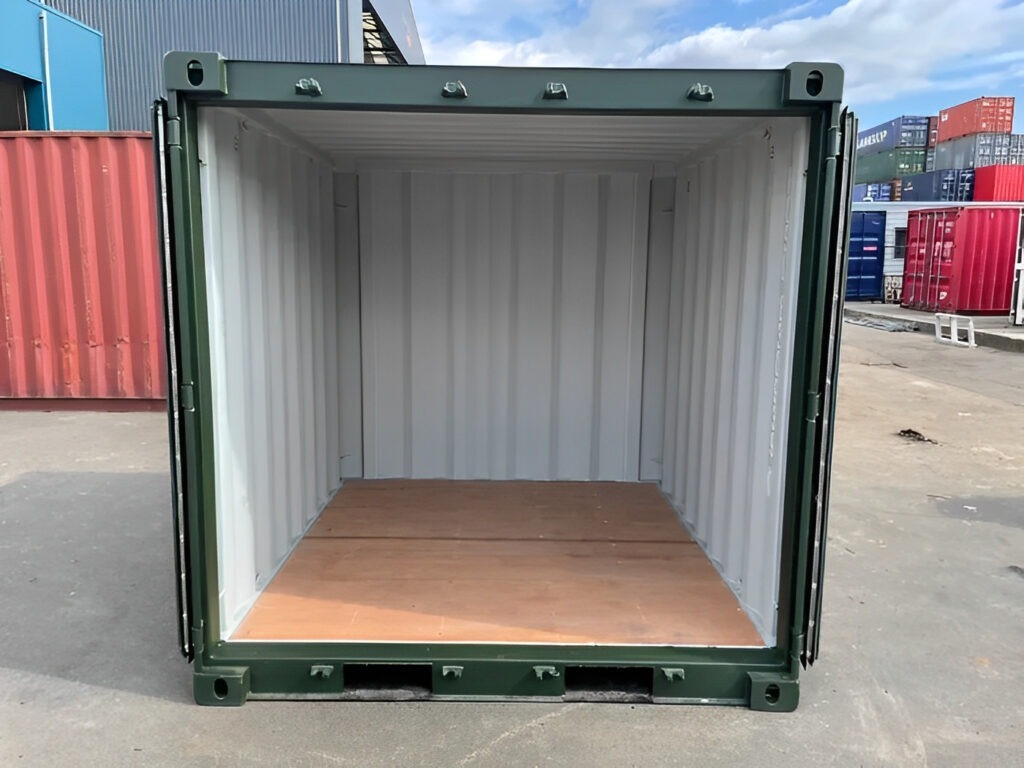
Transform Your Dream Home with a Storage‑Container House
If you’ve ever imagined a sleek, eco‑friendly, and budget‑smart dwelling that can be moved, expanded, or even customized on a whim, a storage container house might be the answer you’ve been waiting for. In this guide, we’ll walk you through everything you need to know— from the basics of what a container home is, to cost breakdowns, design tips, and the most common questions newcomers ask. By the end, you’ll have a clear picture of how to turn a humble steel box into the cozy, stylish haven you deserve.
1. What Exactly Is a Storage‑Container House?
A storage‑container house (sometimes called a shipping‑container home or container‑home) is a residential structure built from one or more intermodal shipping containers—those massive steel boxes you see stacked on cargo ships, trucks, or at ports. These containers are:
| Feature | Typical Specification |
|---|---|
| Length | 20 ft (6.1 m) or 40 ft (12.2 m) |
| Width | 8 ft (2.44 m) |
| Height | 8.5 ft (2.59 m) – standard; 9.5 ft (2.9 m) – high‑cube |
| Material | Corten steel (weather‑resistant) |
| Load Capacity | Up to 30,000 lb (13,600 kg) |
Because the containers are pre‑engineered, sturdy, and built to withstand harsh ocean voyages, they provide an excellent structural “shell” for a home. All you have to do is add insulation, windows, doors, interior finishes, and utilities—just like you would with a conventional house, but with far less waste and a smaller carbon footprint.
2. Why Choose a Container Home?
2.1 Speed & Simplicity
- Rapid construction – A basic 40‑ft container can be placed on a foundation and finished inside within weeks, not months.
- Modular flexibility – Stack, side‑by‑side, or combine containers to create any floor plan you desire.
2.2 Cost Savings
| Item | Traditional Build (USD) | Container Build (USD) |
|---|---|---|
| Foundation & slab | $15,000 – $30,000 | $5,000 – $12,000 |
| Structural frame | $30,000 – $60,000 | $5,000 – $10,000 (container) |
| Exterior cladding | $10,000 – $20,000 | $0 (steel already cladded) |
| Interior finish | $30,000 – $70,000 | $15,000 – $35,000 |
| Total (average 2‑bed, 800 sq ft) | $85,000 – $180,000 | $45,000 – $90,000 |
Note: Prices vary by region, labor rates, and design complexity.
2.3 Sustainability
- Re‑use of existing steel – Each container has already consumed a massive amount of energy and raw material.
- Reduced waste – Traditional framing generates tons of wood scraps; containers produce almost none.
- Energy efficiency – With proper insulation and passive solar design, a container home can achieve low‑energy heating and cooling.
2.4 Mobility & Resilience
- Portable – If your life takes you elsewhere, you can relocate the entire house (subject to regulatory approvals).
- Storm‑ready – Steel walls are highly resistant to wind, rain, and even minor seismic activity when properly anchored.
3. Planning Your Container Home
3.1 Determine Your Needs
| Question | Why It Matters |
|---|---|
| How many people will live there? | Influences the number and size of containers. |
| Do you need a separate bedroom, office, or workshop? | Determines layout and stacking options. |
| What climate do you live in? | Affects insulation, ventilation, and glazing choices. |
| What are your local zoning regulations? | Some municipalities restrict container homes or require additional permits. |
3.2 Choose the Right Container(s)
| Container Type | Best For | Typical Use |
|---|---|---|
| 20‑ft Standard | Small studios, accessory units | Guest house, tiny office |
| 40‑ft Standard | Main living area, open‑plan designs | Living‑room + kitchen |
| 40‑ft High‑Cube | Extra headroom, lofts | Two‑story layouts, taller ceilings |
| Modified (Side‑Cut) | Large windows or doors | Living‑room with floor‑to‑ceiling glass |
3.3 Sketch a Rough Floor Plan
Below is a simple 2‑bedroom, 1‑bath layout using two 40‑ft high‑cube containers placed side‑by‑side (8 ft wide each).
| Area | Approx. Sq ft | Container Allocation |
|---|---|---|
| Living Room / Kitchen | 300 | Central shared space (both containers) |
| Master Bedroom | 150 | Left container, rear half |
| Guest Bedroom | 120 | Right container, rear half |
| Bathroom | 70 | Center wall, shared plumbing |
| Storage / Utility | 60 | Front corner of left container |
You can expand this design by stacking a third container on top for a loft bedroom or adding a small “garage” container at the front.
4. Step‑by‑Step: Building Your Container Home
- Secure Permits – Check local building codes, fire safety requirements, and utility hookups.
- Select a Site & Lay Foundations – Concrete pier, slab, or steel footings are typical.
- Purchase & Inspect Containers – Choose “one‑trip” containers (used only once) for the least wear.
- Prepare the Shell
- Cut openings for doors, windows, and internal walls.
- Weld reinforcement plates where cuts are made.
- Install Insulation – Spray‑foam, rigid foam board, or mineral wool all work well on steel.
- Run Electrical, Plumbing, & HVAC – Treat the container like a conventional building shell; use flexible PEX for water lines and conduit for wiring.
- Finish Interior – Drywall, wood paneling, or exposed steel are all popular choices.
- Add Exterior Touches – Decks, awnings, cladding (optional), and landscaping to soften the industrial look.
- Final Inspection & Move‑In – Once everything passes inspection, you can start enjoying your new space!
5. Design Tips to Make a Container Home Feel Like Home
- Break the Box – Use large windows, sliding doors, and skylights to flood the interior with natural light.
- Layer Your Materials – A combination of wood, concrete, and textiles adds warmth to the steel.
- Create Zones – Open‑plan living is great, but a few interior partitions or sliding panels help define private spaces.
- Consider a Roof Garden – A flat roof can host a garden, solar panels, or a lounge area, turning unused space into a lifestyle perk.
- Play with Color – Paint the exterior in a friendly hue or add a mural to give the house personality.
6. Frequently Asked Questions
| Question | Answer |
|---|---|
| Do container homes need a foundation? | Yes. Even though the containers are structurally sound, a proper foundation prevents shifting, moisture ingress, and meets code requirements. |
| Are containers safe from rust? | Corten steel is corrosion‑resistant, but any cuts or welds should be treated with rust‑inhibiting primer and paint. Regular maintenance keeps the exterior pristine. |
| Can I finance a container home? | Some lenders treat them like conventional homes, especially if you have proper permits and a solid appraised value. Look for “manufactured home” financing options as well. |
| What about insulation—won’t steel get too hot or cold? | Insulation is critical. Spray‑foam or rigid foam board, combined with an interior vapor barrier, mitigates thermal bridging. Add radiant barriers on the exterior if needed. |
| How long does it take to build? | A basic 40‑ft container home can be finished in 8‑12 weeks from foundation to move‑in, compared to 6‑12 months for a traditional build. |
| Is it legal to live in a container home? | Most jurisdictions allow it, but you must comply with zoning, setbacks, and building codes. Always check with your local planning department first. |
| Can I expand later? | Absolutely! The modular nature lets you add more containers as your needs grow. |
| What’s the resale value? | Well‑designed container homes have appreciated similarly to conventional homes in many markets, especially where sustainable living is valued. |
| Do I need special insurance? | Standard homeowner’s insurance typically covers container homes; just ensure the policy lists the structure’s square footage and materials. |
| Are there any hidden costs? | Possible extra expenses include site preparation, utility hook‑ups, and interior finishing choices. Budget an extra 10‑15 % for unforeseen items. |
7. Pros & Cons at a Glance
| Pros | Cons |
|---|---|
| Faster construction | Limited interior width (8 ft) |
| Lower material waste | Requires careful insulation |
| Strong, durable shell | May need additional exterior aesthetics |
| Modular & expandable | Possible zoning hurdles |
| Good for tiny‑home living | Transporting large containers can be pricey |
8. Real‑World Inspiration
- The “Box House” in Portland, OR – A pair of 40‑ft containers stacked to create a loft bedroom with a rooftop garden.
- Sydney’s “Shed” Residence – An all‑steel interior with reclaimed wood accents, illustrating how industrial elements can feel warm.
- Eco‑Village in Kenya – Community‑scale container homes powered by solar panels, showcasing how these structures can serve affordable housing initiatives.
Take a look at these projects on Instagram or Pinterest using the hashtag #ContainerHomeInspo to gather ideas for your own design.
9. Ready to Get Started?
If you’ve made it this far, you’re already on the path to turning a steel box into your dream dwelling. Here’s a quick “next‑step” checklist:
- Research local regulations – Obtain a zoning clearance and building permit.
- Choose a reputable supplier – Look for certified “one‑trip” containers and ask about inspection reports.
- Hire an experienced contractor – Preferably someone who has built at least one container home before.
- Set a realistic budget – Include foundation, insulation, interior finishes, and a contingency fund.
- Sketch your layout – Even a rough hand‑drawn plan helps the contractor understand your vision.
- Start the paperwork – Secure financing, insurance, and utility agreements.
Remember, building a container home is a collaborative adventure. By staying organized, communicating clearly with your builder, and keeping an eye on sustainability, you’ll end up with a unique, affordable, and stylish living space—one that’s truly yours.
Final Thought
A storage‑container house isn’t just a trendy shortcut; it’s a thoughtful response to modern challenges—high housing costs, environmental concerns, and the desire for flexible living. Whether you’re dreaming of a tiny studio for remote work, a family‑friendly two‑bedroom, or an expandable modular home that grows with you, the steel box is a canvas waiting for your personal touch. So go ahead, roll up your sleeves, and start designing the home that moves with you—literally and figuratively. Happy building!