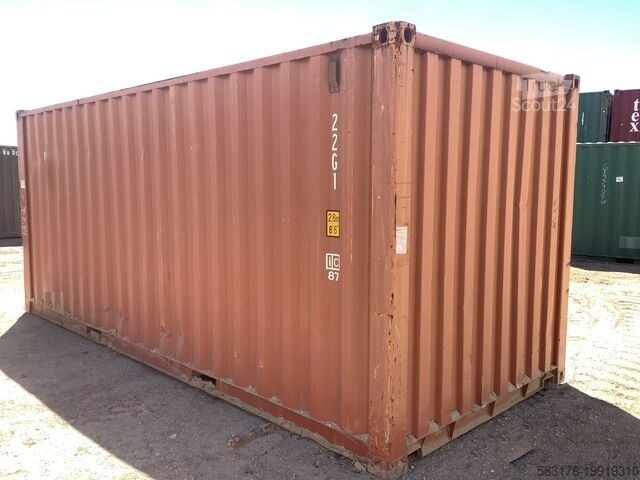
Your Complete Guide to Storage Container Rental
Whether you’re decluttering the garage, moving to a new city, or need a temporary on‑site warehouse for a construction project, renting a storage container can be a simple, cost‑effective solution. In this guide you’ll learn everything you need to know to pick the right container, negotiate the best price, and keep your belongings safe—all written in a friendly, “you‑focused” voice.
1. Why Rent a Storage Container?
You might be wondering if a storage unit, a portable shed, or even a rented truck would do the job. Here are the top reasons why a container often wins out:
| Benefit | How It Helps You |
|---|---|
| Weather‑proof protection | Steel walls and roofs keep rain, snow, and sun out, preserving furniture, equipment, and documents. |
| Mobility | Once delivered, you can have the container placed exactly where you need it—on your driveway, a job site, or a warehouse floor. |
| Scalability | Need more space later? Adding an extra container is usually just a phone call away. |
| Security | Heavy‑duty lockable doors and optional alarm systems deter theft and vandalism. |
| Cost‑efficiency | You only pay for the time and size you need—no long‑term lease, no hidden maintenance fees. |
If any of those points line up with your current challenge, a storage container rental is worth a deeper look.
2. Types of Containers and What They’re Best For
Containers come in a handful of standard sizes, each with its own sweet spot. Below is a quick‑reference table that tells you which size matches typical use‑cases and an approximate monthly rental price (prices vary by region and provider).
| Size (feet) | Internal Dimensions (L × W × H) | Approx. Capacity (cubic ft) | Typical Uses | Avg. Monthly Rental* |
|---|---|---|---|---|
| 10’ | 9.5 × 6.5 × 7.5 | 580 | Small household items, seasonal décor, tools | $85 |
| 20’ | 19.5 × 8 × 8.5 | 1,165 | Furniture, appliances, a one‑car garage load | $125 |
| 30’ | 29.5 × 8 × 8.5 | 1,800 | Business inventory, multiple rooms of furniture, small equipment fleet | $180 |
| 40’ | 39.5 × 8 × 8.5 | 2,400 | Large construction material storage, multiple vehicle parts, full‑house move | $225 |
| 45’ High‑Cube | 44 × 8 × 9.5 | 3,200 | Oversized items (e.g., pallets of lumber), HVAC units, modular office fit‑outs | $260 |
*Average rates for a 30‑day rental in the United States, inclusive of delivery and pick‑up within a 30‑mile radius.
Specialty Options
- Ventilated “Cool‑Dry” containers – Ideal for paint, chemicals, or climate‑sensitive equipment.
- Insulated “Cold‑Storage” containers – Maintains a stable temperature for perishable goods.
- Modified containers – Fitted with shelving, lighting, or a small office partition.
3. How to Choose the Right Size for Your Needs
Choosing a container is like picking a moving truck: you don’t want to be cramped, but you also don’t want to waste space (and money). Follow this three‑step checklist:
- Make an inventory list – Write down every item you plan to store, noting approximate dimensions (length × width × height).
- Calculate total volume – Add up the cubic footage of each item. A quick rule of thumb: add 10 % extra for packing material and aisle space.
- Match volume to container capacity – Use the table above. If your total volume lands at 1,300 ft³, a 20‑foot container (1,165 ft³) is too tight; step up to a 30‑foot unit.
Pro tip: If you’re on the fence between two sizes, opt for the larger one. You’ll have room for future additions and can stack items more efficiently, reducing the risk of damage.
4. The Rental Process – Step‑by‑Step
Below is a streamlined workflow that most reputable rental companies follow. Knowing the steps ahead of time helps you stay organized and avoid surprise fees.
| Step | What You Do | What the Provider Does |
|---|---|---|
| 1. Request a Quote | Fill out an online form or call with your desired size, dates, and delivery address. | Generates a customized price, confirming availability. |
| 2. Review & Sign Agreement | Read the rental contract, note mileage limits (if any), insurance options, and cancellation policy. Sign digitally or on paper. | Sends you a copy of the signed agreement and schedules delivery. |
| 3. Prepare the Site | Clear a level, paved surface at least 3 ft larger than the container’s footprint. Ensure there’s space for the delivery truck to maneuver. | Confirms the delivery window (usually 2‑hour slot). |
| 4. Delivery | Meet the driver, inspect the container for dents or rust, and verify the lock is functional. | Places the container on your site, provides a lock key or code. |
| 5. Load Your Items | Use a dolly or forklift if needed. Follow safety guidelines (no over‑stacking beyond 6 ft). | Provides a brief safety orientation if requested. |
| 6. Ongoing Maintenance | Keep the container dry, check the lock periodically, and report any damage immediately. | Offers optional security monitoring or periodic inspections for a fee. |
| 7. Pick‑Up | Empty the container, remove all personal belongings, and clean the interior. | Retrieves the empty container, conducts a final condition check, and invoices any extra charges. |
5. Tips to Maximize Space Inside the Container
Even a 40‑foot container can feel cramped if you don’t plan. Implement these practical tricks:
- Label boxes on multiple sides – Makes it easy to locate items without moving the whole stack.
- Use uniform box sizes – Stacking becomes more stable; you can create a “pallet” of boxes.
- Place heavier items on the bottom – Prevents crushing lighter objects.
- Utilize the container’s roof – For flat‑packed items (e.g., mattresses, tires) that can sit safely on top.
- Add shelving or pallets – Elevates boxes off the floor, protecting them from moisture and allowing airflow.
- Create a “walkway” – Leave a 2‑ft aisle down the middle for easy access, especially for larger units.
6. Security, Insurance, and Peace of Mind
You’re entrusting a container with valuable items—make sure you protect them.
| Security Feature | What It Does for You | Typical Cost |
|---|---|---|
| Heavy‑duty lock | Prevents unauthorized entry. | Usually included; upgrade $10–$20/month. |
| Alarm system | Emits a loud siren and alerts you via SMS if the door is forced. | $15–$30/month. |
| GPS tracking | Lets you locate the container in real time, helpful for on‑site jobs. | $5–$10/month. |
| Insurance coverage | Reimburses you for loss or damage up to a specified limit. | 1–2 % of the item’s value per month. |
Most providers require at least a basic lock as part of the rental. If you’re storing high‑value items (electronics, art, or important documents), add an alarm and insurance for added protection.
7. Cost Breakdown – What Exactly Are You Paying For?
Understanding the components of your monthly invoice helps you spot savings opportunities.
| Cost Item | Description | Typical Rate (per month) |
|---|---|---|
| Base Rental | The core fee for the container size and duration. | $85‑$260 (see size table). |
| Delivery & Pick‑Up | One‑time charge for transport within a set radius. | $60‑$120 (flat fee). |
| Lock & Security Upgrade | Optional high‑security lock or alarm. | $10‑$30. |
| Insurance | Coverage for loss/damage up to your chosen limit. | 1‑2 % of declared value. |
| Mileage/Travel Surcharge | If delivery is beyond the standard radius. | $0.50‑$0.75 per mile. |
| Late‑Return Penalty | Charged per day if you exceed the agreed rental period. | $25‑$50/day. |
| Cleaning Fee | Charged if the container is returned dirty or with debris. | $30‑$50 (one‑time). |
Tip: If you anticipate keeping the container for several months, negotiate a long‑term discount. Many companies offer a 5‑10 % reduction for rentals over 90 days.
8. Frequently Asked Questions (FAQ)
Q1: How long can I keep a container?
A: Most rentals are month‑to‑month, but you can extend indefinitely as long as you keep paying the monthly fee. Long‑term agreements (6‑12 months) often come with a discount.
Q2: Do I need a permit to place a container on my property?
A: Generally, if the container sits on private land you own, a permit isn’t required. However, homeowners’ associations, city zoning laws, or commercial lease clauses may impose restrictions. Always double‑check with local authorities before delivery.
Q3: What if the container gets damaged during delivery?
A: Inspect the container upon arrival and note any dents or rust on the delivery receipt. Most companies will replace or repair a damaged unit at no extra cost if you document it promptly.
Q4: Can I keep the container on the street?
A: Street placement typically requires a municipal permit and may be subject to time limits. For short‑term storage (e.g., a weekend project), a temporary parking permit is often sufficient.
Q5: How do I load heavy items safely?
A: Use a hand truck, pallet jack, or forklift for items over 50 lb. Keep your back straight, lift with your legs, and never exceed the container’s floor load rating (usually 2,000 lb per square foot).
Q6: Is climate control available?
A: Yes. “Cool‑Dry” and “Cold‑Storage” containers are insulated and equipped with ventilation or refrigeration units. These cost more—typically $30‑$80 extra per month.
Q7: What happens if I need to move the container to another location?
A: Most providers will relocate the container for an additional fee based on distance. Ask for a relocation quote when you sign the contract.
Q8: Can I purchase the container after renting it?
A: Some companies offer a “rent‑to‑own” program where a portion of each month’s payment goes toward the purchase price. Inquire about this option if you think you’ll need permanent storage.
Q9: Are there any hidden fees I should watch out for?
A: The most common surprises are mileage surcharges, late‑return penalties, and cleaning fees. Review the contract’s “Additional Charges” section carefully before signing.
Q10: How do I terminate the rental early?
A: Provide written notice (usually 7‑30 days) as specified in the agreement. You’ll be billed for the remaining days of the current month plus any early‑termination fee (often 1‑2 months’ rent).
9. Final Thoughts – Making the Most of Your Rental
You now have a full toolbox of knowledge: the right container size, cost components, security upgrades, and a clear roadmap for the rental process. By planning ahead, measuring accurately, and choosing the appropriate security and insurance options, you’ll keep your belongings safe, organized, and accessible—whether for a few weeks or several years.
Ready to get started?
- List what you need to store.
- Use the size‑matching guide to pick a container.
- Request a quote from at least two local providers to compare rates.
- Sign the agreement, schedule delivery, and enjoy the extra space you’ve earned.
Happy storing! 🚚📦